By any traditional measure of modern television success, HBO’s Lanterns has arrived as a resounding hit. The series, which draws more tonal DNA from the gritty, character-obsessed investigative procedural True Detective than from the vibrant, high-octane exploits of the DC Universe (DCU) comic books, has stunned audiences and critics alike. With its grounded atmosphere, deliberate pacing, and powerhouse performances, the show has carved out a unique space in the crowded superhero landscape. Yet, beneath the veneer of its critical success lies a growing philosophical rift regarding the future of comic book adaptations—a conflict brought into sharp focus by one of the medium’s most legendary architects: Grant Morrison.
The Grounded Paradigm: A New Vision for the Corps
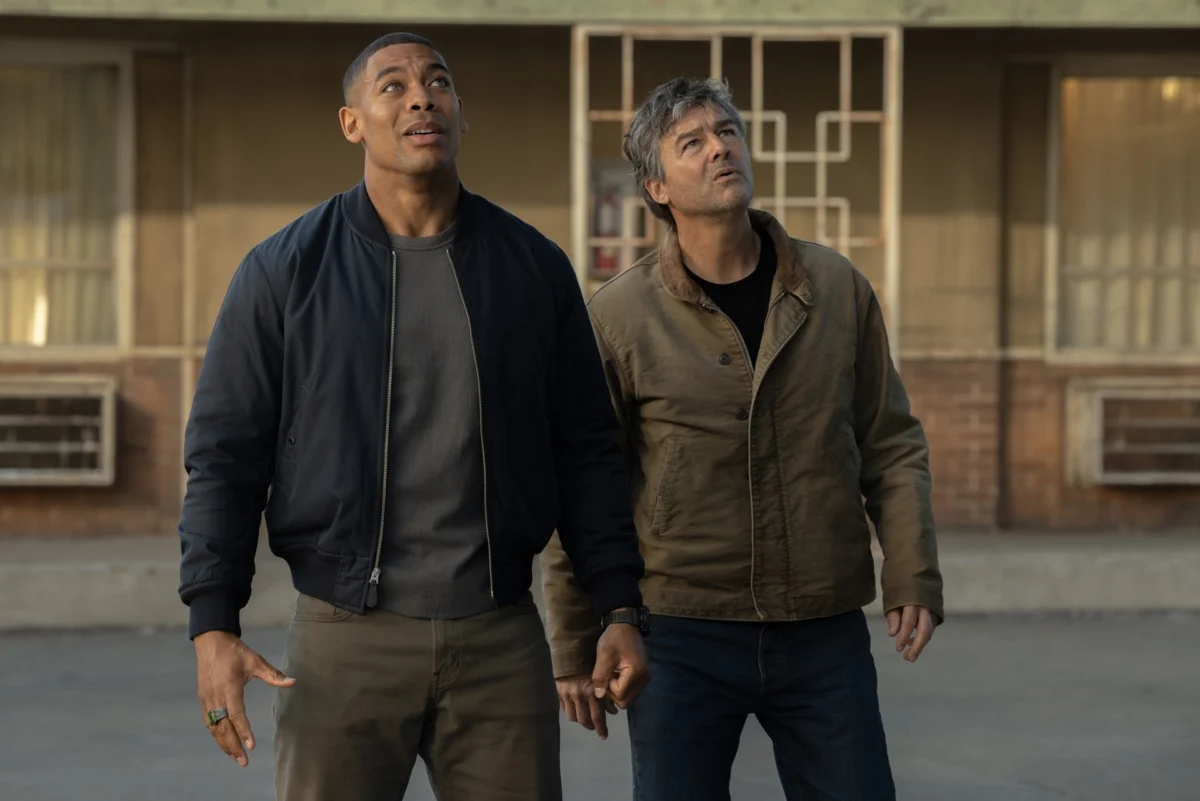
For decades, the Green Lantern franchise was synonymous with cosmic scale. It was a space-faring epic involving emerald rings, willpower-fueled constructs, and intergalactic conflicts that spanned star systems. However, HBO’s Lanterns has opted for a radically different approach. By focusing on the "street-level" mystery of two detectives, Hal Jordan and John Stewart, the show prioritizes atmosphere over spectacle.
The series is built upon a foundation of human frailty. It asks what happens when men chosen for their unyielding will are forced to confront the banality of evil in an environment that feels less like a space opera and more like a noir thriller. This creative choice has resonated with a significant portion of the audience, who have grown weary of the CGI-saturated, world-ending stakes that have dominated the genre for the past decade. By stripping away the capes and the glowing constructs in favor of character-driven tension, Lanterns has successfully broadened the appeal of the DC brand to viewers who typically avoid "superhero content."
Chronology of a Creative Clash
The tension between the show’s direction and its source material’s legacy is not new. The friction between Grant Morrison—the legendary writer behind the seminal The Green Lantern run—and the show’s production team, particularly co-showrunner Damon Lindelof, has been simmering for months.
The conflict first entered the public sphere following reports of creative differences regarding the show’s departure from the established comic lore. This initial friction eventually led to a high-profile exchange where Lindelof addressed the concerns of long-time fans, aiming to bridge the gap between "hardcore" comic enthusiasts and a general streaming audience.
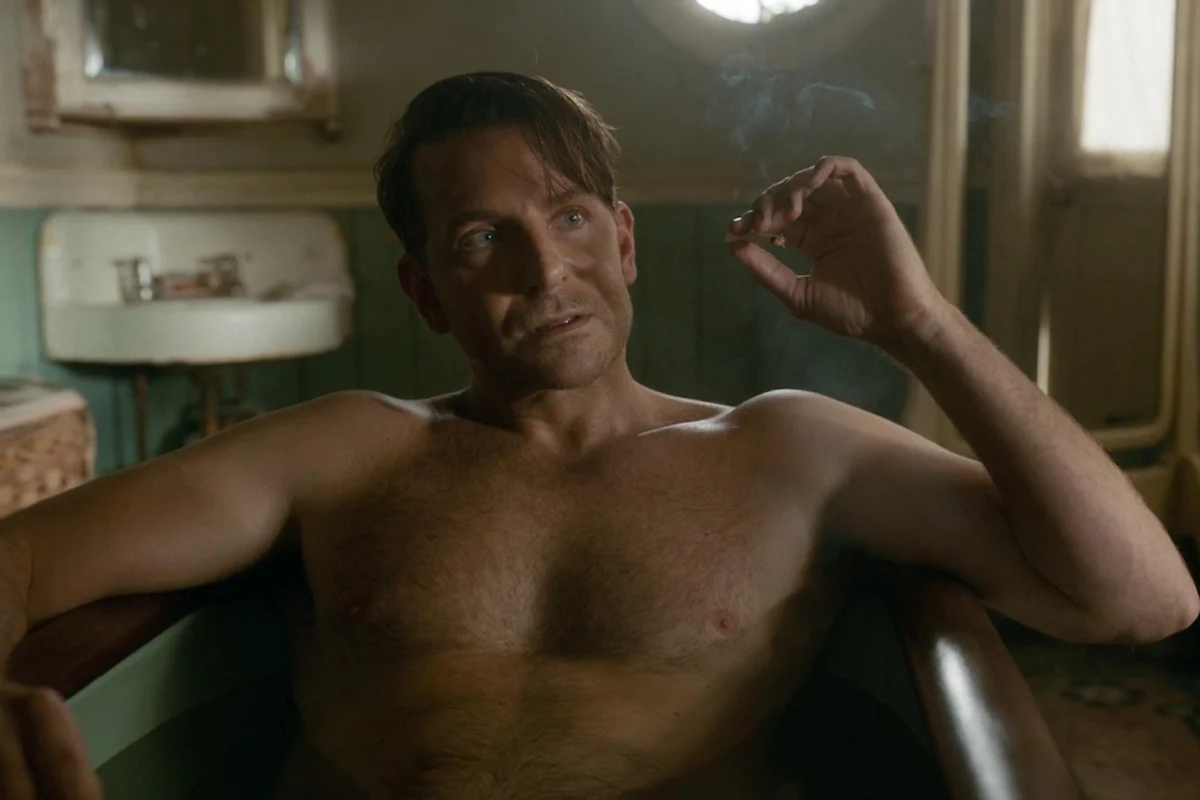
However, the debate was reignited recently when Morrison, having finally screened the series’ premiere, took to his personal blog to offer a candid critique. Morrison’s review was not a total condemnation; he offered distinct praise for the cast, noting that Kyle Chandler delivers a performance reminiscent of the iconic "Doctor McCoy" archetype, and commending Aaron Pierre for his portrayal of a "quiet and uptight" John Stewart.
Despite these accolades, Morrison’s central thesis remains a stinging rebuke of the show’s aesthetic philosophy: “Otherwise on this outing, way too much tell, not enough show, and those comparisons to True Detective, invoking season 1 of that show, only worked against Lanterns.”
Supporting Data: The "Budgetary" Question
At the heart of Morrison’s critique lies a fundamental question about the identity of the Green Lantern franchise. Morrison writes, “The lack of costumes and ring effects was glaring but easily explained by budgetary constraints and a desire to create some distance between this and the unsuccessful Ryan Reynolds Green Lantern film.”
This brings up a pertinent point regarding the economics of modern streaming. While Lanterns is a high-budget endeavor by television standards, it is still subject to the limitations of episodic production. Morrison argues that these limitations force the creators to make "low-fi" choices that contradict the fundamental promise of a Green Lantern property.
“Why try to make a Green Lantern show on a budget at all?” Morrison questions. “DC has a ton of ‘ground-level’ heroes, or characters with low-level gimmick powers to choose from, so why take this low-fi route with a franchise that should be competing with Star Trek or Star Wars?”
This critique touches on the "Brand New Day" philosophy seen in other franchises—a desire to scale back to the basics. While supporters argue this creates intimacy, skeptics like Morrison posit that it is a misallocation of intellectual property. If the goal is a gritty detective story, why attach it to a franchise whose primary draw is cosmic wonder?
The DCU and the James Gunn Era
The implications of Lanterns go far beyond a single show’s success or failure; it represents a litmus test for the James Gunn-led DC Studios. As DC attempts to build a cohesive cinematic universe, the question of "tonal consistency" is paramount.
If Lanterns becomes the definitive template for how the studio handles its major properties, we may see a future where the grander, more bombastic aspects of DC lore are sacrificed on the altar of "prestige television" realism. For fans of the cosmic side of DC, this is a genuine concern. There is a fear that the "sci-fi" elements of the character—the Guardians of the Universe, the Oan citadel, the vast spectrum of the Corps—will be perpetually sidelined in favor of terrestrial procedural drama.
However, it is vital to remember that we are only two episodes into the series. Producers have hinted that the narrative scope is designed to expand, with the show gradually pivoting toward its more traditional, cosmic roots as the mystery deepens. Whether this is a genuine narrative arc or a marketing promise meant to appease the critics remains to be seen.
Official Responses and Implications
While there has been no direct "official" rebuttal from the HBO showrunners to Morrison’s latest blog post, the industry discourse surrounding the series highlights a growing divide between creators and critics.
In the modern landscape, "prestige" has become a buzzword that often equates to a lack of color, a lack of overt "comic book" visuals, and a reliance on dialogue-heavy exposition. Critics of this trend argue that by apologizing for the inherent "silliness" of comic books, studios are stripping away the very joy that makes these stories enduring. Conversely, proponents argue that without this grounding, the stories lack the emotional stakes required to capture a mainstream audience.
The success of Lanterns suggests that, at least for now, the audience is hungry for this grounded approach. Ratings and social media engagement metrics indicate that the show is successfully drawing in viewers who might otherwise ignore a superhero show. But for legends like Morrison, the cost of that success is the loss of the franchise’s soul.
Looking Forward: A Balanced Future?
As the season progresses, the true test for Lanterns will be its ability to balance its dual identities. Can it maintain the high-stakes, character-driven mystery of a True Detective while eventually embracing the massive, awe-inspiring scope of the Green Lantern Corps?
If the show fails to make this transition, it risks alienating the core fanbase that has supported the character for decades. If it succeeds, it could serve as a blueprint for how to bridge the gap between "high-brow" television and the vibrant, imagination-fueled world of comic books.
Ultimately, the debate sparked by Grant Morrison serves as a healthy reminder that these characters belong to more than just the studio; they belong to the audience and the creators who have shaped them over generations. Whether Lanterns is a bold reinvention or a missed opportunity remains a subject of intense debate. What is clear, however, is that DC’s willingness to experiment with the tone of its iconic heroes is a double-edged sword. As we look to the horizon of the new DCU, we can expect this tension between "grounded realism" and "cosmic wonder" to define the conversation for years to come.
The journey of Hal Jordan and John Stewart has only just begun. Whether they eventually ascend to the stars or remain tethered to the cold, hard pavement of Earth is the central question that will keep fans watching, debating, and, most importantly, looking up.