

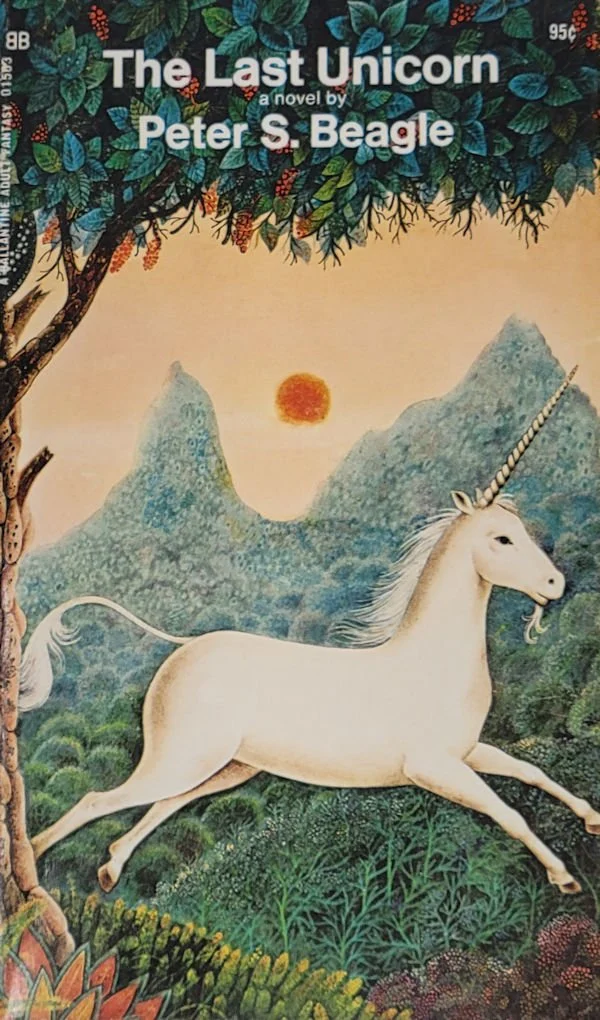
In the vast landscape of 20th-century fantasy literature, few works possess the enduring, luminous quality of Peter S. Beagle’s The Last Unicorn. While often relegated to the "fairytale" shelf of libraries and bookstores, the novel—first published in 1968—serves as a sophisticated, philosophical meditation on the human condition. It is a story that defies the boundaries of genre, transcending the whimsical tropes of unicorns and magic to confront the reader with the stark, often painful realities of time, regret, and the pursuit of meaning.
The Genesis of a Classic: A Literary Chronology
The journey of The Last Unicorn began in the late 1960s, a period defined by the burgeoning popularity of high fantasy, though Beagle’s contribution was distinctly different from the heroic epic traditions of his contemporaries. Unlike the sprawling world-building of J.R.R. Tolkien, Beagle’s narrative is intimate, focused, and deeply melancholic.
The novel follows an immortal unicorn who, upon hearing that she may be the last of her kind, ventures out of her protected lilac wood to discover the fate of her kin. She is joined by Schmendrick, a magician whose ineptitude is as vast as his ambition, and Molly Grue, a woman burdened by the weight of wasted years. Their quest leads them to the court of King Haggard, a man whose obsession with possession has drained the color from his kingdom.
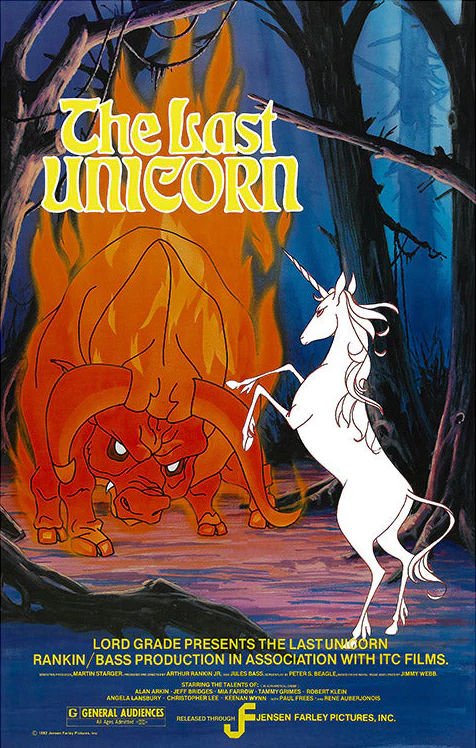
Since its publication, the novel has undergone several critical re-evaluations. While it garnered immediate acclaim for its lyrical prose, it has since been elevated to a canonical status within speculative fiction. Its adaptation into a 1982 animated feature film solidified its place in pop culture, though, as many readers discover, the book offers a layer of psychological depth that the screen medium can only partially capture.
Supporting Themes: The Anatomy of Mortality
At the core of The Last Unicorn lies a binary opposition: the immortal versus the mortal. Beagle uses the unicorn—a creature of pure, eternal essence—to mirror the frailty of humanity.
The Schmendrick Paradox: Futility in Stasis
Schmendrick the Magician serves as the reader’s proxy for the struggle of the unfulfilled life. He possesses infinite potential yet remains trapped in a cycle of "eternal inefficiency." His curse—or perhaps his reality—is a reflection of the modern condition: having all the time in the world, yet failing to align one’s internal power with one’s external purpose. As the narrative observes, Schmendrick is a man who knows the shape of magic but lacks the heart to command it, representing the paralyzing fear of self-actualization.
The Molly Grue Reality: The Grief of Time
If Schmendrick represents the fear of potential, Molly Grue represents the trauma of lost time. Her introduction—where she confronts the unicorn with the raw, jagged anger of a woman who feels her life has passed her by—is one of the most honest depictions of middle-aged despair in fantasy literature. Her cry, "Where were you twenty years ago?" is not just a question posed to a mythical creature; it is an accusation leveled at the universe. It addresses the universal fear that by the time we find our "unicorn"—our true goal or happiness—we have already been eroded by the passage of time.
King Haggard and the Pathology of Possession
To understand the moral landscape of the novel, one must look to the dichotomy between King Haggard and his adopted son, Prince Lír. Haggard stands as a cautionary tale of the consumerist spirit. He captures the unicorns not because he loves them, but because he wishes to own them. In doing so, he destroys the very beauty he sought to possess. His castle is a hollow shell, and his heart is a vacuum.
Conversely, Prince Lír exemplifies the transformative power of selfless love. Through his devotion to Lady Amalthea (the unicorn in human form), he learns that true power is not found in acquisition, but in service. The contrast is stark: Haggard dies in the wreckage of his own possessiveness, while Lír is remembered for the grace with which he engaged with the world.
Implications: Why We Still Read
The enduring relevance of The Last Unicorn stems from its refusal to offer easy answers. Beagle does not suggest that life is simple or that happiness is a guarantee. Instead, he posits that the beauty of life is inextricably linked to its mortality.
The Beauty of the Finite
The book’s central thesis—that "whatever can die is beautiful"—is a radical departure from the standard fantasy ideal of immortality. By forcing the unicorn to experience the death of her human form, Beagle grants her the capacity to truly understand the world. She learns that the very fact that we are temporary is what makes our experiences, our relationships, and our triumphs meaningful.
A Masterclass in Stylistic Duality
Beyond the philosophy, the book serves as a masterclass in prose. Beagle effortlessly toggles between high-lyrical descriptions of nature and dry, cynical wit. This duality keeps the story grounded. When a cat tells the protagonist that it won’t give a straight answer because "I be a cat," the reader is reminded that even in a world of profound truth, there is room for the mundane, the strange, and the irreverent.
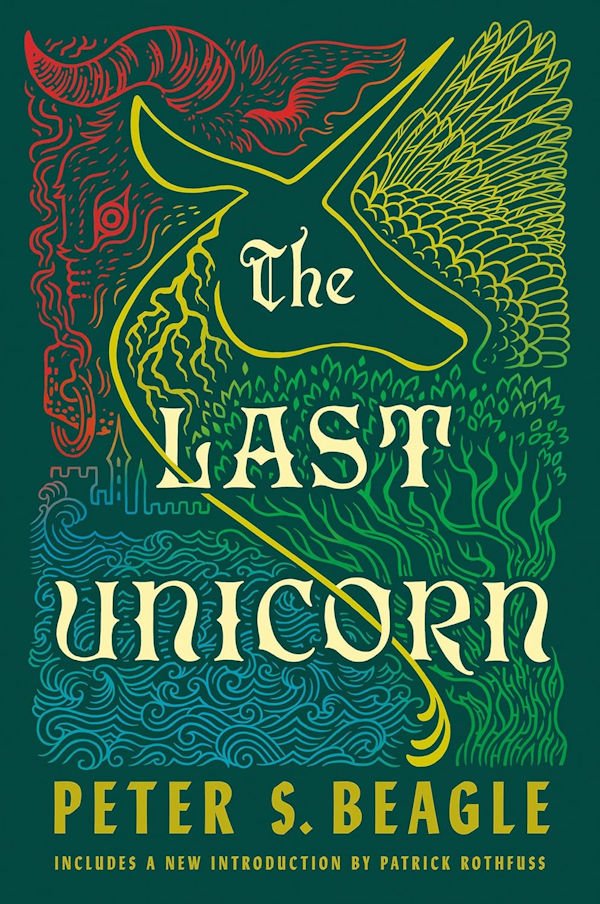
Conclusion: An Invitation to Re-read
To read The Last Unicorn is to engage in a conversation with one’s own sense of time and purpose. It is a work that changes as the reader changes. As a child, one might see a story about a magical quest. As an adult, one sees a story about the sorrow of aging, the danger of obsession, and the quiet, persistent necessity of hope.
Whether one is a devotee of high fantasy or a casual reader of contemporary fiction, the novel demands attention. It is a rare work of art that acknowledges the "yellowing heart" of the human experience while simultaneously celebrating the possibility of renewal. In the end, Beagle’s masterpiece reminds us that while our time is short, the act of seeking—of moving forward in the face of our own limitations—is the most heroic act of all.
The Last Unicorn remains, decades after its inception, a vital text. It is a mirror held up to our own mortality, reflecting not just the shadows of what we fear, but the brilliance of what we are capable of becoming before our own story reaches its final page.











No comments yet. Be the first to join the conversation!