Muslim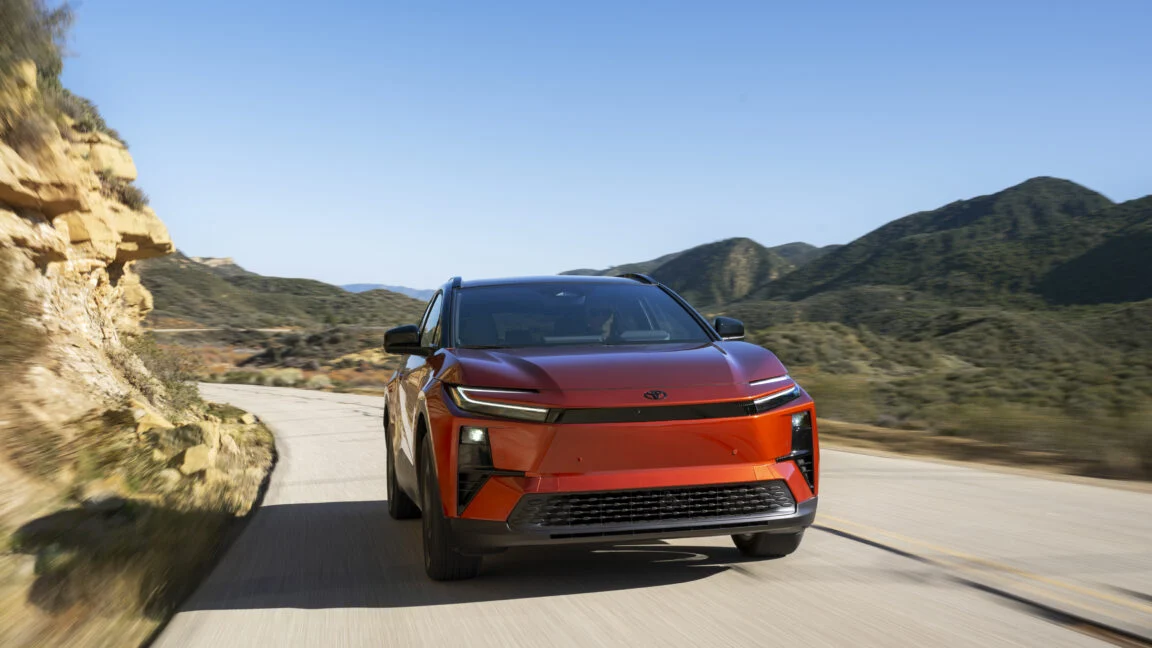
After a measured, arguably cautious entry into the global electric vehicle (EV) race, Toyota has spent the last eighteen months pivoting with significant momentum. Following the lukewarm reception of the original bZ4x, the company has undergone a period of intense refinement. Through updated battery chemistry, improved motor efficiency, and the integration of the North American Charging Standard (NACS), Toyota has transformed its EV portfolio from an "also-ran" into a genuinely competitive force.
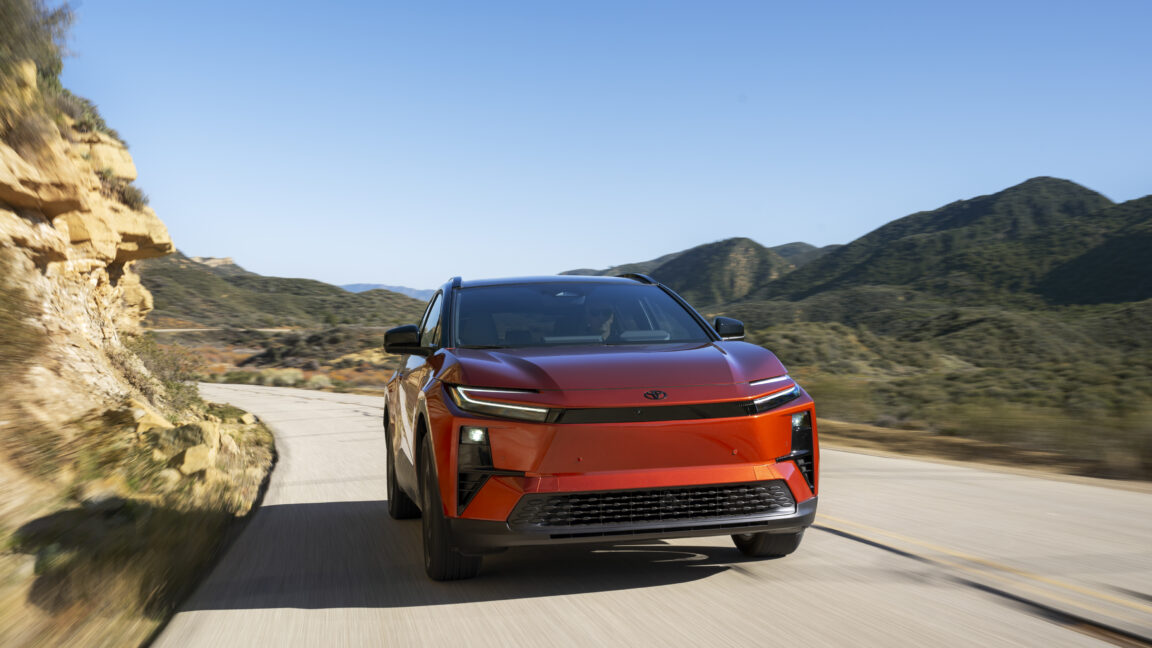
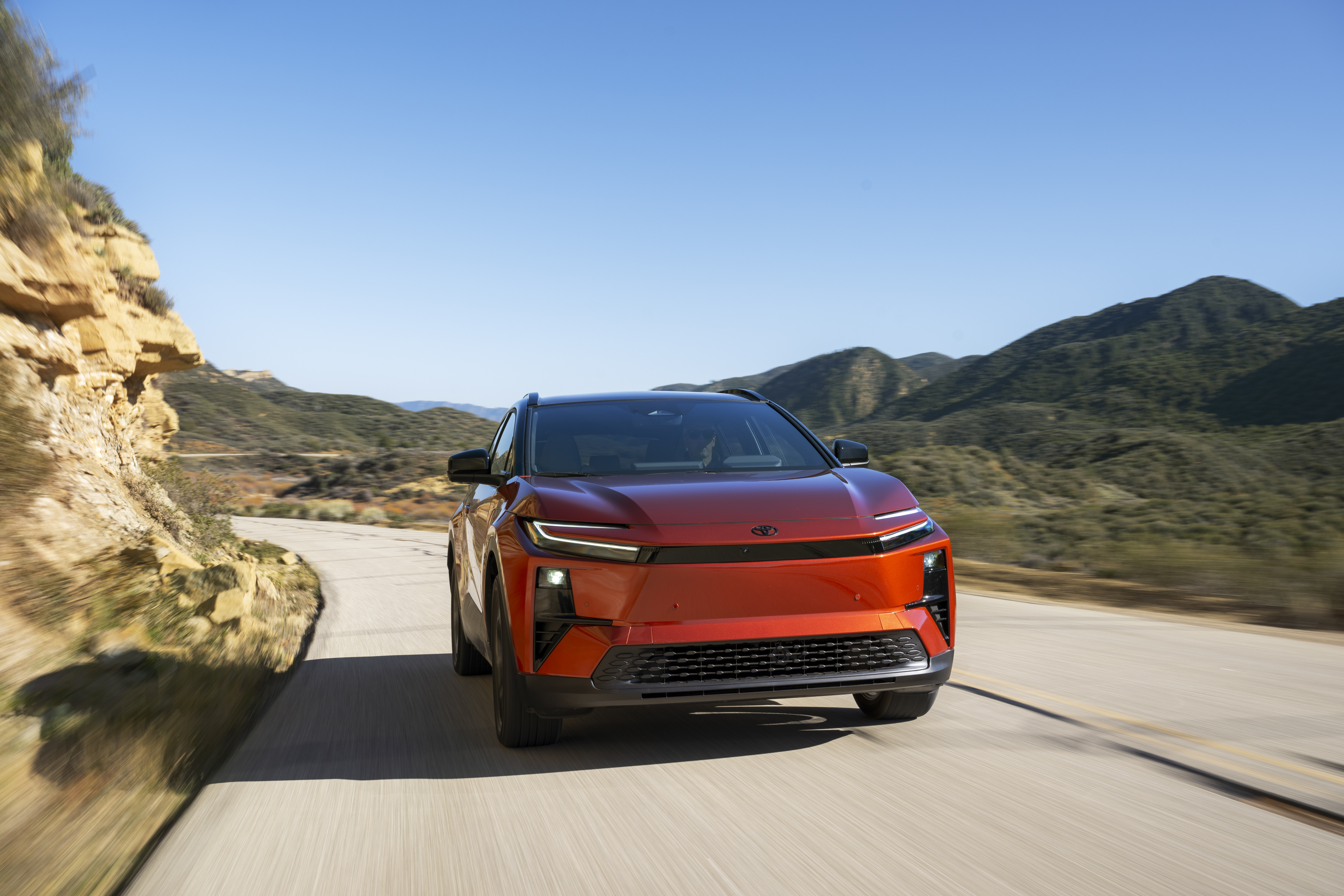
While recent releases like the bZ Woodland and the upcoming all-electric Highlander have signaled a move toward practicality and nostalgia, the 2026 Toyota C-HR represents a different philosophy entirely. It is a vehicle that prioritizes aesthetic bravado over utility, marking a sharp departure from the "stolid" engineering that has long defined the Toyota brand.
Main Facts: Defining the C-HR
The 2026 C-HR occupies a unique, somewhat polarizing position within Toyota’s electrified lineup. It is positioned as the most diminutive member of the family, measuring approximately 6.7 inches (170 mm) shorter than the bZ4x. Despite its reduced length, it retains a wide stance and a comparable height, creating a silhouette that is distinctively compact.
Under the skin, the C-HR is not a budget-minded entry-level vehicle. It arrives exclusively with a high-performance twin-motor all-wheel-drive (AWD) powertrain. This system generates a combined 338 hp (252 kW), utilizing a 74.7 kWh battery pack. The front motor delivers 223 hp (167 kW) and 198 lb-ft (268 Nm) of torque, while the rear motor provides an additional 118 hp (88 kW) and 125 lb-ft (169 Nm).
Starting at approximately $37,000, the C-HR effectively offers the same powertrain as the bZ4x for nearly $3,000 less, though this price advantage is tempered by the reduction in cargo space and cabin volume. It is, by all accounts, a "frivolous" vehicle—a design-forward crossover that aims to capture a younger, urban demographic that values style as much as sustainable mobility.
Chronology of Development
Toyota’s path to the 2026 C-HR was paved by the lessons learned from the bZ4x’s rocky initial launch.
- Early 2025: Toyota announces a massive overhaul of its EV platform, focusing on weight reduction and thermal management for battery packs.
- February 2026: The public debut of the "Most Improved" bZ4x series, which gained significant critical acclaim for its revised powertrain and NACS integration.
- Spring 2026: Introduction of the bZ Woodland, a nod to the station wagon enthusiast, and the initial teaser campaigns for the C-HR.
- June 2026: The official market launch of the 2026 C-HR. During a week-long test period in the Washington, D.C. area, the vehicle underwent real-world stress testing in extreme heat and humidity, revealing both its mechanical prowess and its minor, software-related frustrations.
Supporting Data: Performance and Real-World Metrics
The C-HR is a vehicle of contrasts. On the road, it is undeniably "frenetic." Even in Eco mode, the vehicle displays a level of pep that feels tuned for agility. In Normal mode, the throttle response is perhaps overly eager, providing a sense of urgency that matches its aggressive styling.
Acceleration and Handling
Toyota claims a 0–60 mph (97 km/h) time of 4.9 seconds, a figure that places it firmly in the "sporty" category for its class. While the front-biased power delivery and steering feedback are not as communicative as one might hope for a dedicated performance vehicle, it offers a level of engagement rarely found in the subcompact SUV segment.
Range and Charging
The EPA-estimated range is 273 miles (439 km) for models equipped with 20-inch wheels. Those opting for the SE trim with 18-inch wheels can expect an additional 14 miles (23 km) of range. However, real-world testing suggests that extreme environmental conditions—specifically high temperatures—can significantly impact these numbers. During the test week, the vehicle reported an efficiency of 3.8 miles/kWh (16.4 kWh/100 km).
Charging is facilitated by the native NACS port, which supports peak charging speeds of 150 kW. This grants owners access to the extensive Tesla Supercharger network. A standard 10–80% DC fast charge takes approximately 30 minutes. However, users should be aware of a practical design quirk: the charging port’s placement behind the front wheel arch can occasionally make it difficult for shorter, older Tesla Supercharger cables to reach, necessitating precise parking.
Official Responses and User Experience
While Toyota has succeeded in the mechanical and aesthetic arenas, some of the user interface (UI) decisions remain points of contention. The interior is a mirror image of the bZ series, featuring the same multifunction steering wheel and a responsive, if uninspired, 14-inch touchscreen infotainment system.
The "Amnesia" Factor
One recurring criticism from early testers involves the vehicle’s "memory" settings. The C-HR, like many of its Toyota counterparts, fails to remember the Auto Hold function upon ignition. More frustratingly, in hot weather, the climate control system does not default to the last used setting, often leaving the air conditioning off upon startup. While this may be an attempt to optimize battery efficiency, for the consumer, it represents a lack of intuitive convenience.
Comfort and Cabin Utility
The reduction in wheelbase—nearly 4 inches (200 mm) shorter than the bZ4x—is immediately apparent in the rear cabin. While the space is not cramped, it lacks a "palatial" feel. The C-pillar placement can make the rear quarters feel dark, particularly if the vehicle is not equipped with the optional panoramic glass roof. Notably, rear-seat passengers are limited to a single 15W USB-C port, a significant downgrade from the dual 60W ports found in the front.
Implications for the EV Market
The 2026 Toyota C-HR occupies a critical niche. It proves that Toyota is no longer content to simply participate in the EV market; they are now segmenting their offerings to cater to specific lifestyle choices.
By prioritizing bold design and sporty dynamics over the utilitarian focus of the bZ series, the C-HR is a clear signal that Toyota is aiming to compete with brands like Hyundai, Kia, and Mini for the hearts of younger, design-conscious buyers.

However, the vehicle also highlights a maturing challenge for the industry: as manufacturers move from "getting it right" to "making it interesting," the small, daily frustrations—such as climate control defaults and interior port placement—will become the new battleground for customer loyalty.
For the prospective buyer, the 2026 C-HR is a compelling choice if they are willing to trade the cargo capacity and rear-seat comfort of a standard crossover for a faster, more aggressive driving experience. It is a bold, if slightly imperfect, addition to the Toyota stable, and one that suggests the brand is finally having some fun with its electric transition. As Toyota continues to refine its software and interior ergonomics, the C-HR stands as a testament to a company that has rediscovered its capacity for innovation.


 Evan Lee Salim
 Suro Senen