

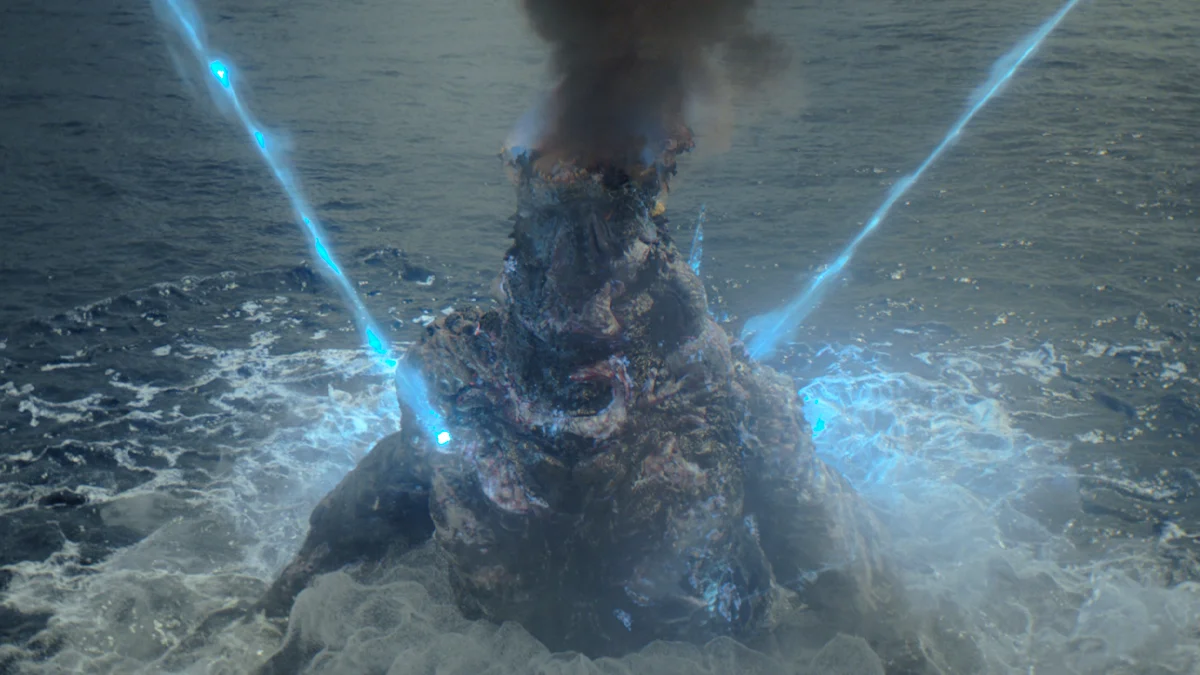
In a profound dialogue concerning the trajectory of Japan’s global cultural standing, two of the nation’s most influential directors—Hideaki Anno, the visionary behind Neon Genesis Evangelion, and Takashi Yamazaki, the Academy Award-winning director of Godzilla Minus One—have identified a systemic failure within the domestic entertainment industry. Speaking with Forbes Japan, the duo argued that while the world consumes more Japanese media than ever, the industry is neglecting the very demographic required to sustain its future: children.
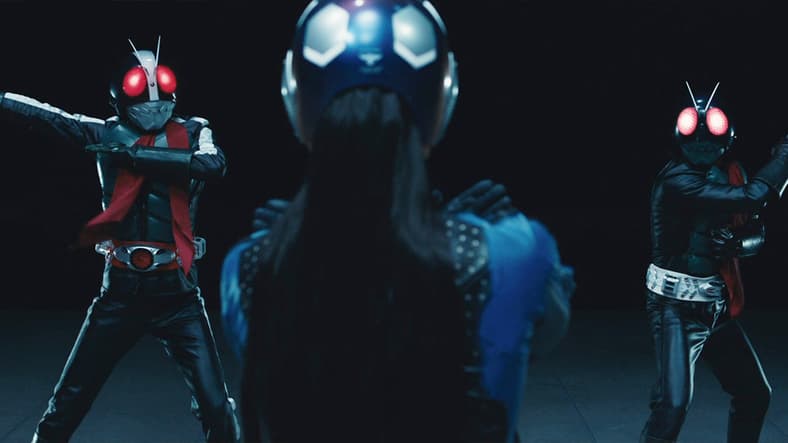
Anno, whose "Shin" film series (Shin Godzilla, Shin Ultraman, and Shin Kamen Rider) has revitalized classic Japanese icons for modern audiences, warned that the current lack of high-quality, kid-specific programming in both animation and live-action (tokusatsu) threatens the long-term viability of the country’s creative output. This critique comes at a pivotal moment as the Japanese government aggressively pursues its "Cool Japan" initiative, aiming to turn pop culture into a primary economic engine.

Main Facts: A Diagnosis of Cultural Decay
The core of Hideaki Anno’s argument rests on the observation that the Japanese entertainment landscape has become increasingly geared toward an aging fan base, effectively "orphaning" the younger generation. According to Anno, the "sensibilities" of creators are formed in childhood, and without a robust ecosystem of children’s programming, the pipeline for future talent and domestic audiences is at risk of drying up.
The Vanishing "Prime Time" for Kids
Anno noted a stark contrast between the current media environment and the one he experienced growing up in the 1960s and 70s. During the golden age of tokusatsu and early anime, Japanese television was saturated with programs designed to inspire wonder and scientific curiosity in children. Today, however, these slots have been largely replaced by low-cost variety shows and content aimed at adults or "otaku" (hardcore fans) who have high disposable income.

The Structural Fragility of the Industry
Director Takashi Yamazaki supported Anno’s concerns by highlighting the "tent pole" nature of the Japanese film industry. Most domestic productions operate at a deficit, with the entire ecosystem relying on a handful of massive "gambles" or hits to stay afloat. This financial instability makes it difficult for studios to invest in educational or child-centric content that may not offer the immediate, aggressive returns of adult-oriented franchises.
Chronology: From Post-War Soft Power to the "Cool Japan" Era
To understand the weight of these critiques, it is necessary to examine the evolution of Japan’s media influence over the last eight decades.
1. The Post-War Transformation (1945–1960s)
Takashi Yamazaki recalled a historical shift in perception during the post-war era. Following World War II, the Japanese public held a deeply antagonistic view of the United States and Great Britain, often using the derogatory term kichiku bei-ei ("brutal/devilish Americans and British"). However, the importation of American domestic dramas, such as Father Knows Best, began to humanize the former enemy. This was an early, unintentional masterclass in "soft power," where entertainment bridged cultural animosities.
2. The Golden Age of Domestic Content (1970s–1990s)
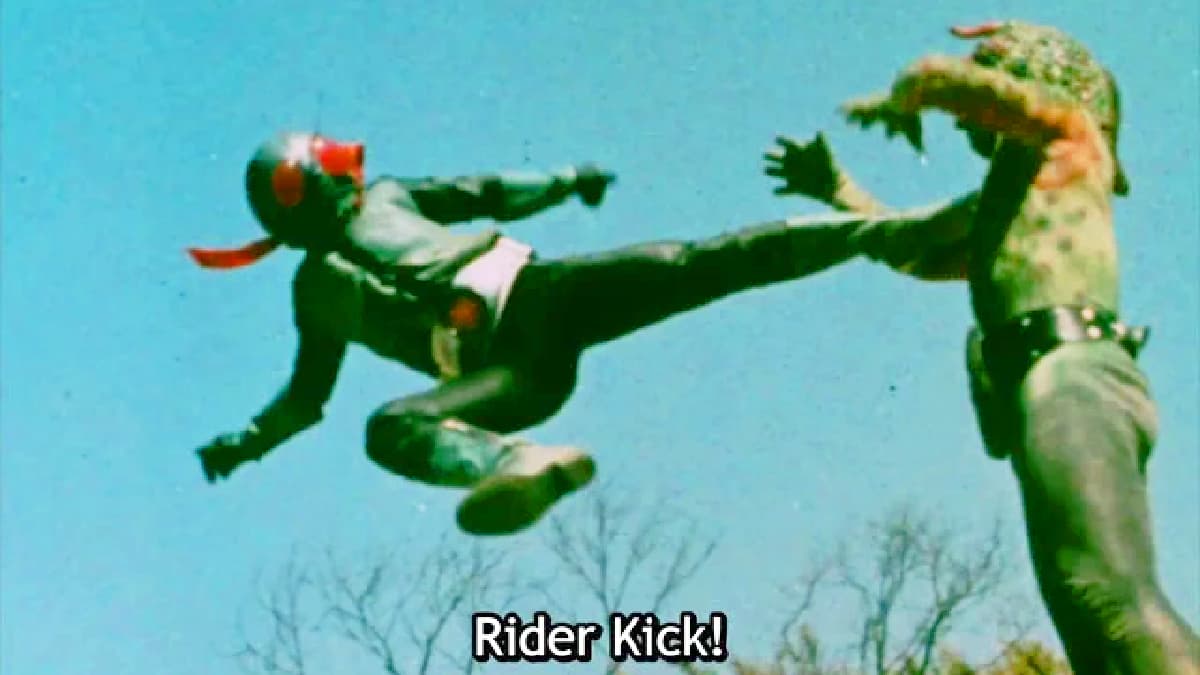
This period saw the rise of the very genres Anno now seeks to preserve. Shows like Kamen Rider, Ultraman, and Mobile Suit Gundam were not merely toys-sales vehicles; they were sophisticated narratives that grappled with morality, technology, and heroism, specifically tailored for a youth audience. This era produced the creators who would later lead the global anime explosion of the late 90s.

3. The Digital Shift and the Rise of the K-Wave (2000s–Present)
As Japan’s birthrate began to decline, the entertainment industry pivoted toward safer, established IPs and niche adult markets. Simultaneously, South Korea launched a state-backed cultural offensive, with the "Korean Wave" (Hallyu) successfully replicating and often exceeding Japan’s reach in music and television. Yamazaki pointed to Korea’s success as proof that content is a "powerful weapon" for national power, one that the Japanese government is only now beginning to fully appreciate.
Supporting Data: The Economic Stakes of "Cool Japan"
The urgency of Anno and Yamazaki’s critique is underscored by the massive financial goals set by the Japanese state.

- The 2033 Goal: The Japanese government has announced an ambitious target to triple overseas media sales. In 2024, the sector reached a record $38 billion USD (approximately ¥5.7 trillion JPY). The government aims to push this to ¥20 trillion JPY ($131.4 billion USD) by 2033.
- Export Value: Anno highlighted that media exports are now being discussed in the same breath as heavy industry. In recent years, the export value of Japanese content (anime, games, and manga) has rivaled or exceeded traditional exports like steel.
- The Birthrate Crisis: The decline in children’s programming is intrinsically linked to Japan’s demographic crisis. With the birthrate hitting record lows annually, advertisers have shifted focus away from the youth market, creating a feedback loop where fewer children’s shows lead to less cultural engagement among the youth who do remain.
Official Responses and State Intervention
While the Japanese government has expressed a desire to support the "Cool Japan" initiative, Anno and Yamazaki argue that the current approach is too focused on the "money" and not enough on the "machinery" of production.
The Call for National Archives
Anno was particularly vocal about the lack of historical stewardship within the industry. He noted that while universities have begun to study anime and tokusatsu as serious history, the state has yet to provide a comprehensive, centralized archive for physical materials—such as cels, scripts, and props. "Local governments or a single animation company have their limits," Anno stated, calling for a national effort to preserve production outputs to inspire the next generation of creators.
Tax Credits and Labor Reform
A significant portion of the discussion centered on the "production floor." Anno described the current environment as "extremely tight," with high taxes and the collapse of the traditional apprentice system making it nearly impossible to train new talent. He suggested that if the government wants to reach its $131 billion goal, it must provide tax credits and financial support to rebuild the human resource infrastructure of the industry.
Implications: The Risk of a "Cultural Sunset"
The warnings issued by Anno and Yamazaki carry heavy implications for the future of Japanese soft power and the global entertainment market.
1. The Innovation Gap
If children are not exposed to high-quality, imaginative content during their formative years, the "discovery" phase of creativity—where a child thinks, "I want to make something like this too"—is lost. This could lead to a future where Japanese media becomes derivative, relying on old formulas because the next generation of "visionaries" was never inspired to think outside the box.
2. Global Competitiveness
Japan no longer holds a monopoly on high-quality animation or stylized live-action. With China and South Korea investing heavily in youth-oriented content and digital platforms, Japan’s failure to nurture its domestic youth market could result in a loss of global market share. As Yamazaki noted, when people like a country’s content, they come to like the country and its products. If the content pipeline fails, the entire "Cool Japan" economic brand is at risk.

3. The "Tent Pole" Collapse
The industry’s reliance on "gambling" on major hits is unsustainable in a high-tax, high-cost environment. Without structural reform—including the tax credits and apprentice systems Anno mentioned—the industry may see a "brain drain" where the most talented creators move to foreign studios (such as those in the U.S. or China) that offer better financial stability and archival support.
4. Cultural Identity and Expression
The discussion touched upon a deeper, more existential concern: the preservation of Japanese identity. If the industry becomes entirely focused on what sells overseas to adults, the unique, domestic "sensibilities" that made anime and tokusatsu a global phenomenon in the first place may be diluted. Anno’s insistence on focusing on the domestic audience first is a plea for authenticity over corporate homogenization.

Conclusion
The dialogue between Hideaki Anno and Takashi Yamazaki serves as a sobering reminder that economic success does not always equate to cultural health. While the "Cool Japan" initiative seeks to capitalize on the global popularity of anime and film, the creators behind these works are signaling that the foundation is cracked. To ensure that Japan remains a global creative powerhouse in 2033 and beyond, the nation must look backward to preserve its history and downward to inspire its children. Without a dedicated effort to archive the past and engage the youth of the present, the "Shin" era of Japanese cinema may be remembered not as a rebirth, but as a final, brilliant flash before a long cultural twilight.










No comments yet. Be the first to join the conversation!