Lina Irawan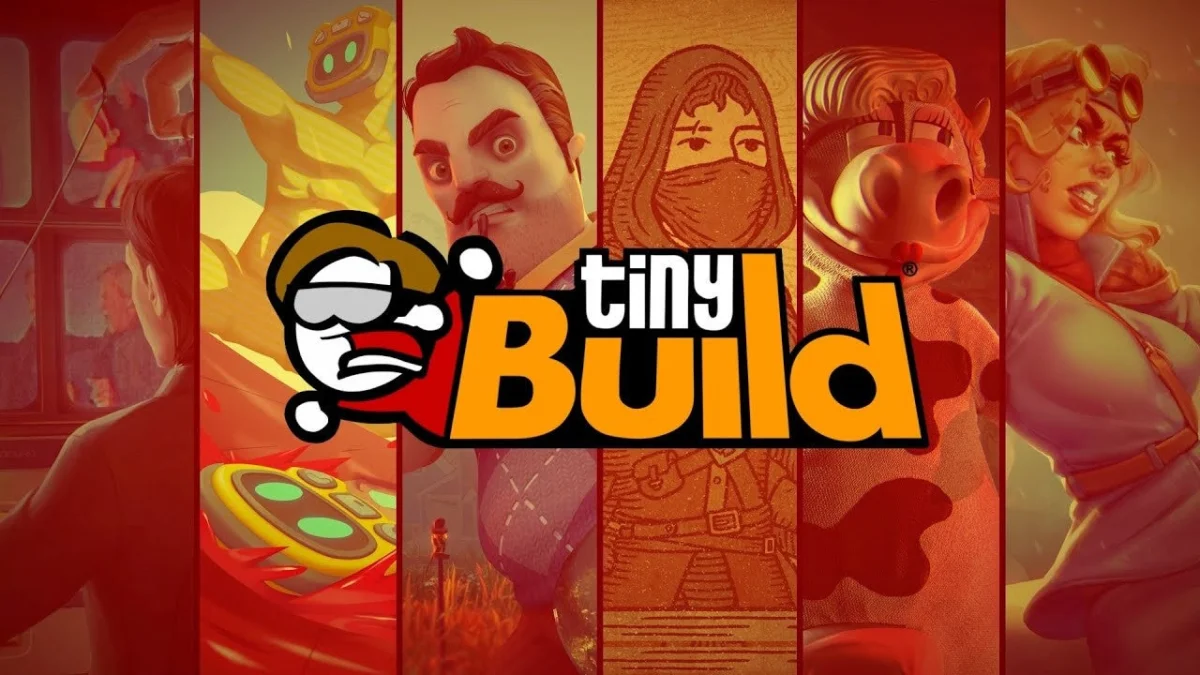
In a move that signals renewed investor confidence in the mid-market gaming sector, venture capital giant Griffin Gaming Partners has officially acquired a 3.24% equity stake in TinyBuild, the renowned developer and publisher of indie-focused gaming hits. The investment, which was disclosed earlier today, underscores a growing trend of institutional capital flowing toward companies that prioritize "owned intellectual property" (IP) and long-term franchise sustainability.
The news has already triggered a positive market reaction, with TinyBuild’s share price climbing by 5% in intraday trading. This infusion of capital comes at a pivotal moment for the company, which has been aggressively pivoting toward a strategy of high-value IP development rather than simple volume-based publishing.
The Core Facts: A Strategic Partnership
The transaction solidifies a partnership between one of the most prominent specialized gaming investment firms and a publisher that has established itself as a cornerstone of the indie ecosystem. Griffin Gaming Partners, known for its deep-seated expertise in interactive media, cited TinyBuild’s unique ability to cultivate "sustainable franchises with global reach" as the primary driver for their stake.
By acquiring 3.24% of the firm, Griffin Gaming Partners does more than just inject liquidity into TinyBuild’s coffers; it provides the company with a strategic partner that understands the nuances of the gaming lifecycle—from early development and monetization to long-tail community management.
Chronology: From Humble Beginnings to Global Player
To understand the significance of this investment, one must look at TinyBuild’s trajectory over the last decade and a half.
- 2011: Founded by Alex Nichiporchik, TinyBuild emerged during the early gold rush of the indie gaming boom. Initially focused on smaller titles, the company quickly gained a reputation for its scrappy, grassroots approach to publishing.
- The "Golden Era" of IP: Throughout the mid-2010s, TinyBuild broke through the noise with titles like SpeedRunners and Party Hard. These games weren’t just hits; they were platforms for streaming, which became a vital part of the company’s growth strategy.
- The Hello Neighbor Phenomenon: The massive success of the Hello Neighbor franchise transformed TinyBuild from a boutique indie outfit into a multi-platform publisher with significant brand recognition. The IP spawned sequels, merchandise, and even spin-off media, proving that the company could manage a "transmedia" property.
- 2021-2023: Public Markets and Consolidation: Like many in the sector, TinyBuild navigated the complexities of public markets, facing the post-pandemic market correction that impacted gaming stocks globally.
- 2024-2025: The Pivot to Quality: Recent years have seen the company refine its focus. Moving away from the "spray and pray" publishing model, TinyBuild has doubled down on high-retention titles, exemplified by recent successes like The King is Watching and Sand: Raiders of Sophie.
Supporting Data: Why Investors Are Interested
The investment by Griffin Gaming Partners is not merely a vote of confidence; it is based on clear, quantifiable metrics of success that differentiate TinyBuild from its peers.
The Power of Owned IP
Unlike publishers that rely on third-party licenses or service-based contracts, TinyBuild owns the lion’s share of its library. This control allows for better long-term monetization. When a title like Hello Neighbor succeeds, the company retains the rights to sequels, DLCs, and brand extensions, creating a perpetual revenue stream that third-party publishers often lose.
Market Penetration and Regional Strategy
A significant factor in recent investor interest is TinyBuild’s sophisticated approach to regional markets, particularly China. The company’s recent hit, The King is Watching, has sold over 500,000 units. A core contributor to this success was the company’s ability to pivot its marketing and technical strategy to align with Steam’s regional ecosystem changes. This ability to adapt to platform-level shifts is a key indicator of organizational maturity.
Velocity of Recent Releases
The market is also reacting to the rapid success of their latest title, Sand: Raiders of Sophie. Reaching over 150,000 sales in just five days of availability highlights a robust marketing funnel and an audience that is primed for TinyBuild’s specific brand of gameplay—often characterized by high-replayability roguelite elements and accessible, yet deep, mechanics.
Official Responses: Aligning Visions
Both parties have expressed strong alignment regarding the future of the company.
Frankie Zhu, Partner at Griffin Gaming Partners:
"The indie gaming space remains one of the most compelling areas of the industry, continuing to produce some of gaming’s most enduring franchises. TinyBuild has assembled a differentiated portfolio of IP with significant long-term potential, and we are excited to become shareholders and participate in the company’s next chapter."
Alex Nichiporchik, CEO and Co-Founder of TinyBuild:
"We are pleased to welcome Griffin Gaming Partners as a shareholder. As a specialist investor in the games sector, Griffin brings a strong understanding of the industry, and their investment reflects confidence in TinyBuild’s strategy, own-IP focus, diversified portfolio, and long-term growth opportunities."
Implications for the Industry
This investment carries several broader implications for the video game industry at large.
1. The Rise of "Specialist" Capital
The entry of firms like Griffin Gaming Partners suggests that the "easy money" era of generalist venture capital is fading. Gaming is a notoriously difficult asset class to value, and investors are increasingly seeking partners who understand the specific cycles of Steam, console lifecycle management, and the volatility of the influencer-led marketing economy.
2. The Mid-Market Renaissance
For years, the industry narrative was dominated by either "AAA" blockbusters or "micro-indie" projects. TinyBuild’s success with mid-sized, high-conversion titles suggests a "middle class" of gaming is emerging. This segment provides a more stable risk-to-reward ratio than the multi-hundred-million-dollar bets of major studios, yet offers more scalability than a one-person indie project.
3. Resilience Through Adaptability
The mention of The King is Watching and its success in China underscores that modern game publishing is as much about data science and platform engineering as it is about "creative vision." TinyBuild’s willingness to re-tool its offerings based on back-end data from platforms like Steam is a blueprint that other publishers will likely look to emulate.
Conclusion: A New Chapter
As TinyBuild moves into the next phase of its growth, the presence of a heavyweight like Griffin Gaming Partners provides both a cushion and a catalyst. While the gaming market remains volatile, the company’s focus on sustainable, owned IP—coupled with a proven ability to convert niche genres into mainstream hits—suggests that TinyBuild is well-positioned for the coming years.
The 3.24% stake is, in all likelihood, the beginning of a deeper strategic integration. As the industry continues to consolidate and evolve, the marriage of creative indie agility with institutional financial discipline may well be the defining formula for success in the 2025 gaming landscape. Investors and players alike will be watching closely to see which franchise TinyBuild chooses to elevate next, and how Griffin Gaming Partners’ influence will shape the company’s ambitious roadmap.

 Dwi Wanna
 Sagoh
Sagoh