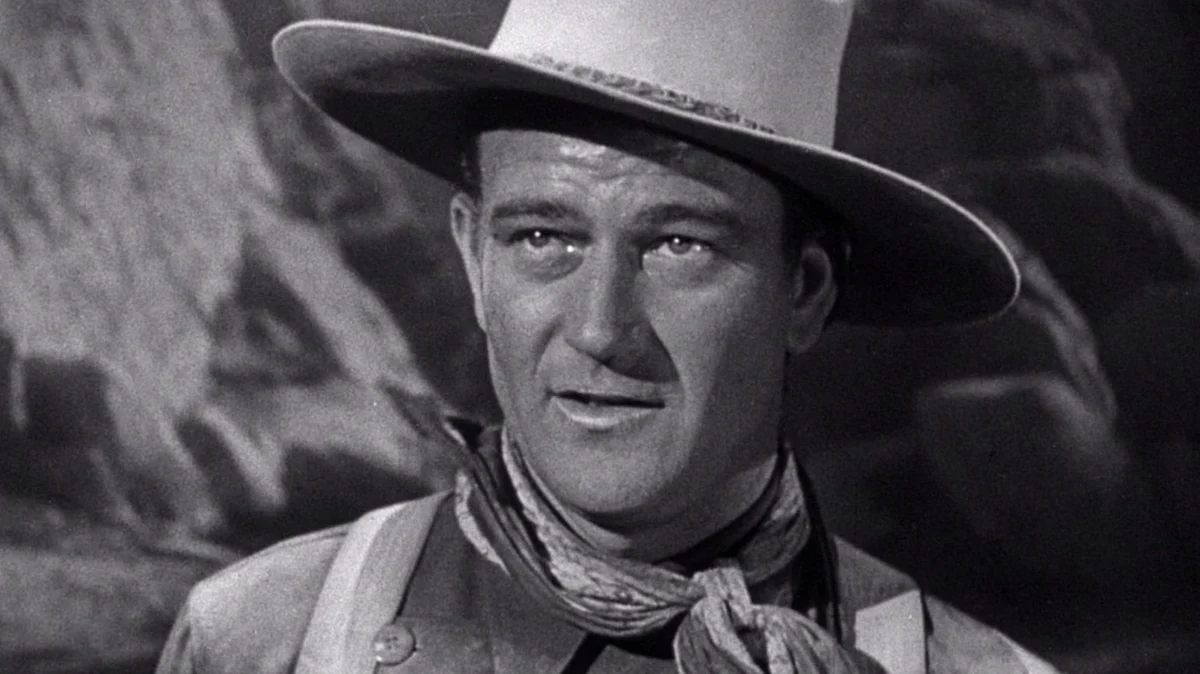
John Ford’s 1939 masterpiece Stagecoach is widely regarded as the "platonic ideal" of the American Western. It is the film that defined the grammar of the genre, establishing the archetypal narrative structures that subsequent filmmakers would either emulate, refine, or aggressively subvert. Yet, beneath the mythic stature of the Ringo Kid and the sweeping vistas of Monument Valley lies a story of grueling physical endurance. While audiences were captivated by the seamless action and the rapid ascension of John Wayne to superstardom, the cast and crew were engaged in a literal battle against the elements. The production of Stagecoach was not merely an artistic endeavor; it was a test of human endurance that nearly broke its leading man.
Main Facts: The Genesis of an Icon
Stagecoach represents a watershed moment in Hollywood history. Before its release, the Western was largely considered a "B-movie" commodity—quick, disposable entertainment relegated to Saturday matinees. John Ford, already an Academy Award-winning director for The Informer (1935), sought to elevate the genre with a sophisticated screenplay based on Ernest Haycox’s short story "The Stage to Lordsburg."
The film centers on an ensemble of disparate characters—a prostitute, a gambler, an alcoholic doctor, a timid liquor salesman, and a fugitive outlaw—trapped together on a treacherous journey through Apache territory. The casting, however, was a point of significant contention. Producer David O. Selznick, a titan of the studio system, famously advocated for established A-list stars like Gary Cooper and Marlene Dietrich to anchor the project. Ford, possessing the stubborn foresight that would define his career, bypassed the studio’s wishes to cast Claire Trevor and a relatively unproven John Wayne.
The decision was a gamble that paid dividends for the next half-century. Stagecoach did not just introduce the world to the quintessential John Wayne performance; it transformed the Western into a serious dramatic medium. However, the production’s success was purchased at a high cost, particularly during the filming of its legendary climactic chase sequence.
Chronology: From Concept to Climactic Chaos
The production of Stagecoach moved at a rapid pace by 1939 standards, but it was marred by logistical hurdles.
- Early 1938: Ford secures the rights and begins pre-production, focusing on the specific look of the frontier.
- Late 1938: Principal photography begins. The shoot is split between the majestic rock formations of Monument Valley and the harsh, unforgiving terrain of Southern California.
- The Final Stretch: The film’s centerpiece—the stagecoach chase across the salt flats—was filmed at Lucerne Dry Lake, near Victorville, California. It was here that the reality of the shoot shifted from professional obligation to physical survival.
- 1939 Release: The film premieres to universal acclaim, effectively changing the trajectory of American cinema and securing John Wayne’s place in the pantheon of stars.
The chase sequence was designed to be the most visceral action set piece ever committed to celluloid. By employing then-revolutionary techniques, Ford and his second-unit director, Yakima Canutt, created a sense of kinetic speed and danger that remains impressive even by modern digital standards.
Supporting Data: Surviving the Lucerne Dry Lake
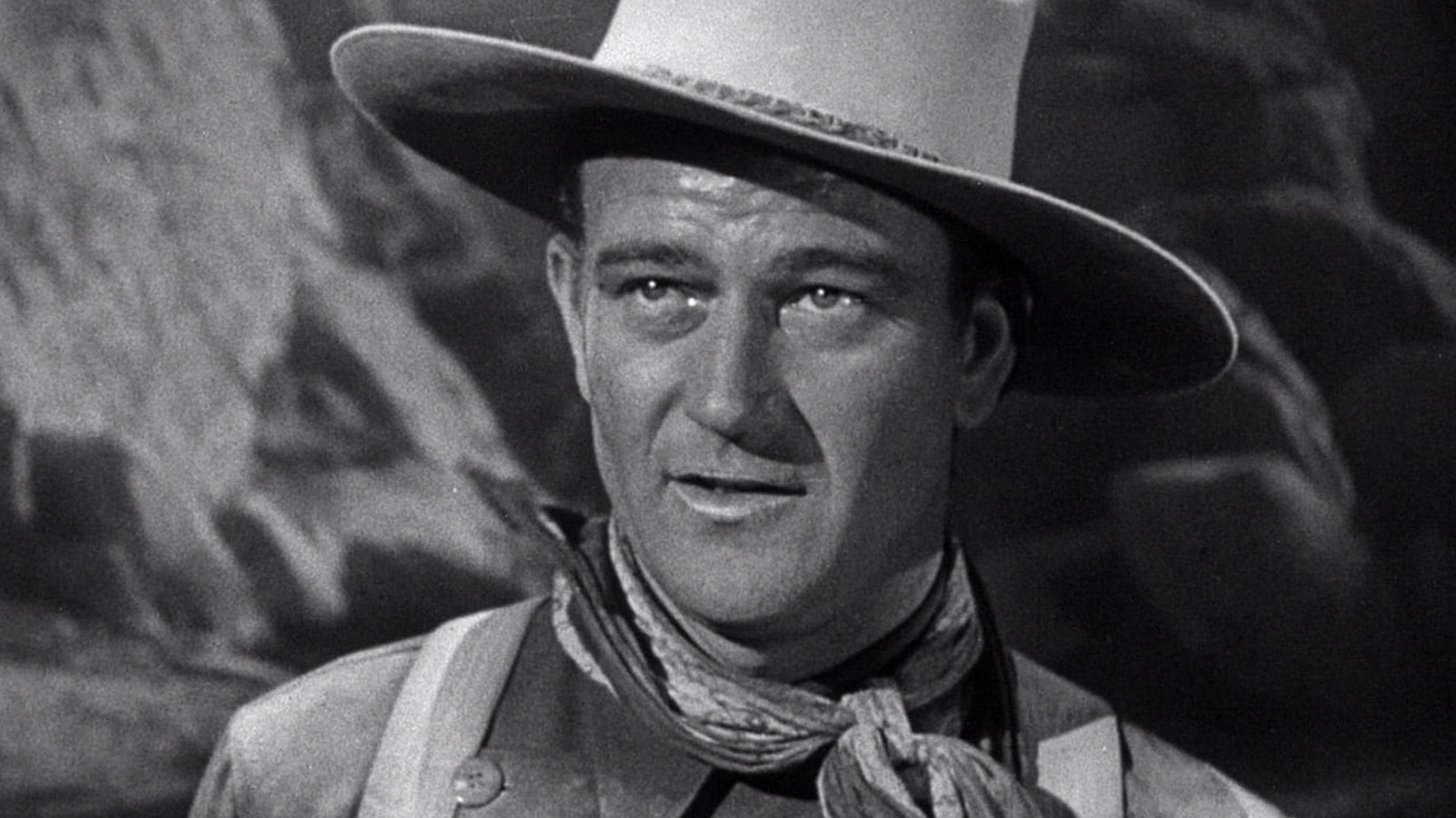
The conditions on the set of Stagecoach were anything but hospitable. While the final product displays a polished, high-adventure aesthetic, the experience for those behind the camera was a harrowing trial. In his later years, John Wayne reflected on the experience in an interview with author Charles Higham, stripping away the romanticism often associated with the "Old West."
"Oh, I tell you," Wayne recalled. "In my life I’ve never been any colder than it was up there that two or three days that we were on the dry lake. And the wind was blowing and there was a fine silt dust that just—your lungs are raw, your vocal pipes are shot."
For Wayne, the physical toll was compounded by the requirement to deliver lines while projecting his voice over the roaring wind and the clatter of the stagecoach. The "fine silt dust" mentioned by the actor created a hazardous environment, coating equipment, costumes, and the respiratory systems of the crew. Wayne noted, with characteristic humility, that he and co-star Andy Devine were somewhat shielded by the nature of their performances: "Of course, Andy and I don’t have to care too much about that. We get by by growling anyway."
The danger was not limited to the environment. The chase required complex stunt work, much of which was performed by the legendary Yakima Canutt. Canutt’s ability to navigate the stagecoach through the salt flats while simultaneously directing the camera placement and executing death-defying jumps between moving horses set a benchmark for stunt choreography. His safety protocols, while primitive by today’s standards, were the only thing separating a high-octane action sequence from a potential tragedy.
Official Responses and Behind-the-Scenes Perspectives
The industry’s reaction to the film’s production was one of quiet admiration, though the studio heads remained largely oblivious to the suffering on the ground. However, the film’s "technical perfection," as noted by peers, served as a vindication of Ford’s demanding style.
Perhaps the most significant testament to the quality of Stagecoach came from Orson Welles. While preparing to direct Citizen Kane, often cited as the greatest film ever made, Welles reportedly watched Stagecoach on a continuous loop. He sought to deconstruct Ford’s use of deep focus, lens choices, and movement to understand how the director achieved such a sense of spatial reality. Welles famously remarked that one could not make a more technically perfect film, a sentiment shared by critics and scholars who acknowledge that the "brutal conditions" described by Wayne were a necessary catalyst for the film’s grounded, authentic aesthetic.
Implications: A Legacy Carved in Silt
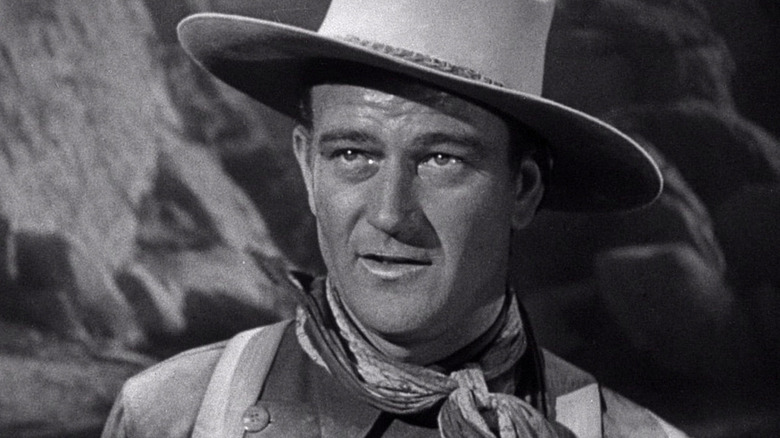
The endurance of Stagecoach is not a result of luck; it is the product of a specific intersection of talent, risk, and suffering. When audiences watch the Ringo Kid leap from the coach, they are watching a moment that exists because of the professional sacrifice of John Wayne and the visionary stubbornness of John Ford.
1. The Elevation of the Genre
By refusing to compromise on his vision, Ford proved that the Western could carry thematic weight. The "brutal conditions" provided a texture—a grit—that standard studio-bound Westerns lacked. This opened the door for the "Adult Westerns" of the 1950s and 60s, which explored moral ambiguity and human frailty with more intensity.
2. The Birth of a Screen Legend
John Wayne’s career was effectively made in the desert. His ability to endure the freezing temperatures and the choking dust, while maintaining the steely, laconic presence of the Ringo Kid, solidified his image as the ultimate screen protagonist. He was no longer just an actor; he was a symbol of the resilient American spirit.
3. The Blueprint for Action Cinema
The chase at Lucerne Dry Lake is a masterclass in editing and physics. Modern action cinema owes a debt to the techniques refined during this production. The integration of character-driven dialogue within high-speed action scenes became a staple of the industry, influencing everything from Raiders of the Lost Ark to the Mad Max franchise.
Conclusion
The story of Stagecoach is a reminder that the magic of cinema is often rooted in the mundane reality of labor. The freezing winds, the raw lungs, and the relentless pressure of the production schedule were the invisible forces that helped shape an American classic. John Wayne, looking back at the ordeal, provided the best context for why it mattered: it was never meant to be comfortable; it was meant to be real.
Eighty-seven years later, Stagecoach continues to stand as a testament to that philosophy. Every frame of the film, from the quiet tension of the opening scenes to the chaotic thunder of the finale, serves as a record of a time when the frontier was not just a setting, but a crucible—one that demanded the very best of those brave enough to ride through it.