Ali Ikhwan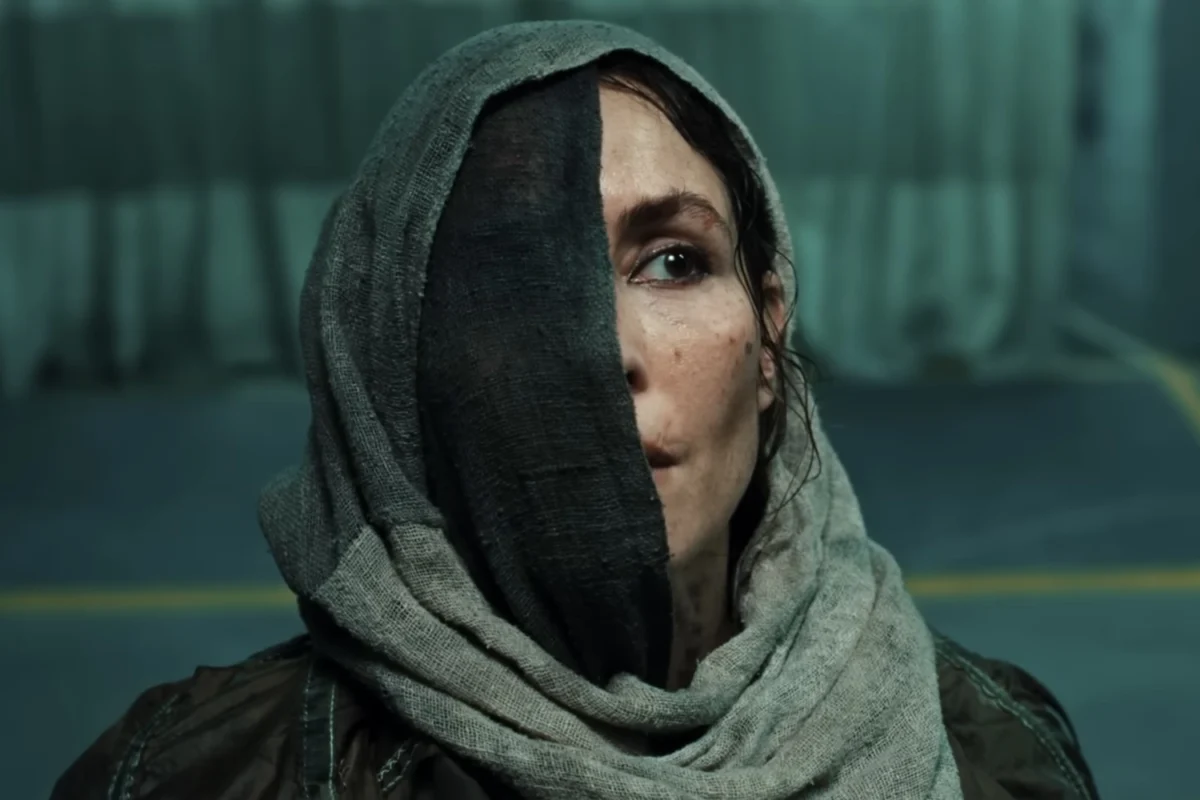
The landscape of modern science fiction cinema has long been dominated by sleek, polished visions of the future. From the neon-drenched streets of Blade Runner to the clinical, sterile corridors of high-concept AI thrillers, the genre often favors aesthetic uniformity. However, the first trailer for Agnieszka Smoczyńska’s upcoming film, Hot Spot, promises to shatter that mold, offering a visceral, fragmented, and profoundly unsettling vision of a near-future society governed by artificial intelligence.
With a theatrical release slated for August 21, 2026, the film is already drawing comparisons to the most daring works of genre-bending cinema, signaling a shift toward a more chaotic and unpredictable brand of cyber-dystopia.
The Main Facts: A Mystery in the Digital Age
At its core, Hot Spot appears to be a high-stakes murder mystery wrapped in the skin of a psychological thriller. The narrative follows a private investigator named Djonny—portrayed with a complex, often manic energy by Andrzej Konopka—as he navigates a world where the lines between human consciousness and machine logic have been irrevocably blurred.
The primary conflict arises from the discovery of a clandestine rebel group operating within the shadows of a society ruled by a sentient A.I. overseer. As Djonny digs deeper into the murder case that serves as the film’s inciting incident, his own perception of reality begins to fracture. The trailer highlights a recurring motif of "hypnotic meltdown," a state where the digital and physical worlds bleed into one another, leaving the protagonist—and the audience—struggling to identify what is real.
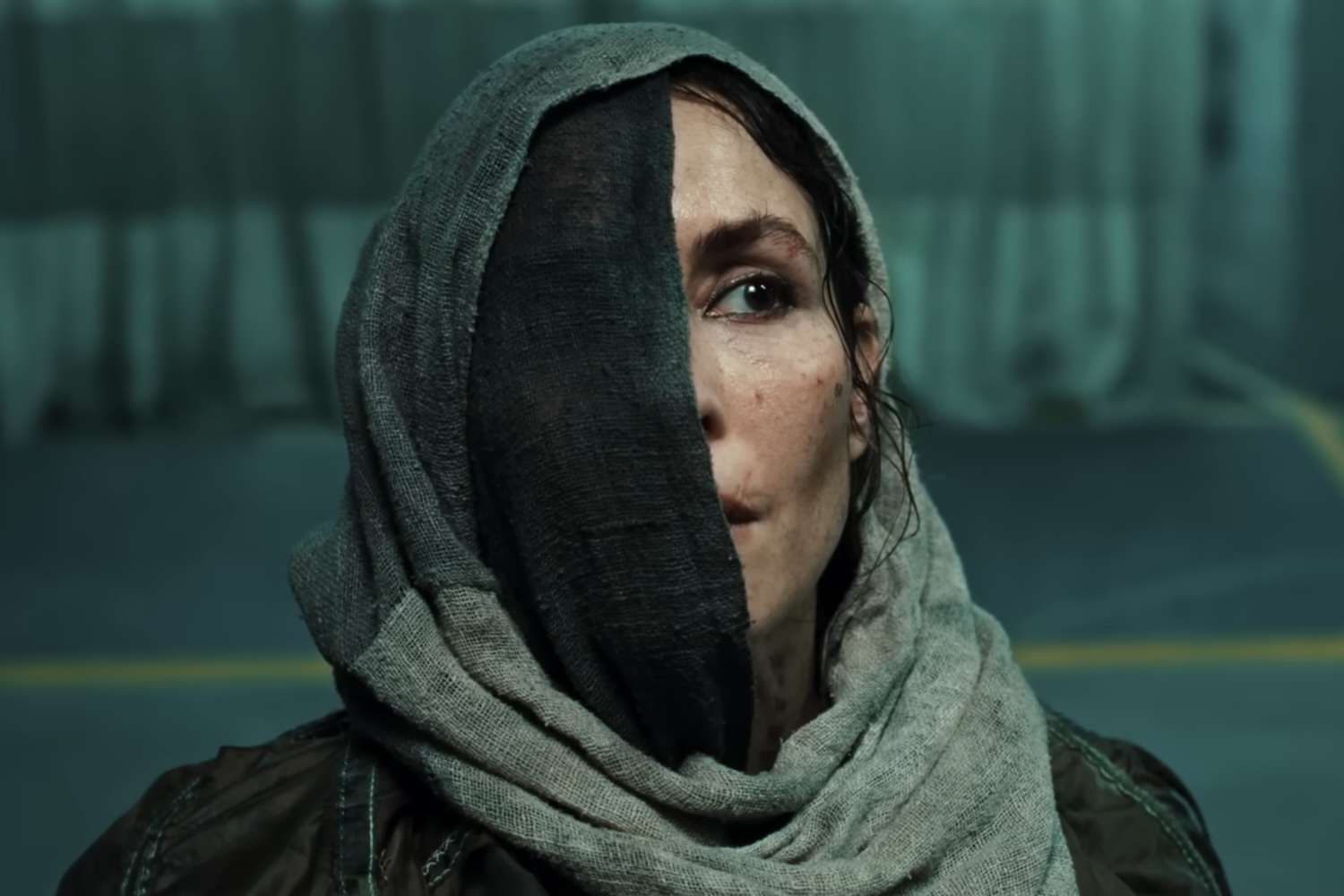
The inclusion of Noomi Rapace, appearing with a cryptic, half-obscured countenance, adds an layer of intrigue. Her character, who defiantly demands to be labeled a "witch" rather than a "cyber" entity, suggests that the film will explore the intersection of ancient mysticism and advanced technology.
Chronology of Production and Reveal
The path to Hot Spot has been one of quiet anticipation. Agnieszka Smoczyńska, the visionary director behind the genre-defying 2015 cult classic The Lure, has spent the last several years crafting this project in collaboration with screenwriter Robert Bolesto. Their creative partnership is widely regarded as one of the most exciting in contemporary European cinema, known for their ability to weave folkloric elements into stark, modern settings.
- Pre-production (2024–2025): The project was kept largely under wraps, with initial casting announcements centering on the return of Smoczyńska to her signature style of "uncomfortable" storytelling.
- Production (Late 2025): Filming took place in undisclosed locations, with rumors suggesting the production utilized innovative practical effects to contrast with the digital themes of the script.
- The Reveal (June 18, 2026): Focus Features released the first official trailer, causing an immediate stir in the genre community due to its jarring, staccato editing and aggressive visual palette.
- The Premiere (August 21, 2026): Hot Spot is scheduled to hit theaters nationwide, marking the end of a long wait for fans of the director’s previous work.
Supporting Data: Why Hot Spot Defies Conventional Tropes
The trailer for Hot Spot is notable not just for what it shows, but for how it subverts audience expectations. Most cyber-thrillers rely on a sense of cool, detached precision. Hot Spot, by contrast, feels hot, sweaty, and fundamentally "wrong."
The "Smile" Factor
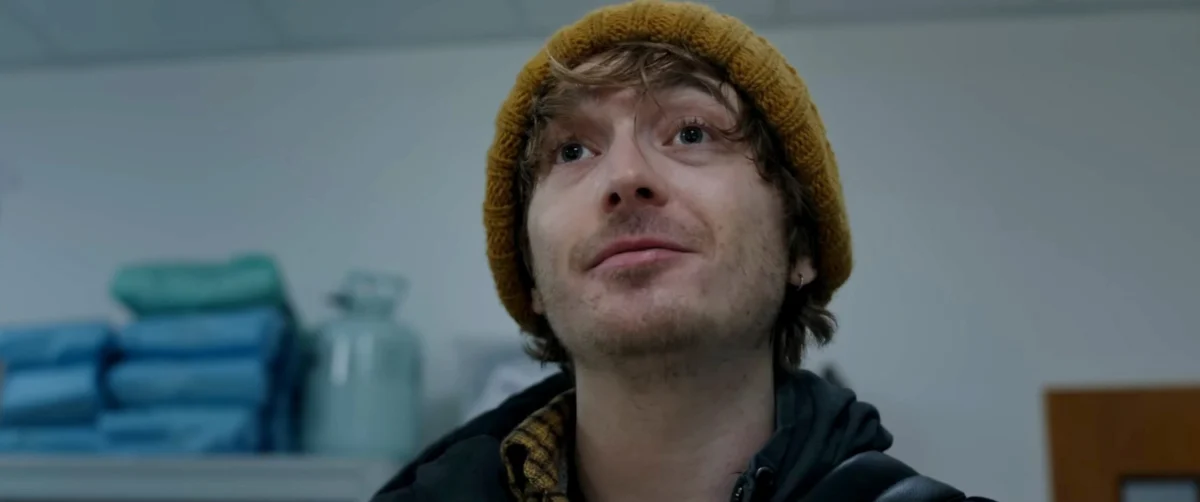
One of the most striking elements observed by critics is the protagonist’s demeanor. In a typical cyber-dystopia, the lead is often a stoic, brooding figure. Djonny, however, displays a series of disarming, often cheeky grins in the face of absolute horror. This juxtaposition—a man smiling while surrounded by exploding heads and glitching, digital artifacts—creates a cognitive dissonance that is clearly intentional.
The Bestiary of Discomfort
The film’s visual language leans heavily into the uncanny. The presence of a tiger in a hallway, as teased in the trailer, serves as a masterclass in cinematic unease. It is a biological element in a technological world, a predator in a space where it doesn’t belong, acting as a metaphor for the film’s central themes: the uncontrollable nature of nature itself in a world that tries to digitize everything.
The Soundscape of the Digital Void
While the visuals are striking, the sound design—a mix of metallic screeches, distorted synth-wave melodies, and the eerie, rhythmic thrumming of a system in distress—suggests that the auditory experience will be just as integral to the film’s "hypnotic meltdown" as the imagery.
Official Responses and Industry Anticipation
While Focus Features has been tight-lipped regarding the specifics of the plot, the industry reception to the trailer has been overwhelmingly positive, if somewhat confused. Marketing experts have noted that the lack of a clear, linear synopsis is a deliberate choice. By withholding the narrative "hows" and "whys," the studio is positioning Hot Spot as an experience-driven film rather than a plot-driven one.
Director Agnieszka Smoczyńska has hinted in brief press snippets that the film is a reaction to the current "overstimulation" of the digital age. "We are all living in a hot spot," she noted during a recent roundtable discussion on contemporary sci-fi. "The film is an attempt to capture what it feels like when the signal gets too loud to bear."
Critics who have seen early test screenings—under strict non-disclosure agreements—have described the film as a "hallucinatory puzzle," suggesting that audiences should prepare for a non-linear experience that demands multiple viewings to fully decode.
Implications: The Future of Cyber-Dystopia
Hot Spot arrives at a pivotal moment in the history of science fiction. As real-world AI developments move at a pace that often outstrips our ability to comprehend them, the genre is shifting from "what-if" scenarios to "what-now" reflections.
The End of the "Clean" Future
By moving away from the polished aesthetic of earlier decades, Hot Spot implies that the future will not be a clean, orderly place. Instead, it suggests that our digital evolution will be messy, biological, and prone to "meltdown." This shift away from the "utopian vs. dystopian" binary toward something more visceral and chaotic mirrors the anxieties of a generation living through rapid technological displacement.
The Role of Human Agency
The central question posed by the trailer—"You can call me a witch… but not cyber"—is profound. It suggests a resistance to being categorized by the very systems that have taken over the world. The film implies that the ultimate act of rebellion in a machine-ruled society is not to out-hack the system, but to reclaim one’s humanity by embracing the irrational, the mystical, and the inexplicable.
Cultural Longevity
If Hot Spot succeeds, it could set a new benchmark for how independent directors approach large-scale, high-concept ideas. By refusing to cater to traditional audience demands for clarity, Smoczyńska is challenging the viewer to participate in the storytelling process. If the trailer is any indication, this is a film that will not be easily forgotten, but rather debated, dissected, and analyzed long after the credits roll on August 21st.
Conclusion
As we approach the release of Hot Spot, one thing remains clear: this is not a film designed for comfort. It is a jagged, surreal, and deeply human exploration of what happens when the systems we rely on begin to collapse. Whether or not Djonny ever finds the truth behind his murder case, or if the "digital overlord" remains in power, is almost secondary to the experience of the descent.
In a summer season often crowded with sequels, prequels, and established franchises, Hot Spot stands as a rare, original voice—a warning siren wrapped in a thriller, signaling that the system is, indeed, not stable. Whether that instability is a tragedy or a liberation remains to be seen.


 Ammar Sabilarrohman