

In the rapidly evolving landscape of generative artificial intelligence, the line between "training" and "theft" has become the primary battleground for the future of the creative economy. Suno, a leading platform in the AI music generation space, has long faced scrutiny regarding the provenance of its training data. However, a recent security breach has moved the conversation from speculation to documentation. A hack of the company’s internal systems has peeled back the curtain, revealing the industrial-scale ingestion of copyrighted content that has fueled the platform’s meteoric rise.
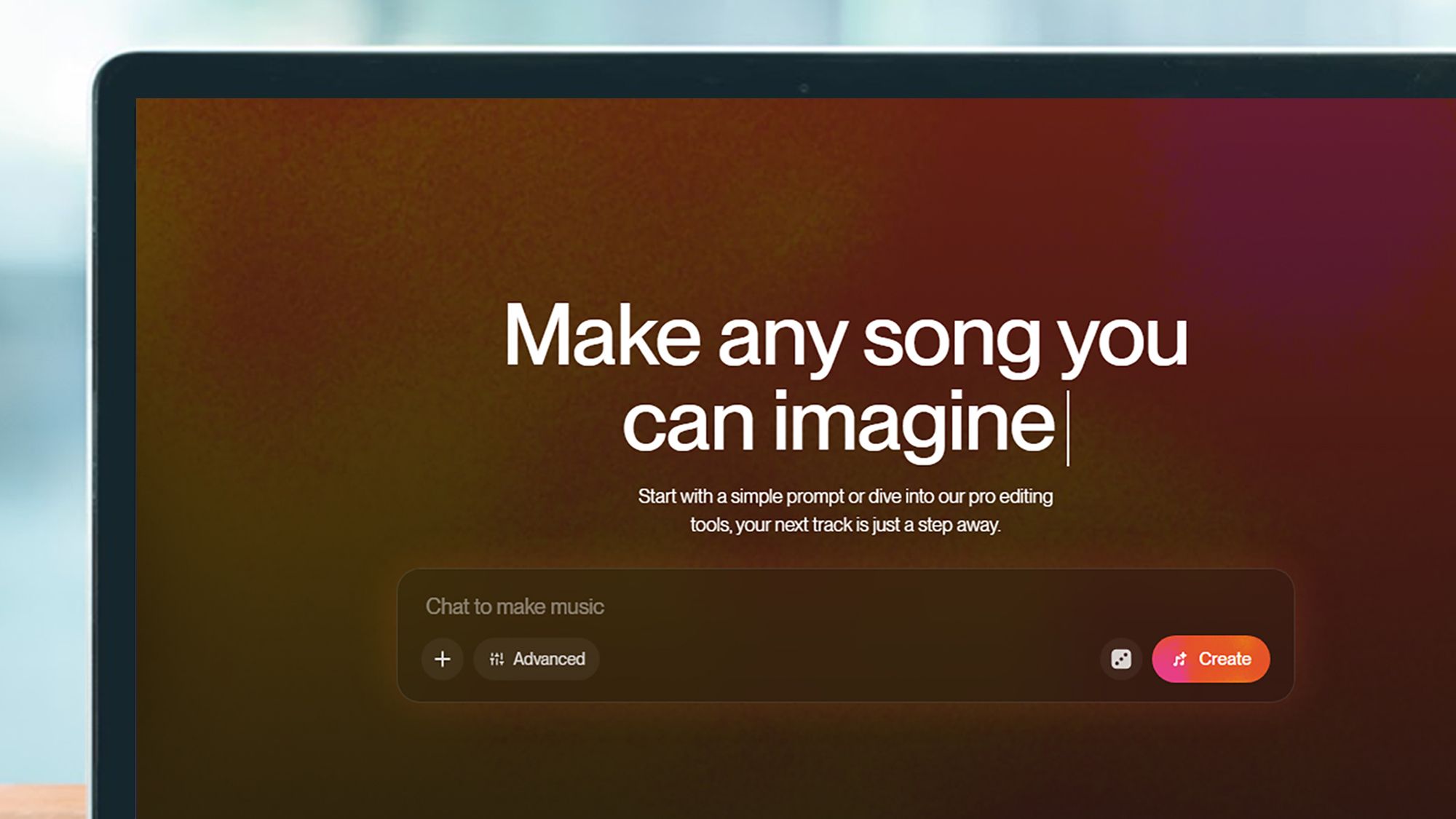
The breach, executed by a hacker operating under the handle "ellie.191," has provided a rare, forensic look into the proprietary "recipes" used to build AI models. By accessing Suno’s source code and internal training libraries, the intruder exposed a massive pipeline of data scraping that spanned some of the internet’s largest music and audio repositories. This revelation not only validates the long-standing concerns of the recording industry but also raises profound questions about the viability of "fair use" as a defense for AI developers.
The Anatomy of the Breach: What the Code Revealed
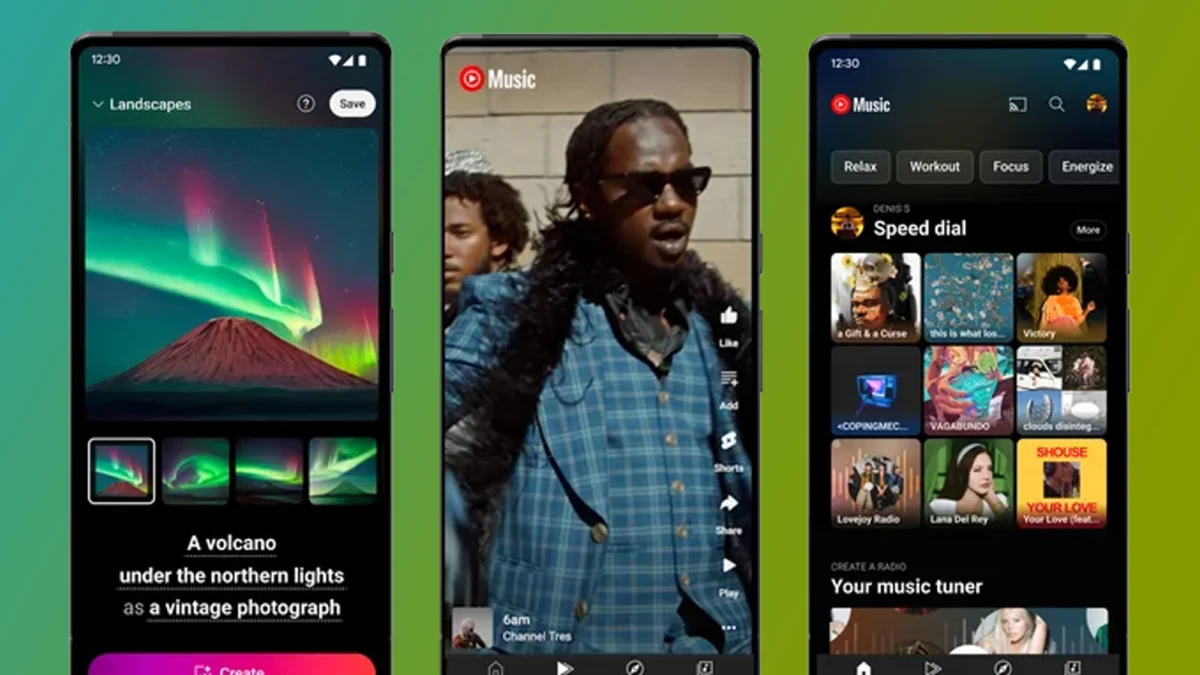
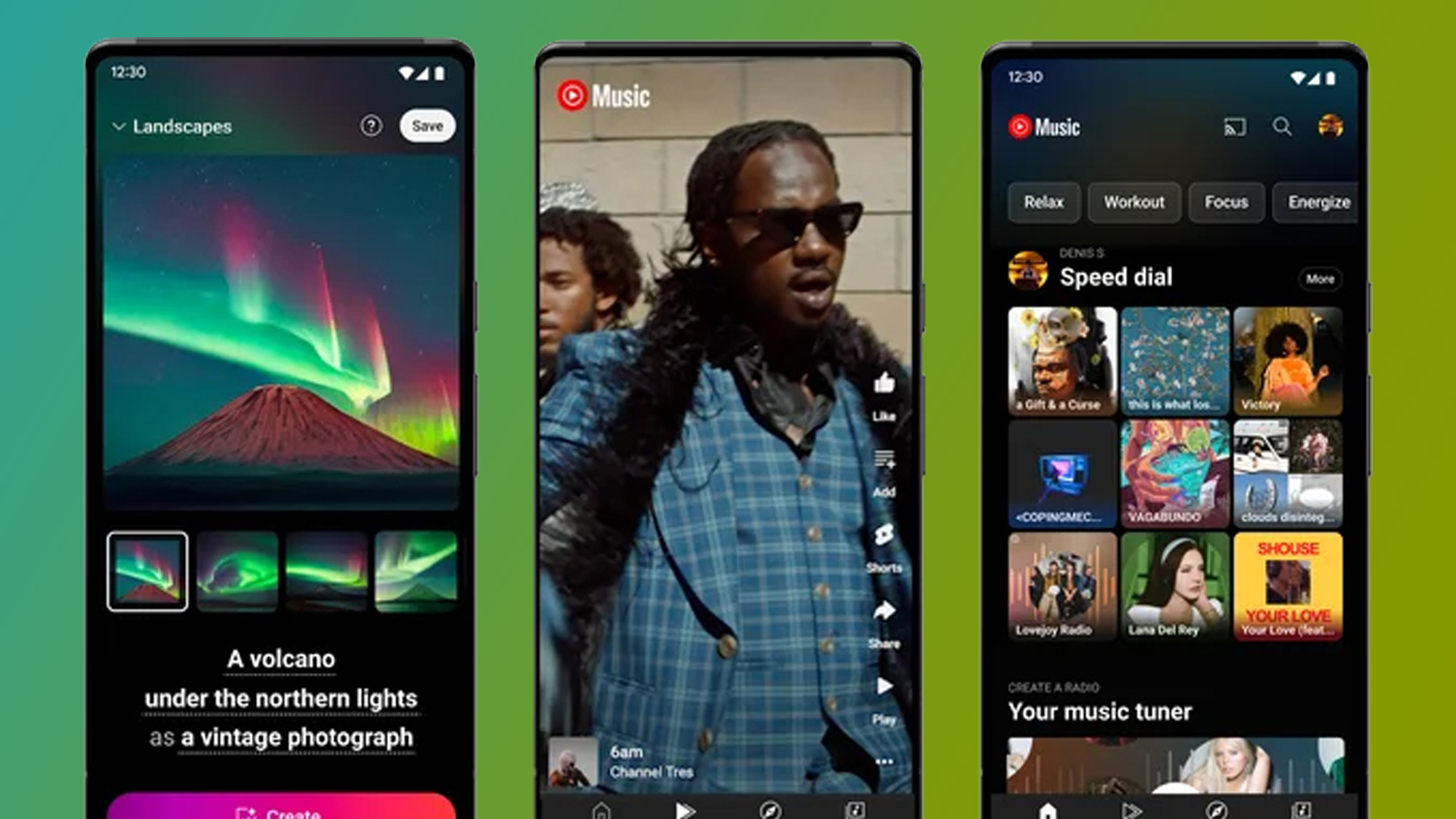
The findings, first reported by 404 Media, paint a picture of a systematic operation designed to capture as much audio data as possible, regardless of copyright status. The leaked internal documents and code references specifically identify a "grabber" mechanism targeting high-profile platforms, including YouTube, YouTube Music, Deezer, Genius, and the International Music Score Library Project (IMSLP).
The scale of this operation is, by any metric, staggering. The data logs from 2023 and 2024 reveal that the platform had processed over 2 million tracks ripped directly from YouTube Music. Furthermore, the logs indicate that over 12,000 hours of content were ingested from the streaming service Deezer.
Beyond the sheer volume, the technical methodology revealed in the leaked code underscores the targeted nature of the harvesting. It appears the system was designed to seek out specific audio formats, including acapella versions of songs. This feature suggests that Suno’s developers were not merely scraping for general audio patterns, but were specifically training the model to isolate vocals—a critical component in creating believable AI-generated singing voices. Furthermore, the ingestion extended beyond music, with the company’s software crawling vast swaths of podcast data, likely to improve the model’s ability to handle spoken word and complex vocal arrangements.
A Chronology of Conflict
The tension between AI developers and the creative industry has been mounting for years, but the timeline regarding Suno highlights a clear acceleration of these practices.
- Early 2023: As Suno gained traction in the AI research community, the company began scaling its data ingestion pipelines to support more robust model training. During this period, the internal logs suggest the activation of advanced scraping scripts targeting major streaming platforms.
- Late 2023 – Early 2024: The "v4" iteration of Suno’s model was under development. During this time, the intensity of the data harvesting reached its peak, with the system pulling millions of files to refine the model’s expressive capabilities.
- Mid-2024: The Recording Industry Association of America (RIAA), representing major labels, escalated legal pressure, filing lawsuits against Suno and competitors like Udio. The core allegation was that these companies were engaging in "willful copyright infringement" on a massive scale.
- Late 2024 (The Breach): The hacker ellie.191 accessed Suno’s internal infrastructure, effectively confirming the suspicions of the plaintiffs. The subsequent release of these findings has provided the music industry with a smoking gun that could be pivotal in upcoming court proceedings.
The Legal Landscape: Is This "Fair Use"?
The central legal debate in the ongoing lawsuits against Suno revolves around the doctrine of "fair use." Suno has not historically denied that it uses vast amounts of internet-accessible data to train its models. In fact, the company has frequently maintained that its process is transformative, arguing that it does not copy the music in a way that produces infringing works, but rather learns the underlying mathematical patterns—the "language" of music—to generate original compositions.
However, the legal threshold for fair use is notoriously narrow. To qualify, a use must generally be transformative, non-commercial in its impact, and not a market substitute for the original work. The music industry argues that Suno is essentially creating a machine designed to replace human artists by using the very works those artists created without compensation or consent.
By accessing proprietary data libraries, the recent hack has provided evidence that may undercut the "transformative" argument. If the software was specifically hunting for acapella stems, it suggests a granular focus on extracting the "soul" of the artist’s performance rather than just learning general stylistic characteristics. This distinction is vital for a judge or jury determining whether the company’s actions constitute a legitimate technological advancement or a systematic violation of intellectual property rights.
The Broader Implications for AI and Media
The fallout from the Suno hack is not isolated; it is a microcosm of a much larger struggle occurring across the creative sectors. From OpenAI’s legal battles with The New York Times regarding text generation, to ongoing disputes between Hollywood studios and AI companies over video synthesis, the industry is at a crossroads.
The Erosion of Attribution
The primary concern for creators is the total lack of attribution and compensation. When an AI model is trained on a dataset containing millions of copyrighted songs, the original authors receive zero royalties, even if the model produces a song that sounds remarkably similar to their style. This creates a "value extraction" model where the AI company reaps the financial benefits of the labor of millions of musicians, while the musicians themselves find their market share eroded by an endless supply of "free" generated music.
The "Staggering Theft" Debate
The reaction from the tech and creative communities has been polarized. Some developers and early adopters argue that the internet has always been a repository of information and that AI training is simply the next evolution of human learning. As one commenter on Reddit noted, "This is literally what every LLM in existence has done."
Conversely, critics—including many professional songwriters and producers—view the practice as an existential threat. They argue that the term "scraping" is a sanitized label for what is, in effect, industrial-scale copyright infringement. The sheer efficiency of the theft—ripping millions of tracks in months—is seen by many as a predatory act that ignores the years of craft and investment that went into the source material.
The Road Ahead: What Happens Now?
As the legal proceedings against Suno continue, the company faces a precarious future. The disclosure of its internal scraping logs will undoubtedly be used by the plaintiffs to argue for punitive damages and to seek injunctions that could force the company to purge its current models.
If the courts rule that the unauthorized ingestion of copyrighted data is not fair use, the impact would be catastrophic for the current AI business model. It would likely force companies to pivot toward licensing deals, where they pay record labels and publishers for the right to train on their catalogs. While this would resolve the copyright issue, it would significantly increase the cost of development, potentially slowing the pace of AI advancement.
Furthermore, the breach highlights the vulnerability of AI companies themselves. If their "secret sauce"—the specific datasets and scraping techniques—can be exposed by a single intruder, it suggests that the security surrounding these high-stakes models is perhaps less robust than their marketing would imply.
Conclusion: A Turning Point for Generative AI
The story of the Suno hack is more than a tale of digital intrusion; it is a critical chapter in the history of the digital age. It has brought the abstract concept of "AI data training" into the physical reality of millions of ripped MP3s and hijacked podcasts.
As we move forward, the conversation is shifting from "how can this technology work?" to "what are the ethical and legal foundations required to sustain it?" For artists, the hope is that this revelation forces a reckoning that leads to a more equitable model—one where the fruits of technological progress do not come at the expense of the human creativity that powers it.
The battle between the code and the creators is only just beginning, and the outcome will likely define the parameters of the digital economy for decades to come. Whether Suno survives these lawsuits or serves as the first major casualty of the AI copyright wars, the precedent set by these events will be felt by every AI developer and every creative professional in the years ahead.











