

By Scott Baird
Updated May 8, 2026
In a move that has sent shockwaves through the gaming community, Nintendo has officially confirmed a worldwide price increase for its current-generation flagship console, the Nintendo Switch 2. Following months of industry speculation and mounting pressure from fluctuating global economic conditions, the Kyoto-based gaming giant announced that it will be adjusting the retail price of its hardware effective later this year. This decision marks a significant turning point for a company that has historically prioritized affordability and accessibility, and it arrives at a precarious moment for the console’s software roadmap.
The Financial Reality: Why the Switch 2 Price is Rising
Nintendo’s latest financial report, released on May 8, 2026, officially confirmed the news that many industry analysts had feared. Citing "volatile market conditions" and increased costs in supply chain logistics and manufacturing, Nintendo Japan stated that maintaining the original launch price for the Switch 2 was no longer sustainable in the current economic climate.
While Nintendo has successfully avoided the mass layoffs that have plagued other major players in the tech and gaming sectors—a feat largely attributed to strong corporate leadership and conservative fiscal planning—the hardware division is not immune to the inflationary pressures affecting the global electronics market. Sony and Microsoft have both previously navigated similar waters, raising the prices of their respective consoles to offset production costs, but Nintendo’s pivot to a higher price point for the Switch 2 is particularly notable given the platform’s reliance on the "family-friendly" demographic, which is often more price-sensitive than the "hardcore" enthusiast market.
Chronology of the Price Adjustment
The rollout of this price adjustment is staggered, reflecting the complexities of international trade and regional economic health.
- May 8, 2026: Official announcement via the Nintendo Japan corporate portal. The company cites shifts in global currency valuation and rising component costs as the primary drivers for the decision.
- May 25, 2026: The price increase takes effect exclusively within the Japanese domestic market.
- September 1, 2026: The global price hike goes into effect. Consumers in the United States will see the retail price rise to $499, while European markets will see a corresponding increase to €499.99.
This transition window provides a narrow opportunity for prospective buyers to purchase the console at its original launch MSRP. However, the announcement has already begun to trigger a surge in retail demand, as consumers scramble to secure units before the September deadline.

The Ocarina of Time Remake Conundrum
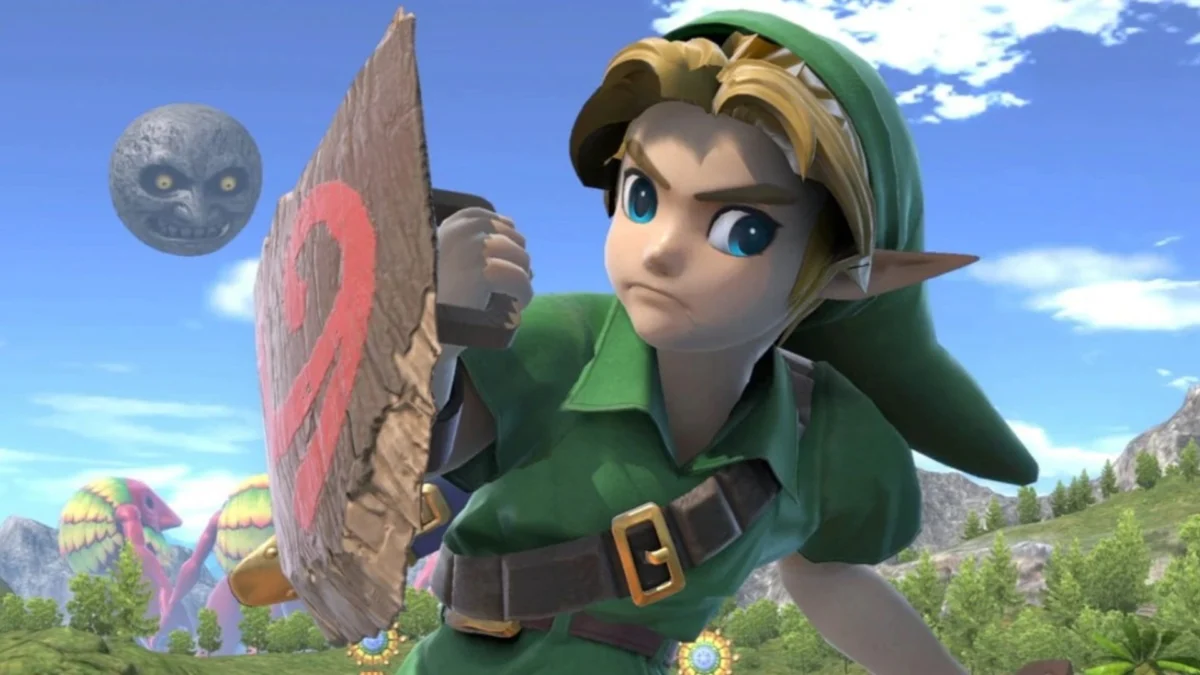
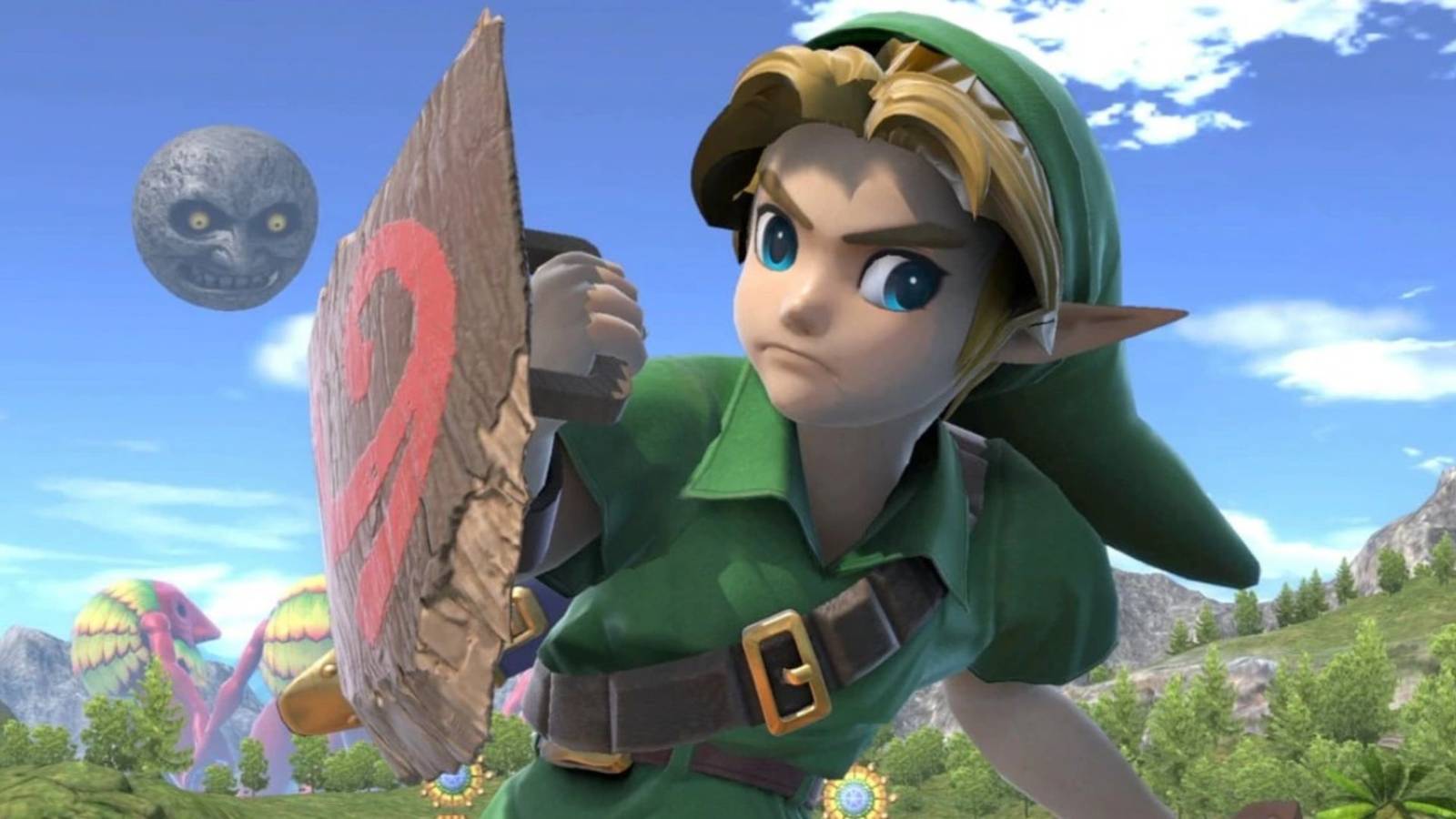
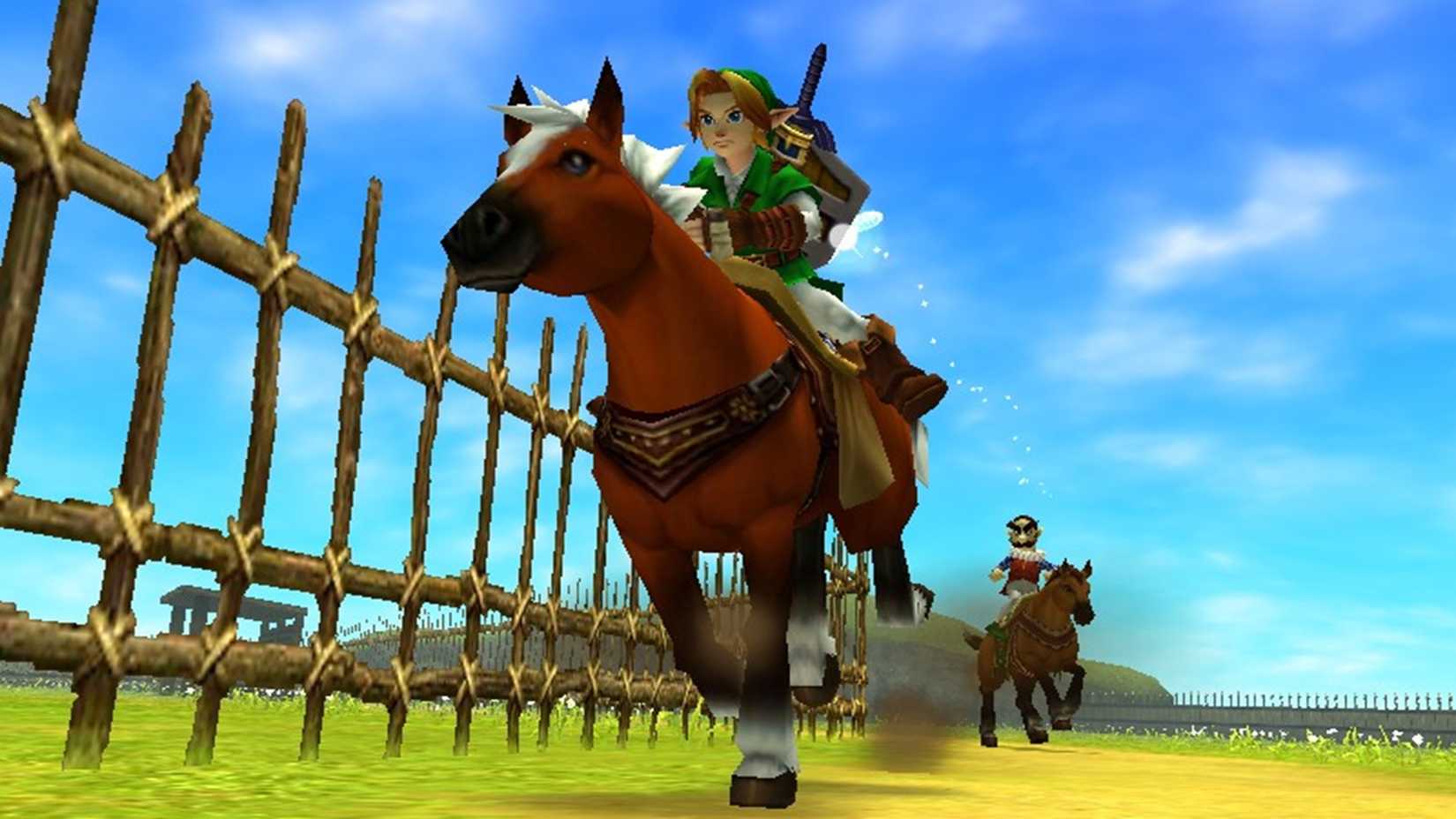
Perhaps the most contentious aspect of this news is the timing in relation to the highly anticipated, yet still officially unconfirmed, remake of The Legend of Zelda: Ocarina of Time. Rumors have long suggested that a ground-up reimagining of this seminal title is slated for a late 2026 release.
The strategy behind the timing of this software launch was presumably to drive hardware sales during the critical holiday quarter. However, with the price of the Switch 2 rising just months before the expected launch of this flagship title, the market dynamics have shifted. If the console is viewed as an increasingly expensive entry point, Nintendo may find that the barrier to entry for the Zelda remake is simply too high for casual fans.
Industry experts suggest that if Nintendo intends to maintain momentum, they may be forced to offer the game as a value-add bundle. Without such a strategy, the company risks alienating a core segment of its audience that might have been willing to invest in a console for a Zelda title, but are now deterred by the higher hardware floor.
A Stagnant Library and the "B-Team" Critique
The timing of this price hike is particularly sensitive given the current perception of the Switch 2’s software library. While the console has sold reasonably well since its launch, critics have been vocal about the perceived lack of "system-seller" exclusives.
Outside of Pokémon Pokopia, which has seen moderate success earlier this year, the 2026 release calendar is viewed by many as somewhat lackluster. The upcoming lineup includes:
- A single-player-focused Splatoon spin-off.
- A ground-up remake of Star Fox 64.
- A new entry in the Yoshi franchise.
While these titles have their own dedicated fanbases, they lack the blockbuster, hardware-moving power of a mainline Mario or Zelda release. Furthermore, the mysterious project titled The Duskbloods remains in development hell, currently lacking a concrete release date. By raising the price of the hardware while the library is arguably dominated by "B-team" titles, Nintendo faces the risk of a cooling market.
Official Responses and Investor Sentiment
In their statement, Nintendo emphasized that the decision was not made lightly. "We are committed to delivering the highest quality gaming experiences," a representative noted, "but we must also ensure that our business operations remain robust in the face of shifting global market conditions."
Investors have reacted with cautious optimism. While price hikes often lead to short-term dips in unit sales, they also suggest a company focused on protecting its profit margins. However, the long-term implications for the Switch 2’s install base remain a point of debate. The console has, thus far, been riding the coattails of its predecessor’s immense success, but at a $499 price point, it is stepping into a different tier of competition—one where consumers expect higher performance and a more consistent stream of AAA software.
Market Implications: Can Nintendo Maintain Its Momentum?
The hardware market for 2026 is increasingly crowded and competitive. As the Switch 2 prepares for this price hike, it will be competing more directly with mid-range PC gaming setups and the mature install bases of the PlayStation 5 and Xbox Series X.
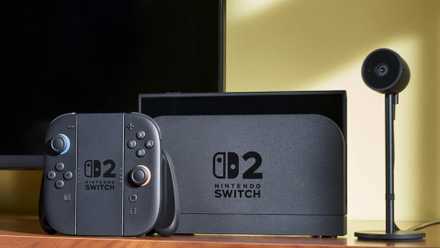
The "Nintendo Tax"—the idea that one pays a premium for Nintendo’s unique first-party experiences—is about to be tested like never before. If the company fails to deliver a massive, high-impact title to coincide with the price hike, they risk a stagnation in growth. The "Next" category of software, which includes high-profile JRPG ports and potential third-party collaborations currently being rated in regions like Taiwan, will need to carry the weight that Nintendo’s internal teams are currently failing to support.
Conclusion: A High-Stakes Gamble
The decision to raise the price of the Switch 2 is a calculated gamble. Nintendo is betting that the strength of its intellectual property—and perhaps the impending release of the Ocarina of Time remake—will be enough to outweigh the increased financial burden on the consumer.
For the average gamer, the message is clear: the era of the $300–$400 Nintendo console is, for the time being, behind us. Whether this move secures Nintendo’s long-term financial stability or alienates the very fan base that built the company’s success, remains to be seen. As September 1 approaches, all eyes will be on Kyoto to see if they have the software lineup to justify a premium price tag in an increasingly cost-conscious world.












No comments yet. Be the first to join the conversation!