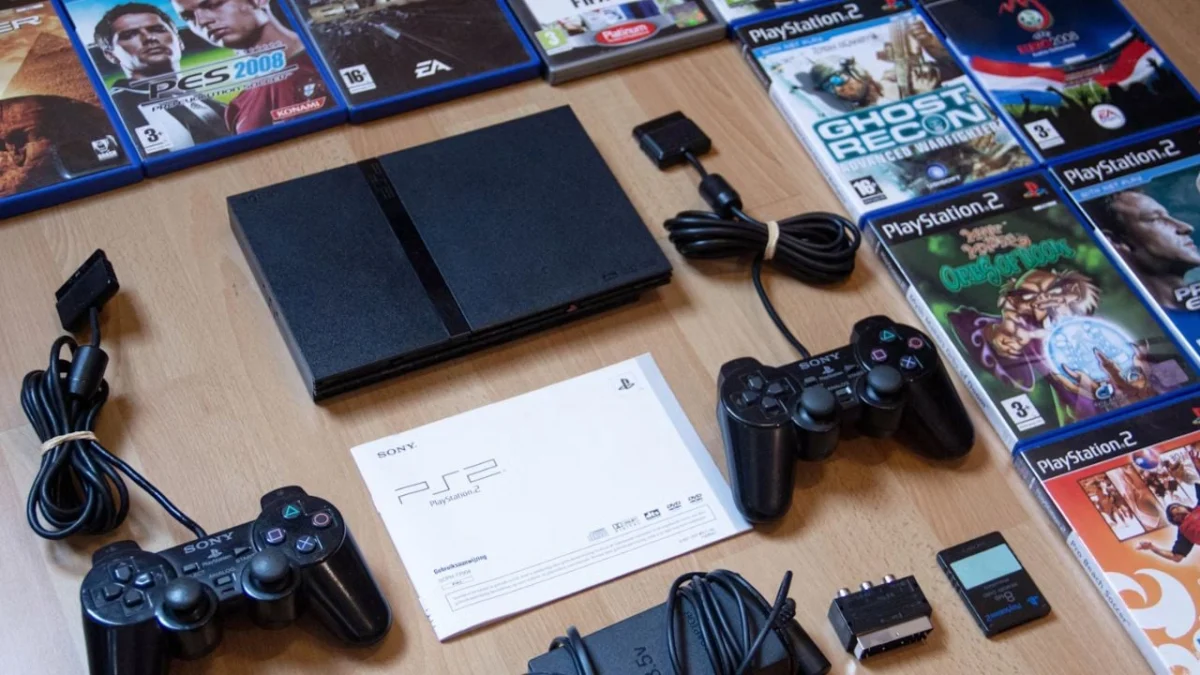
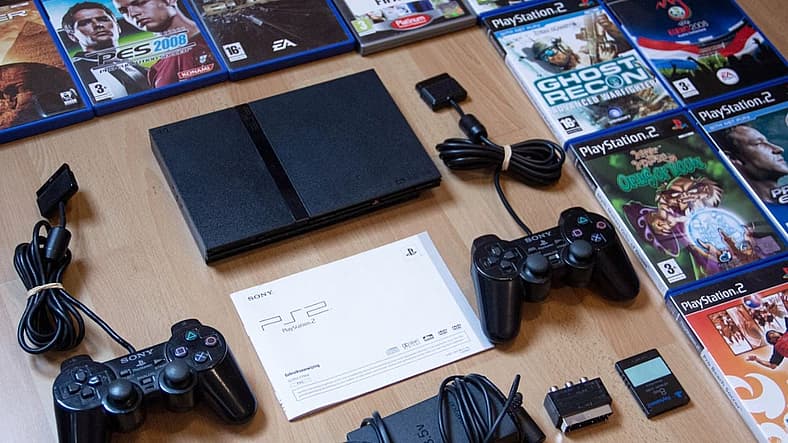
The gaming industry is currently standing at a precipice, staring down a future where the tactile sensation of sliding a disc into a console may soon become a relic of the past. PlayStation’s recent declaration—that it intends to cease the production of physical game discs by 2028—has ignited a firestorm of controversy. What was once viewed as a gradual industry shift toward digital convenience has now morphed into an existential battle over the concepts of ownership, consumer choice, and the long-term preservation of gaming history.
The pushback is not merely coming from disenfranchised fans venting on social media; it is being led by a powerful coalition of retailers and trade associations who argue that Sony is prioritizing corporate bottom lines over the foundational rights of the consumer.
The Chronology of a Controversial Shift
The tension between digital distribution and physical media has been simmering for over a decade. Since the inception of the PlayStation 4 and Xbox One era, digital storefronts like the PlayStation Store and Steam have become the primary revenue drivers for publishers. However, the total abandonment of physical media is a recent and aggressive escalation.
The timeline of this friction is marked by several key developments:
- The Early Warning Signs (2013–2020): Digital-only consoles, such as the PS5 Digital Edition, were initially marketed as "alternative" options, allowing consumers to choose their preferred ecosystem.
- The "Code-in-a-Box" Trend (2023–2024): Publishers began shipping physical cases that contained only a digital download code, effectively stripping the "physical" aspect from the product while maintaining the retail shelf presence.
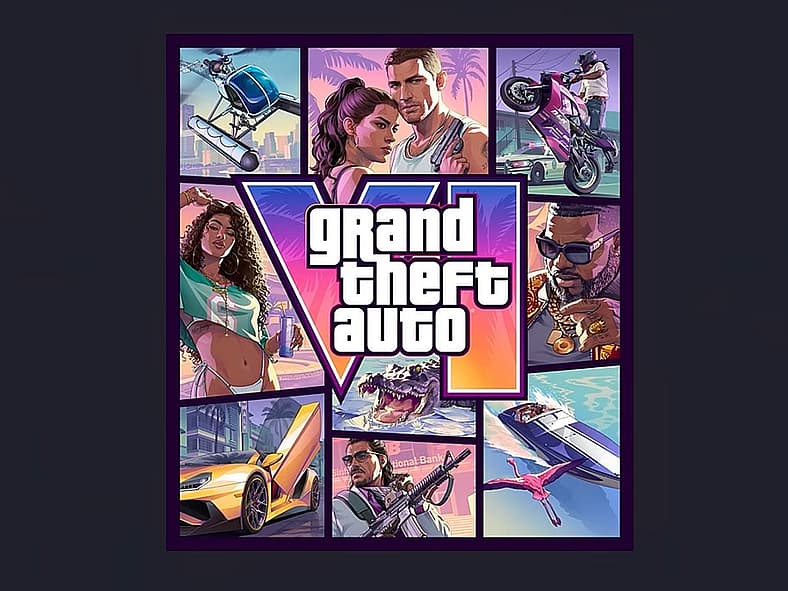
- The Rockstar Precedent: When Rockstar Games moved to offer physical pre-orders for Grand Theft Auto 6 that lacked a physical disc, it served as a canary in the coal mine. Retailers like VGP and Loot Box Gaming publicly criticized the move, noting that selling a "digital-only" product in a physical box provides no secondary market value for the consumer.
- The 2028 Ultimatum: Sony’s recent announcement regarding the 2028 cutoff for physical disc production has solidified the fears of collectors, retailers, and preservationists alike, moving the conversation from speculation to a concrete, industry-wide crisis.
Supporting Data: Why Discs Still Matter
Proponents of digital-only gaming often point to the convenience of instant downloads and the elimination of shelf clutter. However, the Digital Entertainment and Retail Association (ERA)—the trade body representing major UK retailers like Amazon and GAME—has provided compelling data that suggests the "death of the disc" is being prematurely declared by corporate executives.

According to the ERA, the physical game market in the UK remains a massive economic force, valued at over £300 million ($401 million) in 2025 alone. This is not a niche market; it is a thriving ecosystem. Furthermore, demographic data reveals that 25% of gamers under the age of 25 still actively choose physical media. These figures challenge the industry narrative that younger generations have completely abandoned physical products in favor of cloud-based licenses.
The importance of this data cannot be overstated. When 45% of all physical games sold in the UK last year were for the PS4 and PS5 platforms, it proves that PlayStation is actively alienating nearly half of its customer base. By abandoning this segment, Sony is not just "modernizing"; they are walking away from a significant, proven revenue stream in favor of a digital-only monopoly.
The "Corporate Convenience" Critique: Official Responses
The most scathing indictment of Sony’s plan has come directly from the ERA. In a formal statement released on July 2, the association pulled no punches, labeling the decision a "triumph of corporate convenience over consumer choice."
"Every year, millions of gamers still choose to buy physical copies because they value true ownership," the ERA noted in their statement. "A disc can be shared with family, traded in, collected, preserved, and, crucially, still played years from now. A download license often offers none of those freedoms."
This distinction—the difference between owning a product and licensing a product—is at the heart of the debate. When a user buys a physical disc, they own a tangible asset. They can lend it to a friend, sell it to a second-hand retailer, or play it on a console offline without needing an active server connection. A digital license, by contrast, is contingent upon the continued existence of the platform’s servers and the whims of the publisher, who can revoke access to the game at any time.

Retailers are particularly vocal because they stand to lose more than just a product line. Physical games drive foot traffic. A customer who comes into a store to browse the latest releases often ends up purchasing peripherals, gift cards, or other items. By removing the physical incentive, Sony is inadvertently dismantling the retail infrastructure that has supported the gaming industry for decades.
The Public Outcry: A Petition for Change
The backlash has moved beyond boardrooms and trade associations into the grassroots level. A petition titled "Don’t Kill the Disc" has garnered over 303,000 signatures at the time of writing, signaling a massive disconnect between Sony’s corporate strategy and the desires of its most dedicated community members.
The petition highlights the fear of "digital rot." As seen with various MMOs and online-only services that have been shut down over the years, digital games are ephemeral. If a company decides to pull a game from its store, it effectively ceases to exist for new buyers. The physical disc is the only bulwark against this form of digital erasure.
Implications for the Future of Gaming
The transition to a digital-only future carries profound implications for the industry at large:
1. The Death of the Used Game Market
The ability to trade in games or buy them pre-owned at a lower cost has been a staple of gaming for generations. A digital-only ecosystem gives publishers total control over pricing. Without a physical market to compete with, Sony and other platform holders can maintain high prices indefinitely, as there is no second-hand market to offer a cheaper alternative.
2. The Erosion of Consumer Choice
When consumers are forced into a single, closed-loop digital store, they lose the ability to shop for the best price. Physical retailers often engage in price wars, offering discounts or pre-order bonuses. Digital storefronts, however, often operate as walled gardens with little to no price competition.
3. Long-term Preservation and Archiving
Video games are a form of modern art and history. If all games become digital-only, the ability to preserve these works for future generations becomes significantly more difficult. Historians, archivists, and collectors rely on physical media to ensure that software remains playable decades after its release. A digital-only world is a world where games are subject to the "kill switch."
4. The Retail Sector’s Future
Retailers are not just concerned with profits; they are concerned with the erosion of the "physical experience." Buying a game in a store is a social, tactile event. If retailers are forced to transition into selling nothing but digital codes—which can just as easily be bought directly from the console—the entire brick-and-mortar gaming sector faces an existential threat.
A Call for Coexistence
The consensus among critics, retailers, and the gaming public is not that digital gaming should be banned, but rather that it should complement physical media, not replace it. The industry has reached a point where it must decide if it wants to be a service provider or a product manufacturer.
The ERA’s conclusion is clear: "The industry should be embracing every legitimate way consumers want to buy games, not narrowing their choices."
As 2028 approaches, the pressure on Sony will only intensify. Whether the company chooses to double down on its digital-only vision or pivot back to a hybrid model remains to be seen. However, the current reaction serves as a powerful reminder to all major corporations: when you ignore the needs of your core audience in favor of pure efficiency, you risk losing the trust and loyalty that built your empire in the first place. The era of the disc may be under threat, but it is clear that the fight to save it is only just beginning.