

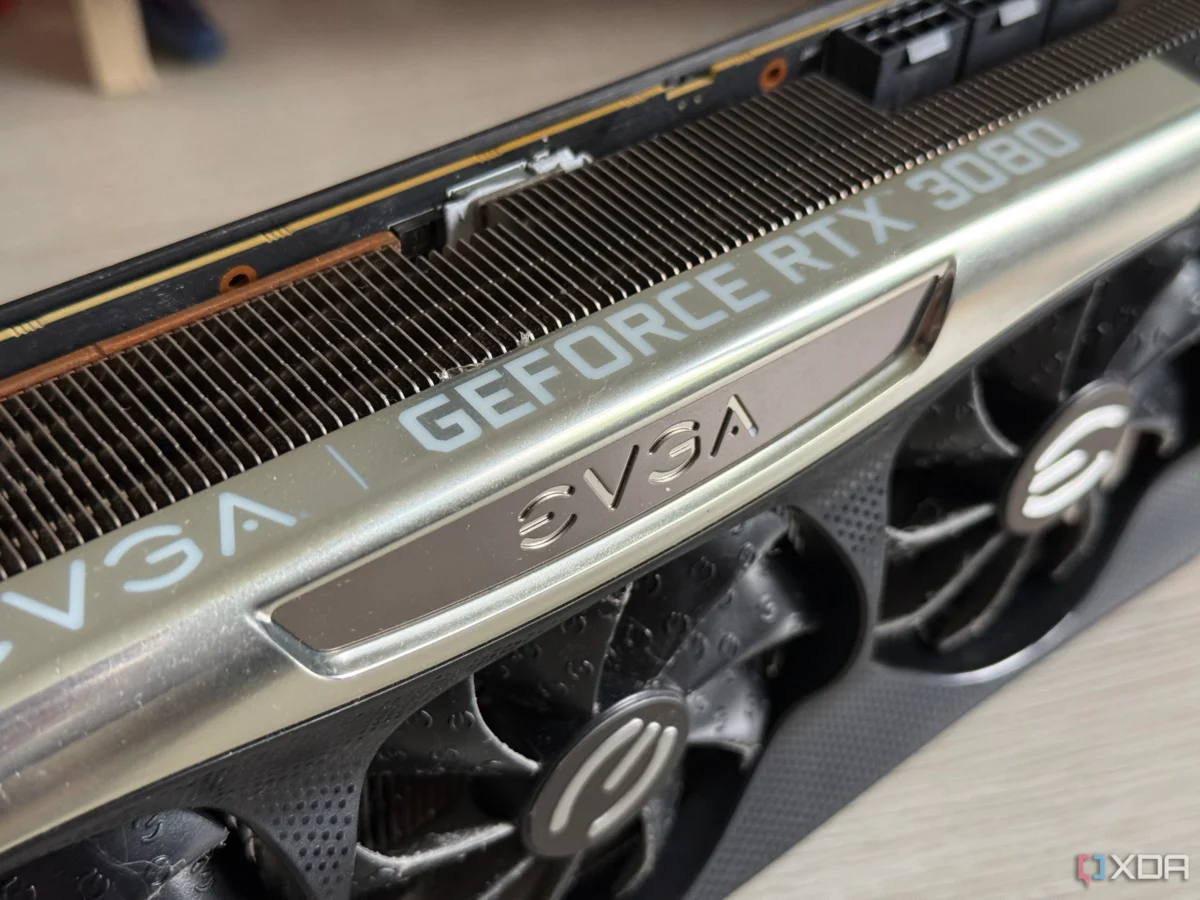
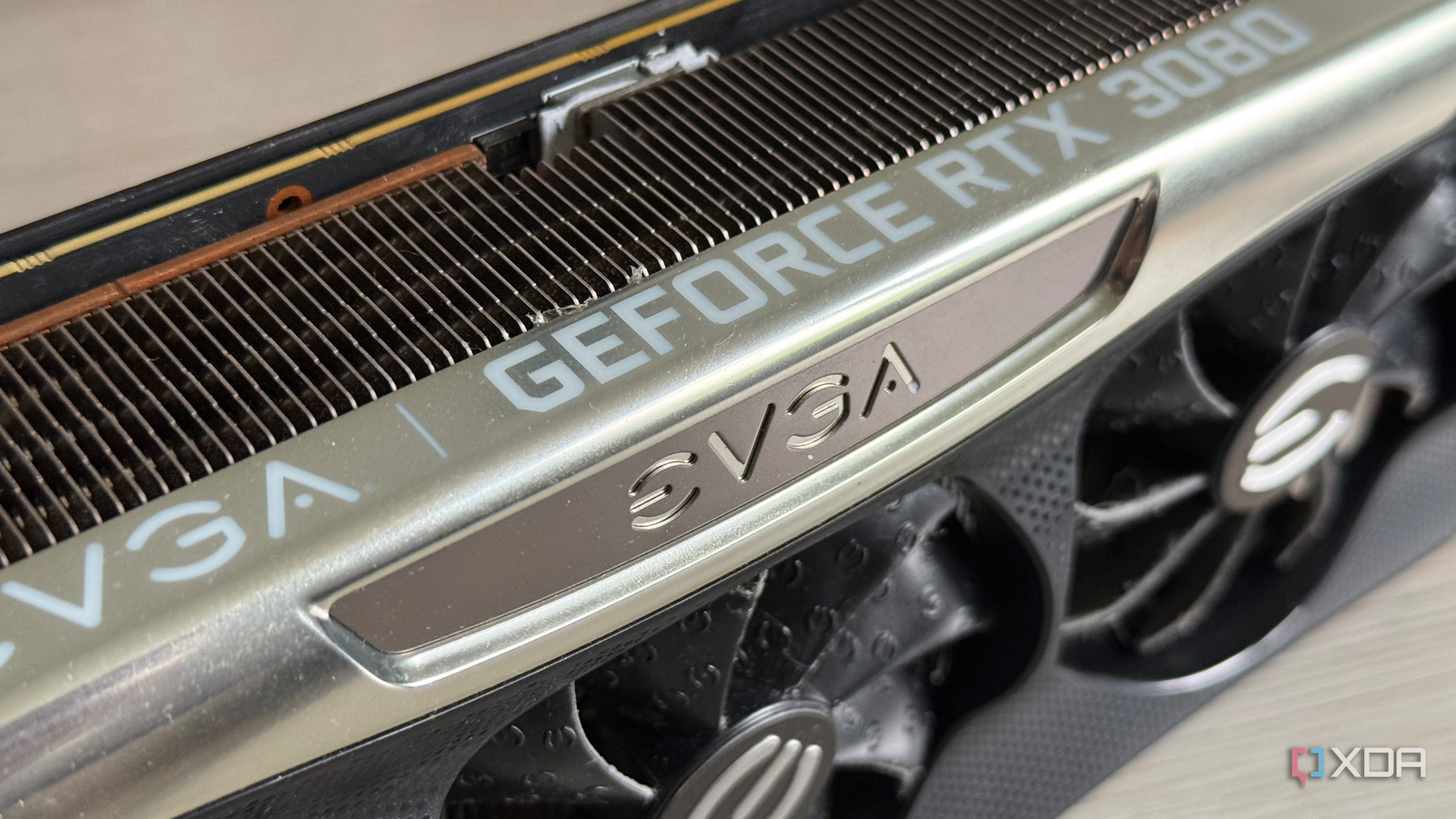
It has been nearly six years since the launch of the Nvidia GeForce RTX 3080, yet for many PC enthusiasts, it remains the gold standard against which all subsequent graphics cards are measured. Arriving in the chaotic landscape of late 2020—a time defined by pandemic-induced supply chain paralysis, unprecedented demand, and scalper-driven markups—the RTX 3080 managed to transcend its own rocky release.
While the Ampere generation represented a necessary pivot for Nvidia after the underwhelming reception of the RTX 20-series, the RTX 3080 was the crown jewel. At a $699 MSRP, it delivered a staggering 65% performance uplift over its predecessor, the RTX 2080. It was a card that felt like a true "80-class" product: powerful, accessible relative to its performance, and uncompromised. Today, looking back from the vantage point of 2026, it is clear that the RTX 3080 was not just a successful product; it was an anomaly. Since its release, Nvidia has engaged in a systematic erosion of the "80-class" and "70-class" tiers, a process of hardware shrinkflation that has left consumers paying more for significantly less relative power.
The Chronology of Decline: A Statistical Regression
To understand why the RTX 3080 feels like a relic of a lost golden age, one must look at the mathematical relationship between mid-to-high-end cards and their respective flagship counterparts (the 90-class cards).
For years, the industry operated on an unwritten rule: an 80-class GPU typically featured roughly 70% of the CUDA cores found in the generation’s flagship. This held true across the GTX 900, GTX 10, and RTX 20 series. Nvidia briefly broke this cycle with the RTX 3080, which boasted an impressive 83% of the CUDA cores present in the RTX 3090. It was the highest ratio of flagship-to-high-end performance seen since the GTX 700 series in 2013.
However, the industry trajectory shifted dramatically following the Ampere generation:
- The RTX 4080 (Ada Lovelace): Nvidia dropped the core count ratio to 59% compared to the RTX 4090.
- The RTX 5080 (Blackwell): The decline continued, with the 5080 featuring only 49% of the CUDA cores found in the RTX 5090.
This downward trend is not merely a technical footnote; it is a fundamental shift in product positioning. While absolute performance has increased, the relative capability of the 80-class card has been gutted. We have moved from a card that delivered nearly 90% of the flagship’s performance (RTX 3080) to one that, by the time of the RTX 5080, trails the flagship by a significantly wider margin.

70-Class Cards: The Victims of "Nomenclature Erosion"
If the 80-class cards have suffered, the 70-class SKUs have been decimated. Historically, these cards were the sweet spot for the high-refresh-rate 1440p gamer. Until the end of the RTX 30 series, 70-class cards maintained roughly 55% of the flagship’s CUDA count.
By the RTX 4070 and RTX 5070, this figure plummeted to 36% and 28%, respectively. This represents a catastrophic loss of value. Users buying into the "70" tier today are receiving less than a third of the architectural horsepower of the flagship, a sharp contrast to the 70% relative performance seen in the RTX 3070 era. When combined with the chronic VRAM stagnation that has plagued these tiers, it is clear that the mid-range GPU is being forced into a state of artificial obsolescence to drive users toward the increasingly expensive 90-series hardware.
The VRAM and Bandwidth Bottleneck
The erosion of value is not limited to raw compute power. Nvidia has also systematically throttled memory bandwidth. In the memory hierarchy, the RTX 3080 held 81% of the bandwidth of the RTX 3090—a balanced spec that allowed the card to age gracefully.
In contrast, the RTX 5080 was released with only 54% of the bandwidth of the RTX 5090. Even more concerning is the RTX 5070, which launched with a mere 38% of the flagship’s memory bandwidth. This is objectively lower than the specs historically reserved for the budget-tier 60-series cards of yesteryear. By restricting bandwidth, Nvidia has effectively placed a hard ceiling on how well these cards perform at higher resolutions, even if they have the theoretical compute power to push the frames.
Market Implications: Why Nvidia Stopped Trying
From a business perspective, Nvidia’s strategy is a masterclass in market dominance. The company realized shortly after the success of the RTX 30 series that it had over-delivered. The RTX 3080 was so good that it arguably cannibalized future sales—why upgrade if your card is already punching above its weight?
In the current AI-dominated era, the gaming GPU market is a secondary concern for Nvidia’s bottom line. With the demand for data center GPUs skyrocketing, Nvidia no longer feels the pressure to offer competitive value to the PC gaming enthusiast. The company has successfully shifted the narrative from "raw performance per dollar" to "AI-assisted frame generation." Marketing campaigns now lean heavily on DLSS and frame interpolation to mask the diminishing returns of the underlying hardware.
The RTX 4080 launch, with its $1,199 price tag, served as the primary signal that the "high-end" tier had been rebranded as "luxury." The subsequent RTX 5080, while technically faster, offered only a marginal 13% uplift over the 4080, all while continuing the trend of reduced architectural resources.
The Consumer Reality: A Unicorn in the Wild
For the gamer, the implications are bleak. We have arrived at a point where the naming convention of graphics cards is effectively meaningless. An "80" or "70" today shares almost no DNA with the products that held those titles half a decade ago.
The RTX 3080 remains a unicorn. Even in 2026, it is a perfectly capable card for 1440p gaming at high settings. However, it is now an aging asset. Owners who are considering an upgrade to the current 50-series are met with a stark choice: pay a premium for a card that offers significantly less value relative to the flagship than their current hardware, or accept a plateau in performance.
The "value" proposition of the PC gaming hardware market has been fundamentally broken. Nvidia has moved past the need to compete on value, relying instead on its unrivaled market position. For the consumer, the lesson of the last seven years is simple: companies rarely repeat their most generous mistakes. The RTX 3080 was likely the last time we will see such an aggressive value proposition from the green team. As we look toward the future, the prospect of an "affordable" high-end GPU is fading into the rearview mirror, replaced by a tiered system designed to extract maximum margins while providing minimum architectural gains.











