

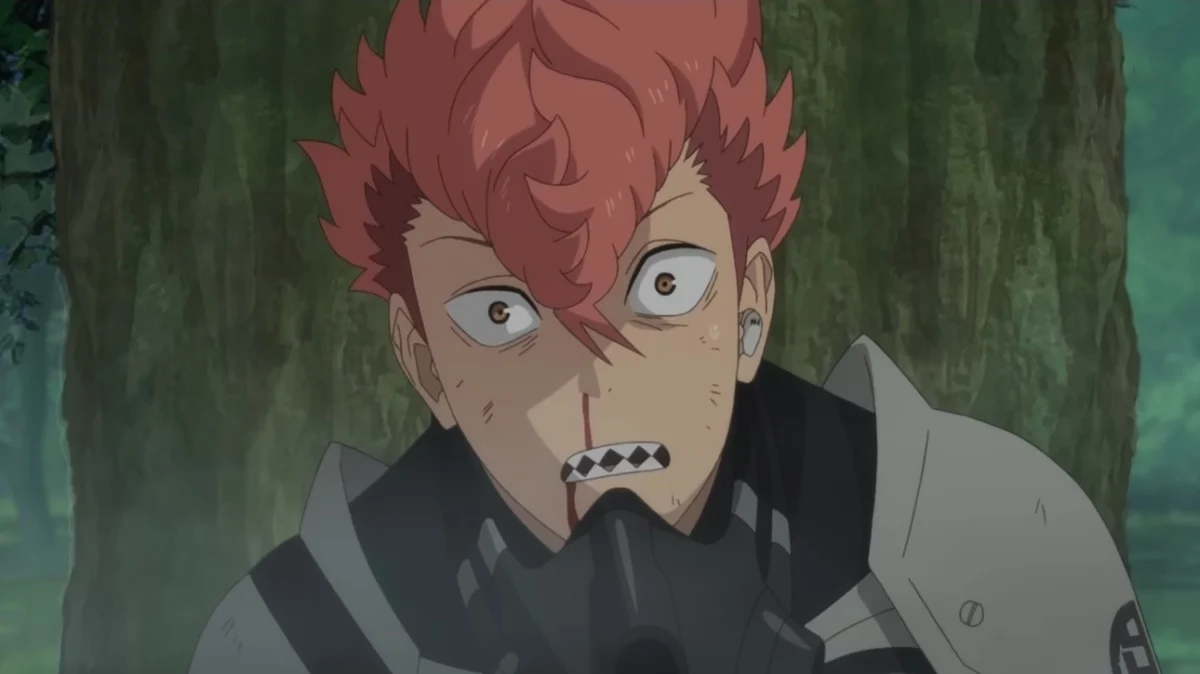
The high-octane battle between humanity and the monstrous Kaiju threats continues to reach new heights as Kaiju No. 8 Season 2 pushes into its most pivotal narrative chapter yet. As the series, based on the smash-hit Shonen Jump manga by Naoya Matsumoto, continues to captivate audiences worldwide, a new promotional trailer has confirmed that the anime is officially transitioning into the intense "Bungui-toge Subjugation Operation" arc.
Beginning with episode 19, this new narrative beat promises to elevate the stakes for Kafka Hibino and the Third Division of the Japan Defense Force. With Production I.G. at the helm, the series continues to blend visceral action with deep character development, solidifying its place as a cornerstone of modern action-shonen anime.
The Evolution of a Global Phenomenon: Main Facts
Kaiju No. 8 has redefined the modern monster-hunting genre by focusing on a protagonist who defies the traditional "chosen one" trope. Kafka Hibino, a 32-year-old cleanup worker, finds himself thrust into the role of a monster—the very thing he sought to eradicate.
The announcement of the "Bungui-toge Subjugation Operation" arc marks a critical juncture in the adaptation of Naoya Matsumoto’s source material. Following the initial trials and tribulations of the Defense Force, the characters are no longer mere recruits; they are now active combatants facing threats that test the limits of their specialized equipment and internal resolve.
The production remains in the capable hands of Production I.G., a studio renowned for its ability to balance fluid animation with intense dramatic pacing. Shigeyuki Miya, known for his work on Blood Lad, continues to serve as the series director, ensuring that the visual identity established in the first season remains consistent while incorporating the darker, more tactical tone required for the Bungui-toge operations.
A Timeline of Struggle: Chronology of the Series
To understand the significance of the upcoming arc, one must look back at the trajectory of Kafka Hibino’s journey.
The Origins of the Promise
The narrative began with a simple, childhood pledge: "Let’s wipe out the Kaiju together." Kafka and his childhood friend, Mina Ashiro, dreamed of joining the Japan Defense Force. However, life took them in vastly different directions. While Mina rose to become the prestigious Captain of the Third Division, Kafka found himself trapped in the mundane reality of Monster Sweeper, Inc., the cleanup crew tasked with disposing of the biological carnage left behind by Defense Force battles.
The Awakening
The catalyst for the series was the arrival of Reno Ichikawa, a young, determined recruit at the cleanup firm. His presence served as a mirror for Kafka, reflecting the ambition he had long buried. After a life-altering encounter with a parasitic Kaiju that granted him the ability to transform into "Kaiju No. 8," Kafka finally secured a spot in the Defense Force, albeit while hiding his true nature from his superiors and comrades alike.
The Current Crisis
As the anime heads into the Bungui-toge Subjugation Operation, the story is moving beyond the initial "introduction" phase. The characters have survived basic training, personal losses, and the psychological trauma of knowing that one of their own—Kafka—is the very entity they are sworn to destroy. The transition into this new arc represents the shift from internal character growth to large-scale, tactical warfare.
The Architect of the Chaos: Production and Creative Vision
The success of Kaiju No. 8 is not merely due to its monster-slaying premise; it is heavily supported by a powerhouse creative team.
Ichiro Okouchi, whose previous contributions to the medium include SPY×FAMILY Code: White, Azumanga Daioh, and the high-octane Sk8 the Infinity, serves as the head writer. Okouchi’s ability to balance ensemble-cast dynamics with high-stakes thriller elements has been instrumental in translating the manga’s fast-paced panels into coherent, episodic television.

Supporting the visual and narrative team is composer Yuta Bandoh, whose score has been praised for its industrial, heavy-hitting sound design. The music functions as a character in itself, grounding the fantastical battles in a sense of urgent, modern reality. By maintaining this core creative team into the second season, the production committee has ensured that the show retains its identity while scaling up the intensity of the animation sequences.
Supporting Data: Why the Bungui-toge Arc Matters
The Bungui-toge arc is widely considered a turning point in the original manga. For viewers who have only experienced the anime, this arc introduces:
- Tactical Complexity: Unlike previous battles, which often relied on raw power, the Bungui-toge operation demands high-level coordination between divisions.
- Character Stakes: The psychological toll of the conflict reaches a boiling point. As the Defense Force encounters more sophisticated Kaiju, the lines between human capability and monster-derived power begin to blur.
- Expanded Lore: The operation provides a deeper look into the history of the Kaiju, the origins of the Defense Force’s equipment, and the mysterious motivations of the higher-ranking officials who oversee the protection of Japan.
The trailer released on August 27, 2025, emphasizes these shifts, showcasing animation that appears more fluid and "weighty" than that of the first season. The use of traditional 2D animation blended with high-fidelity digital effects captures the sheer scale of the Kaiju, making the threats feel genuinely insurmountable.
Official Responses and Industry Outlook
Following the announcement, official sources at the Kaiju No. 8 portal confirmed that the production team is working closely with Naoya Matsumoto to ensure that the adaptation of the Bungui-toge arc respects the original intent of the manga while utilizing the medium of animation to its fullest potential.
"We wanted to make sure that the audience felt the pressure of the Bungui-toge operation," a production spokesperson noted. "It isn’t just about fighting; it’s about the burden of leadership and the cost of the promise Kafka made all those years ago."
Industry analysts have pointed to Kaiju No. 8 as a primary driver for the recent resurgence in "monster-focused" shonen media. By streaming simultaneously on platforms like Crunchyroll, the series has successfully reached a global audience, proving that high-budget, well-scripted action anime continues to be one of the most profitable and engaging segments of the entertainment industry.
Implications: Where Does Kafka Go From Here?
The move into the Bungui-toge Subjugation Operation carries significant thematic implications. For Kafka Hibino, the challenge is no longer just "keeping his secret." It is about deciding what that secret is worth in the face of a crisis that threatens his entire unit.
If the anime follows the trajectory of the manga, the upcoming episodes will force Kafka to confront the reality that he cannot hide in the shadows forever. His proximity to Captain Mina Ashiro—the person he pledged to fight alongside—is both his greatest motivation and his greatest vulnerability. As the Bungui-toge operation unfolds, the audience should expect:
- Increased Screen Time for Side Characters: The arc focuses on the growth of Kafka’s peers, such as Reno Ichikawa and Kikoru Shinomiya, as they adapt to more advanced combat gear.
- A Shift in Tone: The humor that defined early episodes will likely give way to a more somber, military-thriller atmosphere as the reality of the war against the Kaiju becomes unavoidable.
- The "Monster" Dilemma: The series will continue to interrogate whether Kafka is more human for his actions or more of a monster for his powers.
Conclusion
As the Japan Defense Force prepares for the Bungui-toge Subjugation Operation, the audience is left with a sense of anticipation. Kaiju No. 8 has successfully bridged the gap between a niche manga hit and a global animation sensation. With the creative team at Production I.G. pushing the boundaries of what is possible in television animation, the next arc promises to be a defining moment for the series.
Whether you are a long-time reader of the manga or a newcomer drawn in by the high-octane trailers, the journey of Kafka Hibino is far from over. The promise he made to Mina Ashiro—to wipe out the Kaiju—is closer to fruition than ever, but the path to that goal has never been more perilous.
Fans can look forward to the start of this intense new chapter in episode 19, which promises to deliver some of the most spectacular battle sequences in the show’s history. As the series continues to stream globally, one thing is certain: the war against the Kaiju is only just beginning.












No comments yet. Be the first to join the conversation!