By Global Affairs Desk
In a development that has sent ripples through the international diplomatic community, U.S. President Donald Trump and Russian President Vladimir Putin engaged in an extensive 90-minute telephone conversation this past Saturday. The dialogue, which occurred on the American Independence Day holiday, centered on the protracted conflict in Ukraine and the urgent search for a diplomatic resolution.
The Kremlin confirmed the nature of the talks early Sunday, with presidential aide Yuri Ushakov indicating that the U.S. President expressed a direct willingness to assist in mediating a path toward peace. The communication follows a week of intense geopolitical maneuvering, underscored by the NATO summit currently being hosted in Turkey.
The Diplomatic Timeline: A Weekend of Strategic Outreach
The engagement between Washington and Moscow did not occur in a vacuum. To understand the significance of this 90-minute exchange, one must examine the rapid succession of events that preceded it:
- Early Week: International focus shifted to Turkey as leaders gathered for a pivotal NATO summit, addressing regional security architectures and the ongoing war in Eastern Europe.
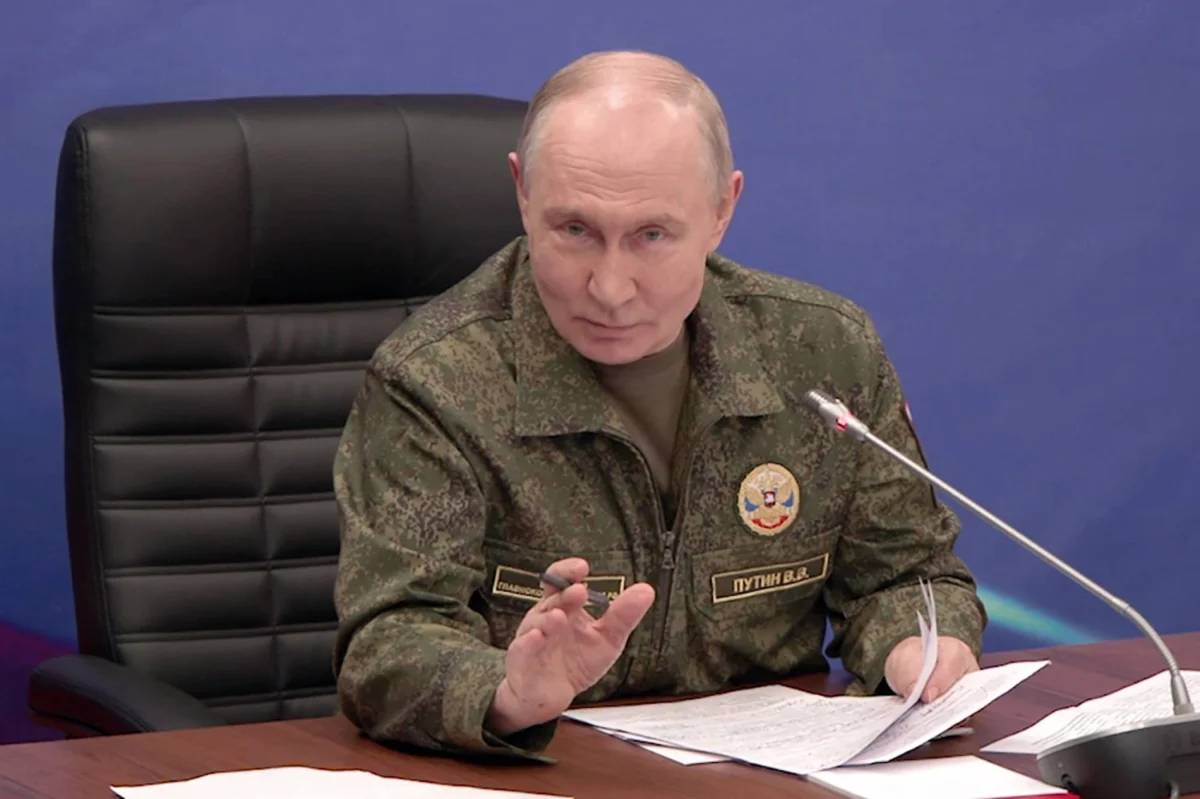
- Friday: Russian state media released footage showing President Putin visiting a military command post, a visual signal of Russia’s continued commitment to its "special military operation" and direct involvement in tactical oversight.
- Saturday (U.S. Independence Day): President Trump initiated the call with President Putin. According to Kremlin sources, the discussion was wide-ranging, focusing specifically on the potential for a ceasefire or a negotiated settlement in Ukraine.
- Saturday Evening: Ukrainian President Volodymyr Zelenskyy confirmed that he, too, had been in communication with President Trump, suggesting that Washington is attempting to engage both sides of the conflict simultaneously.
Main Facts and Contextual Framework
The core of the matter remains the stark divergence between the Kremlin’s stated war aims and the Ukrainian government’s insistence on territorial integrity. President Trump’s offer to "help find a solution" marks a significant shift in U.S. executive posture. While the specific details of the proposal remain classified, the length of the call suggests a substantive dive into the conditions required for de-escalation.
For the Kremlin, the call serves as a platform to normalize high-level communication with the White House, despite the sanctions regime and the extensive military aid provided by the U.S. to the Ukrainian Armed Forces. For Washington, the outreach represents a pivot toward the "America First" diplomatic style that prioritizes bilateral negotiation over the traditional multilateral consensus often favored by institutional allies.
The Turkish Summit: The Backdrop of Tensions
The choice of Turkey as the site for the recent NATO summit is not coincidental. Ankara has positioned itself as a unique broker in this conflict, maintaining open channels with both Moscow and Kyiv while remaining a cornerstone of the NATO alliance.
As leaders in Turkey discussed the strengthening of the Black Sea security corridor and the implications of long-range weapon deployments, the Trump-Putin dialogue added a layer of complexity to the summit’s proceedings. Diplomats on the ground reported a sense of uncertainty, as the sudden U.S.-Russia bilateral channel risks bypassing the collective security frameworks that NATO members have spent the last two years reinforcing.
Official Responses and Global Reaction
The Kremlin’s Perspective
Yuri Ushakov, speaking on behalf of the Russian administration, emphasized that the conversation was constructive. By making the content of the call public shortly after its conclusion, Moscow signaled its desire to project strength and diplomatic relevance. The imagery released on Friday—showing Putin in a military command center—serves as the domestic counterpart to this diplomatic outreach: Russia will negotiate, but only from a position of perceived military dominance.

The View from Kyiv
President Zelenskyy’s confirmation of a separate call with Trump suggests that Ukraine is keenly aware of the risks associated with unilateral U.S.-Russia diplomacy. Kyiv has consistently maintained that any peace agreement must include the restoration of its pre-2022 borders and international security guarantees. The fear in Kyiv is that a "solution" brokered by external powers might come at the expense of Ukrainian sovereignty.
The View from Washington
The White House has remained relatively tight-lipped regarding the specific mechanics of the offer. However, supporters of the President’s approach argue that the conflict has reached a bloody stalemate, and that only a direct intervention by the U.S. President has the leverage required to force both parties to the table. Critics, conversely, worry that such overtures could undermine the unity of the Western coalition and embolden the Kremlin to demand concessions that would destabilize Eastern Europe for decades.
Implications for Global Security
The implications of this 90-minute call are profound and multi-faceted:
1. The Future of the Transatlantic Alliance
If the U.S. proceeds with an independent mediation track, it could signal a weakening of the NATO-centric approach to the conflict. European leaders, many of whom have invested heavily in the defense of Ukraine, may view this as an attempt to trade European security for a quick diplomatic "win" that ignores the long-term strategic threats posed by an aggressive Russian foreign policy.
2. The Potential for a "Frozen Conflict"
Diplomatic analysts warn that if a ceasefire is negotiated without addressing the root causes of the invasion, the region may face a "frozen conflict" scenario similar to those in Georgia or Moldova. This would effectively lock in current front lines, leaving millions of Ukrainians under occupation and creating a permanent state of tension along the European border.
3. The Shift in U.S. Foreign Policy
President Trump’s desire to resolve the war quickly reflects a broader campaign promise to end "endless wars." By engaging directly with Putin, he is testing the efficacy of his personal diplomacy. Whether this results in a genuine breakthrough or a strategic miscalculation remains the central question of his term’s foreign policy legacy.
Conclusion: A Delicate Path Ahead
The coming weeks will be critical. As the international community parses the details of the weekend’s communications, the focus will shift to whether the Trump administration can translate a 90-minute telephone call into a viable, sustainable framework for peace.
The war in Ukraine has already reshaped the global economy, redefined security alliances, and claimed countless lives. While the desire for a solution is universal, the path to achieving one is fraught with historical grievances, strategic distrust, and the hard reality of the battlefield. As President Trump navigates this diplomatic minefield, the world watches to see if this call represents the beginning of the end of the conflict or merely a tactical pause in a much larger, and far more dangerous, geopolitical struggle.
As the situation develops, stay tuned for further updates on this story. Quality journalism is essential to understanding the complexities of our global landscape. If you value this in-depth reporting, please consider subscribing to our publication to support our ongoing efforts to track these critical events.