Suro Senen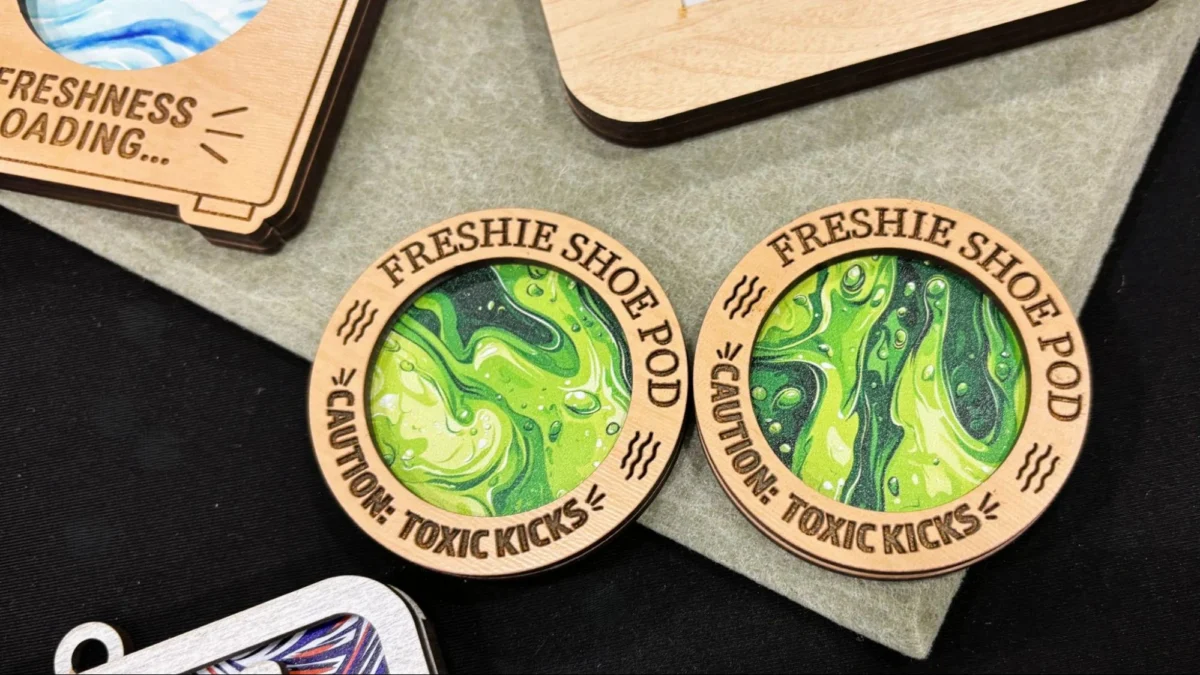
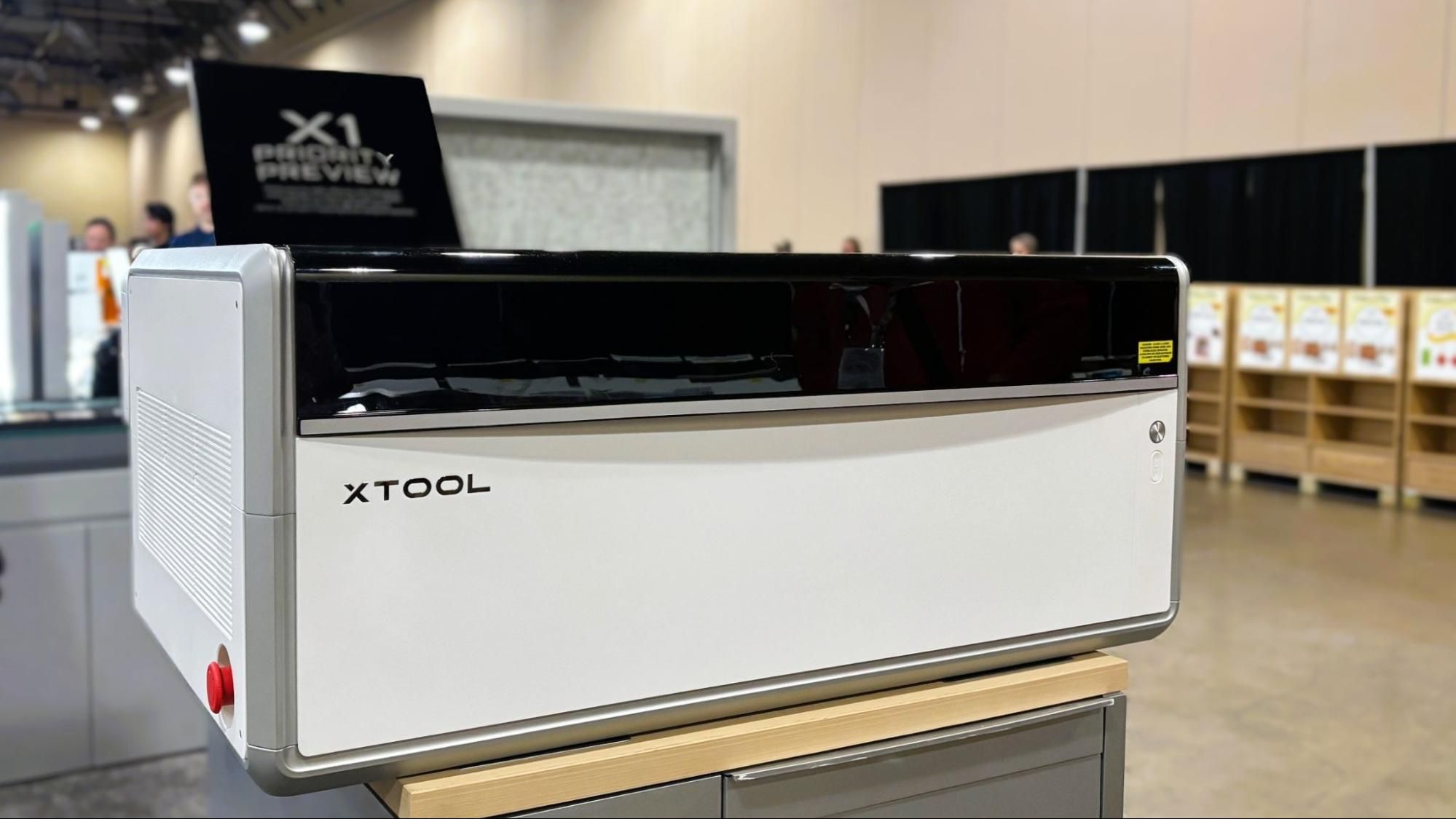
The landscape of professional-grade desktop fabrication is undergoing a seismic shift. At the recent Next Level Maker Conference held in Grapevine, Texas, industry leader xTool unveiled a series of technological advancements that promise to redefine the capabilities of independent creators and small-business owners. Most notably, the company announced the upcoming launch of the X1—a modular, high-speed laser system designed to be the "last laser" a user ever needs to purchase.
This announcement, coupled with the introduction of the SE1 embroidery machine and a vibrant showcase of small-business software and material solutions, underscored a broader trend: the democratization of high-end manufacturing. As creators increasingly move from hobbyist pursuits to full-scale commercial operations, companies like xTool are pivoting to provide the industrial-grade modularity required to sustain that growth.
The X1: A New Paradigm in Laser Technology
The headline of the conference was undoubtedly the X1, a machine that xTool describes as a "final-stage" investment for serious makers. Unlike previous generations of laser cutters that required users to choose between specific technologies, the X1 is built on a modular architecture that supports a staggering array of laser types: CO2, Diode, UV, Fiber, and MOPA.
Technical Breakthroughs and Modular Design
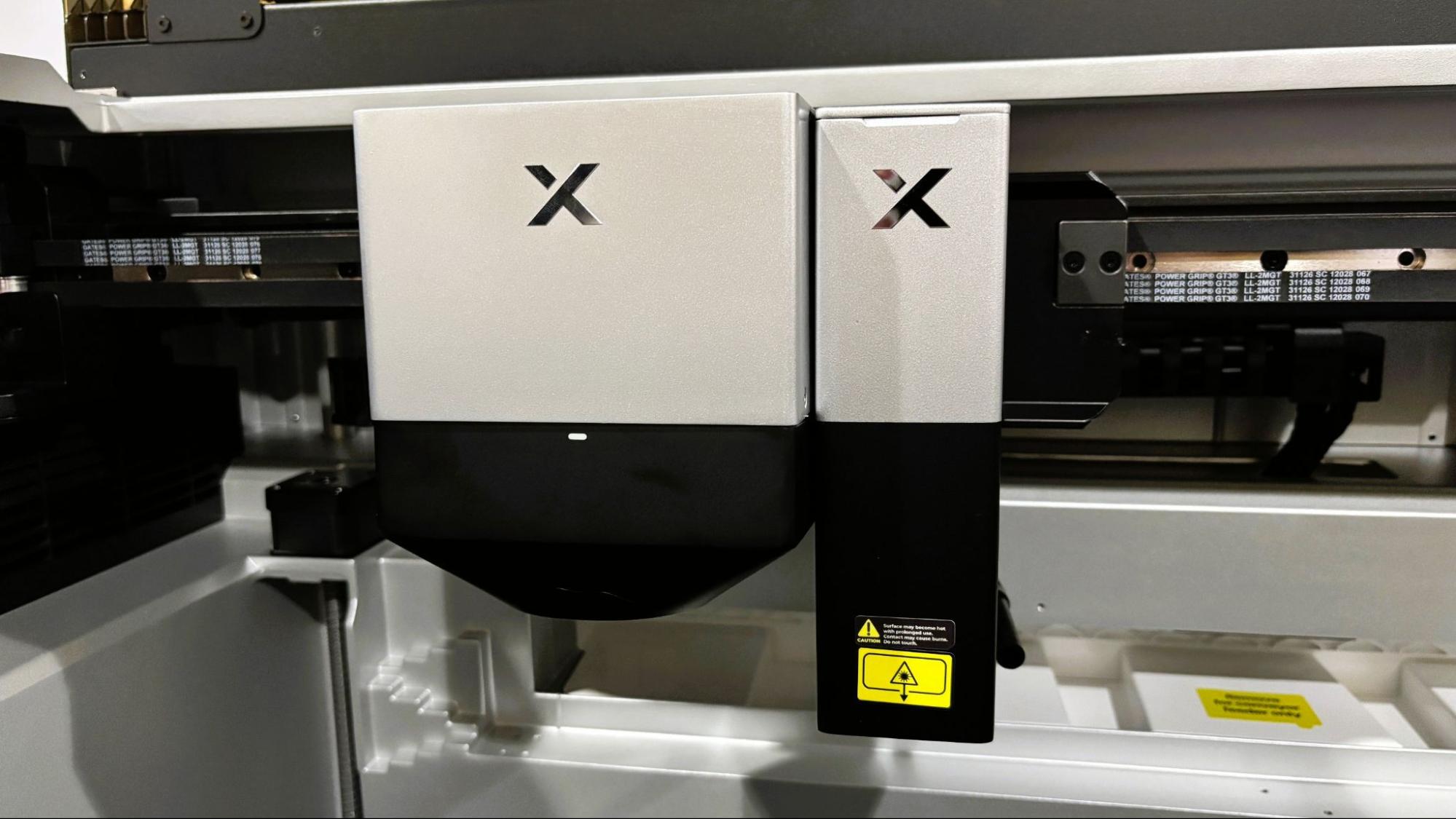
Historically, "all-in-one" machines have relied on cumbersome, time-consuming toolhead swaps that often limited precision or power. The X1, however, utilizes a sophisticated "swappable backpack" system. This innovation allows users to change the laser frequency routed to the galvo head seamlessly. Whether a creator needs to perform wood-burning with a diode, crystal engraving with a UV laser, or intricate metal etching with a MOPA source, the X1 adapts to the task.
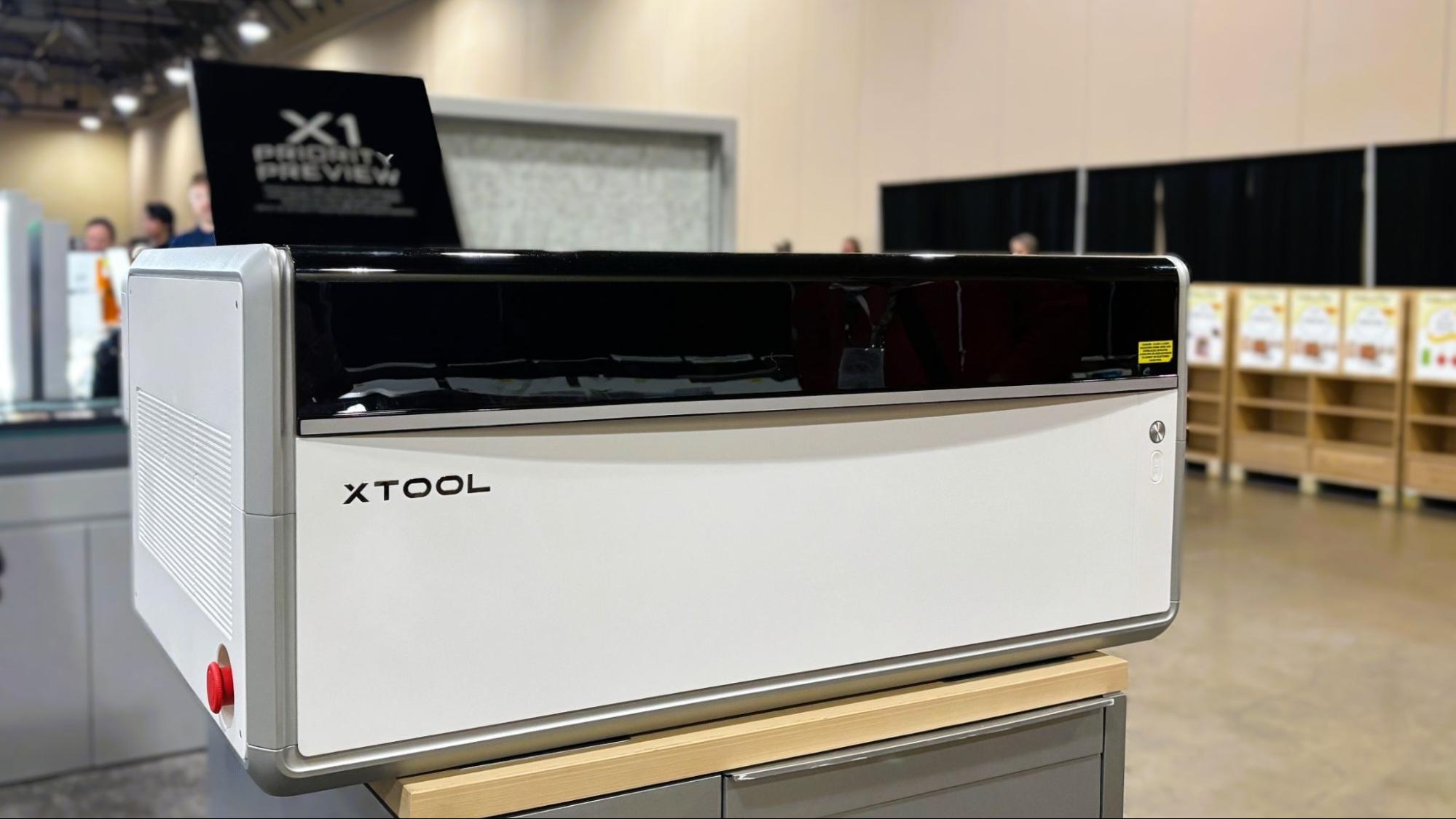
Furthermore, the X1 marks xTool’s entry into the "flying-galvo" category. By combining the expansive work area of a traditional gantry system with the blistering speed of galvo-mirror technology, the machine effectively bridges the gap between massive industrial CO2 cutters and precision laser engravers.
Dual-Head Capability
Perhaps the most impressive technical feat is the X1’s dual-head system. The unit is designed to house both a high-power 55W CO2 laser and a 20W diode laser simultaneously. The system’s intelligent controller can automatically deploy the most appropriate tool for a specific job, or coordinate both heads for complex, multi-stage projects. While pricing remains under wraps, the industry is watching closely ahead of the scheduled October launch, as this machine could potentially replace thousands of dollars worth of disparate equipment.
Diversification: The Entry into Textile Fabrication
While lasers dominated the conversation, xTool signaled a clear strategic move to become a comprehensive manufacturing ecosystem provider rather than a singular hardware brand. The unveiling of the SE1 embroidery machine represents a significant expansion of the company’s product roadmap.
Bridging the Gap in Textile Art
Full-color, professional-grade embroidery has long been gated by high costs—often requiring multi-needle, multi-thousand-dollar machines that carry a steep learning curve. The SE1 is designed to be an accessible entry point for makers already within the xTool fold.
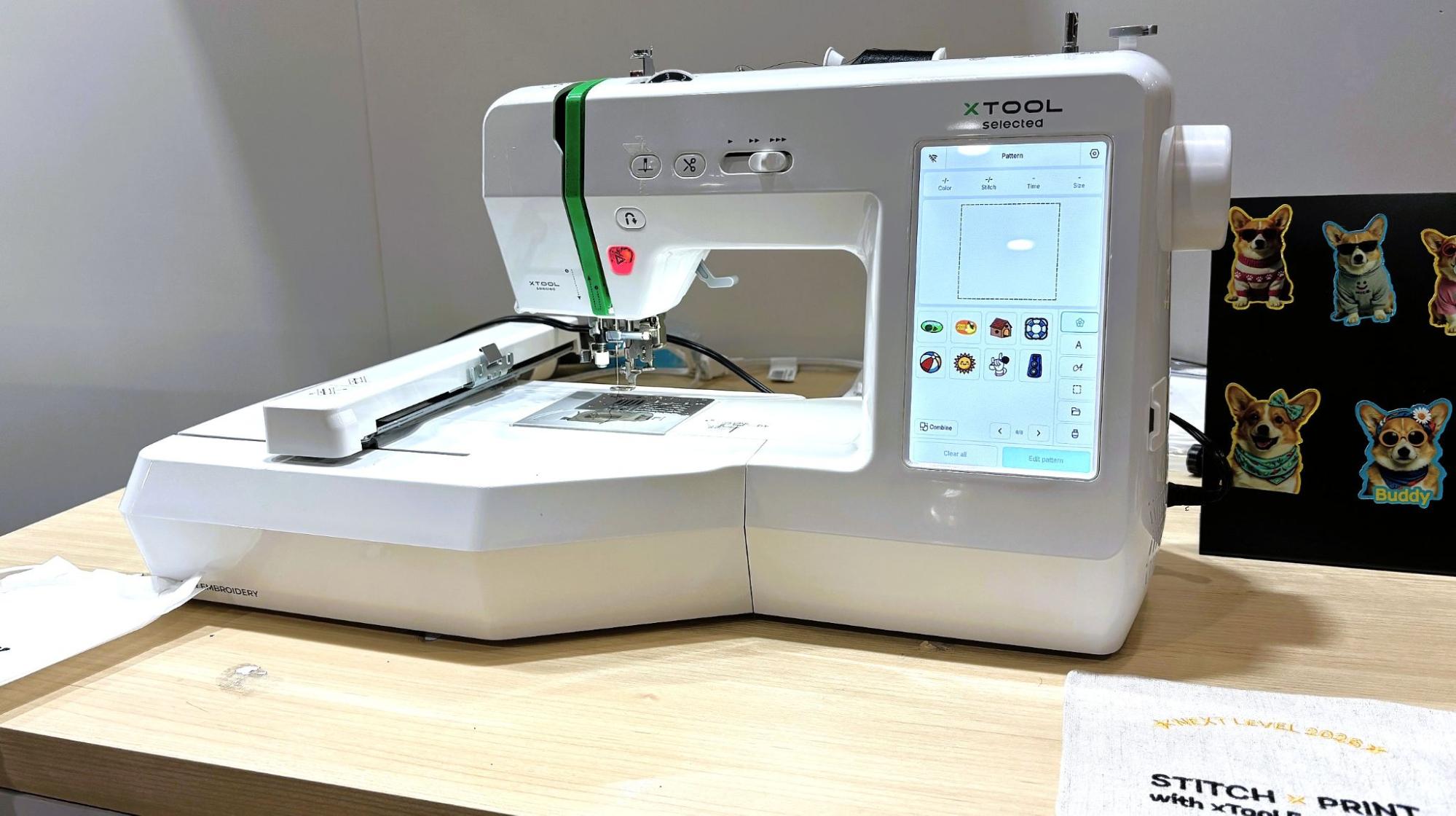
The machine supports both standard stitching and single-color embroidery. In a clever integration, the SE1 is designed to be paired with xTool’s O1 Omni printer. This combination allows for a unique workflow: a design is stitched onto fabric, which is then moved to the UV printer to apply precise, full-color detailing. The final result is finished using a standard heat press to set the Direct-to-Garment (DTG) ink. This process, while seemingly complex, provides a high-value product finish that was previously unattainable for small-scale creators without significant capital investment.
The Ecosystem of Success: Vendor Hall Highlights
The Next Level Maker Conference was not merely a hardware showcase; it served as a hub for the thriving community of makers who have successfully pivoted their hobbies into sustainable businesses. The vendor hall highlighted the vital role that material providers and software developers play in this ecosystem.
Makerflo: Elevating Materials for Professionals
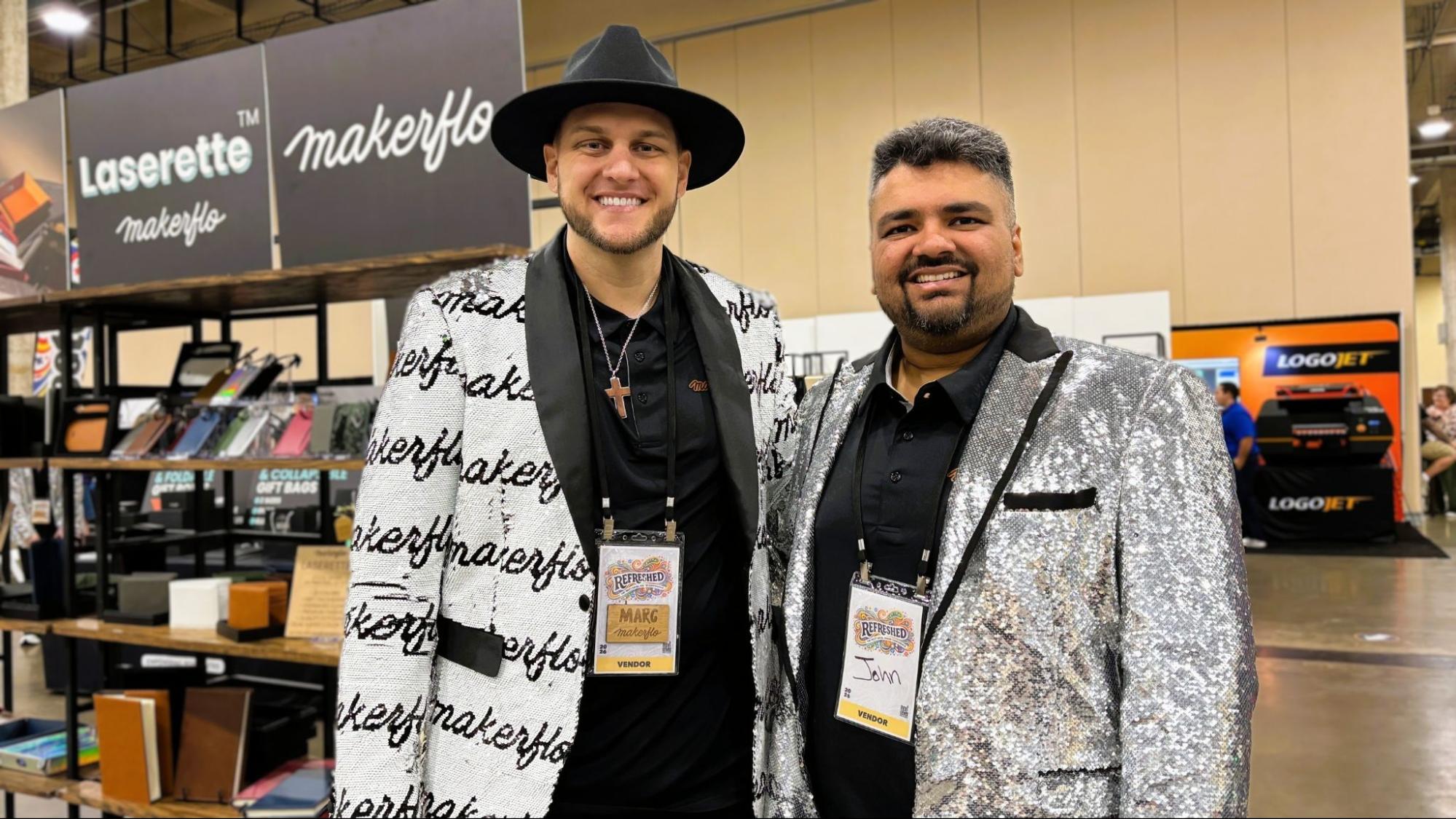
Marc Pendergraft and John Modi, the founders of Makerflo, provided a masterclass in business growth. Having transitioned from college-side-hustle to a premier wholesale supplier, they emphasized the importance of "premium, laser-ready merchandise."
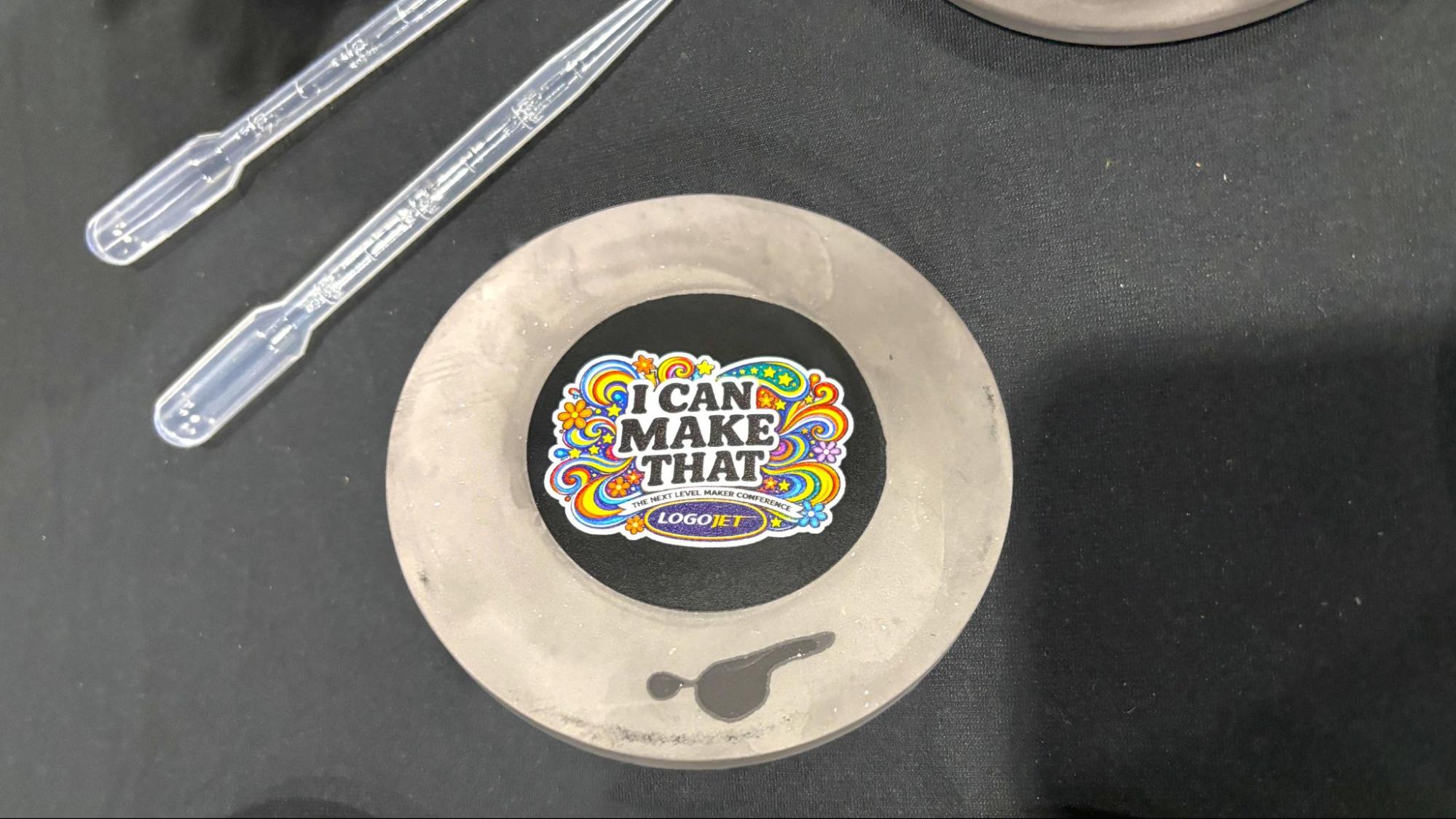
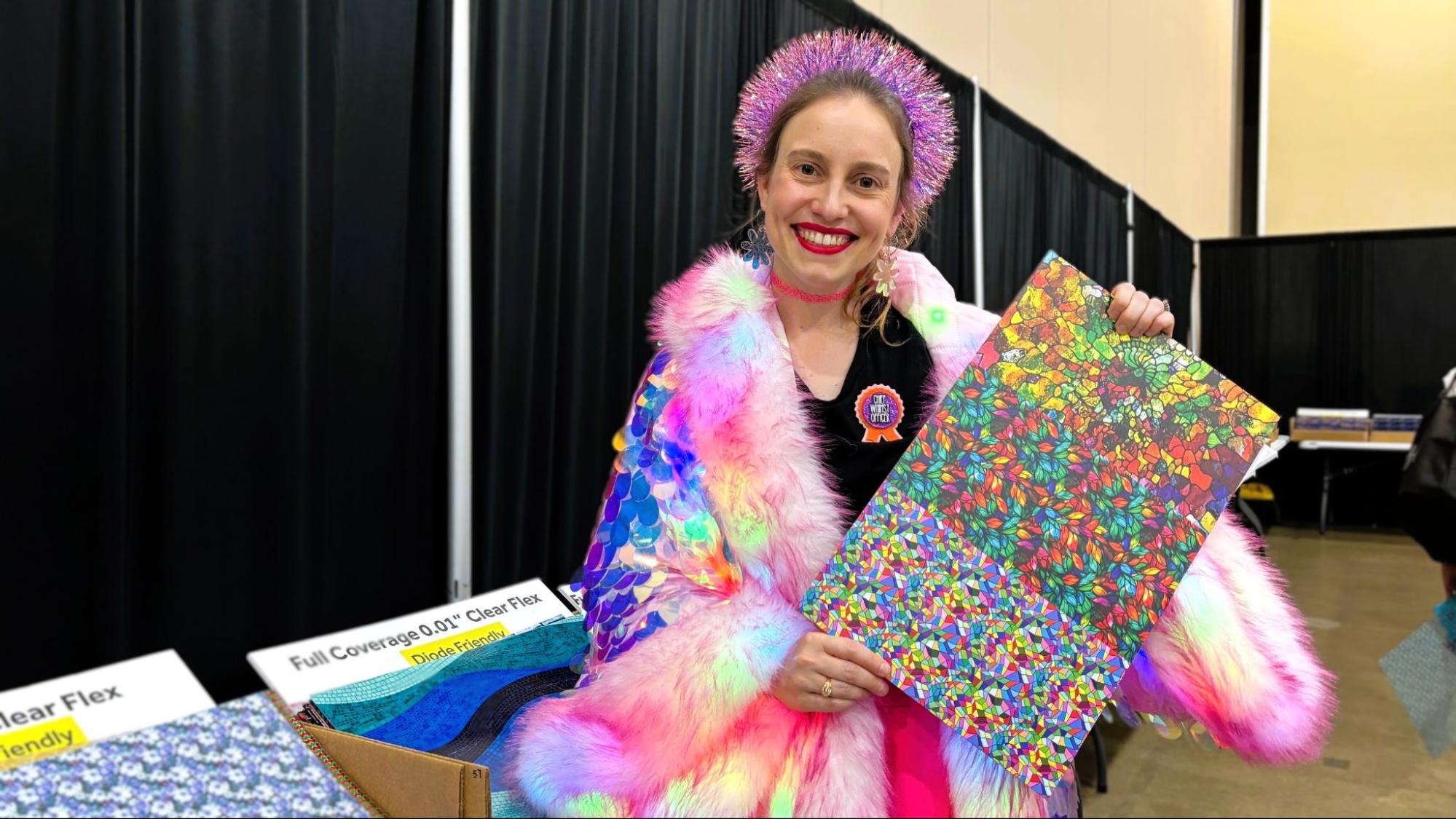
Their booth showcased advanced materials, such as stone coasters with embedded metal discs, designed specifically to minimize failure rates for laser users. By providing upscale gift packaging and reliable, high-quality substrates, Makerflo is helping creators move away from low-margin goods toward high-value, boutique products that can command premium pricing in the marketplace.
Smokey Hill Designs: Quality Standards in Substrates
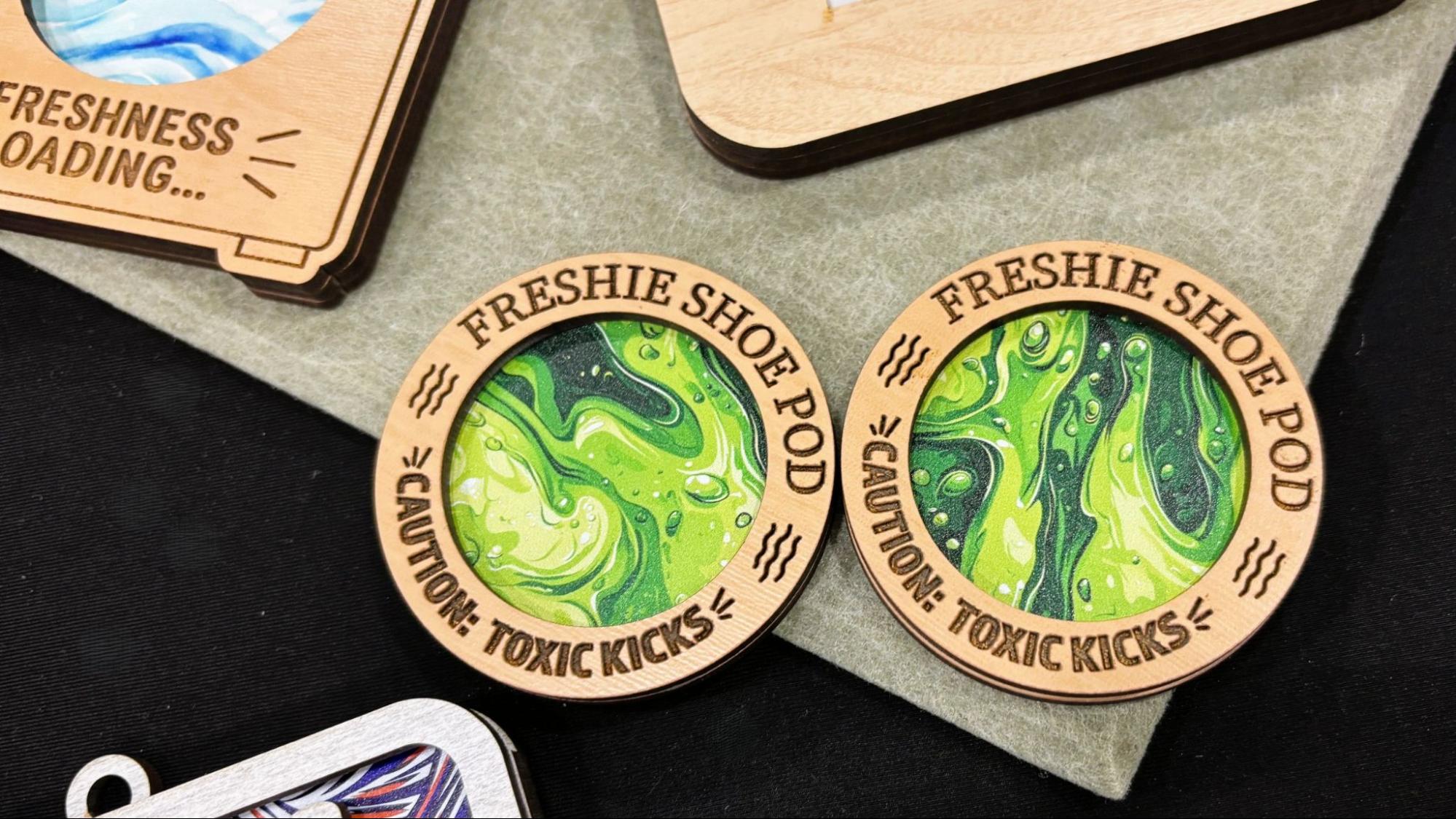
Angela Cruise of Smokey Hill Designs showcased a range of materials—plywood, acrylics, and leatherette—that are manufactured to strict, laser-safe standards. Her company’s focus is on efficiency; by offering pre-finished, high-quality materials, she enables makers to focus on design and production rather than the time-consuming process of material preparation. The introduction of "Freshy Sheets," a material designed to hold essential oils for custom-cut air fresheners, demonstrated the kind of creative, niche product development that allows small businesses to differentiate themselves.
BurnForge and Maker Studio: Digital Infrastructure
Hardware is only as effective as the software driving it. Two standout software developers presented solutions to common pain points in the maker industry:
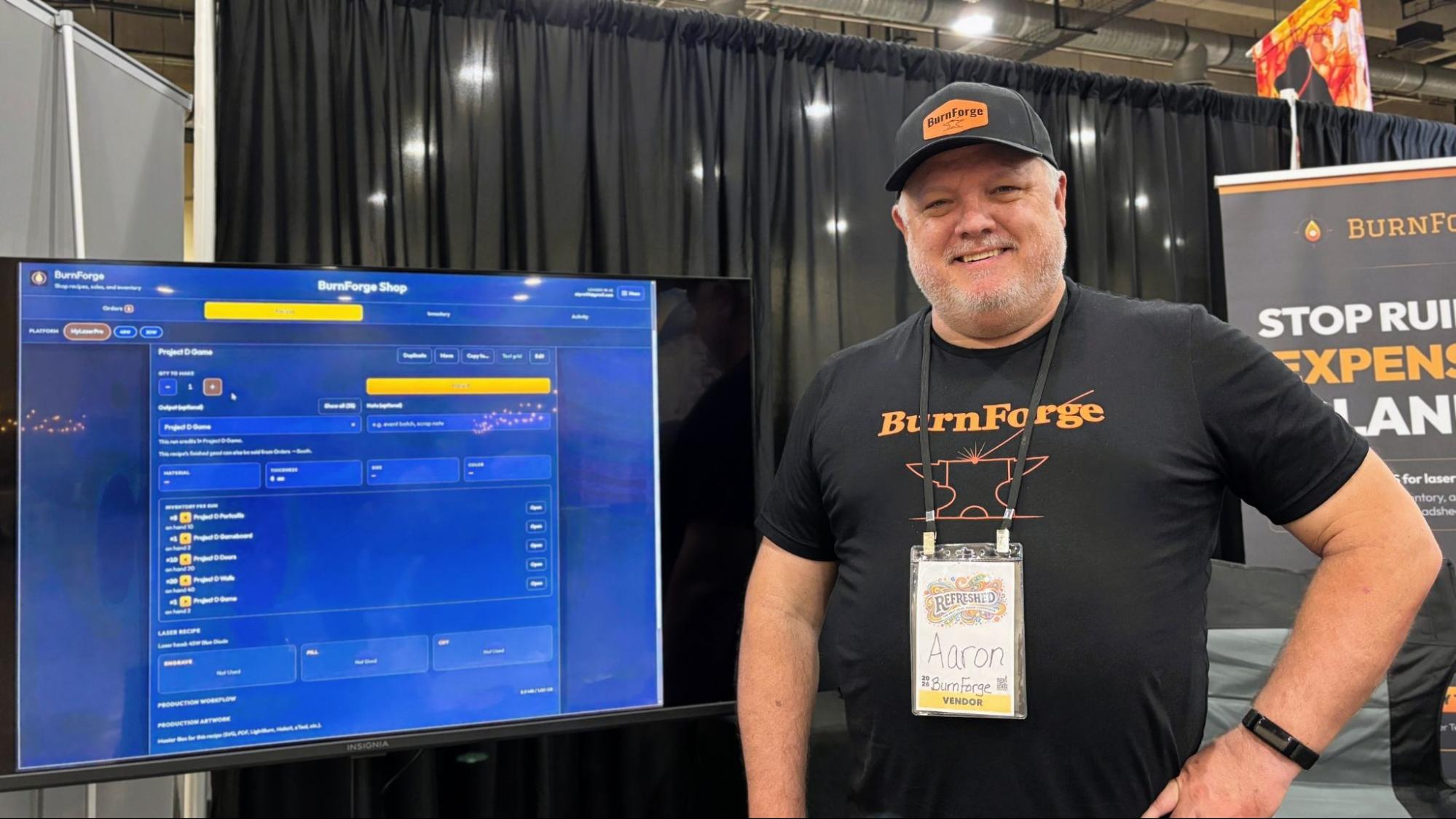
- BurnForge Software: Aaron Pratt’s subscription-based platform is designed to track customer orders, machine settings, and inventory. For many makers, the primary barrier to profitability is the loss of material due to incorrect settings. BurnForge acts as a digital logbook that ensures consistency, effectively preventing the "ruining of expensive blanks."
- Maker Studio: Founded by Elias and Isaiah Grey, this suite of apps automates the creation of 3D terrain relief maps and layered laser-cut designs. By removing the need for advanced CAD skills, Maker Studio allows creators to monetize real-world locations—a highly popular niche in the custom souvenir market.
Industry Implications: The "Professionalization" of the Maker
The advancements presented at the Next Level Maker Conference reflect a broader shift in the "Maker Movement." We are witnessing a transition where the boundaries between hobbyist, prosumer, and small-batch manufacturer are blurring.
Lowering the Barrier to Entry
The integration of software like Maker Studio and BurnForge, paired with high-performance, versatile hardware like the xTool X1, significantly lowers the technical barrier to entry. Creators are no longer required to be engineers to run a sophisticated manufacturing line. Instead, the "stack"—hardware, software, and raw materials—is becoming a turnkey solution.
The Rise of the Micro-Factory
As these tools become more accessible, we are likely to see an increase in "micro-factories." These are businesses that operate out of homes or small studios but utilize industrial-grade technology to produce goods that rival mass-produced items in quality and complexity. The focus on high-quality substrates (Smokey Hill) and professional business tracking (BurnForge) suggests that the next generation of makers is prioritizing sustainability and profitability from day one.
Conclusion: A Future Built by Many
The Next Level Maker Conference highlighted that the future of manufacturing is not necessarily happening in large, centralized plants, but in the garages, spare bedrooms, and small studios of independent entrepreneurs.
xTool’s pivot toward a modular, "do-it-all" hardware ecosystem, combined with a supportive community of material and software partners, provides a roadmap for this evolution. As we look toward the launch of the X1 this October, it is clear that the definition of what a single person can accomplish with digital fabrication is being rewritten. For the modern maker, the constraints are no longer found in the equipment, but only in the imagination of the creator.
Disclaimer: xTool provided travel accommodations for the author to attend this event. Coverage remains editorially independent and adheres to professional journalistic standards.

 Reynand Wu
 Lina Irawan