In the ever-evolving landscape of digital art, few creators manage to bridge the gap between commercial precision and emotive storytelling with the grace of Pavel Yurev. Based in Australia, Yurev has carved out a distinct niche as a 2D illustrator and character designer. With a professional history that includes contributions to the gaming juggernaut Playrix and a current in-house role at the acclaimed Grafit Studio, Yurev’s portfolio serves as a masterclass in modern fantasy design. His work, deeply rooted in the aesthetics of contemporary cinema and interactive entertainment, is currently being highlighted as part of an ongoing series celebrating the industry’s most influential digital artists.
A Career Defined by Craft and Collaboration
Pavel Yurev’s trajectory into the upper echelons of character design is a testament to the power of technical discipline coupled with narrative ambition. His professional journey has been marked by a series of high-profile collaborations that have honed his ability to translate abstract concepts into fully realized visual assets.
Yurev’s time with Playrix—a company synonymous with high-engagement mobile gaming—provided him with the foundational experience necessary for scaling art production without sacrificing character depth. This experience proved pivotal, teaching him how to balance the commercial requirements of "splash art" and character icons with the nuanced lighting and anatomy that define high-end concept art.
Today, operating from within the walls of Grafit Studio, Yurev has transitioned into a role that allows for greater creative autonomy. Grafit, known for its work on some of the most recognizable titles in the gaming industry, provides the ideal ecosystem for an artist obsessed with the technicalities of fantasy creatures. Yurev notes that his creative process is heavily influenced by the visual languages of modern computer games and blockbuster films, where light, shadow, and silhouette work in tandem to convey character history in a single frame.
The Anatomy of an Illustration: A Closer Look at Three Works
To understand Yurev’s philosophy, one must look at his specific approach to composition. He avoids the "static" nature of traditional character design, instead choosing to inject his work with a sense of "lived-in" history.
Lichtar: A Study in Empathy
Perhaps the most telling example of Yurev’s work is Lichtar. While many professional illustrators produce work exclusively for client briefs, Lichtar represents a more personal endeavor. "Lichtar is an original character," Yurev explains. "I did a lot of cards for Blizzard, so I wanted to make this for a friend who was going through a difficult time."
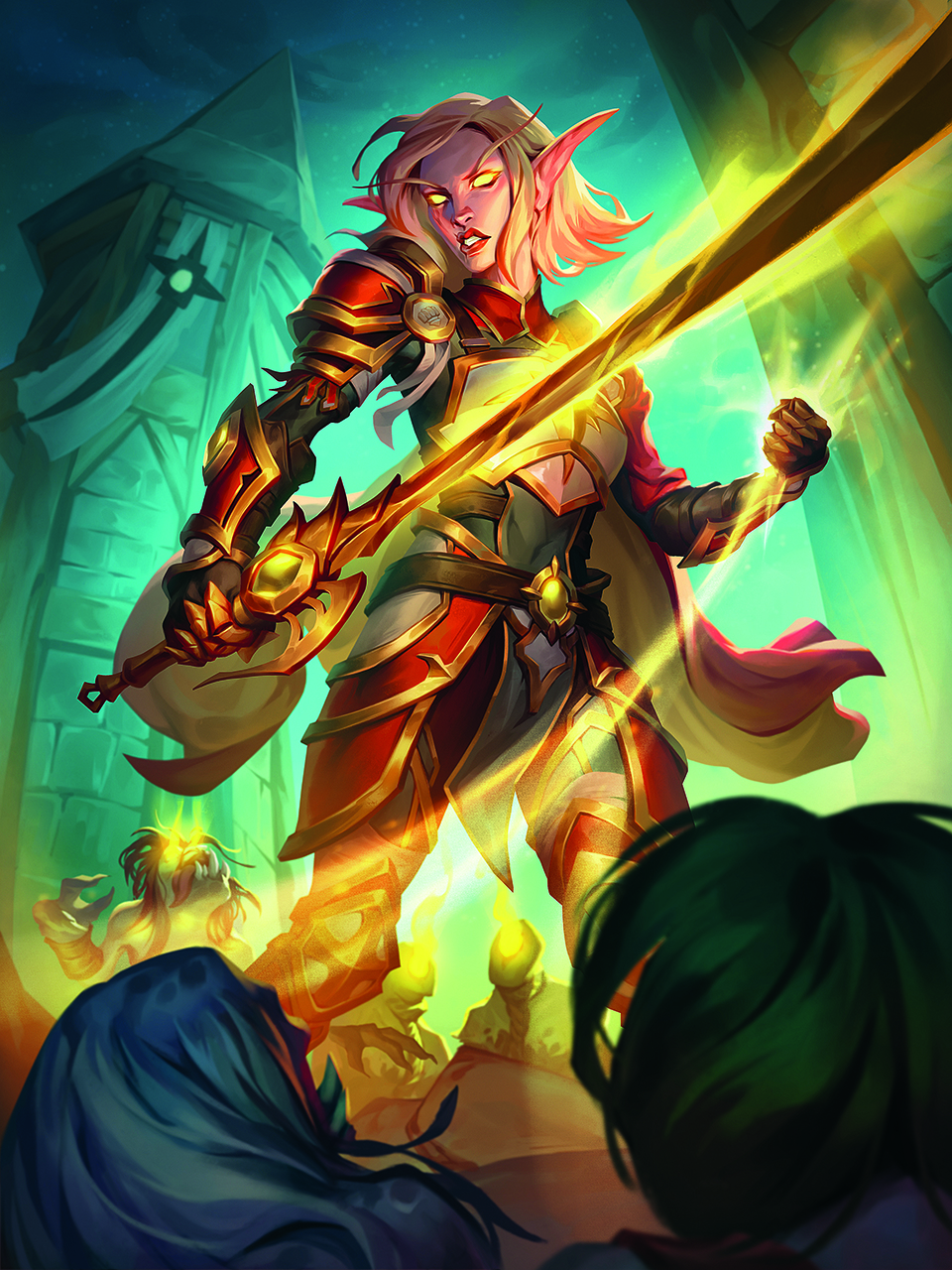
The piece serves as a poignant reminder that even within the high-pressure world of digital art, the medium remains a tool for human connection. The composition utilizes the specific visual vocabulary Yurev developed during his time working on collectible card game (CCG) assets—clear focal points, dramatic lighting, and a distinct "hero" silhouette—to evoke a sense of comfort rather than conflict.
Elf: The Mastery of Mood
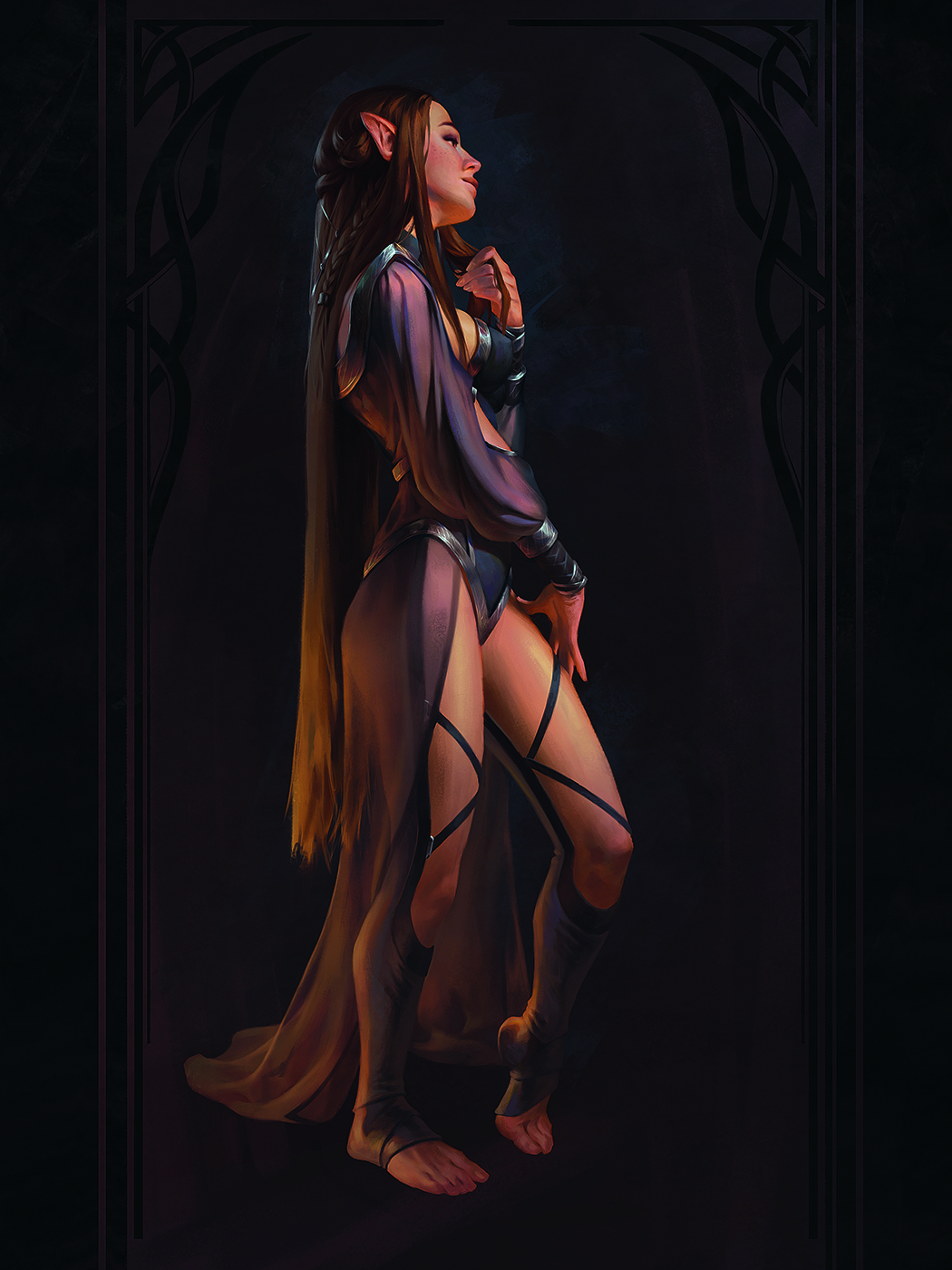
In his Elf character study, Yurev shifts his focus from complex narrative beats to the technical execution of atmosphere. "This one is just a little character practice," he notes. "I wanted to make something cute and warm that’s lit with a cozy mood via light and colour."
This piece is a masterclass in color theory. By utilizing a warm, saturated palette, Yurev demonstrates how digital lighting can dictate the emotional response of the viewer. The work serves as a bridge between his professional obligations and his personal development as an artist, showing that even "practice" pieces are treated with the same level of rigorous attention as commercial commissions.
Star Wars Splash Art: The Pursuit of Cinematic Scale
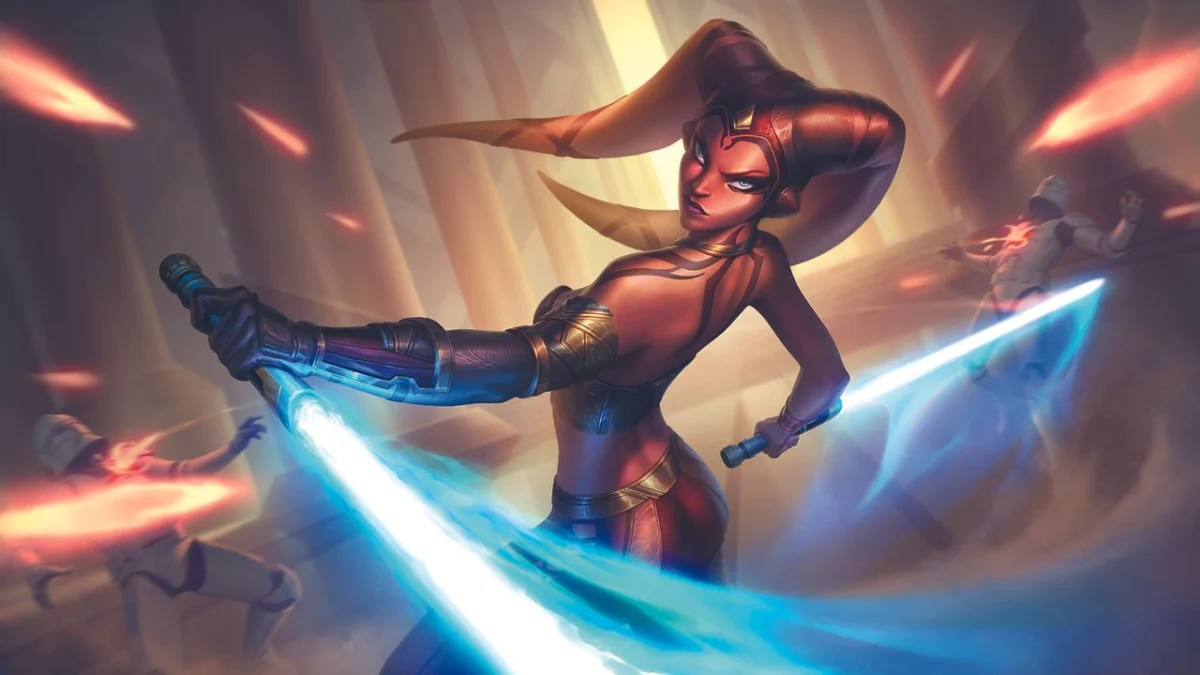
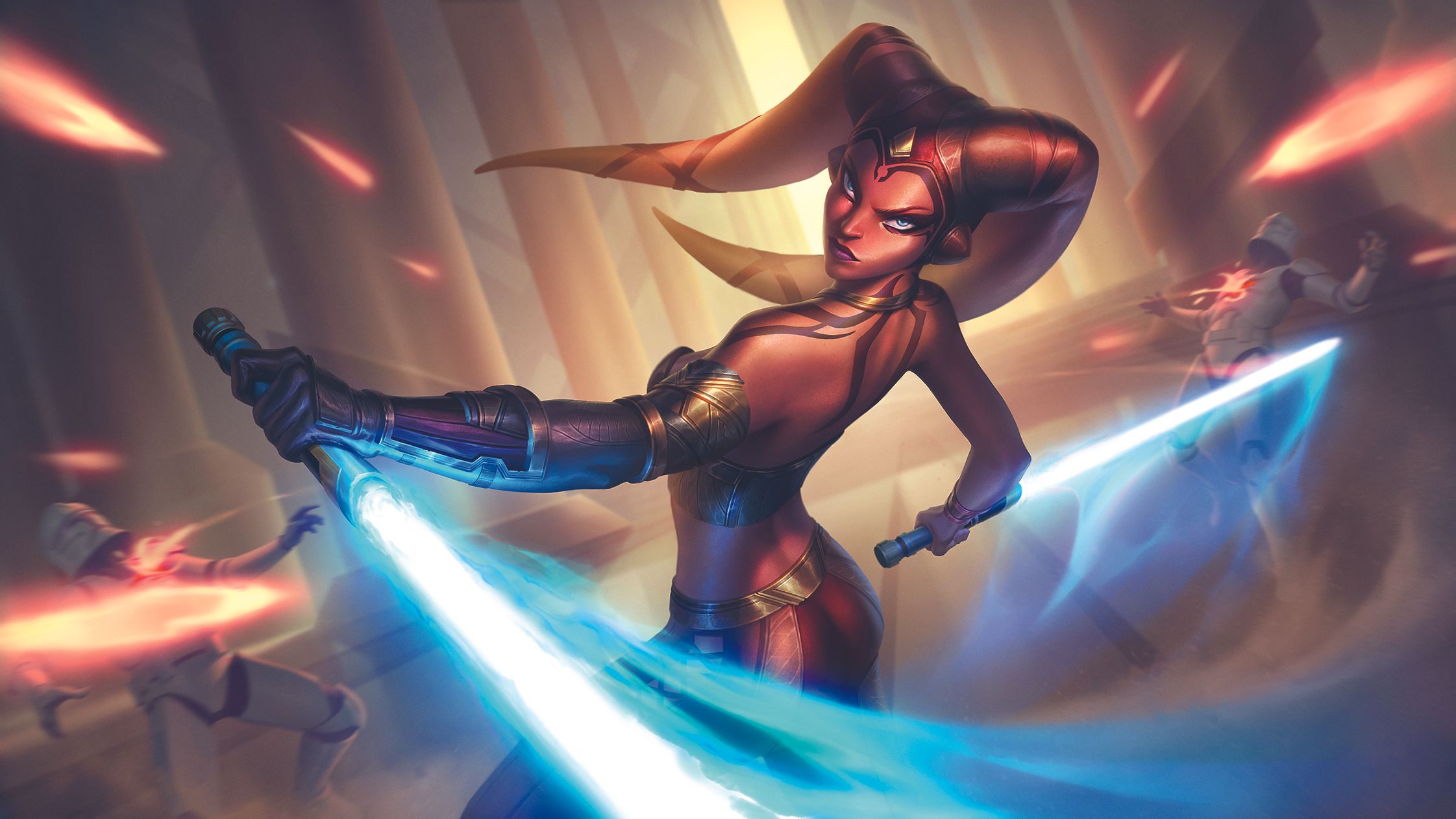
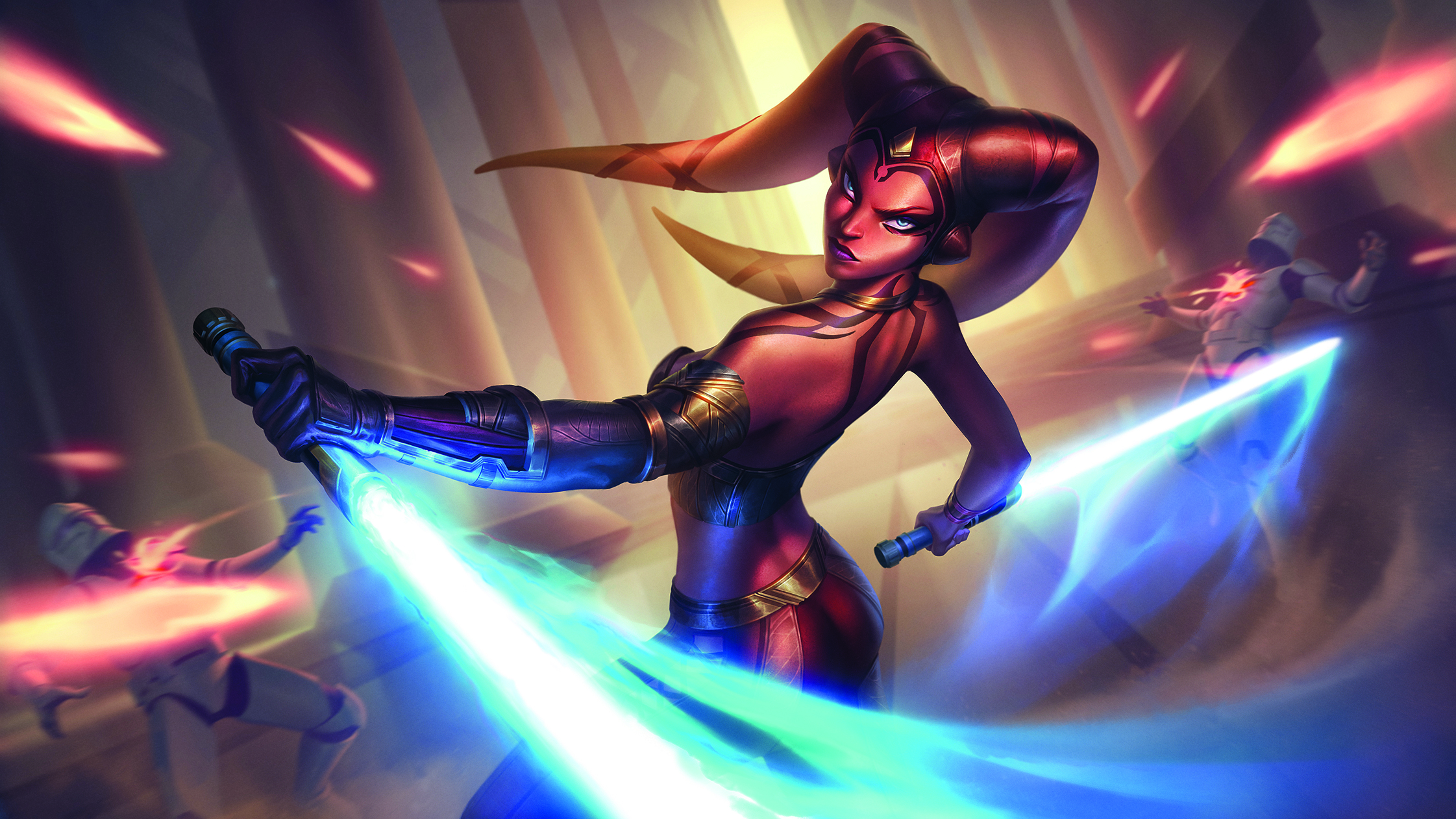
Yurev’s Star Wars splash art highlights his ambition to emulate the high-fidelity standards set by industry leaders like Riot Games. Splash art, by definition, is meant to capture the essence of a character in a singular, dynamic moment.
"I’m always excited when I look at Riot Games’ splash art pieces for League of Legends," Yurev says. "I also love Star Wars, so I wanted to try something in the same style." This piece exemplifies his ability to synthesize complex, existing intellectual property with his own unique stylistic flair. The lighting, the motion blur, and the environmental storytelling within the frame show an artist who is not only capable of following a brief but of elevating it to a cinematic standard.
Technical Foundations: The Tools of the Trade
For those looking to follow in Yurev’s footsteps, the technical barrier to entry has never been lower, yet the competitive ceiling has never been higher. Yurev’s workflow—a blend of digital painting, value studies, and color grading—requires hardware that can keep pace with the artist’s imagination.
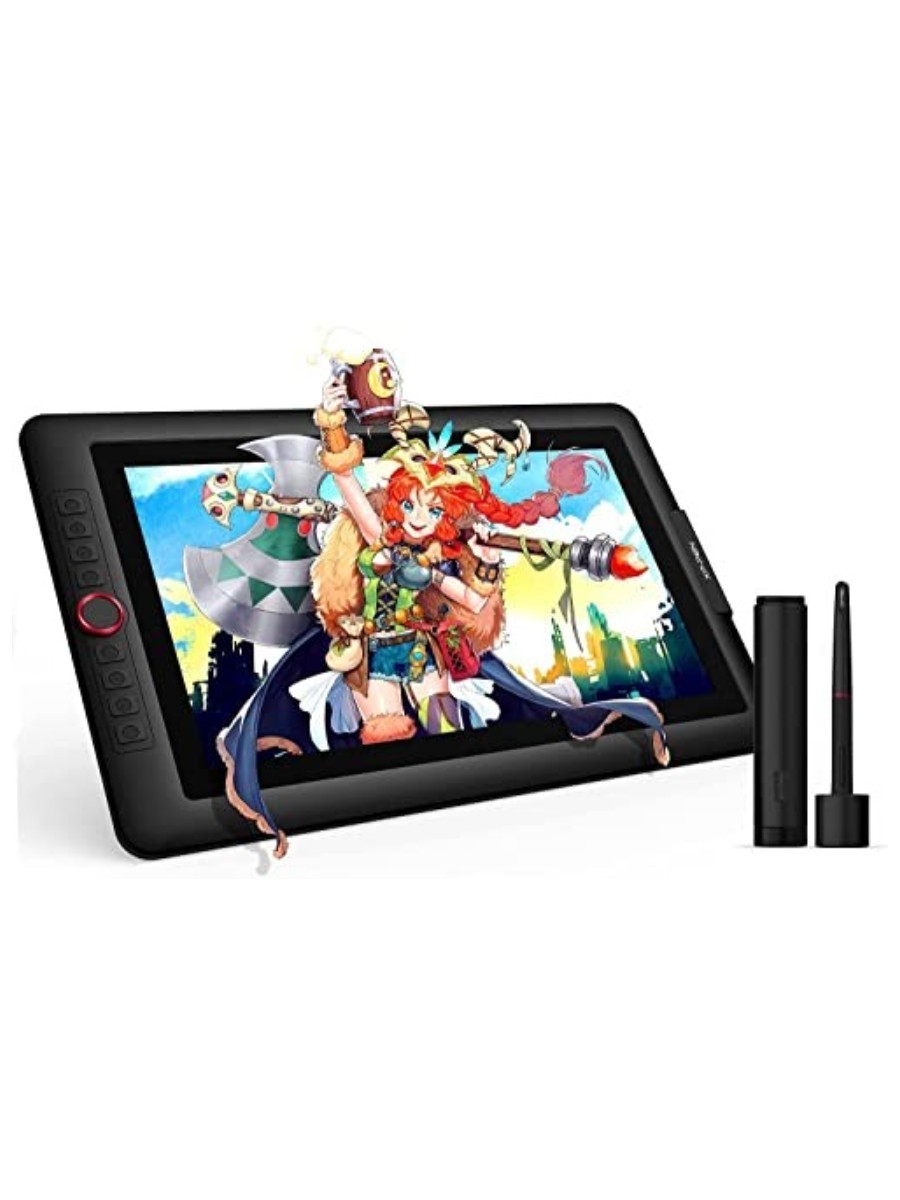
The current market for digital art hardware is robust. Whether you are an aspiring illustrator or a seasoned professional looking to upgrade your studio, the choice of tablet is paramount. Devices such as the HUION Kamvas 13 Gen 2 offer full-laminated screens that reduce parallax, a critical feature for detail-oriented character designers. Similarly, the XP-Pen Artist 15.6 Pro remains a staple for those who require a larger canvas for splash art compositions.
For those on a budget, the XP-Pen Updated Deco 01 V3 or the HUION Inspiroy H640p provide high pressure-sensitivity levels (typically 8,192 levels) that allow for the kind of fine-line control that defines Yurev’s work. The transition from physical media to digital, or from an entry-level tablet to a professional-grade display, is a necessary evolution for any serious artist in the field.
Implications for the Future of Character Design
The rise of artists like Pavel Yurev highlights a broader trend in the industry: the synthesis of "fine art" sensibility with "digital efficiency." As artificial intelligence and automation tools begin to permeate the creative industries, the value of the "human touch"—the specific emotional reasoning behind a choice of color in a portrait like Lichtar, or the deliberate, cozy lighting in his Elf study—becomes more significant.

Yurev’s career path, moving from large-scale commercial studios to more nuanced, creative-led roles, suggests that the future of the industry lies in the hands of those who can balance technical proficiency with a clear, personal artistic voice. His ability to move between the worlds of Blizzard-esque card art, cinematic splash art, and intimate character portraits marks him as a versatile talent who is well-positioned to shape the visual identity of the next generation of games and media.
Conclusion: Inspiration and Continued Growth
As Yurev continues to produce work at the intersection of fantasy and realism, he remains an essential study for any digital artist. His commitment to the craft, his willingness to share his process, and his dedication to creating art that resonates on an emotional level provide a roadmap for others in the field.
For those who wish to follow his progress, Yurev’s ArtStation profile remains the definitive archive of his evolving style. Furthermore, for enthusiasts looking to delve deeper into the industry, subscriptions to publications like ImagineFX provide ongoing insights into the techniques and stories of artists who, like Yurev, are defining the future of digital expression.
The digital canvas is a vast and unforgiving space, but as Pavel Yurev proves, it is also a place where a single, well-placed stroke of color can tell a story that lingers long after the viewer has looked away. Whether through the lens of a galaxy far, far away or the quiet, warm embrace of a character study, Yurev is proving that the future of fantasy illustration is in very capable hands.