


The landscape of higher education is undergoing a seismic shift. No longer is a university’s reputation built solely on its physical campus architecture or its academic rankings; today, the institutional identity is forged in the digital realm, specifically within the fast-moving, algorithm-driven feeds of social media. As we navigate 2026, the institutions that fail to adapt their communication strategies risk becoming invisible to the very demographic they rely on: Gen Z and Gen Alpha.

Social media has evolved from an optional marketing add-on to a critical pillar of institutional success. From recruitment and fundraising to crisis management and community building, the digital footprint of a college is now its most public-facing asset.

Main Facts: The New Rules of Engagement
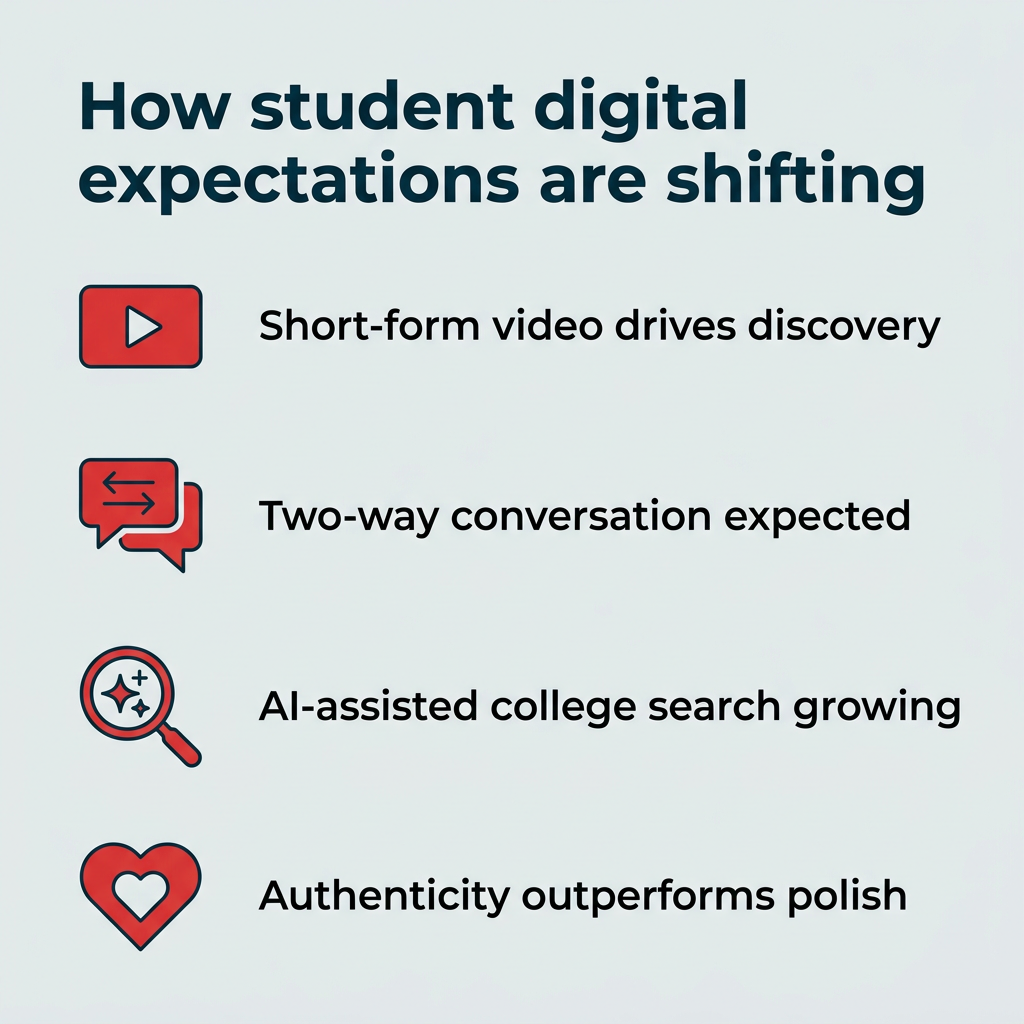
For modern universities, the mandate is clear: abandon the "broadcasting" model of the past and embrace a culture of participation. Recent data from the RNL report highlights that 56% of prospective students prioritize social media presence when they first begin exploring their college options—a stage that occurs long before formal applications or campus tours are even scheduled.
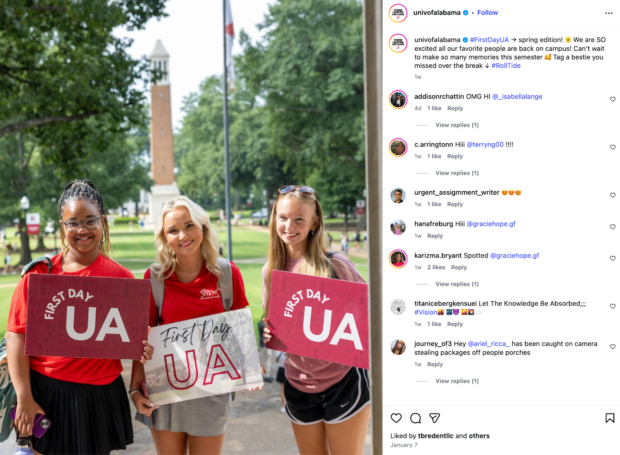
The core challenge for higher education administrators is that the "polish" of the past no longer resonates. Today’s prospective students are sophisticated digital natives who equate over-produced, corporate-style content with a lack of authenticity. Instead, they seek raw, student-led narratives that offer a transparent view of daily life, campus culture, and genuine value alignment.
Chronology of Digital Evolution in Academia
The trajectory of social media in higher education has been marked by three distinct phases:
- The Announcement Era (2010–2015): Universities used social media primarily as a megaphone to push press releases and event reminders.
- The Engagement Era (2016–2022): Institutions began experimenting with two-way communication, utilizing Facebook groups and early Instagram influencer campaigns to foster a sense of belonging.
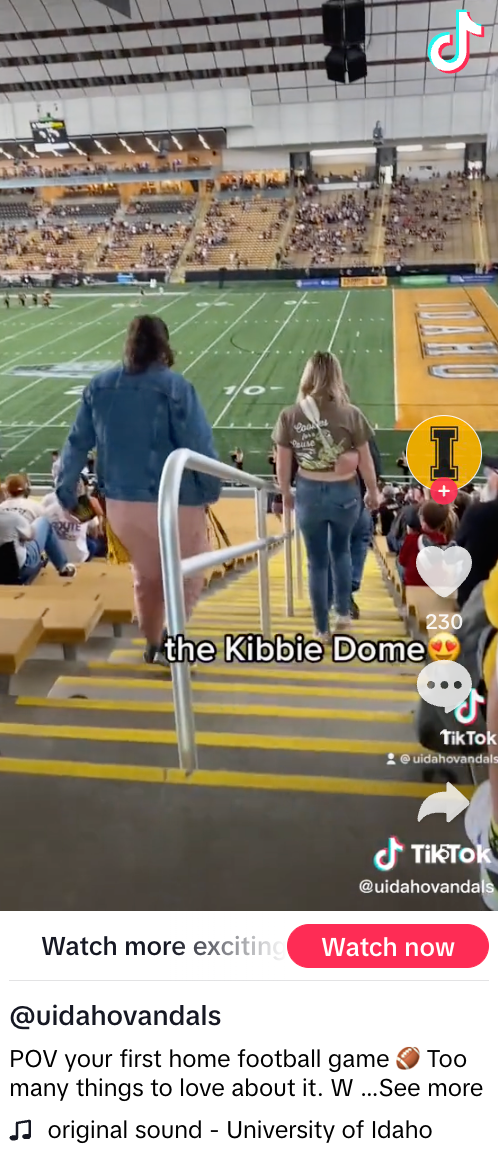
- The Authenticity & AI Era (2023–Present): In 2026, we are in an age where short-form video discovery is the primary driver of institutional brand awareness. The rise of AI-powered search has forced universities to ensure their social content is not only engaging but also discoverable by the algorithms that now curate a student’s future.
Supporting Data: Why Strategy Matters
The impact of a well-executed social strategy is measurable and profound. Institutions that successfully integrate social media into their broader marketing funnel see tangible results in key performance indicators (KPIs):
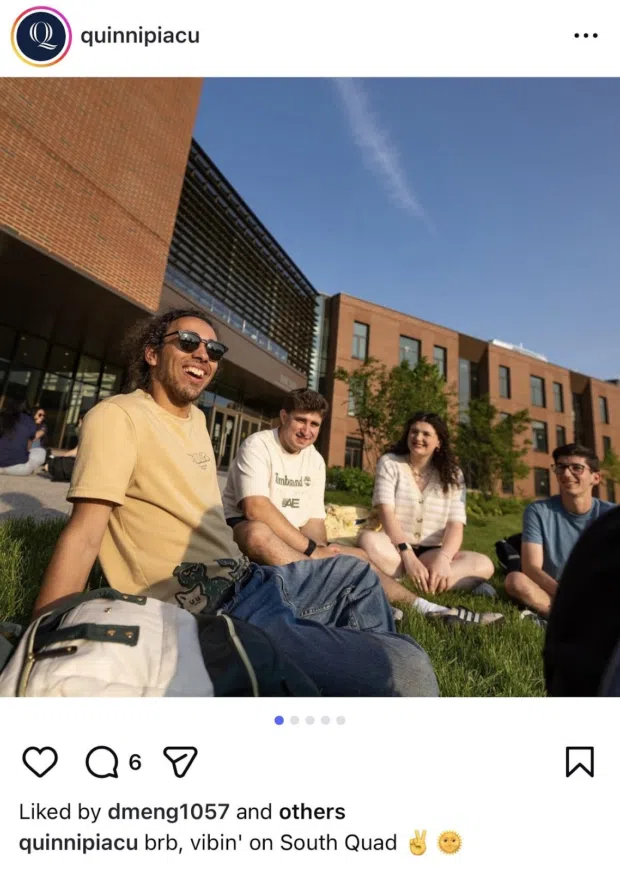
- Enrollment: A strong, authentic social presence serves as "social proof." When students see peers enjoying campus life—as seen in viral content from institutions like Quinnipiac University—it reduces the "stranger anxiety" associated with moving to a new city for school.
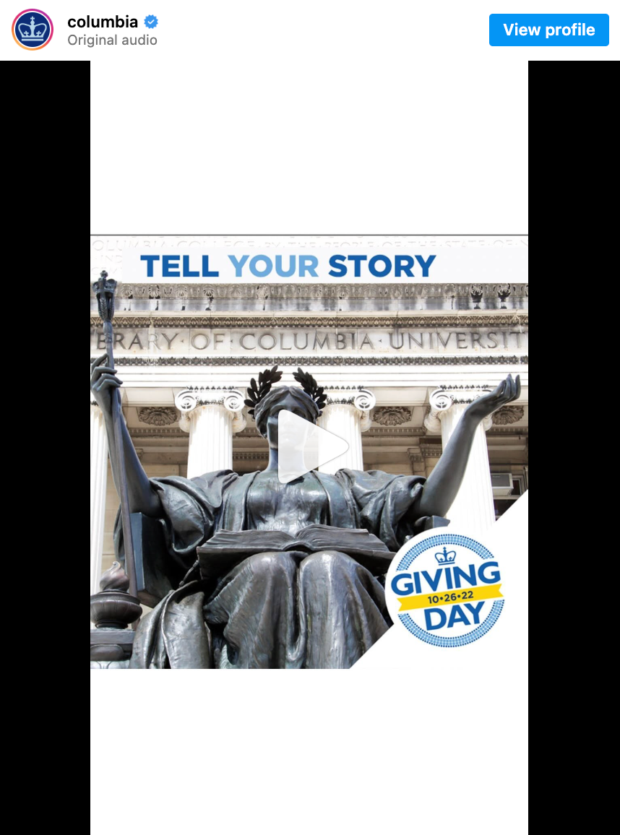
- Fundraising: Alumni engagement is no longer about cold calls. Targeted campaigns, such as Columbia University’s Giving Day, utilize the viral nature of social sharing to turn former students into active, vocal advocates, significantly increasing donation rates.
- Retention: By creating dedicated digital spaces for students to voice concerns, celebrate wins, and connect with faculty, universities build a resilient community that fosters student success and long-term loyalty.
The Strategic Framework: 2026 Best Practices
To thrive in this environment, universities must move beyond ad-hoc posting. A comprehensive strategy should be built upon the following pillars:
1. Unified Governance and Decentralized Creation
Managing dozens of department-specific accounts (Athletics, Admissions, Alumni, etc.) is a logistical nightmare without a central system. Modern institutions are adopting "Social OS" platforms to manage publishing, scheduling, and—most importantly—governance. By using role-based permissions and approval workflows, a central marketing team can ensure brand consistency while empowering individual departments to share their unique stories.
2. The "Listen-First" Mentality
Social listening is the most underutilized tool in higher education. By monitoring keywords, hashtags, and sentiment, administrators can catch issues before they escalate into crises. Whether it’s student frustration over cafeteria quality or concerns regarding campus safety, social media provides a real-time pulse of the campus climate that traditional surveys cannot match.
3. Advocacy Over Advertising
The most trusted voice in any university’s ecosystem is not the official institutional account; it is the student or faculty member. Implementing structured advocacy programs—where students are trained and invited to take over channels or create content—yields significantly higher engagement. When a student shares their genuine experience, it cuts through the noise of traditional advertising.

Implications for Future Operations
The shift toward a "digital-first" campus has deep implications for how universities are run:
- Humanizing the Institution: The 2026 student expects a personality, not a logo. Universities must be prepared to participate in cultural conversations, address social movements, and show the "human" side of their faculty and administration.
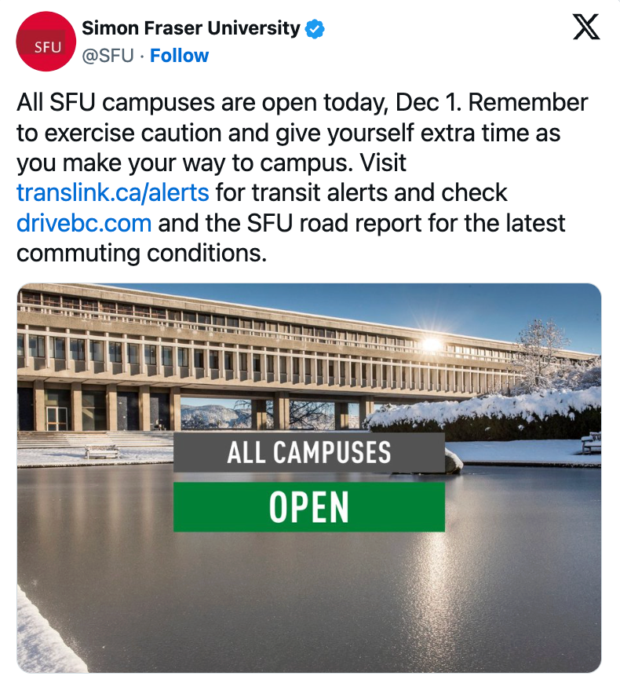
- The Crisis Management Shift: Social media is now the primary channel for emergency communication. A snow day, a safety alert, or a complex geopolitical event requires a swift, unified response across all channels. Institutions without a pre-approved crisis communication workflow will find themselves struggling to maintain public trust during high-stakes moments.
- Data-Driven ROI: The era of "vanity metrics" (likes and follows) is over. Leadership now demands to see how social media impacts the bottom line—tracking clicks to application pages, RSVPs for events, and conversion rates on donation portals.
Official Perspectives and Institutional Alignment
Educational leaders are increasingly recognizing that their social media departments are no longer just "marketing" teams—they are frontline communications and student service hubs. By integrating CRM systems with social media platforms, universities can track the entire lifecycle of a student, from the first "like" on an Instagram Reel as a prospective applicant to their first donation as an alumnus.
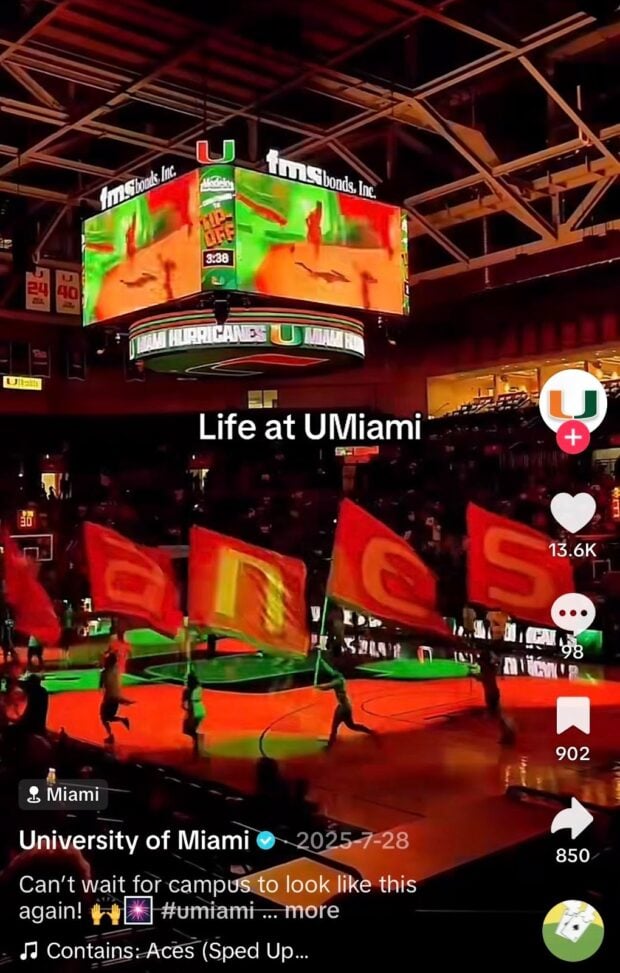
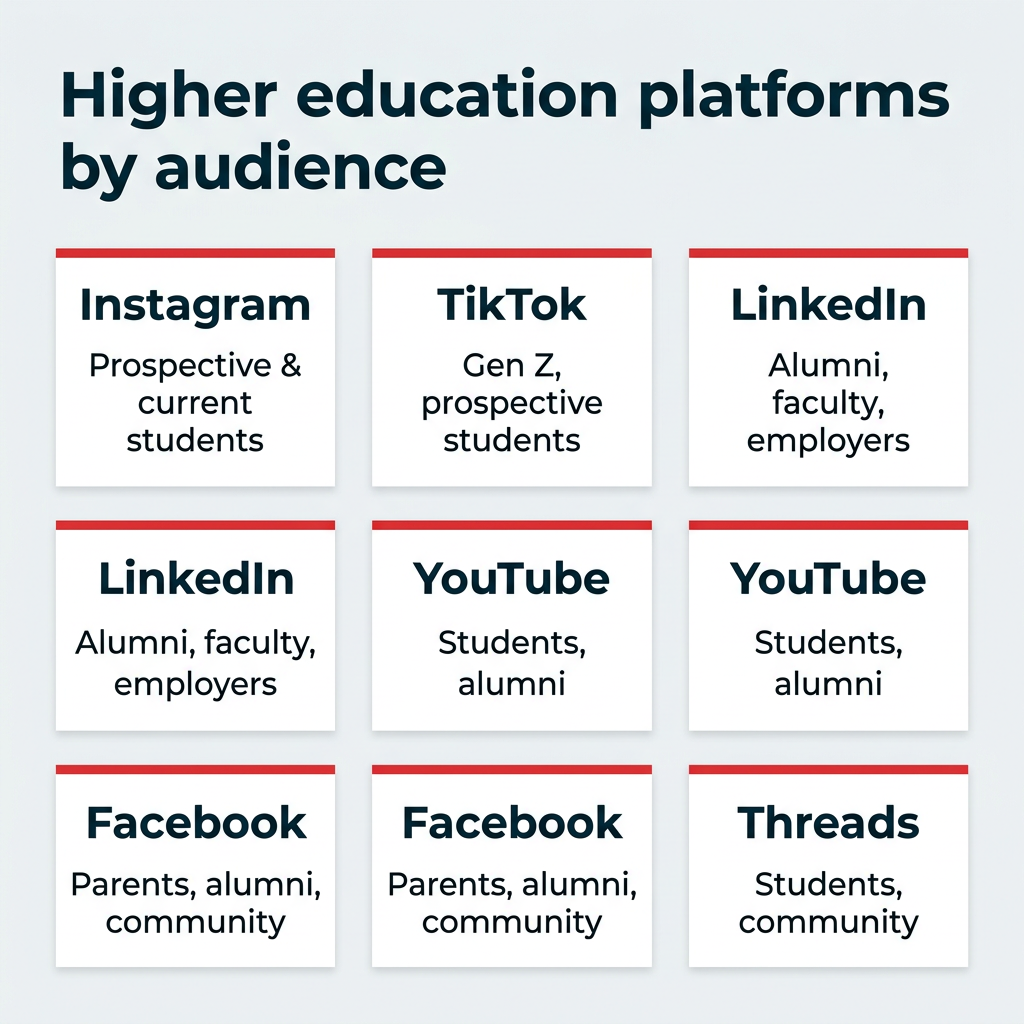
The University of Miami’s approach to TikTok serves as a gold-standard case study. By leaning into trends and high-energy, short-form video, they have successfully positioned their campus as an aspirational destination. Similarly, institutions like the University of Chicago have utilized Facebook and other platforms to create digital community hubs, proving that even legacy platforms remain vital if used to facilitate genuine connection rather than passive broadcasting.

Conclusion: The Digital Classroom of Tomorrow
If a university’s mission is to educate and inform, its social media accounts must be viewed as an extension of the classroom. These are spaces where community is fostered, information is disseminated, and values are demonstrated.
As we look toward the remainder of 2026 and beyond, the institutions that will lead are those that recognize social media is not just a megaphone. It is a mirror reflecting the authentic, evolving, and vibrant life of the campus. By prioritizing authentic storytelling, implementing robust governance, and leveraging data to guide their actions, higher education institutions can ensure that their digital footprint not only reaches the next generation of students but inspires them to become part of the institutional legacy.

Key Takeaway: Authenticity is the currency of the modern digital landscape. For universities, the ability to translate the complex, multifaceted reality of campus life into short, engaging, and honest digital content will be the defining factor in determining which institutions remain relevant in the years to come.










