

Introduction: A Sonic Pilgrimage to Hyrule
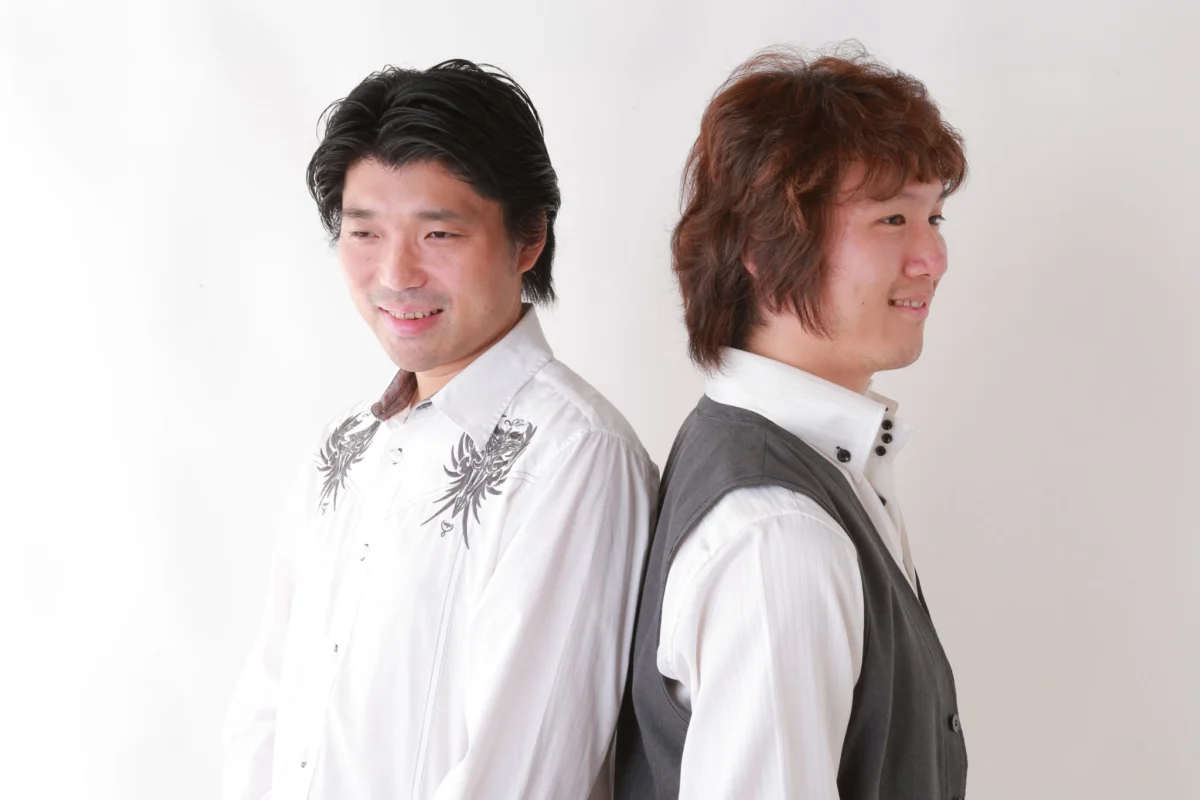
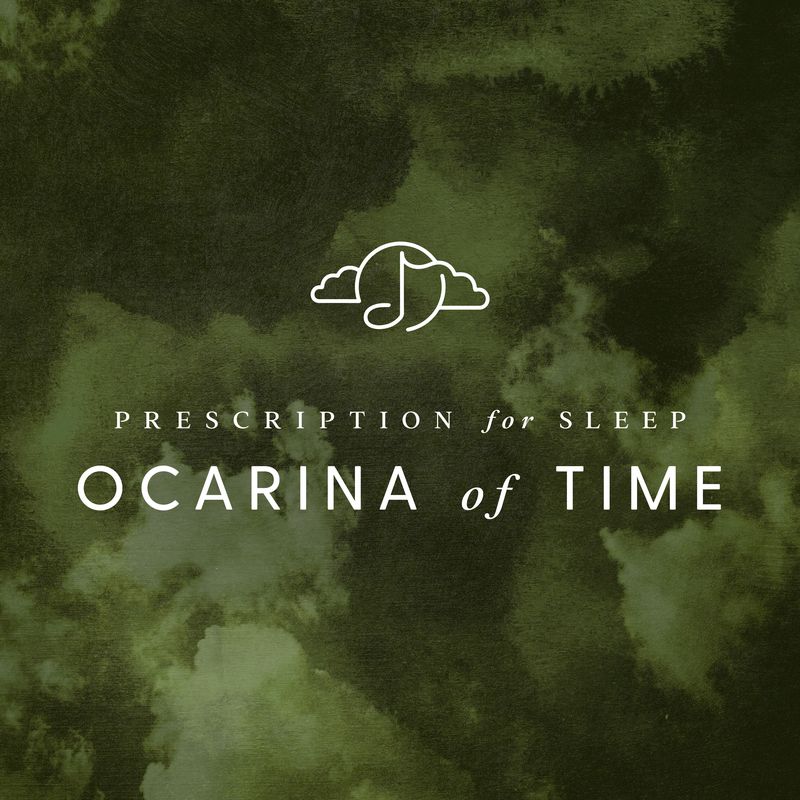
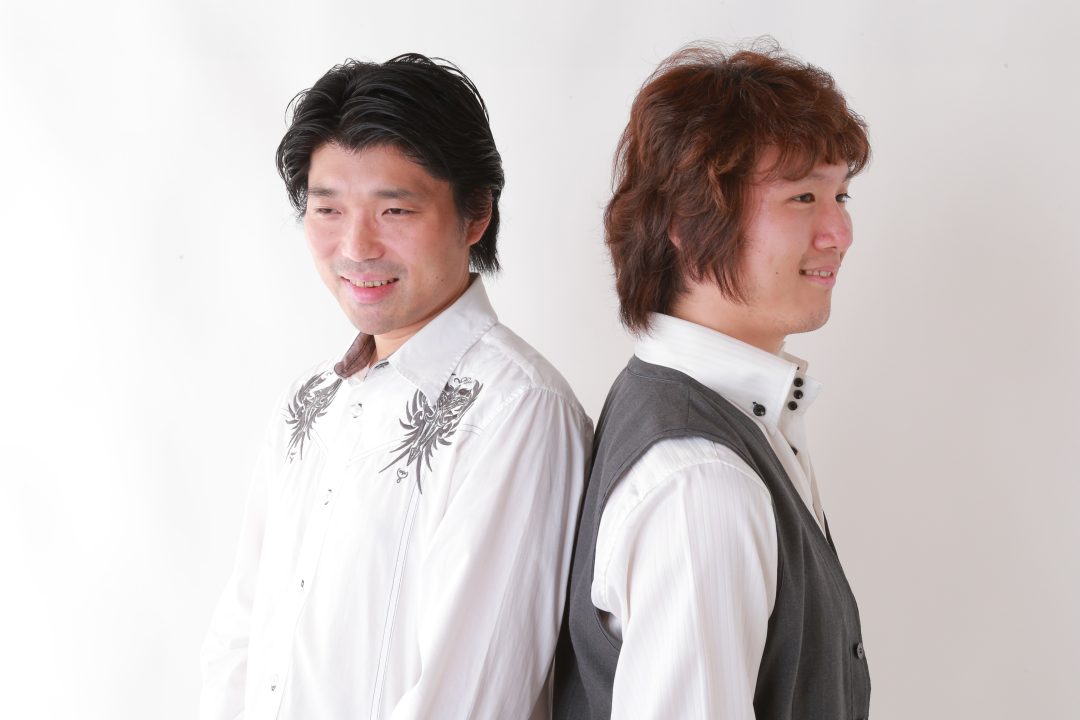
In the annals of video game history, few soundtracks hold as much reverence as Koji Kondo’s score for The Legend of Zelda: Ocarina of Time. It is a collection of motifs so deeply embedded in the cultural consciousness that they have effectively become the jazz standards of the digital age. Now, to celebrate the 40th anniversary of The Legend of Zelda franchise, the prolific jazz duo GENTLE LOVE—comprised of saxophonist Norihiko Hibino and pianist AYAKI—has returned with their most ambitious project to date: Prescription for Sleep: Ocarina of Time.
Released under the Scarlet Moon Records label, this album is far more than a simple cover record. It is a masterclass in sonic exploration, transforming the familiar, truncated loops of a Nintendo 64 classic into sprawling, emotive jazz compositions. Whether serving as a meditative lullaby for the weary or a complex study for the discerning audiophile, Prescription for Sleep: Ocarina of Time stands as a definitive tribute to the enduring legacy of Hyrule.
The Artisans Behind the Sound
To understand the weight of this release, one must look at the pedigree of its creators. Norihiko Hibino is a titan in the industry, best known for his atmospheric and emotionally resonant contributions to the Metal Gear Solid series. His ability to blend technical precision with raw, vulnerable expression is the heart of the album.
Complementing him is the versatile pianist AYAKI, whose resume reads like a who’s who of modern classic gaming, including titles such as Etrian Odyssey, Persona Q, and Streets of Rage. Together, under the banner of GENTLE LOVE, the duo has built a reputation for stripping away the high-octane bombast of game music to reveal the underlying humanity within the melodies. In this latest installment, they prove that they are not merely interpreters, but architects of a new sonic landscape.
Chronology of a Masterpiece: From Pixels to Performance
The journey of Prescription for Sleep: Ocarina of Time began with a deep dive into the source material. Kondo’s original score was constrained by the hardware limitations of 1998, necessitating short, looping themes. GENTLE LOVE’s approach was to liberate these themes, expanding them into four-to-seven-minute improvisational journeys.
The album opens with the "Title Theme," a track that immediately evokes the image of Link riding Epona across the sun-drenched expanse of Hyrule Field. AYAKI’s piano work is tentative, almost hesitant, before the melody unfurls. When Hibino’s saxophone enters, it replaces the original’s synthetic ocarina tones with a breathy, soulful warmth.
As the album progresses, the duo explores the emotional spectrum of the game. They treat the "Battle" theme—often a source of frustration in the original game due to its repetitive nature—as a playful, Pink Panther-esque jaunt. By the time the listener reaches the original composition "Remembrance," the album has fully succeeded in bridging the gap between the nostalgia of the 90s and the sophisticated, nuanced jazz of the present day.
Supporting Data: The Anatomy of the Recording
What sets this production apart from other video game tribute albums is the startling intimacy of the recording process. The listener is treated not to a sterilized, studio-polished product, but to the visceral reality of performance.
Throughout the tracks, one can hear the subtle, organic sounds of the craft: the mechanical click and rattle of saxophone keys, the resonant thrum of the piano’s pedals, and even the audible, sharp intake of Hibino’s breath during particularly demanding solos. This "raw" aesthetic is most apparent in tracks like "Kokiri Forest," where the physical exertion of the musicians makes the listener feel as though they are sitting in a dimly lit, subterranean tavern in Kakariko Village, witnessing an exclusive, late-night set.
Key Tracks and Their Nuances
- "Lon Lon Ranch ~ Epona": At seven minutes, this is the album’s centerpiece. It begins with a clear nod to Erik Satie’s Gymnopédies No. 1, establishing a pastoral, melancholy pace before evolving into a dynamic, multi-textured exploration of the familiar melody.
- "Kakariko Village": The duo masterfully captures the bittersweet nature of the original. AYAKI takes the track into a half-time tempo, providing a chilled yet technically blistering piano solo that serves as a high-water mark for the album’s jazz credentials.
- "Requiem of Spirit": Here, the duo performs a stylistic pivot. What was a short, mystical jingle in the game is transformed into a sophisticated call-and-response session, reminiscent of the modal jazz explorations found on Miles Davis’s So What.
Implications for Video Game Music
The release of Prescription for Sleep: Ocarina of Time carries significant implications for the evolution of video game music as a legitimate genre in the broader musical landscape. For years, game soundtracks were treated as background utility. With albums like this, the industry is witnessing a transition where game music is treated with the same reverence as the Great American Songbook.
By "dressing up" these melodies in the language of jazz, GENTLE LOVE is not just paying homage; they are proving that these compositions possess a structural integrity that allows them to withstand total transformation. The success of this album suggests a growing appetite among fans for "elevated" versions of their favorite themes—works that do not simply loop the original, but engage with it as a foundation for artistic discourse.
Official Perspectives and Critical Reception
While the album has only recently debuted, early industry reactions have been overwhelmingly positive. Critics have praised the "effortless command of rhythm" displayed by AYAKI, which provides the necessary stability for Hibino’s fiery, emotional improvisations.
In discussions surrounding the 40th anniversary of The Legend of Zelda, this album has been cited as a primary example of how the series continues to remain relevant. It manages to avoid the trap of "nostalgia-baiting" by offering something entirely new. The music is at once recognizable and entirely foreign, a feat that is difficult to achieve in the crowded market of cover albums.
Conclusion: A Timeless Pedestal
Ultimately, Prescription for Sleep: Ocarina of Time is a triumph of balance. It is approximately 25% the Zelda we know and love, and 75% the sophisticated, thoughtful artistry of GENTLE LOVE. It is a record that treats the source material with the utmost respect while simultaneously asserting its own identity.
Whether you are a lifelong fan of the Zelda series looking to revisit these iconic melodies in a new light, or a jazz enthusiast who appreciates technical prowess and emotional vulnerability, this album is a mandatory addition to your collection. In the closing track, "Remembrance," the duo manages to evoke the feeling of the Master Sword waiting in its pedestal, the smashed pots of Hyrule Castle, and the infinite horizon of Hyrule Field, all without a single pixel on screen. It is, quite simply, a masterpiece of modern jazz interpretation.
As Hibino and AYAKI continue their work, it is clear that the "Prescription for Sleep" series is becoming one of the most important projects in the world of video game music. They have successfully pedestaled the timelessness of Koji Kondo’s work, ensuring that these melodies will continue to resonate for another 40 years and beyond.












No comments yet. Be the first to join the conversation!