In the modern automotive landscape, the dashboard has become the new frontier for big tech. As vehicles transform into "smartphones on wheels," consumers are increasingly faced with a confusing nomenclature that sounds nearly identical: Android Auto and Android Automotive. While they share a brand name and a common parent in Google, they are fundamentally different technologies with distinct architectures, capabilities, and implications for the future of the driving experience.
At its simplest level, the distinction comes down to where the "brain" resides. Android Auto is a projection system that relies on your smartphone to function, while Android Automotive is a full-fledged operating system embedded directly into the vehicle’s hardware.
Main Facts: The Core Differences
To understand the digital dashboard, one must first recognize the architectural separation between projection and native integration.
Android Auto: The Projectionist
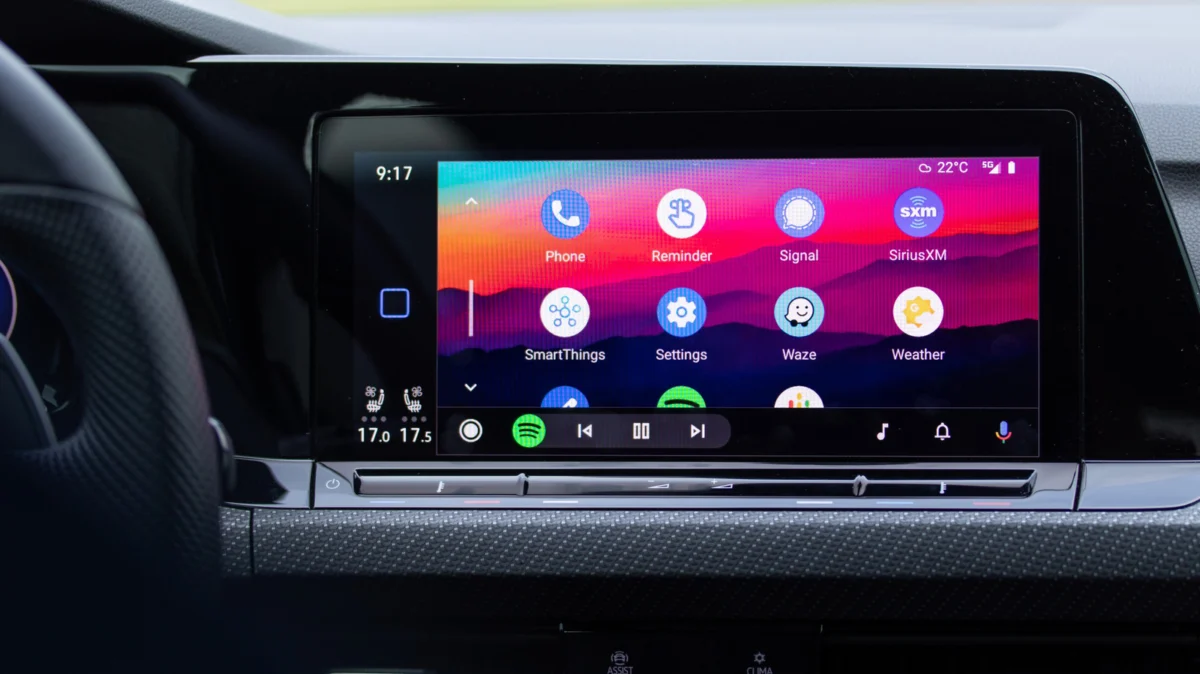
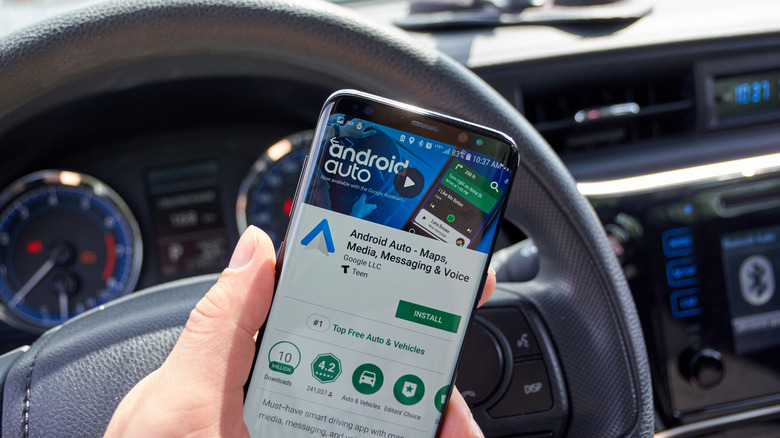
Android Auto is not a car operating system. It is a secondary interface that mirrors your smartphone onto your vehicle’s infotainment screen. When you plug your phone into your car via USB or connect it wirelessly, your phone does all the heavy lifting—running the apps, processing the GPS data, and streaming the music—while the car’s dashboard merely acts as a display and input controller.
This "projection" model is designed for ubiquity. It allows users to bring their digital life—their specific Google Maps saved locations, Spotify playlists, and text message threads—from one rental car or friend’s vehicle to the next, provided the car supports the interface.
Android Automotive OS (AAOS): The Native Resident
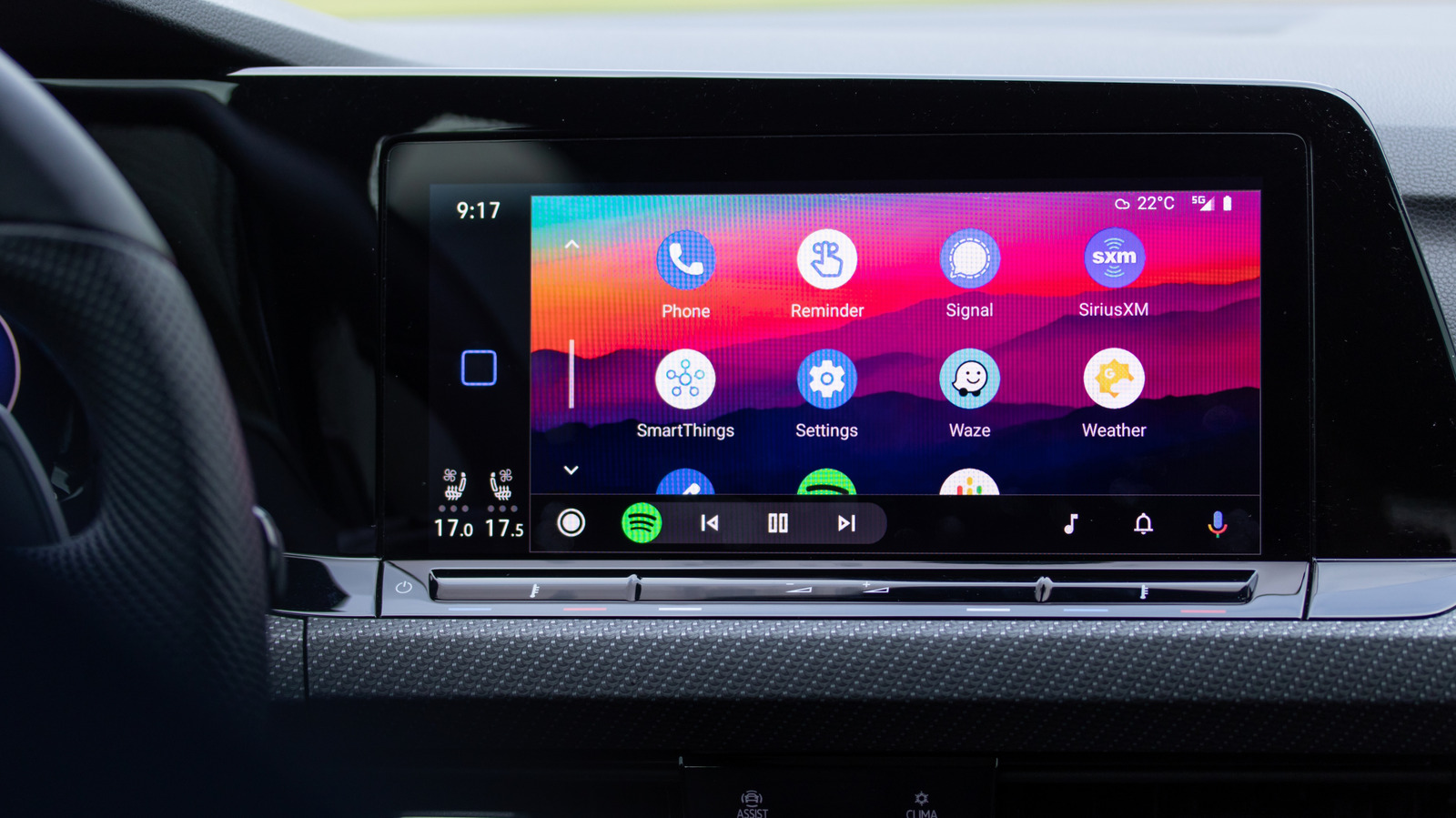
Android Automotive OS (AAOS) is a specialized version of the Android operating system designed specifically to power a car’s infotainment system. It is installed at the factory, living on the vehicle’s own processors. Because it is native, it has deep-level access to the car’s internal systems, including climate control, seat heaters, battery management, and instrument clusters. It does not require a phone to function; the car itself is the "phone."
Chronology: The Evolution of Google in the Car
The journey from a simple Bluetooth connection to a fully integrated OS has been a decade-long evolution.
- 2014: Google introduces Android Auto at the Google I/O conference. It was a direct response to the increasing demand for smartphone integration, aiming to reduce driver distraction by providing a simplified, voice-controlled interface for essential apps.
- 2017: Google announces Android Automotive OS. Unlike its predecessor, this was designed to be a complete, open-source platform that manufacturers could build their entire vehicle software stack upon.
- 2020: The Polestar 2 debuts as the first production vehicle to feature a full Android Automotive OS experience, demonstrating the viability of a native Google-powered dashboard.
- 2021–Present: Major manufacturers, including Volvo, GM, and Honda, begin rolling out vehicles with "Google built-in," cementing the transition from phone-dependent interfaces to native OS environments.
Supporting Data: Infrastructure and Capability
The divide between these two systems changes how a driver interacts with their vehicle on a granular level.
The Power of "Google Built-in"
The industry often uses the term "Google built-in" to describe a specific implementation of AAOS. It is crucial to distinguish between the two:
- AAOS: The open-source platform. Any manufacturer can take this code and build their own custom skin or interface.
- Google Automotive Services (GAS): The proprietary package that includes the Google Play Store, native Google Maps, and Google Assistant.
When a manufacturer uses AAOS plus GAS, the result is a seamless, native experience where the car knows your commute, your calendar, and your charge status without ever needing to look at your pocket.
Hardware Dependency
| Feature | Android Auto | Android Automotive |
|---|---|---|
| Computing Source | Your Smartphone | Vehicle Hardware |
| Connectivity | Required (Phone) | Optional (Embedded SIM) |
| Integration | Limited (Display/Audio) | Deep (HVAC, Battery, Drive Modes) |
| Portability | High (Works in many cars) | Low (Tied to the specific vehicle) |
Official Responses and Industry Shifts
The automotive industry is currently split on how to approach these technologies. The conflict centers on a struggle for control over the "user experience" and the data generated by the vehicle.
The "Walled Garden" Approach
Some manufacturers, such as Rivian and Tesla (which uses its own proprietary system), have opted to move away from phone-projection systems entirely. By building their own software, these companies maintain total control over the brand experience and, more importantly, the valuable data regarding how the car is driven and maintained. Rivian’s decision to eschew both Android Auto and Apple CarPlay in favor of its own, deeply integrated OS reflects a desire to keep the driver within a proprietary ecosystem.
The Flexible Approach
Conversely, brands like Polestar and Volvo have taken a "best of both worlds" strategy. They utilize AAOS for the native, high-performance experience—allowing for deep integration with the EV battery management system—while still providing compatibility with Android Auto and Apple CarPlay. This recognizes the consumer reality: people are deeply attached to their phone’s ecosystem and do not want to be forced to abandon their preferred messaging or music apps just because they bought a new car.
Implications for the Future of Driving
The shift toward native Android Automotive OS has profound implications for both the consumer and the automotive industry.
1. The Death of Obsolescence
One of the primary benefits of an OS-based car is the ability to receive Over-the-Air (OTA) updates. In the past, a car’s infotainment system was static; it was as old as the vehicle itself. With AAOS, the dashboard can receive new features, security patches, and interface improvements years after the car has left the showroom floor.
2. The Data Battle
The competition between phone-based projection and native OS is essentially a battle for the "digital dashboard real estate." Whoever controls the OS controls the data. By moving to native AAOS, Google is positioning itself as the primary interface for the vehicle, potentially pushing automakers into the background of the user experience. This has led to tension, as car companies struggle to remain the primary point of contact for the customer.
3. Safety and Distraction
While both systems aim to minimize distraction, native AAOS offers a distinct safety advantage. Because it has access to the vehicle’s internal sensors, it can provide context-aware information. For instance, the car can proactively suggest a charging stop based on the actual battery status and real-time traffic data, without the driver having to input the information into a phone app.
Conclusion
The confusion between Android Auto and Android Automotive is a symptom of a rapidly evolving industry. While the names are similar, the choice between them is rarely yours to make as a consumer—it is a choice made by the automotive manufacturer during the design phase of the vehicle.
As you look toward your next vehicle purchase, the distinction is vital. Android Auto is a convenient bridge that keeps your digital life consistent across different cars. Android Automotive is a transformation of the vehicle itself, turning the dashboard into a living, evolving computer. Whether the industry moves toward complete native integration or retains the flexibility of phone projection, one thing is clear: the dashboard has been permanently changed by the influence of mobile technology, and there is no turning back.