

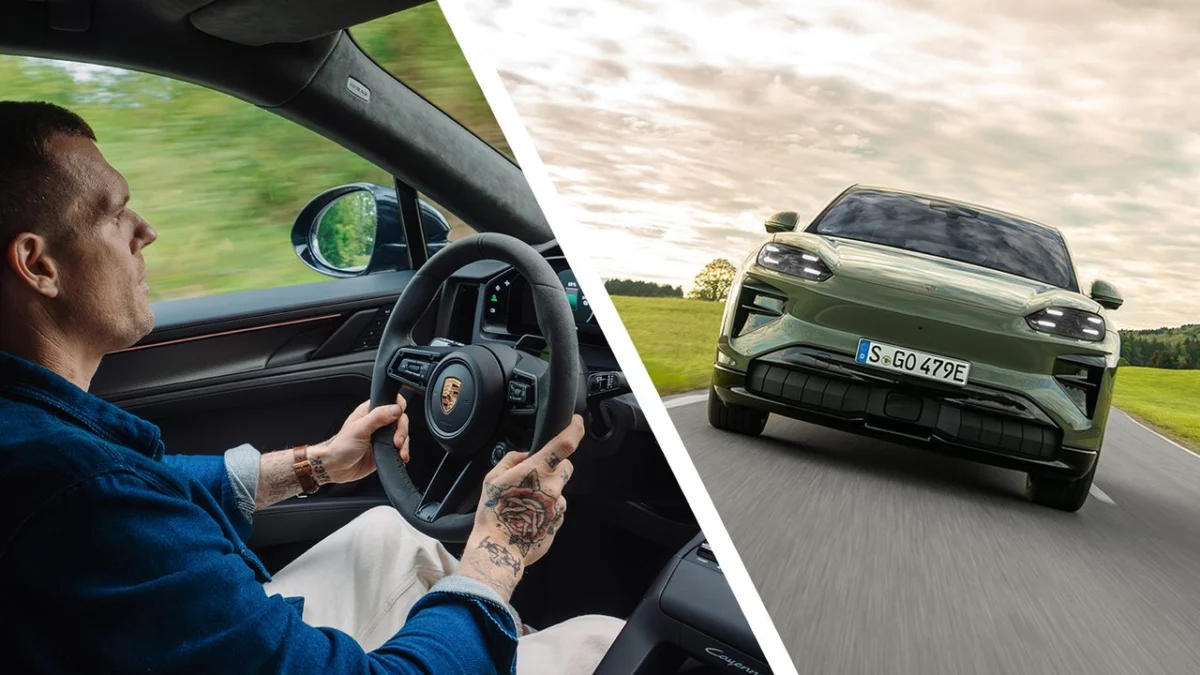
The automotive landscape is undergoing a seismic shift, and few manufacturers find themselves in as precarious a position as Porsche. Known for its heritage of air-cooled engines and track-bred precision, the Stuttgart-based automaker is currently navigating the "electrified tightrope"—a delicate balancing act between maintaining its identity as a purveyor of high-performance internal combustion engines and meeting the aggressive, top-down mandates of the electric vehicle (EV) era.
Despite the technical triumph of models like the Taycan and the new Macan Electric, Porsche’s path to full electrification is far from linear. With recent reports of delayed EV-only sports car programs, the scaling back of in-house battery development, and the sunsetting of its eBike division, the brand is signaling a recalibration of its strategy. However, the launch of the new Cayenne Electric suggests that while the roadmap may have changed, the commitment to engineering excellence remains absolute.
The State of Play: A Performance Offensive
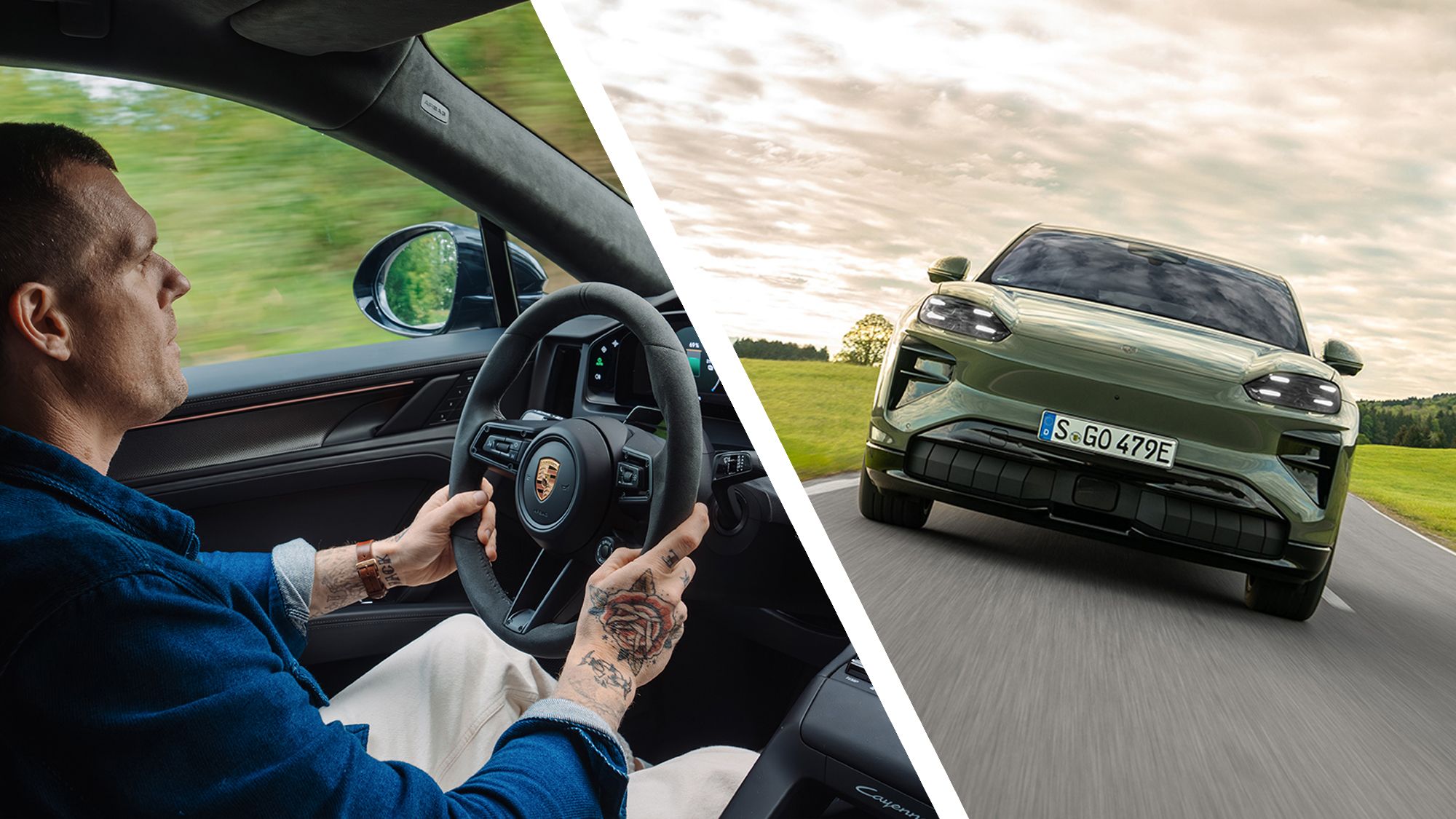
Porsche’s recent struggles to move its high-performance EVs at the volume anticipated by global analysts are well-documented. Yet, from a purely technical standpoint, the disconnect between market performance and product capability is stark. The Taycan continues to set the benchmark for electric driving dynamics, and the Macan Electric has rapidly established itself as the performance SUV to beat.
The Cayenne—a vehicle that once saved the company from financial ruin—now serves as the spearhead for this latest performance offensive. By offering a dizzying array of options, including traditional combustion, hybrid, and full-battery electric (BEV) powertrains, Porsche is essentially hedging its bets. It is a calculated move to ensure that the transition to electric doesn’t alienate the brand’s core customer base, who may still be hesitant to fully relinquish the roar of a V8.
Chronology of the Transition
Porsche’s journey to this point has been marked by a series of high-profile pivots:
- The Taycan Era (2019): Porsche proved that an EV could be a "real" Porsche, prioritizing chassis balance and cooling efficiency over raw, straight-line drag times.
- The Battery Pivot (2023): Facing supply chain complexities and evolving consumer demand, Porsche announced a tactical pullback on its internal battery production ambitions, shifting focus toward strategic partnerships.
- The Sports Car Delay (2024): The much-anticipated transition of the 718 Boxster and Cayman to an all-electric platform was pushed back, reflecting a broader industry cooling in EV demand for niche sports car segments.
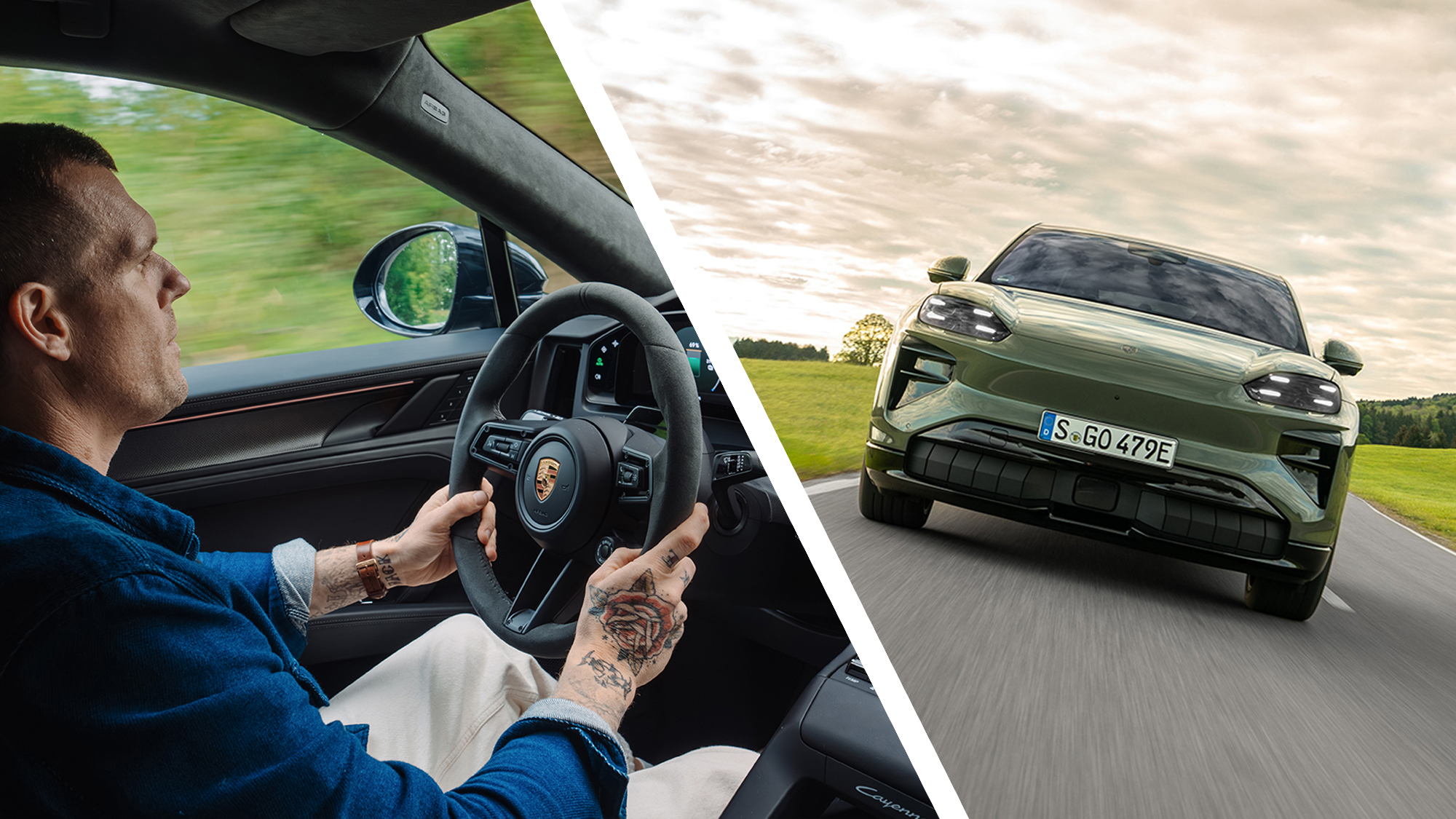
- The Cayenne Expansion (2024-Present): Recognizing that the SUV remains the "bread and butter" of the company, Porsche doubled down on the Cayenne platform, introducing the most powerful iteration of the model in the company’s history.
Engineering the Future: The Cayenne Turbo Electric
The centerpiece of this strategy is the Cayenne Turbo Electric, a vehicle that, on paper, defies the laws of physics. With a combined output of 1,156hp in Launch Control mode, the SUV achieves a 0-62mph sprint in a blistering 2.5 seconds. While the top speed is capped at 162mph, the numbers are less significant than the way they are delivered.
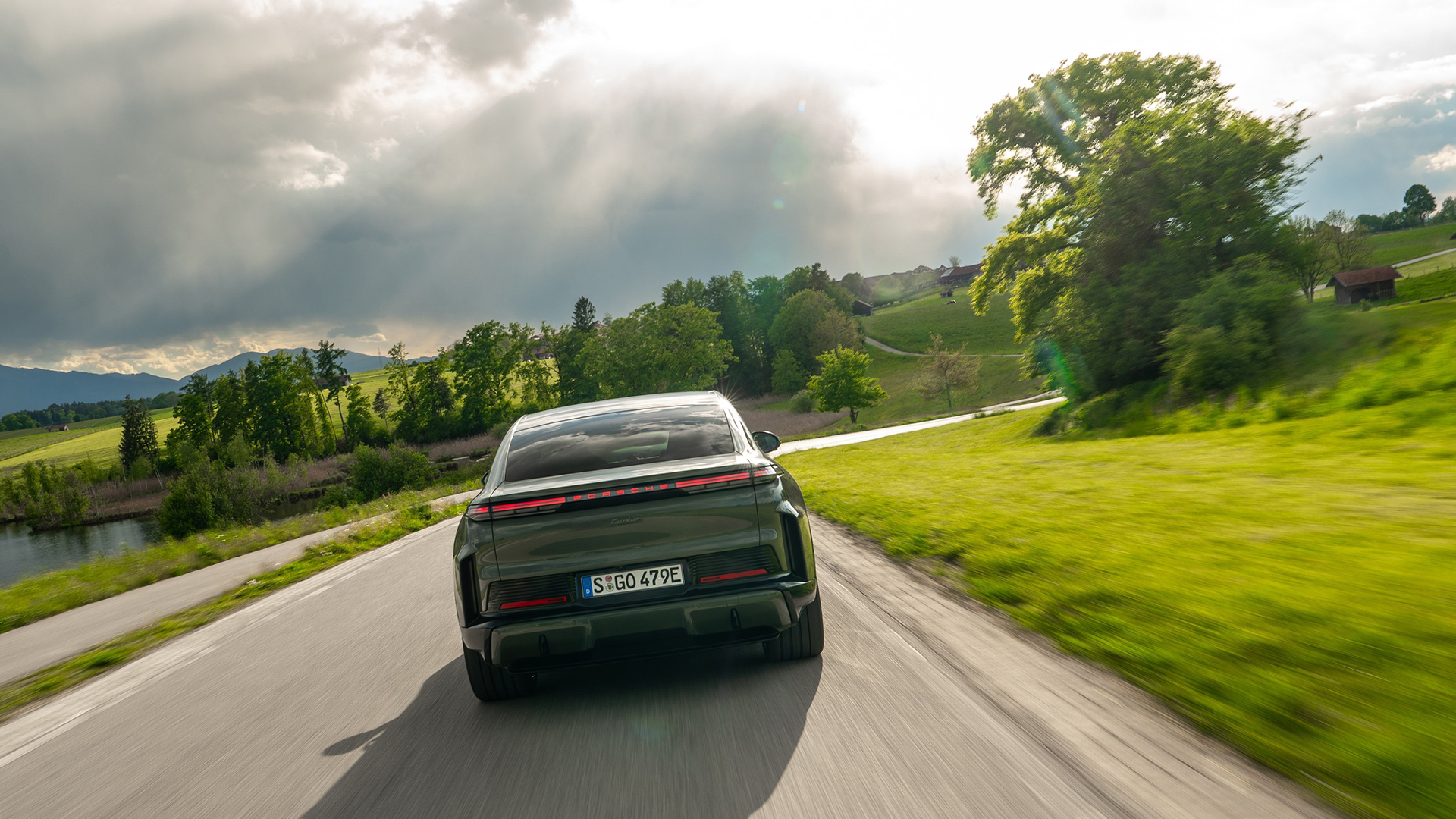
Underpinning this performance is a 113kWh (108kWh usable) battery pack. While this adds significant heft—the vehicle weighs in at approximately two and a half tonnes—Porsche’s engineers have employed a sophisticated suite of chassis technologies to mask the mass. The integration of adaptive air suspension and the optional Porsche Active Ride system allows the vehicle to neutralize body roll, effectively mimicking the handling characteristics of a vehicle half its size.
The Aerodynamic Edge
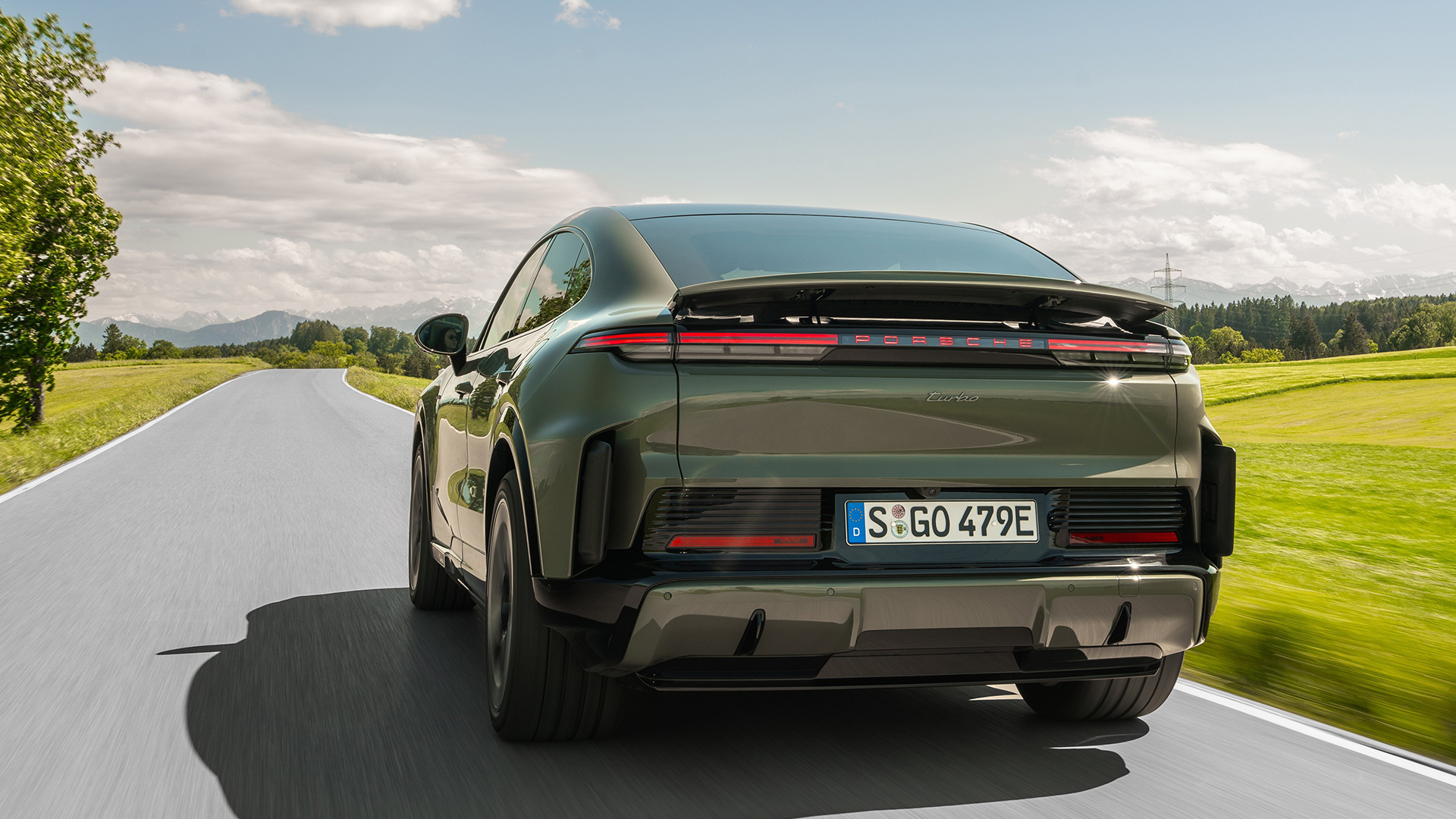
The Cayenne Coupe Electric, which adopts a more aggressive, 911-inspired roofline, is not merely an aesthetic choice. The 24mm reduction in height, paired with active, jet-fighter-style aero flaps, results in a more efficient profile. This aerodynamic refinement contributes to a maximum range of 415 miles—a significant milestone for a vehicle of this footprint.
Supporting Data and Technical Innovations
The shift to electric has allowed Porsche to experiment with technologies that were previously unthinkable in a combustion-driven SUV.
1. Charging Infrastructure
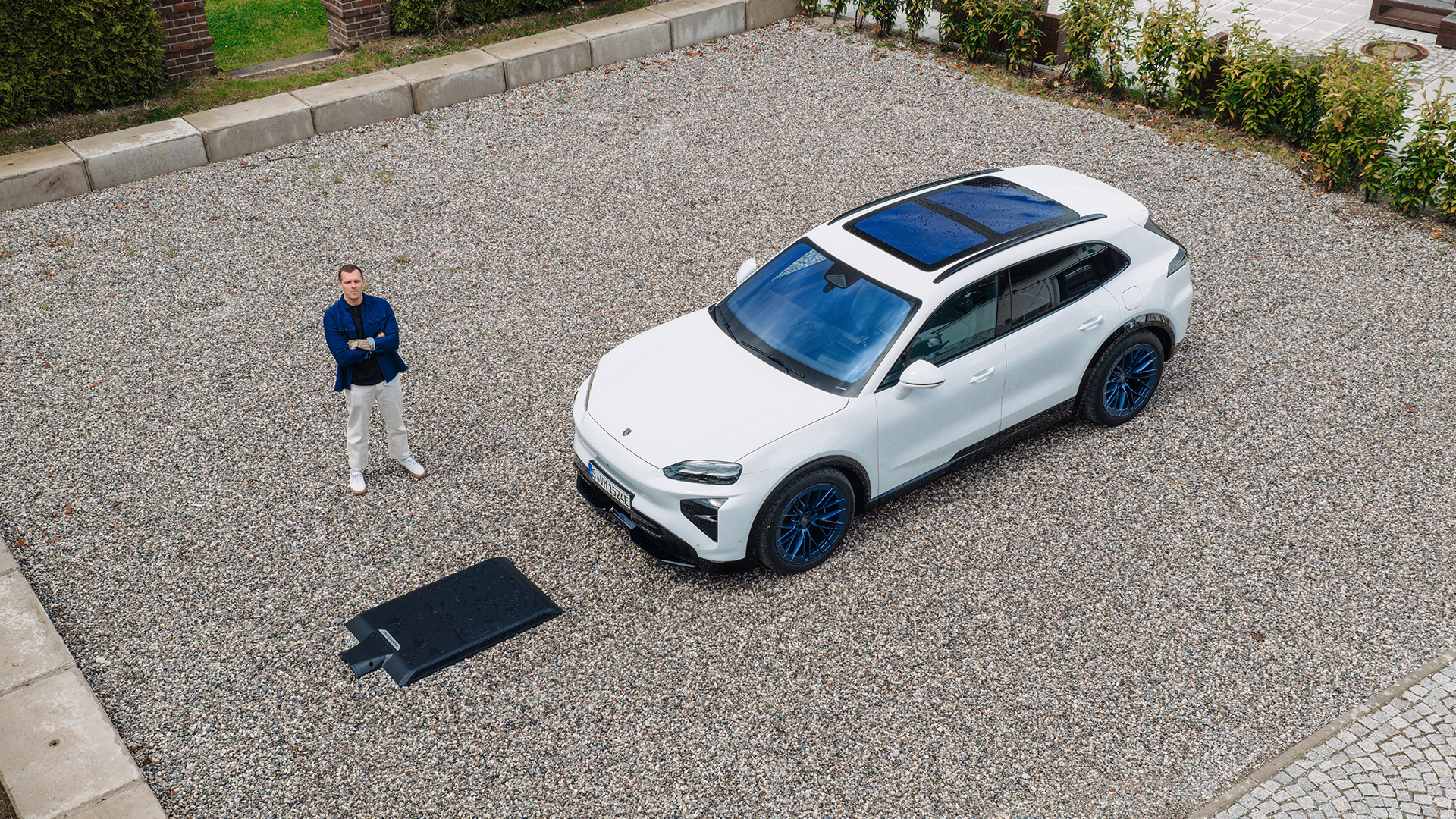
The Cayenne Electric boasts compatibility with 390kW DC fast-charging outlets, allowing a 10-80% charge in just 16 minutes. More notably, Porsche is pioneering wireless induction charging. By burying charging pads beneath the surface of a driveway, owners can achieve 11kW charging without ever handling a cable—a convenience feature that addresses one of the primary "pain points" of EV ownership.
2. The Digital Cockpit
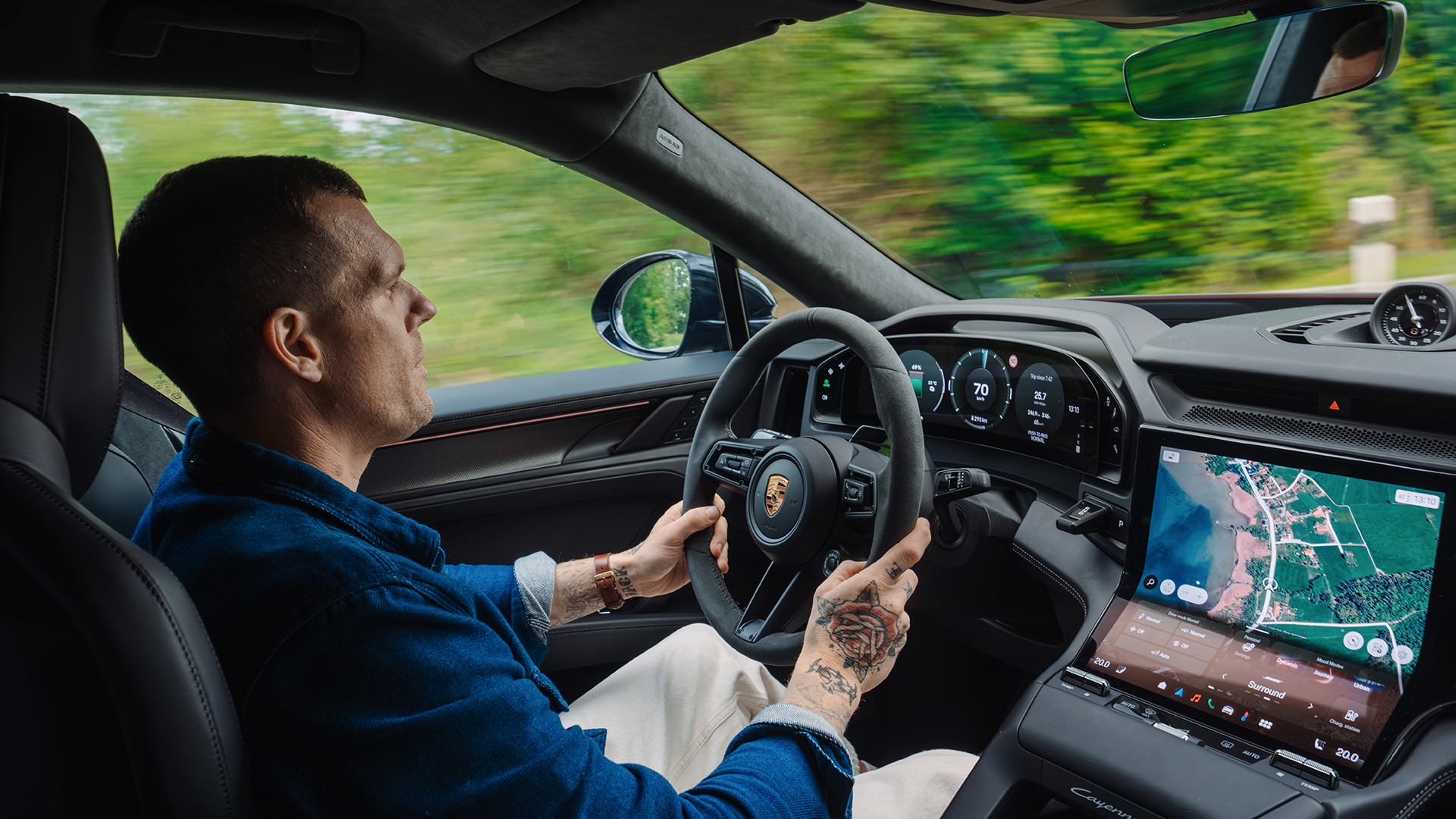
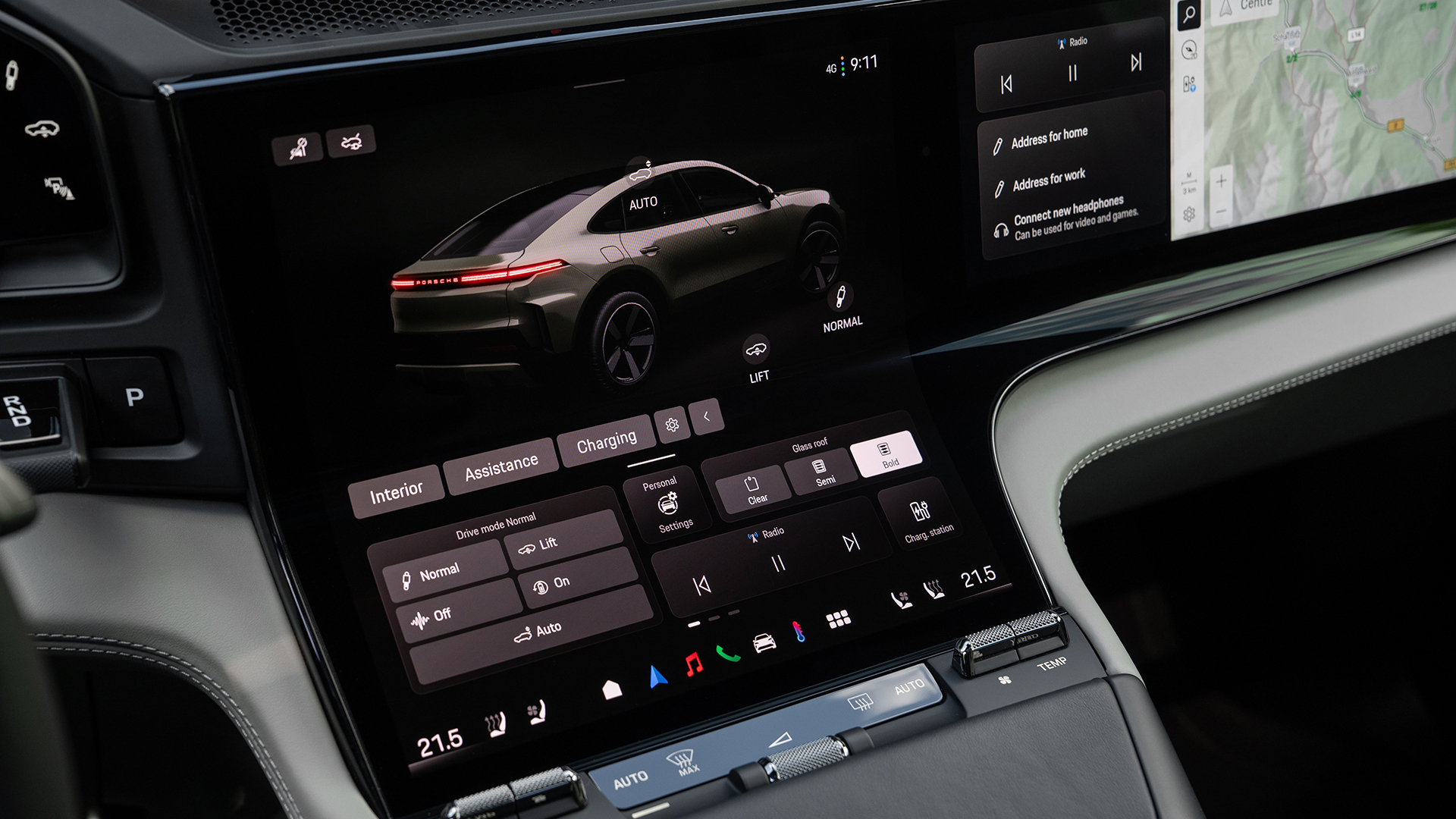
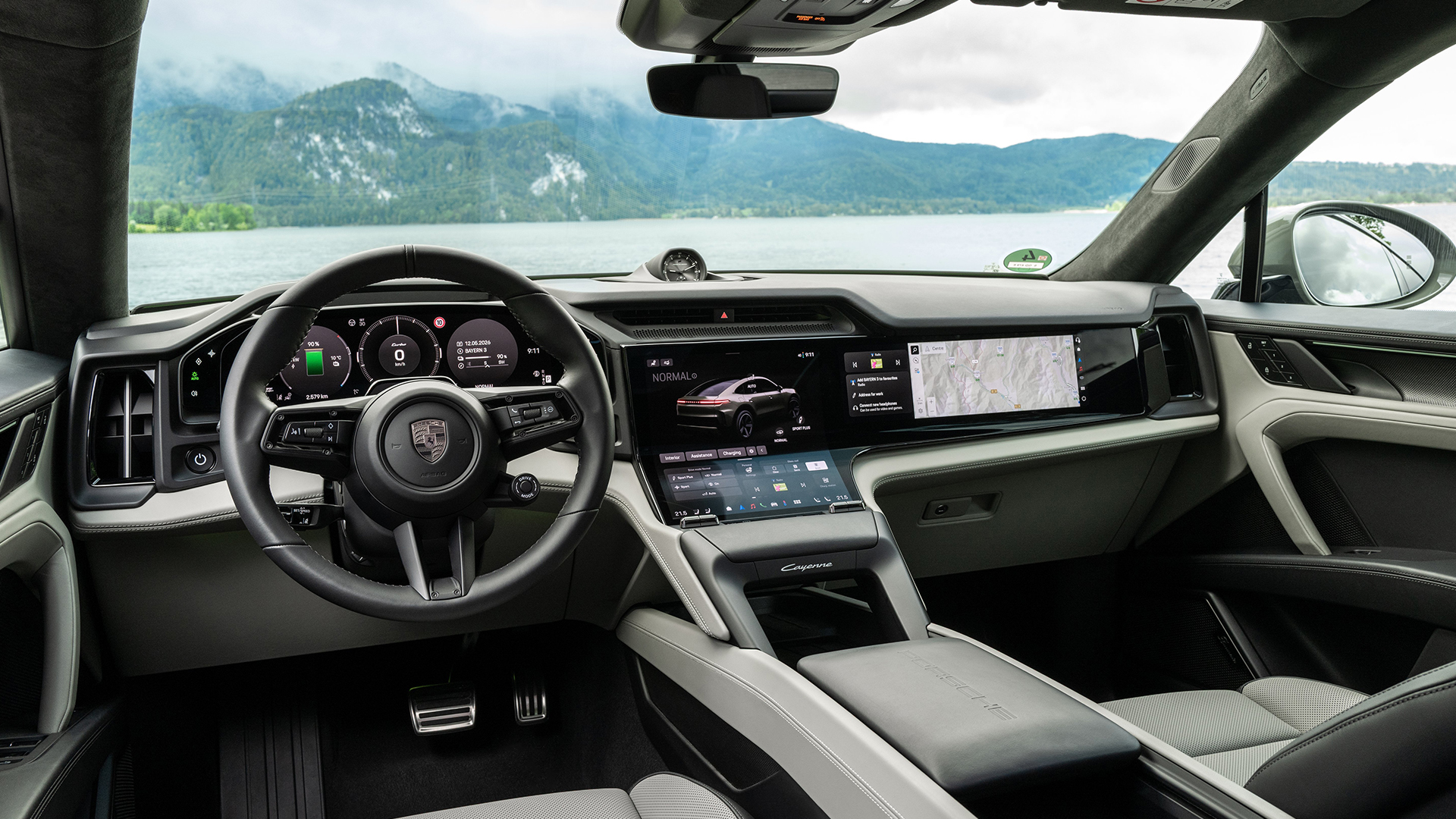
Porsche has taken a bold step toward the "Tesla-fication" of its interior, replacing tactile controls with a 40-inch curved digital display. While the lack of manual air vent adjustment has drawn criticism from purists, the interface is undeniably quick. The operating system handles complex navigation and energy-management tasks with minimal latency, keeping the driver informed of optimal charging stops during long-range journeys.
Official Responses and Market Realities
Porsche’s leadership has been transparent about the challenges. While they remain committed to their "80% electric by 2030" goal, they have signaled that this target is subject to market conditions. The company has acknowledged that the "EV enthusiasm" observed in the early 2020s has stabilized into a more cautious, pragmatic consumer environment.
Industry analysts note that Porsche is struggling with the same issue as BMW and Mercedes: falling residual values. As EVs become more tech-centric, the rapid pace of innovation means that older models depreciate faster, a phenomenon the luxury car market is still adjusting to. Porsche’s strategy of keeping combustion variants on the menu is a direct response to these market signals, allowing the brand to maintain volume while waiting for charging infrastructure to catch up with vehicle performance.
Implications for the Future
The implications of the Cayenne’s success (or failure) are profound. If the market continues to demand high-performance hybrids alongside pure electrics, Porsche may maintain a "dual-track" production strategy for longer than originally anticipated.
The Cayenne Electric represents a crucial test. It proves that the "Porsche DNA"—the weighting of the steering, the predictability of the chassis, and the build quality of the cabin—can survive the transition to electrons. However, it also highlights the limitations of the current EV market. Even with "hypercar" performance, the transition is hindered by price points exceeding $115,000 and the psychological hurdle of abandoning the combustion engine.
As we look toward the next decade, the Cayenne stands as a bridge. It is a masterclass in compromise, blending the raw, visceral power of a turbo-hybrid era with the clean, quiet, and rapid-charging future of electric propulsion. Whether it is the ultimate "last hurrah" of the internal combustion era or the first true step into a new, electric-only world remains to be seen. For now, it is, quite simply, one of the most capable machines ever to grace the road, electric or otherwise.
For enthusiasts, the message from Stuttgart is clear: the future is electric, but it will be implemented on Porsche’s terms—with speed, precision, and a healthy respect for the engineering that built the brand.












No comments yet. Be the first to join the conversation!