In the rarefied world of high-end automotive design, the constraints are usually suffocating. Engineers, safety regulators, and manufacturing feasibility studies typically act as the gatekeepers of a designer’s imagination. However, a new frontier has emerged where the laws of physics are merely suggestions and the crash test is replaced by a render engine: the video game industry.
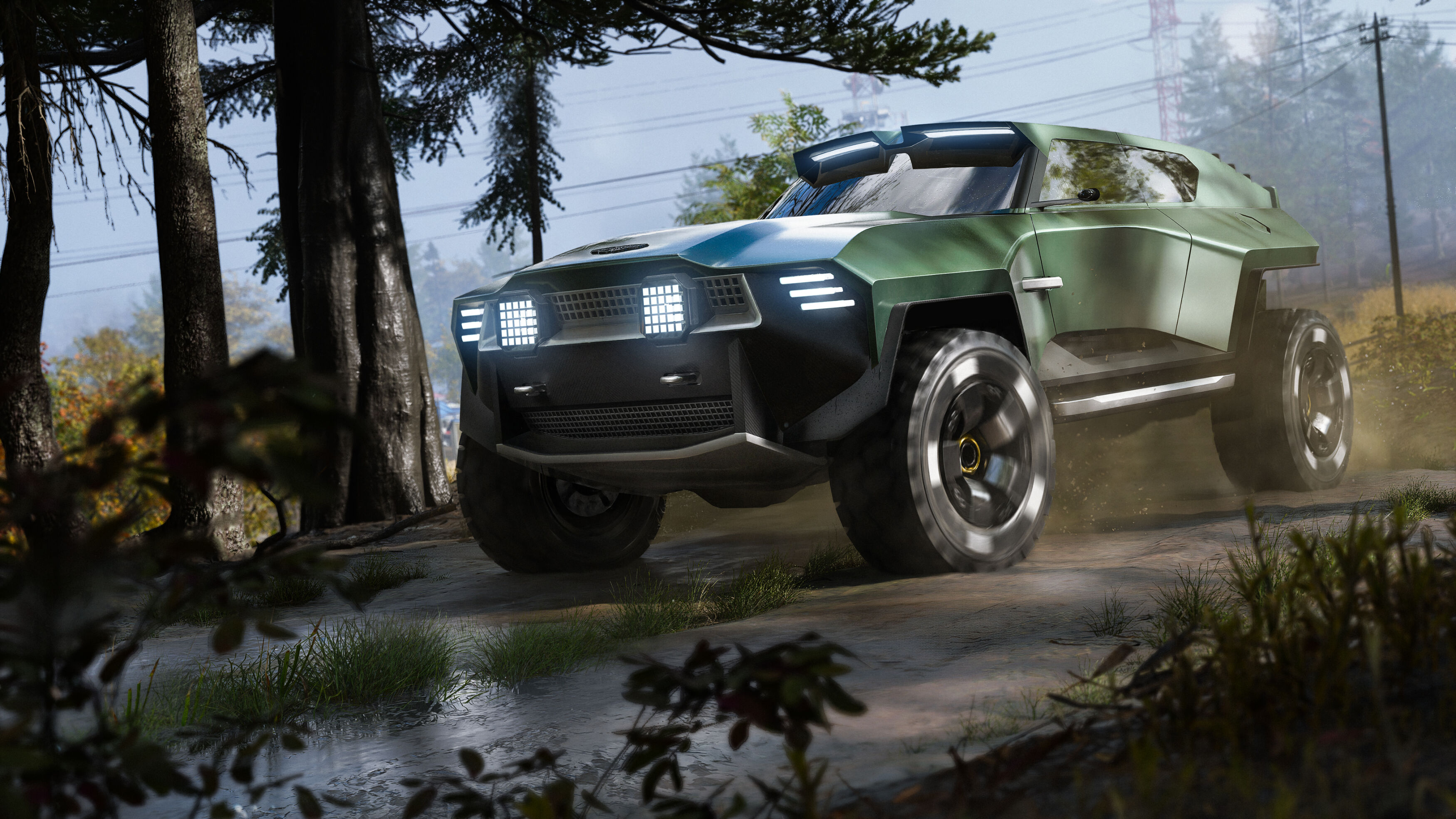
Aston Martin, a brand synonymous with heritage, elegance, and the refined roar of a V12, has stepped into this virtual arena with the "Dreadnought"—an armored, high-performance SUV that is as aggressive as it is beautiful. Yet, for all its technical prowess, you will never find it in a showroom, nor will you see it gliding through the streets of Mayfair. The Dreadnought is a digital phantom, existing exclusively within the high-octane world of Call of Duty: Modern Warfare 4.
This collaboration marks a significant pivot in how luxury automotive brands interact with digital media, shifting from simple product placement to a deep-dive exploration of brand identity in a post-reality design space.
The Anatomy of the Beast: Main Facts
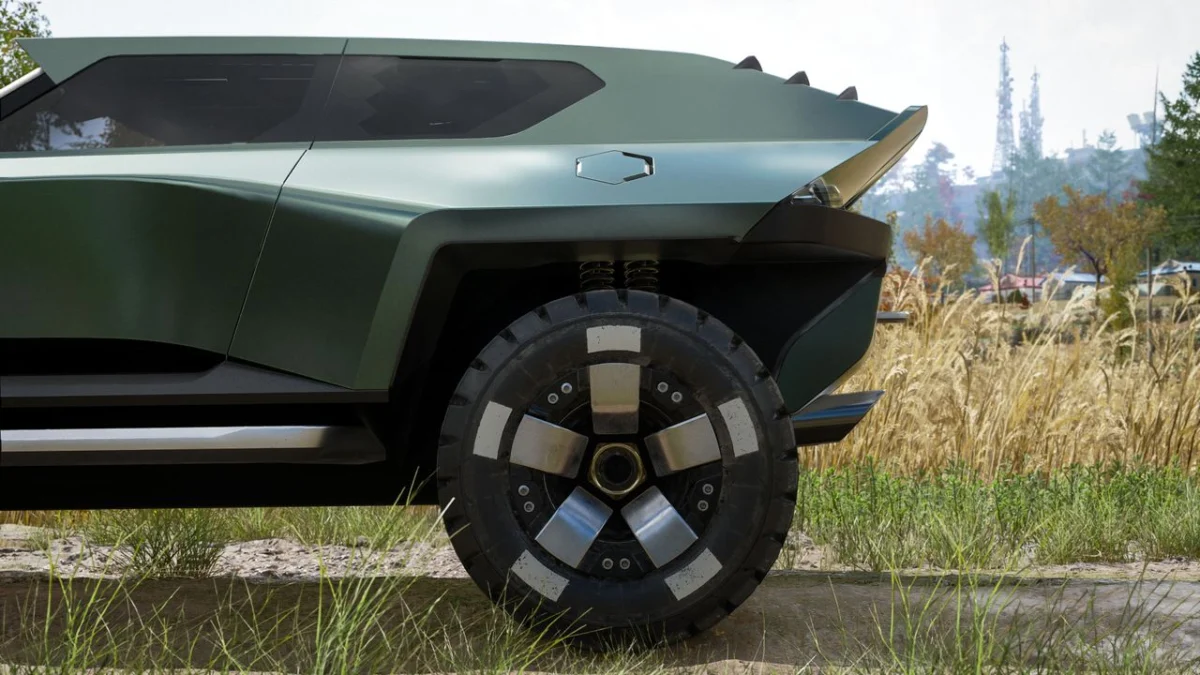
The Aston Martin Dreadnought is not merely a "skin" or a generic armored transport; it is a bespoke design project that underwent the same rigorous conceptualization as any production vehicle. Visually, it is an exercise in brutalist luxury. It features sharp, angular body panels that eschew the brand’s traditional flowing curves in favor of a menacing, military-grade silhouette.
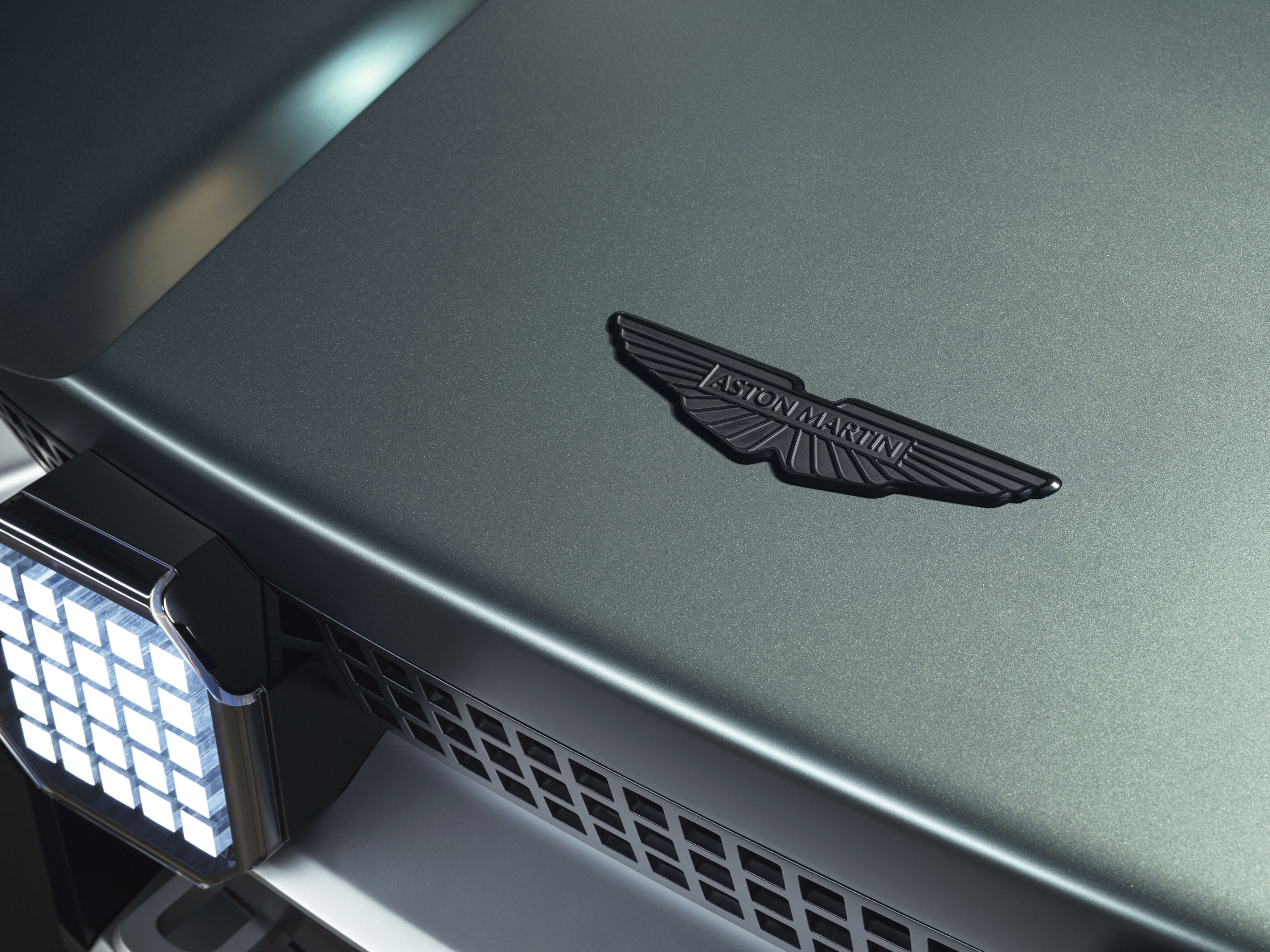
Despite its utilitarian exterior, the vehicle remains "unmistakably Aston Martin." The design team has meticulously integrated the brand’s signature DNA: the iconic Chiltern Green paintwork, rich Oxford Tan leather upholstery, and meticulous carbon fiber detailing. To ensure it feels authentic, the vehicle is finished with satin gold accents, providing a nod to the luxury craftsmanship the marque is famous for. Beneath the exterior, the Dreadnought is outfitted with high-tier armor and a specialized weapons storage compartment, reflecting its role as a tactical vehicle in the Call of Duty universe.
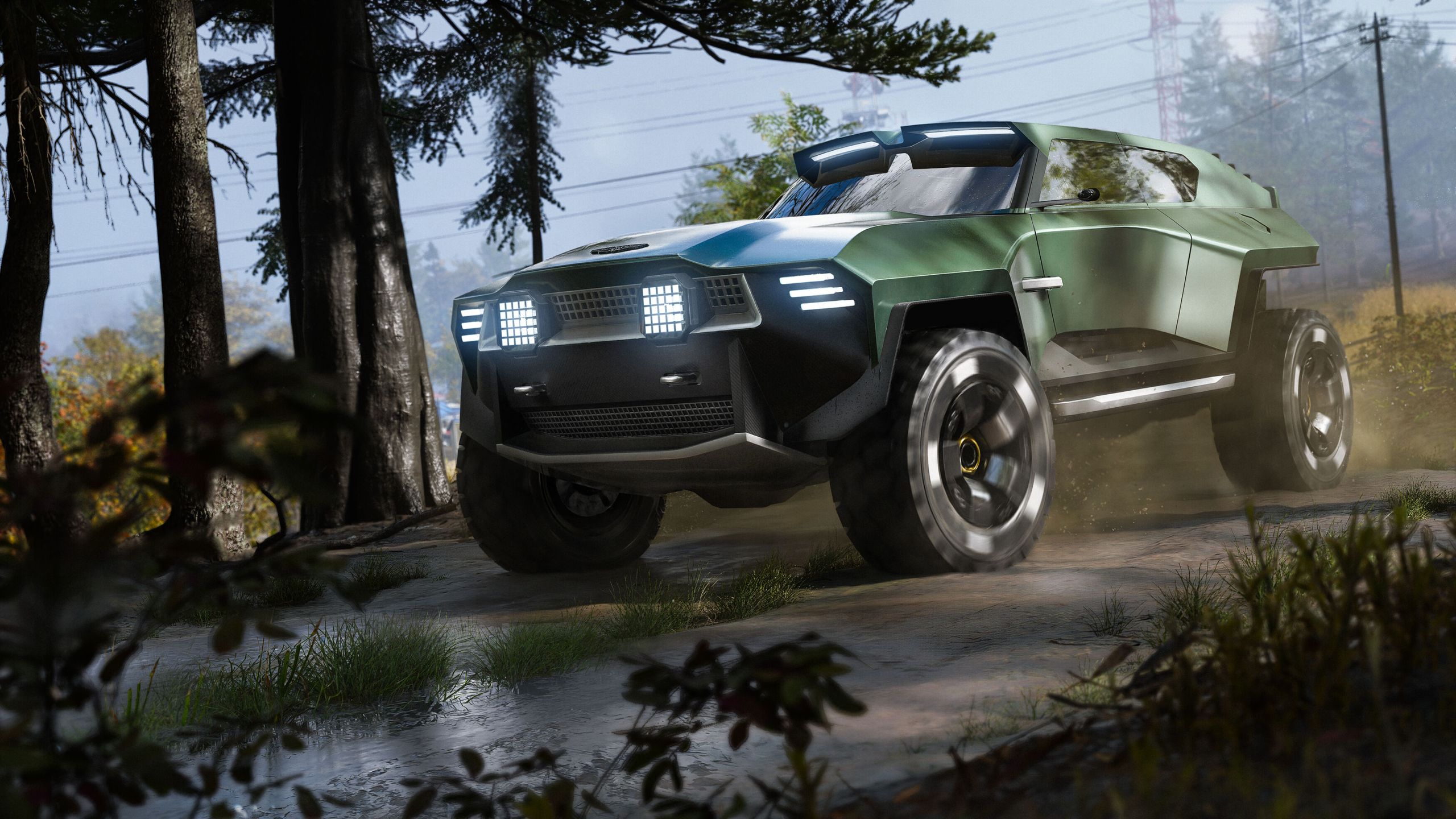
Perhaps most importantly, the vehicle’s auditory profile was treated with the same reverence as a real-world engine. The Dreadnought features the unmistakable, guttural roar of an Aston Martin V12, ensuring that its presence is felt long before it appears on screen.
From Sketch to Screen: A Chronology of the Project
The journey of the Dreadnought began long before the lines of code were written. While one might assume that a fictional car is a "quick build" for a marketing stunt, the design process followed a traditional automotive development cycle:
- Conceptualization (Phase I): The Aston Martin design studio, led by Marek Reichman, began by establishing a "use case" for the vehicle. They imagined the Dreadnought operating in diverse, challenging environments—from the dense, high-traffic corridors of New York City to the flooded, monsoon-drenched roads of Mumbai.
- Digital Prototyping (Phase II): Unlike traditional cars, the Dreadnought skipped the clay-modeling phase, moving directly into high-fidelity digital modeling. This allowed the team to iterate on complex geometric shapes that would be impossible to manufacture with current industrial stamping techniques.
- Integration (Phase III): The design was handed over to the developers at Activision. The challenge here was to ensure the vehicle’s physics and handling characteristics mirrored the weight and power of an armored SUV, preventing it from feeling like a "floaty" video game object.
- Refinement (Phase IV): Final texturing and lighting adjustments were made to ensure the Dreadnought looked as realistic under the dynamic lighting of the game engine as it would under a studio spotlight.
The Strategic Shift: Why Virtual Matters
The move into the digital space is not just about marketing; it is about brand survival and future-proofing. Automotive companies are facing a demographic shift where the traditional "dream car" is no longer a physical possession but a digital status symbol.
The Gamification of Luxury
The automotive industry has been playing catch-up with the gaming world for years. While past collaborations often involved "borrowing" existing models for racing sims like Gran Turismo or Forza Horizon, the Dreadnought represents a paradigm shift. Aston Martin is not just showing off a car; they are showing off a design philosophy.
Data as a Design Tool
In the digital realm, designers can test consumer engagement in real-time. By tracking how players interact with the vehicle—how often they choose it, how they customize it, and where they drive it—brands can gather invaluable data on consumer preferences for aggressive aesthetics without risking the capital required for a real-world prototype.
Official Perspectives: The Vision of Marek Reichman
Marek Reichman, Chief Creative Officer at Aston Martin, has been vocal about the importance of treating the Dreadnought with the same respect as a production model. In a recent statement, Reichman emphasized that the goal was never to create "gamesy" clutter.
"We approached the Dreadnought as if it were a real machine," Reichman stated. By applying real-world constraints—such as how the weight distribution would affect turning or how the armor would impact the suspension—the designers were able to create a sense of "believability." This intentional design approach is what separates the Dreadnought from the sea of generic vehicles typically found in first-person shooters. It is a lesson in how to maintain brand integrity while embracing the limitless potential of virtual reality.
Implications for the Future of Design
The existence of the Dreadnought raises a provocative question: Is the video game engine the new "secret lab" for automotive designers?
Breaking the Physical Constraints
In the real world, a vehicle must adhere to pedestrian safety regulations, aerodynamic efficiency, and manufacturing budget caps. The Dreadnought proves that when these shackles are removed, the resulting design can be far more evocative. It allows designers to push the brand’s visual language to its absolute limit, providing a "visionary" look at what the brand could be if the rules of the road were erased.
The "Halo" Effect
By placing such an extreme vehicle in a globally recognized title like Call of Duty, Aston Martin is reaching an audience that might not yet be in the market for a six-figure luxury sports car. This is long-term brand building. It associates the marque with excitement, technological dominance, and the cutting edge of digital entertainment. It is the modern-day equivalent of the "poster on the bedroom wall," but with the added interactivity of a fully realized 3D asset.
The Contested Reality of Branding
As Jaguar recently demonstrated with their controversial "Type 00" concept, modern luxury brands are desperate to redefine their identities to appeal to a younger, more digital-native audience. Whether it is through the 007 First Light project or Aston Martin’s Dreadnought, the trend is clear: the showroom is no longer the primary battleground for brand relevance. The screen is.
Conclusion
The Aston Martin Dreadnought is a paradox. It is a masterpiece of design that will never burn a drop of fuel, yet it carries more personality than most production vehicles on the road today. It serves as a testament to the fact that, in the 21st century, the definition of a "real" product is expanding.
As we look toward the future, we can expect more legacy brands to utilize these digital sandboxes. The game engine is no longer just a place for entertainment; it is an incubator for ideas, a proving ground for bold new aesthetics, and a vital bridge between the heritage of the automotive past and the digital-first future.
For those who want to experience this feat of design, the Dreadnought hits the virtual pavement on October 23, available for players on Xbox Series X/S, PlayStation 5, and PC. While you may not be able to park it in your garage, you can certainly command it on the battlefield, proving once and for all that in the world of high-performance design, the only limit is the imagination—and perhaps the frame rate.