

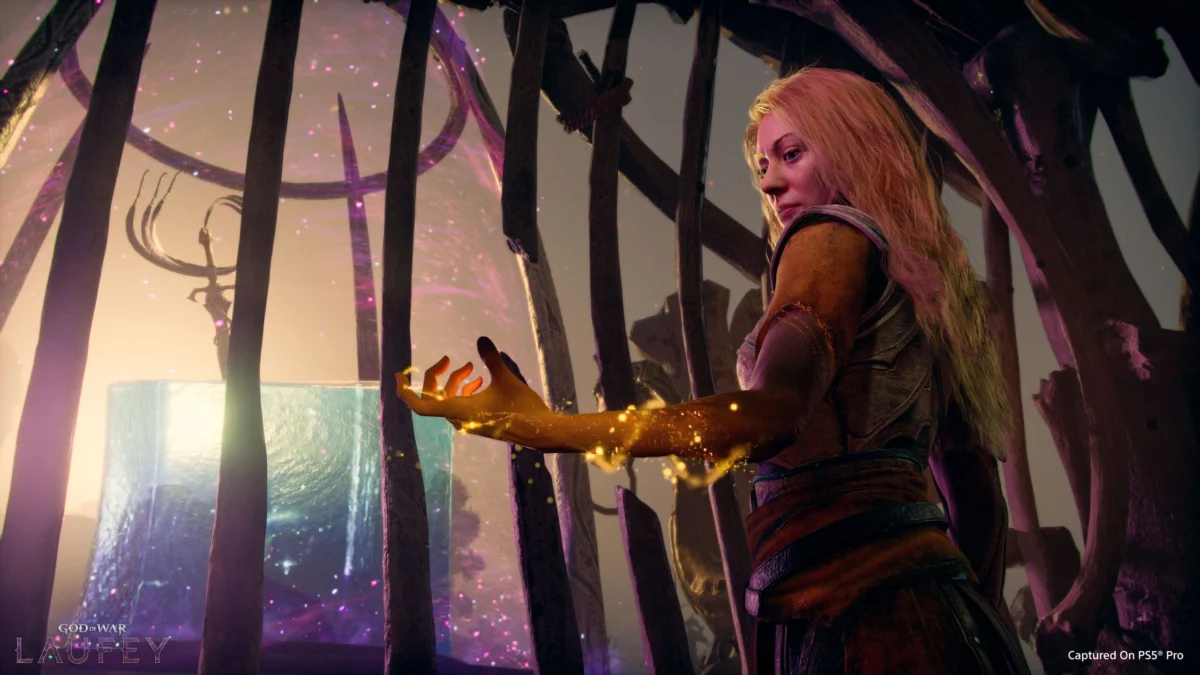
In a stunning finale to the most recent PlayStation State of Play, Santa Monica Studio shattered nearly two decades of franchise tradition. For the entirety of the God of War series, the name on the box—and the weapon in the hand—has been synonymous with Kratos. Whether navigating the crumbling pillars of Olympus or the frozen peaks of Midgard, the Ghost of Sparta has been the singular anchor of the player’s experience. That era has officially ended.
With the announcement of God of War: Laufey, the developers have pivoted to the character who arguably holds the most narrative weight in the modern saga: Faye, the warrior-wife of Kratos and the mother of Atreus. The reveal, which included over twenty minutes of raw gameplay and cinematic footage, positions this new entry not merely as a spin-off, but as a fundamental expansion of the God of War mythos.
Main Facts: A New Perspective on the Afterlife
God of War: Laufey is set immediately following the events of the 2018 God of War title—specifically, in the wake of Faye’s funeral. However, the narrative conceit is as bold as it is unexpected: Faye is not truly gone. She awakens in "The Everywhen," a metaphysical realm described as the afterlife of the gods and the literal birthplace and final destination of all magic.
In this realm, Faye discovers that the intricate web of destiny she wove to protect Kratos and Atreus is unraveling. The game shifts the perspective entirely, moving away from the stoic, burdened rage of Kratos toward a character who has, until now, only existed as a legend whispered by others. Deborah Ann Woll returns to provide the voice and motion capture for the titular character, bringing a nuanced humanity to a figure previously relegated to the shadows of lore.
Chronology: Bridging the Myths
The timeline of God of War: Laufey is uniquely positioned to bridge the gap between various mythologies. By utilizing The Everywhen as the game’s primary setting, Santa Monica Studio is effectively turning the franchise into a multiversal hub of divine conflict.
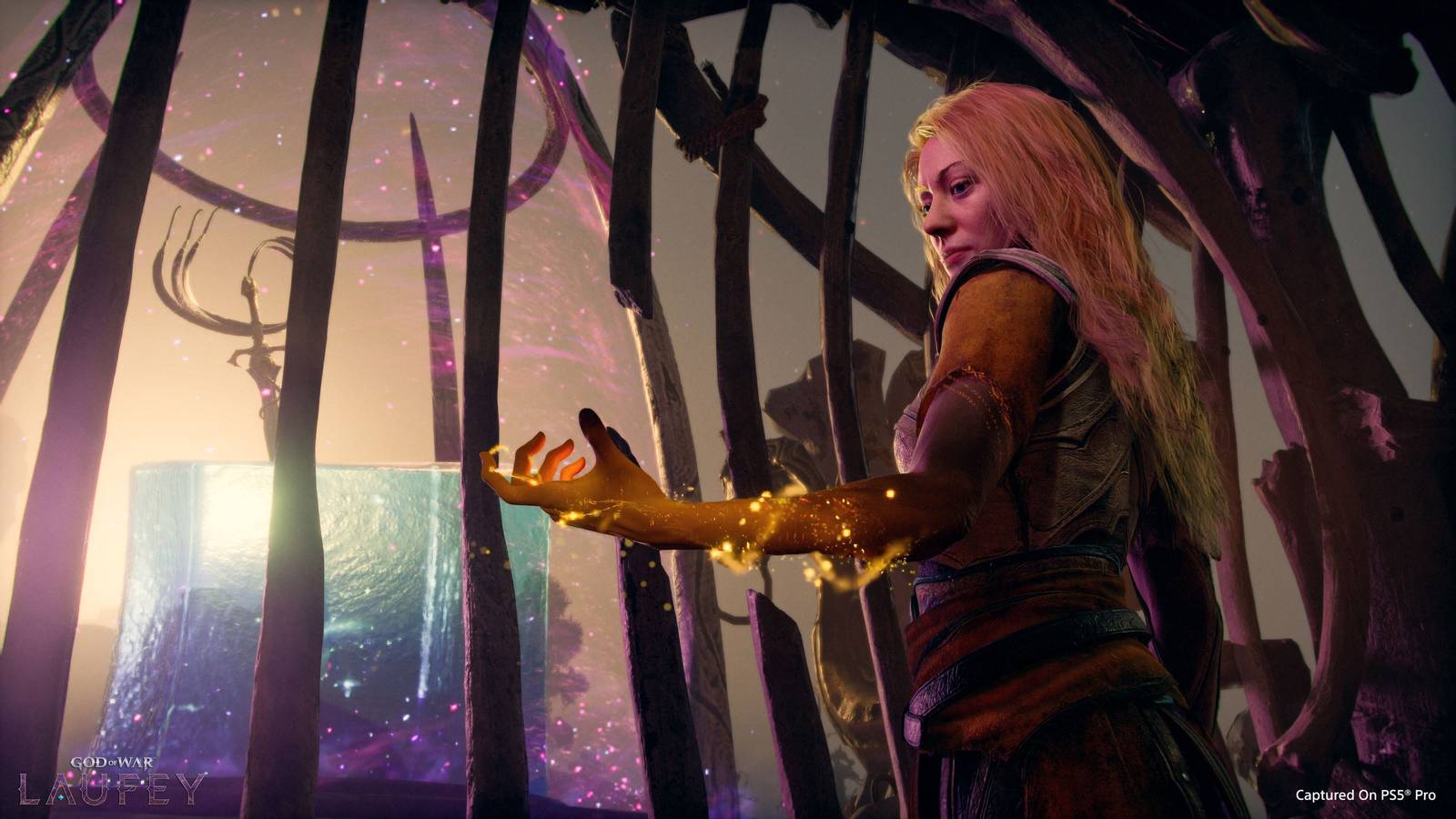
The Everywhen is not a passive afterlife; it is a volatile nexus where the gods of disparate pantheons collide. The gameplay footage explicitly teased the presence of Sekhmet, the Egyptian Goddess of War, and Begtse, the Mongolian God of War. This suggests that the series is moving beyond the binary of Greek versus Norse, potentially opening the door for a global, interconnected pantheon of adversaries.
This chronology is essential to the "Everywhen" concept—a place where time does not function linearly, allowing Faye to interact with entities from the past, present, and future of these various cultures. It provides a narrative justification for the expansion of the franchise’s scope, moving from the localized, familial drama of the Norse saga to a broader, cosmological threat.
Supporting Data: Gameplay Evolution and Mechanical Innovation
One of the most pressing questions following the reveal was how Santa Monica Studio would handle the transition away from the "Kratos feel." Kratos is a character defined by weight, heavy impact, and grounded, brutal violence. The developers have confirmed that they are not simply re-skinning the Kratos moveset for Faye.
The Flow of Combat
Faye’s combat philosophy is designed to blend the high-speed, vertical mobility of the classic Greek era with the tactical depth of the modern Norse titles. Unlike Kratos, Faye can jump freely, utilizing a combat style that emphasizes "lethal mobility." Her primary arsenal consists of a specialized sword paired with the sentient enchanted ribbon, Rue. This duo allows for a combination of long-range entanglements and swift, mid-air executions.
The Golden Hand of the Jötnar
Perhaps the most intriguing addition is the "Golden Hand of the Jötnar." As a Giant, Faye possesses innate magic that strikes fear even into the heart of Odin. Mechanically, this manifests as a soul-manipulation mechanic. Players can detach an enemy’s soul from its physical form, anchor it to a location or another foe, and then strike the displaced soul to cause massive area-of-effect damage.

Companion Dynamics
The game continues the tradition of the "companion" system introduced in 2018. Faye is joined by Phranque, a sentient "cosmic cube" that acts as both a narrative guide and a tactical asset in combat. Much like Atreus’s bow or Freya’s support magic, Phranque provides utility that complements Faye’s aggressive, agile playstyle, ensuring that players have a constant stream of combat options.
Official Responses and Studio Vision
Santa Monica Studio has remained relatively tight-lipped regarding the specific release date, though the polish of the twenty-minute reveal suggests the project is well into development. In an official statement accompanying the reveal, the studio emphasized that this game is a "necessary evolution" for the franchise.
"We felt that after the conclusion of the Norse saga, the best way to honor the legacy of God of War was to explore the perspective of those who stood against the gods," the studio noted. "Faye was the architect of Kratos’s redemption. Seeing her journey—not as a wife, but as a warrior and a Giant in her own right—was a story that demanded to be told."
The industry reaction has been overwhelmingly positive, with many critics noting that the shift to a faster, more aerial-focused combat system feels like a "breath of fresh air" for a series that had perfected the heavy-hitting gameplay of the last two entries.
Implications: A New Era for the Franchise
The implications of God of War: Laufey are profound. Firstly, it proves that God of War is no longer tethered to Kratos as the sole protagonist. This creates a sustainable model for the franchise to continue indefinitely, allowing the developers to explore different characters within the same engine and mechanical framework.
Secondly, the confirmation that the studio is simultaneously working on remakes of the original Greek trilogy—God of War, God of War II, and God of War III—suggests a massive strategic push to unify the franchise’s history. By having the "Old Era" remakes running alongside the "New Era" narratives like Laufey, Santa Monica Studio is positioning God of War as a pillar of the PlayStation ecosystem that is both a historical treasure and a forward-looking powerhouse.
The Road Ahead
While fans wait for an official release window, the rumors circulating through industry insiders suggest that God of War: Laufey is arriving sooner than expected. Many analysts point to a late 2026 or early 2027 release, potentially serving as a centerpiece title for a mid-cycle PS5 hardware refresh.
The inclusion of Egyptian and Mongolian deities indicates that the studio is laying the groundwork for a truly global conflict. If The Everywhen is indeed the birthplace of all magic, Faye’s journey to protect the "plans" she set for Kratos could fundamentally rewrite how we understand the history of the entire series.
As we look toward the horizon, one thing is certain: the God of War franchise has successfully shed its skin. Whether it is through the visceral, soul-shattering combat of Faye or the nostalgia-driven remakes of the Greek era, Santa Monica Studio is ensuring that the gods are far from finished. For players, the wait for the next chapter of this mythic saga is now the most anticipated event on the gaming calendar.
The story of Kratos may have reached a quiet, meditative peace in the mountains, but the story of the giants—and the woman who stood at the center of the Norse saga—is just beginning. The Everywhen awaits, and if the reveal footage is any indication, it is a realm that will demand every ounce of skill, strategy, and strength the player can muster.












No comments yet. Be the first to join the conversation!