In the rapidly evolving landscape of modern sequential storytelling, the divide between the traditional "direct market" comic book industry and the burgeoning digital webtoon sector has never been more pronounced. While industry stalwarts and independent creators alike often focus their analysis on the health of local comic shops and Diamond distribution, a quiet revolution is taking place on screens around the world. At the forefront of this shift is veteran writer Justin Jordan, whose webcomic Urban Animal has quietly amassed a following that dwarfs his traditional print output.
With over 465,000 subscribers and a consistent weekly readership hovering between 80,000 and 100,000, Urban Animal serves as a fascinating case study for how creators can leverage digital platforms to build sustainable, lucrative careers outside the confines of the traditional direct market.
The Architect of the Digital Shift: Justin Jordan’s Career Path
To understand the gravity of the Urban Animal success story, one must look at the pedigree of its creator. Justin Jordan is a household name for fans of edgy, high-octane comics. His resume is a masterclass in industry versatility, having penned acclaimed runs for DC Comics—including The Curse of Brimstone, Sideways, and New Guardians—and spearheading reboots for Valiant’s Shadowman. His work with Image Comics, specifically the visceral Luther Strode series and the post-apocalyptic Spread, solidified his reputation as a writer who understands the pulse of the direct market.
However, Jordan acknowledges a common industry blind spot: the tendency to conflate "comics" with "the direct market."
"I have a bad habit of saying ‘comics’ when what I am actually talking about is ‘direct market comics,’" Jordan notes. "We talk about comics being in trouble based on what’s happening in the direct market. But while the direct market has its ups and downs, comics—sequential storytelling—is enormously popular."
By pointing to juggernauts like Dav Pilkey’s Dogman, which boasts print runs in the millions, and the consistent dominance of manga in the American book market, Jordan highlights that the medium of comics is healthier than ever; it has simply migrated to new ecosystems.

Chronology of a Digital Success Story
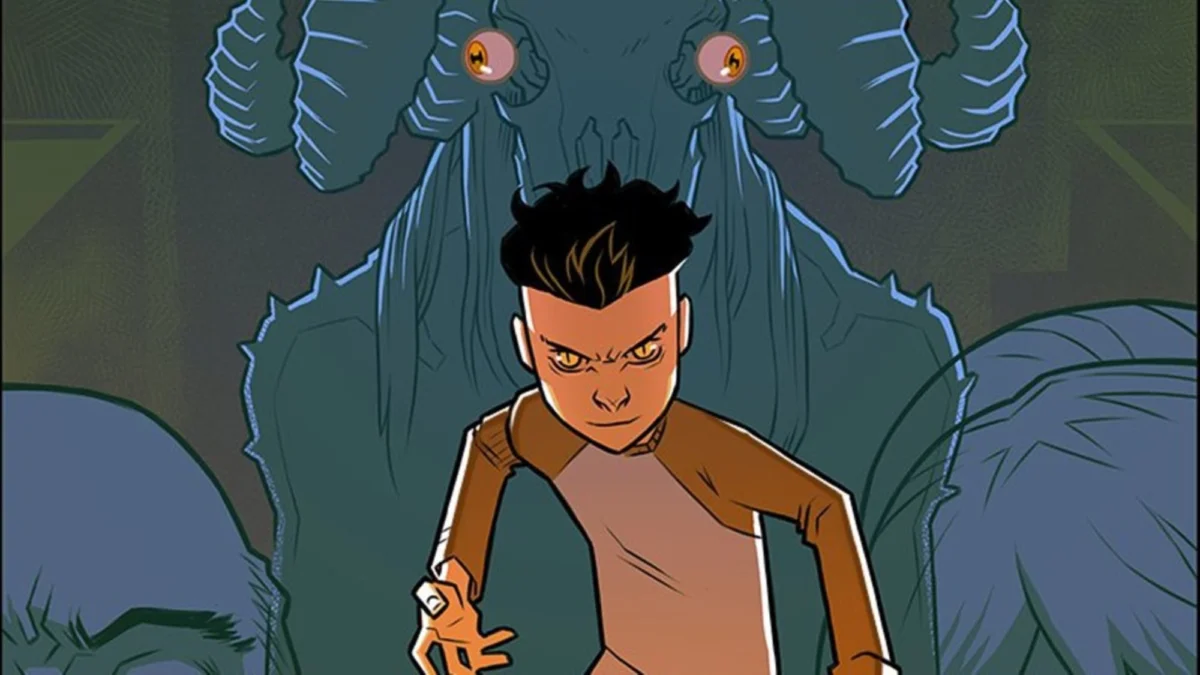
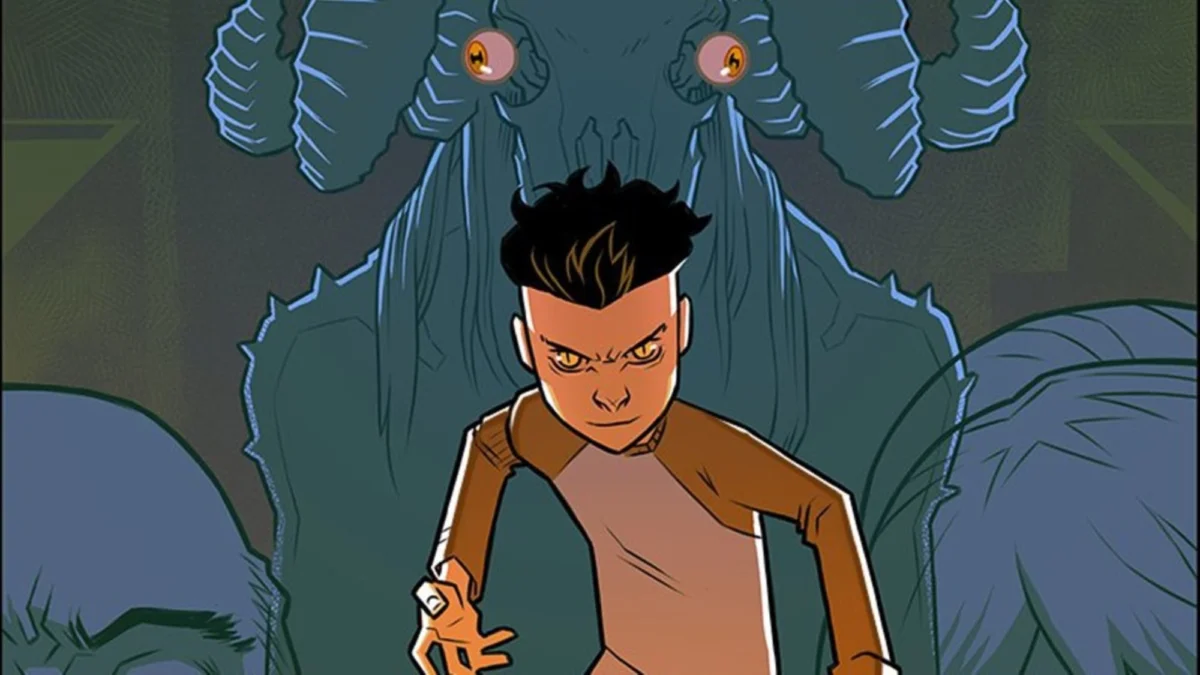
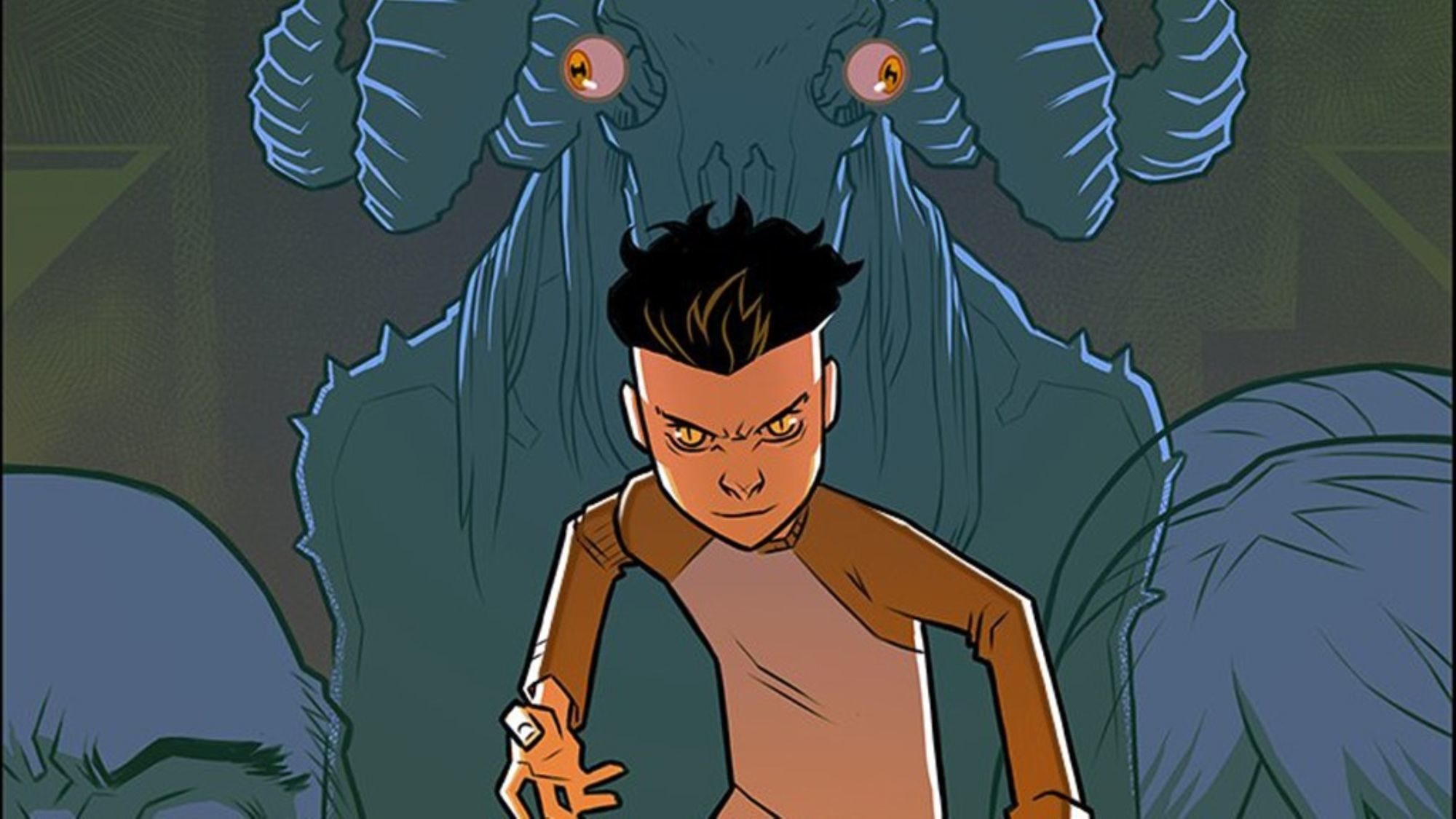
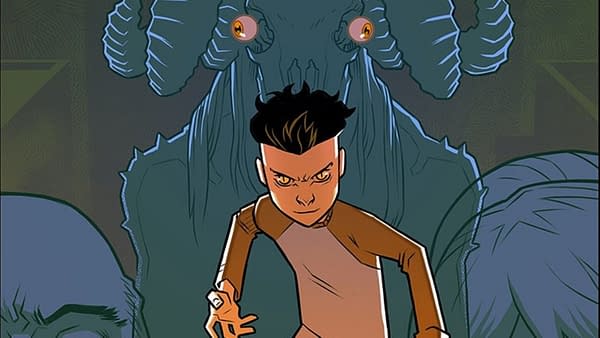
Urban Animal, illustrated by John Amor with lettering by Micah Myers, launched on Webtoon with a premise designed for modern, episodic consumption: Joe Gomez, a high schooler with everything going for him, suddenly discovers he is a "Chimera," a shape-shifting nature spirit with the ability to turn into a saber-toothed tiger.
The series’ trajectory has been defined by steady, organic growth. Over its tenure, the title has moved from a fledgling project to a staple of the Webtoon platform. Currently in its third season, the series has produced enough content to fill roughly 30 standard-sized direct market issues.
This longevity is key to the platform’s business model. Unlike the high-stakes, short-term survival cycles of many print books, Urban Animal benefits from the "hyperserialized" nature of webcomics. Readers aren’t just buying an issue; they are engaging in a weekly appointment-viewing style habit that encourages retention and community building.
Supporting Data: The Math Behind the Millions
The scale of readership on Webtoon is staggering to those accustomed to the monthly sales charts of the direct market. While an "A-list" comic in the direct market might be considered a success if it moves 30,000 to 50,000 copies, Urban Animal operates in a different bracket entirely.

- Subscribers: 465,000 and counting.
- Weekly Readership: A consistent base of 80,000 to 100,000 readers.
- Engagement: Approximately 10,000 "likes" per episode upon release.
While these numbers are impressive, they come with a crucial caveat: they are free to access. However, the monetization model is far more sophisticated than simply relying on ad revenue. Webtoon’s "Fast Pass" system allows dedicated fans to pay roughly 50 cents to view future episodes early.
Jordan estimates that at a minimum, 4,000 individuals engage with the Fast Pass system weekly. When extrapolated against the platform’s licensing fees and ad revenue splits, the financial reality becomes clear: the income generated by Urban Animal is, in many instances, equivalent to or better than the page rates paid by major publishers for traditional work.

Implications for Creator Ownership
Perhaps the most significant takeaway from Jordan’s experience is the structural shift in ownership. In the traditional direct market, creator-owned books often involve a complex web of rights, and work-for-hire contracts frequently see publishers retaining significant stakes in the intellectual property.
Urban Animal functions differently, operating more like the traditional prose market. Webtoon acts as a licensee, paying a fee for the exclusive rights to host the content for a defined period. This leaves the creative team with greater long-term control over their IP.

"From a business standpoint, it’s a pretty good deal," Jordan explains. "It makes it hard to say how financially profitable it is because the time horizon is fairly long… the sheer volume and length of it means I will probably eventually make more money from this than from any other series I’ve done."
The Hybrid Model: Bridging the Digital and Physical
The final piece of the puzzle is the transition from digital-first to print. Rather than attempting to navigate the logistics of print distribution independently, Jordan has partnered with Rocketship Entertainment—a publisher that has successfully navigated the transition for other massive webcomics, including Let’s Play.

This strategy involves a crowdfunding campaign to produce a high-quality, 200-page collection of the first season. By utilizing Kickstarter, Jordan is not only gauging interest but also building a direct line to his most loyal supporters. This "hustle," as Jordan calls it, is becoming the new standard for creators who want to maximize the lifespan of their work.
"I suspect crowdfunding is going to take an increasingly prominent place in direct market comics," Jordan says, pointing to the high-profile campaigns led by industry giants like Scott Snyder.
Conclusion: The Future of the Medium
The success of Urban Animal provides a roadmap for the future of comics. It demonstrates that the audience for sequential art is not shrinking; it is simply diversifying. By embracing the digital-first model, creators can secure better ownership terms, reach a global audience that spans millions, and eventually find their way into the physical market with a proven, dedicated fanbase.
As the industry continues to grapple with the limitations of the traditional direct market, the story of Urban Animal remains a vital reminder: the content is king, but the platform you choose to host it on is the kingdom. For Justin Jordan, the transition from DC and Image to the scrolling panels of Webtoon hasn’t just been a change of scenery—it has been a masterclass in how to thrive in the modern age of digital comics.