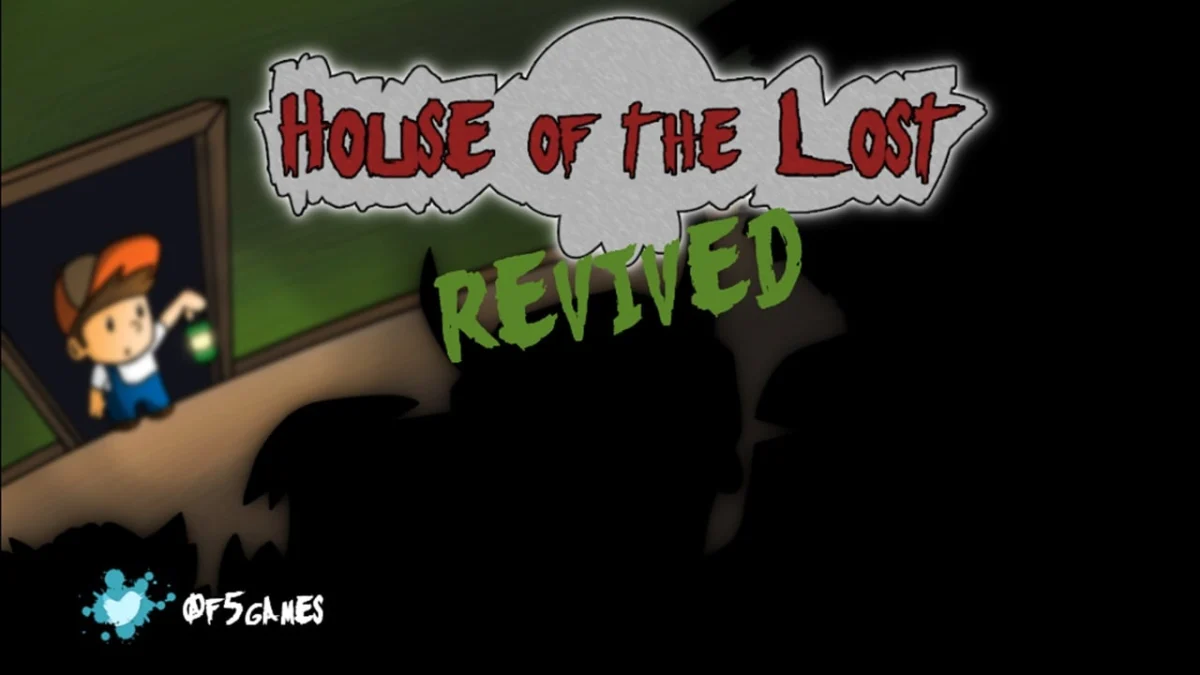
San Francisco, CA – July 16, 2024 – A seminal title in the mobile gaming landscape, House of the Lost, which originally captivated iOS users in 2013 before vanishing from the App Store in 2019, has triumphantly returned. Re-engineered and reimagined as House of the Lost: Revived, the popular roguelike dungeon crawler is now available for both iOS and, for the first time, Android devices. Developed and published by F5 Games, this revival promises to rekindle the spooky, chaotic magic that once made it a touchstone for the genre, while introducing a suite of modern enhancements.
The original House of the Lost carved out a significant niche, demonstrating conclusively that the intricate and often punishing mechanics of the roguelike genre could not only function but thrive on touchscreen interfaces. Its blend of procedurally generated levels, a menagerie of Halloween-themed monsters, epic boss encounters, a robust weapon crafting system, and a labyrinth of hidden secrets established it as a pioneer. Its abrupt disappearance due to unspecified "technical issues" left a void for its dedicated fanbase, a void F5 Games is now poised to fill with this ambitious resurrection.
House of the Lost: Revived maintains the core narrative and gameplay loop that endeared it to players, challenging them to brave a haunted mansion in search of a lost sister. However, this isn’t merely a re-release; it’s a comprehensive revitalization featuring improved visuals, refined features, and optimized mechanics designed for contemporary mobile gaming. The game is free to download and allows players to experience the initial levels and the first boss without charge, with the full, ad-free experience unlockable via a one-time purchase. Crucially, the entire game functions completely offline, a welcome feature in an increasingly always-online world.
The Chronicle of a Lost and Found Classic: A Deep Dive into "House of the Lost"
The journey of House of the Lost is a testament to the volatile yet vibrant nature of mobile game development. Its story is one of innovation, unexpected absence, and a much-anticipated return, reflecting broader trends within the digital entertainment industry.
The Genesis: "House of the Lost" (2013-2019)
When House of the Lost first materialized on the iOS App Store in 2013, the mobile gaming ecosystem was a vastly different landscape. While casual games dominated, and the burgeoning free-to-play model was gaining traction, there was a nascent hunger for more complex, console-like experiences on smartphones and tablets. Roguelikes, a niche but revered genre on PC, were largely uncharted territory for mobile. Their inherent replayability, permadeath mechanics, and emphasis on strategic adaptation seemed at odds with the pick-up-and-play nature often associated with mobile games.
House of the Lost boldly challenged this perception. Its top-down perspective, reminiscent of classic dungeon crawlers, offered intuitive navigation on touchscreens. The game’s procedural generation engine ensured that every descent into the titular mansion felt fresh and unpredictable. Players were thrust into shifting levels teeming with ghoulish Halloween monsters, each run a unique gauntlet of traps, enemies, and environmental hazards. The inclusion of imposing, multi-phase boss battles provided crucial milestones and skill checks, rewarding mastery and strategic thinking.
Perhaps one of its most innovative aspects for the time was its deep weapon crafting system. Rather than simply finding static upgrades, players could combine various weapons and items, experimenting with synergies to create powerful, often chaotic, tools of destruction. This added a layer of strategic depth that encouraged exploration and resource management, vital components of any compelling roguelike. Hidden secrets behind every wall, from concealed passages to elusive power-ups, further incentivized thorough exploration, ensuring that even after countless runs, there was always something new to discover.
The game’s initial reception was overwhelmingly positive, lauded for its engaging gameplay, atmospheric presentation, and surprisingly robust mechanics for a mobile title. It quickly garnered a dedicated following, many of whom appreciated its commitment to a premium, ad-free experience at a time when intrusive monetization was becoming increasingly prevalent. It wasn’t just a good mobile game; it was a strong roguelike, period, proving that the genre could transcend its traditional PC confines and find a comfortable, compelling home on a touchscreen.
However, the relentless pace of technological advancement on mobile platforms proved to be a double-edged sword. Apple’s iOS ecosystem undergoes annual, significant updates, often deprecating older APIs, changing system functionalities, and demanding adherence to new development standards. Maintaining a game, especially one developed by a smaller studio, across multiple iOS versions and device generations can be a monumental task. In 2019, six years after its initial launch, House of the Lost was quietly removed from the App Store, with "technical issues" cited as the reason. While specifics were scarce, it’s plausible that compatibility challenges with newer iOS versions, the complexity of updating older codebases, and potentially resource constraints at F5 Games led to the difficult decision to pull the game. Its absence left a palpable void, a ghost in the machine for many who fondly remembered its pioneering spirit.
The Hiatus and the Evolving Landscape (2019-2024)
For seven long years, House of the Lost remained in the digital ether, a cherished memory for those who had experienced its unique brand of mobile horror. During this period, the mobile gaming industry continued its meteoric rise, with the roguelike genre, ironically, experiencing a renaissance across all platforms. Titles like Slay the Spire, Dead Cells, and the critically acclaimed Hades pushed the boundaries of what a roguelike could be, introducing new narratives, mechanics, and accessibility options that broadened the genre’s appeal.
On mobile, a new wave of roguelikes and roguelites emerged, many directly inspired by the groundwork laid by early pioneers like House of the Lost. Games like Shattered Pixel Dungeon, Soul Knight, and numerous ports of PC classics demonstrated the genre’s enduring appeal and versatility on handheld devices. The market matured, and players became more accustomed to complex controls, deeper progression systems, and varied monetization models. The absence of House of the Lost during this period, while unfortunate for its fans, inadvertently set the stage for its return. The intervening years allowed for significant advancements in mobile hardware, software development tools, and player expectations, creating a more fertile ground for a "revived" version to not only exist but potentially thrive. The challenge for F5 Games would be to reintroduce a classic to a landscape that had both moved on and, in many ways, caught up to its original innovations.
Supporting Data: Unpacking the Enhancements of "House of the Lost: Revived"
House of the Lost: Revived is not merely a port; it’s a thoughtful re-engineering designed to bridge the gap between nostalgic appeal and contemporary gaming standards. F5 Games has meticulously refined elements while staying true to the original’s core identity.
Core Gameplay Loop: A Blend of Chaos and Classic Adventure
At its heart, House of the Lost: Revived remains a top-down action roguelike dungeon crawler. The premise is straightforward yet compelling: your sister has vanished into the cursed confines of the House of the Lost, and armed with only a humble slingshot, you must venture into its depths to rescue her. This simple narrative hook provides ample motivation for the relentless cycle of exploration, combat, and inevitable death inherent to the roguelike experience.
The game’s fundamental appeal lies in its commitment to procedural generation. Every "trip" into the House is distinct, with randomly generated level layouts, enemy placements, and item drops ensuring that no two runs are ever identical. This unpredictability is the bedrock of replayability, constantly forcing players to adapt their strategies and make the most of the resources at hand.
F5 Games explicitly draws a comparison, stating the game "mixes the chaotic feel of The Binding of Isaac with the dungeon-crawling style of classic Zelda." This is a potent combination:
- The Binding of Isaac Influence: This comparison points to the game’s emphasis on frenetic, top-down twin-stick shooter combat (even if only one stick is used for movement with directional shooting), the sheer variety of item synergies that can dramatically alter a run, a dark and unsettling atmosphere, and a high degree of challenge with permanent consequences for failure. The chaos comes from unexpected enemy encounters, random power-ups that might not always be beneficial, and the constant pressure of survival.
- Classic Zelda Dungeon-Crawling: This aspect suggests a focus on exploration, uncovering secrets, navigating distinct themed environments, and ultimately confronting powerful bosses that often require specific strategies or item usage. The "dungeon-crawling" implies a structured progression through distinct areas, each with its own challenges and unique aesthetics, culminating in a climactic confrontation.
Enhanced Features for a Modern Audience
While preserving the spirit of the original, House of the Lost: Revived introduces several key improvements and additions:
- Improved Visuals: While the original game was praised for its art style, the "Revived" version likely benefits from higher resolution assets, smoother animations, and potentially updated lighting and particle effects. This ensures the game looks crisp and engaging on modern high-resolution mobile screens without sacrificing its classic pixel-art or stylized aesthetic.
- Refined Controls: Recognizing the evolution of mobile gaming controls, the default scheme now incorporates directional shooting. This allows players to move independently while aiming, offering a more precise and fluid combat experience, akin to modern twin-stick shooters. However, in a thoughtful nod to purists and those who preferred the original’s feel, players have the option to switch back to the NES-style button controls. This caters to different playstyles and ensures that veteran players can recapture the exact feel of the 2013 version if they desire.
- Expanded Content and Progression: The "Revived" version maintains and enhances the core content loop:
- Multiple Boss Domains: The House is divided into four distinct haunted environments, each culminating in an "epic boss battle." These domains feature unique enemy types, environmental hazards, and thematic challenges, providing clear progression markers and diverse gameplay experiences.
- Abundant Secrets: The promise of "plenty of secrets to uncover" fuels replayability and rewards meticulous exploration. These can range from hidden rooms containing rare items to lore snippets that deepen the game’s mysterious narrative.
- Online Leaderboards and Achievements: These features tap into the competitive and completionist urges of players. Leaderboards foster friendly competition, allowing players to compare their best runs and scores globally, while achievements provide tangible goals and recognition for mastering the game’s challenges.
- Sophisticated Weapon Crafting System: The crafting system, a highlight of the original, returns with renewed emphasis. Players will "spend plenty of time crafting weapons," combining various found weapons and items into a vast array of "powerful tools." This system encourages experimentation and strategic thinking. For example, a basic slingshot might be combined with a "fire gem" to create a "flaming slingshot," or fused with a "bouncing projectile" item to create a weapon that ricochets off walls. The depth of this system ensures that players can tailor their loadout to their preferred playstyle or adapt to the specific challenges of a given run.
A Player-Centric Monetization Model
In an era dominated by free-to-play games laden with microtransactions, energy systems, and intrusive advertisements, F5 Games has opted for a refreshingly player-friendly approach with House of the Lost: Revived:
- Free-to-Try: The game is free to download, allowing players to delve into the first two levels and confront the first boss as many times as they wish. This "try before you buy" model removes the barrier to entry and allows players to genuinely experience the game’s core mechanics and atmosphere without any financial commitment.
- One-Time Premium Unlock: The full game, encompassing all levels, bosses, and content, is unlocked via a single, one-time purchase. This premium model ensures that once purchased, the player owns the complete experience.
- No Ads, Offline Play: Crucially, the full game comes completely devoid of advertisements and functions entirely offline. This commitment to an uninterrupted, premium experience is a significant differentiator in the mobile market, prioritizing player enjoyment over constant monetization prompts. It reflects a design philosophy that values the integrity of the gameplay experience.
Official Responses and Developer Insights
While the provided text does not contain direct quotes from F5 Games, we can infer the studio’s motivations and philosophy behind the revival of House of the Lost: Revived. The decision to bring back a beloved, albeit dormant, title after seven years speaks volumes about their commitment to the game’s legacy and their understanding of the current mobile market.
The primary driver for the "Revived" project likely stems from a blend of nostalgia, technological opportunity, and a desire to address the unfinished business of the original’s removal. F5 Games recognized the enduring affection for House of the Lost among its original players, many of whom had fond memories of its groundbreaking gameplay. The "technical issues" that led to its 2019 disappearance were likely complex, possibly involving deprecated code, compatibility woes with newer iOS versions, or the sheer resource cost of a full overhaul. The intervening years provided the necessary advancements in development tools and platform stability to undertake a true remaster/reboot rather than a simple re-upload.
F5 Games’ approach to Revived seems to be one of respectful modernization. Their aim was likely to "stay true to the original spirit while enhancing the experience." This involves a careful balancing act: retaining the core mechanics, narrative, and aesthetic that defined the original, while simultaneously upgrading visuals, refining controls, and ensuring broad compatibility. The decision to offer both modern directional shooting and classic NES-style controls exemplifies this philosophy – catering to both new players accustomed to contemporary mobile controls and veteran players seeking the authentic retro feel.
The choice of a "free-to-try with a one-time purchase" monetization model is also a deliberate statement from F5 Games. In a market saturated with aggressive free-to-play mechanics, this model signals a commitment to player value and a rejection of predatory practices. It tells players, "We believe in the quality of our game, and we want you to experience it fully without constant pressure to spend." This approach aligns with a growing segment of mobile gamers who are willing to pay a fair price for a complete, uninterrupted, premium experience. It also simplifies the development process by focusing solely on game content rather than complex in-app purchase ecosystems and live service maintenance. The ability to play completely offline further underscores this player-first mentality, offering convenience and accessibility regardless of network connectivity.
From the developer’s perspective, House of the Lost: Revived represents an opportunity not just to resurrect an old IP, but to reintroduce it to a wider audience, including the significant Android market which was previously excluded. It’s a chance to solidify the game’s place in mobile gaming history and potentially build a new community around a title that proved ahead of its time.
Implications: The Future of a Revived Classic
The return of House of the Lost: Revived carries significant implications, not only for F5 Games and its player base but also for the broader mobile gaming industry. Its comeback is a fascinating case study in nostalgia, market evolution, and sustainable development.
Impact on the Mobile Roguelike Genre
House of the Lost was a pioneer, demonstrating the viability of roguelikes on mobile. Its return now, in a more crowded and mature market, poses interesting questions. Can it reclaim its status as a genre touchstone, or will it find a new, albeit different, niche? Its combination of Binding of Isaac chaos and Zelda dungeon-crawling remains a compelling proposition, and its player-friendly monetization model could set a positive example for other developers. If Revived finds significant success, it could signal a renewed interest in classic mobile IPs, encouraging other developers to revisit their dormant titles. It also highlights the enduring appeal of well-crafted, challenging gameplay over ephemeral trends.
Player Experience: Nostalgia Meets Modernity
For original fans, Revived offers a powerful dose of nostalgia, allowing them to relive cherished memories with a fresh coat of paint and refined mechanics. The option to revert to original controls is a thoughtful touch that respects their history with the game. For new players, Revived serves as an excellent entry point into the roguelike genre, offering a well-balanced blend of challenge, replayability, and accessibility. The free-to-try model significantly lowers the barrier to entry, allowing curious newcomers to experience the game’s unique charm without commitment. The full offline functionality is a boon for commuters, travelers, or anyone with unreliable internet access, ensuring the adventure is always at hand.
Business Model Significance: A Counter-Narrative
In a mobile market often criticized for its reliance on aggressive free-to-play monetization, House of the Lost: Revived‘s premium unlock model is a bold statement. Its success could provide valuable data for the industry, demonstrating that a "premium" approach can still be viable and profitable, particularly for well-regarded IPs. This could encourage a shift towards more transparent and player-respectful monetization strategies, offering an alternative to the seemingly endless stream of microtransaction-laden titles. The absence of ads and the full offline capability further bolster its position as a consumer-friendly product.
Long-Term Support and Future Potential
The launch of House of the Lost: Revived is just the beginning. The nature of roguelikes often lends itself to ongoing content updates, new characters, items, or even additional dungeon environments. Should the game perform well, F5 Games might consider expanding its universe with post-launch content, fostering a long-term community. This could involve seasonal events, new boss challenges, or even user-generated content, further solidifying its presence in the mobile gaming landscape. The game’s robust crafting system and procedural generation engine provide a solid foundation for such expansions.
Broader Industry Trends: The Value of IP and Remasters
The revival of House of the Lost underscores the increasing value of intellectual property in the gaming industry. As original ideas become harder to find and market, developers are increasingly looking to their back catalogs for proven concepts. The success of Revived could pave the way for more remasters and reboots of classic mobile titles, similar to how console and PC gaming have embraced the trend. It highlights that a strong core concept, even from a decade ago, can be revitalized and made relevant for a new generation of players, provided it’s executed with care and respect for the original.
In conclusion, House of the Lost: Revived is more than just a game; it’s a narrative of resilience, a testament to enduring game design, and a promising beacon for player-centric mobile development. Its return is a welcome event for both veteran roguelike enthusiasts and newcomers alike, poised to carve out its place once again in the ever-evolving world of mobile gaming. The House has opened its doors anew, inviting players to brave its horrors and rediscover a classic.