

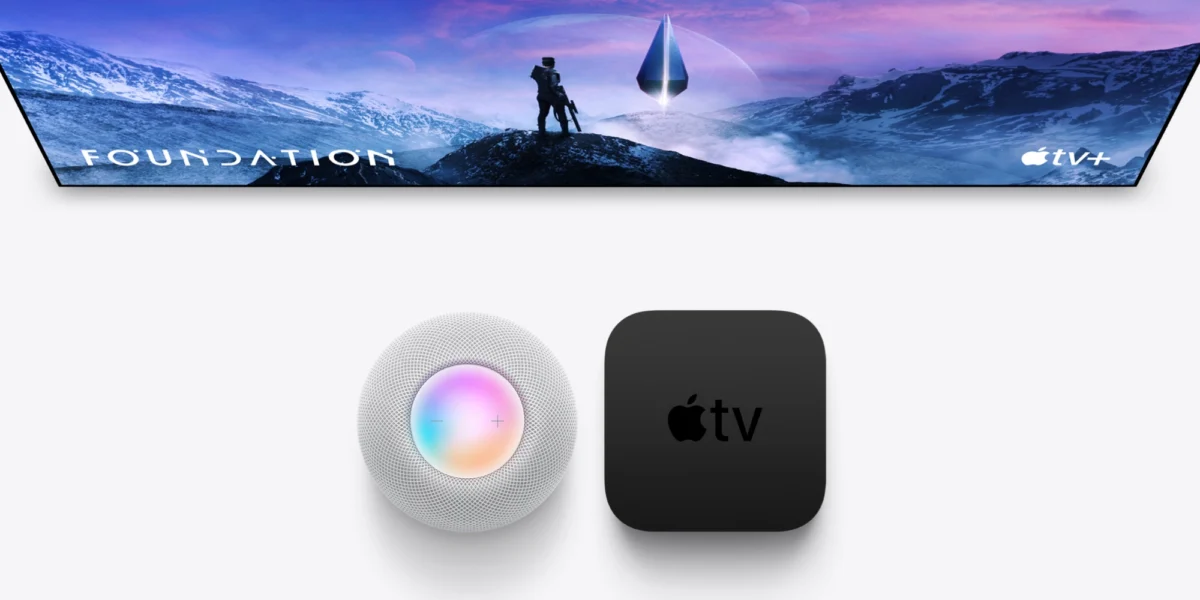
After months of speculation and a series of strategic delays, Apple is finally preparing to revitalize its smart home ecosystem. According to the latest insights from Mark Gurman’s Power On newsletter, the tech giant is positioning the release of updated Apple TV 4K and HomePod mini hardware for this coming fall. This refresh is not merely a routine spec bump; it is a calculated synchronization effort designed to anchor the hardware in the new, AI-driven capabilities of iOS 27 and the next generation of Siri.
For years, the Apple TV and HomePod mini have served as the pillars of the company’s connected home strategy. However, as the industry pivots toward generative AI, these devices have faced increasing pressure to offer more than just streaming and basic voice commands. With this upcoming release, Apple aims to bridge the gap between its legacy hardware and the future of "Apple Intelligence."
Main Facts: A Hardware Overhaul Driven by Software Ambition
The primary takeaway from the recent reports is that Apple’s hardware roadmap has been subservient to its software development timeline. The Apple TV 4K and HomePod mini refreshes were reportedly ready for launch several months ago but were held back to ensure they debuted alongside the full rollout of the revamped Siri and integrated Apple Intelligence features.
The Hardware Specs
- Apple TV 4K: Expected to receive a significant performance boost, transitioning from the current A15 Bionic chip to the A17 Pro. This upgrade is critical, as it provides the necessary compute power to run smaller AI models locally on the device, rather than relying exclusively on cloud processing.
- HomePod mini: Anticipated to move from the aging S5 chip to the more capable S9 processor. While the S9 is a massive improvement, it is unlikely to handle complex on-device generative AI, meaning users will likely rely on cloud-based processing for advanced Siri queries on this device.
- The Siri Remote: Rumors suggest a potential refresh for the Apple TV remote. Whether this manifests as a new industrial design or merely an internal component update remains a point of contention among industry analysts.
Chronology: The Road to the Fall Launch
The journey to this point has been defined by a series of strategic pivots and organizational shifts within Apple.
The Initial Delay (2025)
In early 2025, reports emerged that Apple’s ambitious AI plans for Siri were hitting significant development hurdles. The company’s vision for "Personal Siri"—an AI assistant capable of deep, context-aware integration across apps—proved more difficult to implement than initially anticipated. Consequently, hardware updates that were meant to showcase these features were shelved to prevent a "feature-poor" launch.
Reorganization and Strategic Alliances (2026)
The first half of 2026 was a period of intense restructuring. With the departure of former AI lead John Giannandrea, Apple shifted its internal focus. A critical turning point occurred in May 2026, when details surfaced regarding a high-stakes partnership with Google. By leveraging Gemini models via Apple’s "Private Cloud Compute" infrastructure, Apple managed to overcome the local hardware limitations that had previously hampered its AI progress.

The Current Status
With the software architecture now stable and the integration of third-party models finalized, the hardware supply chain has been greenlit to proceed with production. The fall 2026 window represents the culmination of a two-year effort to modernize the smart home lineup, aligning physical hardware with the software capabilities of the upcoming iOS 27 release.
Supporting Data: Understanding the Chipset Shift
To understand why these upgrades matter, one must examine the silicon architecture. The current Apple TV 4K uses the A15, a chip that, while capable, was never designed for the intensive neural processing required by modern generative AI.
The A17 Pro, by contrast, is built on a 3nm process and features a significantly faster Neural Engine. This allows for "on-device" processing, which is central to Apple’s privacy-first approach to AI. By processing requests on the device itself, Apple reduces the latency associated with cloud round-trips and keeps user data from leaving the home.
For the HomePod mini, the jump to the S9 chip is equally vital. The S9, which currently powers the Apple Watch, offers a more efficient architecture for voice recognition and local command processing. While it lacks the raw power of the A-series chips found in the Apple TV, it is a necessary upgrade to ensure that the HomePod mini remains responsive when the new, more complex Siri interface is invoked.
Official Responses and Industry Context
Apple has remained characteristically tight-lipped regarding specific, unannounced hardware. However, the company has been vocal about its broader AI strategy during its recent quarterly earnings calls and developer conferences.
CEO Tim Cook and other executives have repeatedly emphasized that the "future of Apple is intelligence." The integration of Gemini models and the expansion of the Private Cloud Compute initiative confirm that Apple is no longer attempting to go it alone in the AI arms race. Instead, they are adopting a hybrid approach: local processing for basic tasks and privacy-sensitive data, and cloud-based models for complex, high-level reasoning.
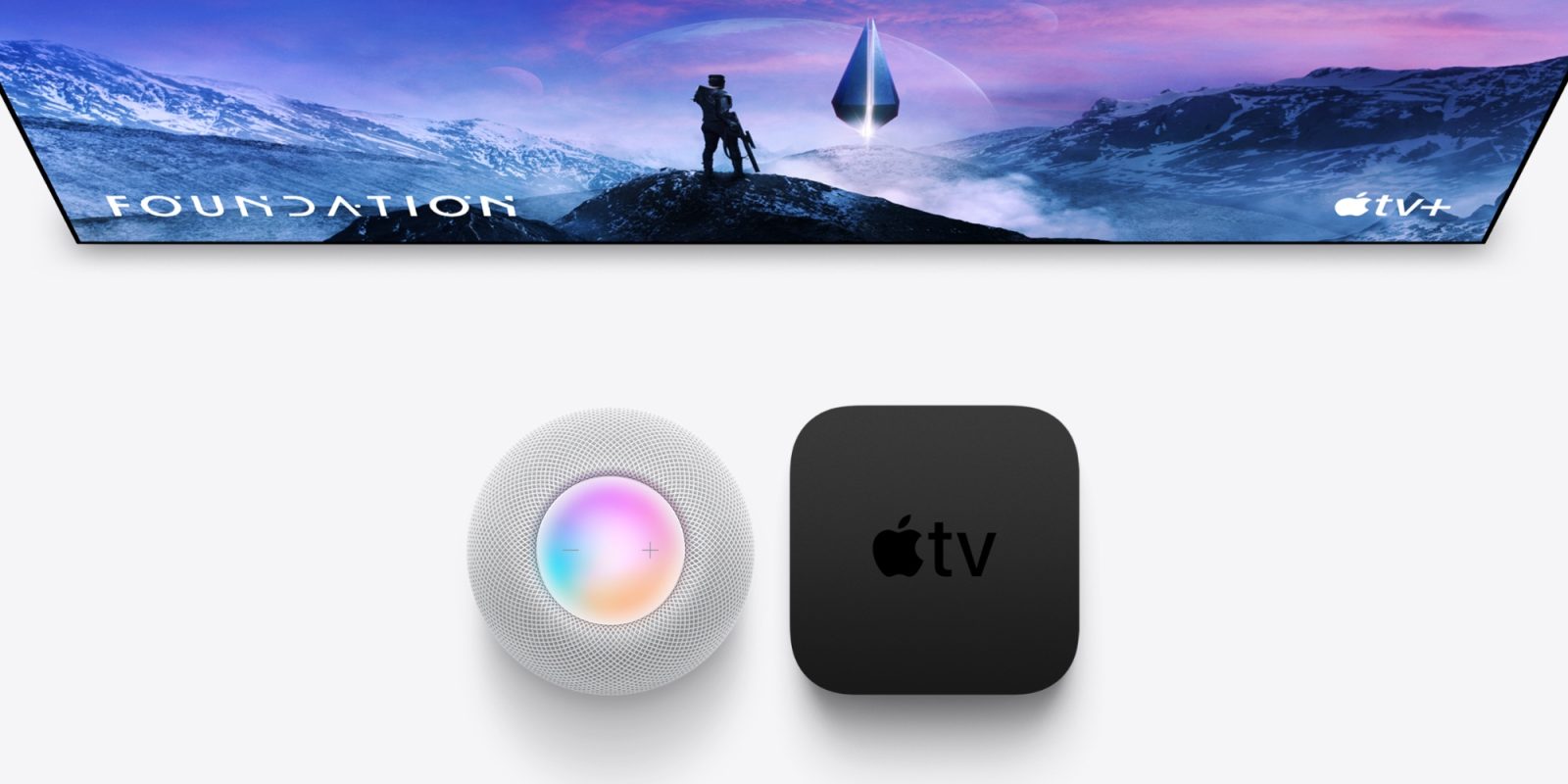
Analysts suggest that this strategy is designed to keep the Apple ecosystem sticky. By making the Apple TV and HomePod mini essential interfaces for a "smarter" home, the company ensures that users remain locked into their hardware ecosystem, regardless of the competition.
Implications: What This Means for the Smart Home
The implications of this hardware refresh extend far beyond a faster interface for Netflix or a quicker response to "Hey Siri."
1. The Home as an AI Hub
By upgrading the chips in the Apple TV and HomePod mini, Apple is effectively turning the living room into an edge computing center. These devices will likely be able to act as hubs for home automation, using AI to predict user preferences, adjust lighting, or curate content without requiring constant manual input.
2. Privacy vs. Performance
The decision to utilize the S9 chip in the HomePod mini, despite its limitations regarding local AI, highlights the tension between privacy and performance. Users who demand top-tier AI features will be pushed toward the Apple TV 4K, which serves as the "heavy lifter," while the HomePod mini remains an entry-level voice portal.
3. The Remote and User Interaction
The potential update to the Siri Remote indicates that Apple is still refining the "input" side of the equation. As Siri becomes more conversational and capable of handling multi-step requests, the way users interact with their TV—whether through voice, physical buttons, or touch—must evolve to feel intuitive rather than cumbersome.
4. Market Positioning
With competitors like Amazon and Google aggressively pushing AI-integrated smart home devices, Apple’s refresh is a defensive necessity. The "Apple Intelligence" branding provides a distinct marketing advantage, positioning the company’s hardware as a more secure, "private-by-design" alternative to the more data-hungry competitors in the market.

Conclusion
The upcoming launch of the updated Apple TV 4K and HomePod mini is the final piece of a complex puzzle that Apple has been assembling for years. By waiting for the software—specifically the next generation of Siri—to reach maturity, Apple is ensuring that its hardware launch is not just a refresh, but a meaningful upgrade that justifies the cost for the average consumer.
As we look toward the fall, the success of these devices will hinge on whether the user experience matches the technical promises. If the A17 Pro and S9 chips can deliver a Siri that is truly helpful, context-aware, and responsive, then the wait will have been worth it. If not, Apple risks falling further behind in the home automation market, regardless of how much "intelligence" they bake into their hardware.
For the consumer, the question remains: are you ready to upgrade your home to the AI era, or is the current iteration of your smart home "good enough"? As the fall release approaches, the market will soon provide the answer.












No comments yet. Be the first to join the conversation!