In the evolving landscape of 21st-century sequential storytelling, the traditional "direct market"—the network of independent comic book shops that has sustained the industry for decades—is no longer the sole barometer for success. While industry veterans often equate the health of the medium with the performance of monthly pamphlets on local shelves, a silent revolution has taken place in the digital sphere.
At the forefront of this shift is veteran writer Justin Jordan, a powerhouse creator known for his work on DC’s The Curse of Brimstone and Sideways, as well as his acclaimed Image Comics titles Luther Strode and Spread. However, Jordan’s most significant creative endeavor is currently unfolding on the digital platform Webtoon. His series, Urban Animal, created in collaboration with artist John Amor and letterer Micah Myers, has quietly amassed a staggering readership that dwarfs the monthly reach of most mainstream industry titles.
The State of the Industry: Beyond the Direct Market
For years, the discourse surrounding "the state of comics" has been inextricably linked to the direct market. When industry pundits discuss falling sales or the closure of comic book stores, they are often conflating the health of a specific distribution channel with the health of the medium itself.
Jordan, who has navigated the waters of work-for-hire, creator-owned properties, and digital-first publishing, argues that the medium is experiencing a period of unprecedented popularity. "I have a bad habit of saying ‘comics’ when what I am actually talking about is ‘direct market comics,’" Jordan notes. "While the direct market has its ups and downs, comics and sequential storytelling are enormously popular."
The data supports this assertion. While the industry fixates on the top 300 rankings in the direct market, mass-market juggernauts like Dav Pilkey’s Dogman are moving millions of units annually, with print runs hitting the five-million mark. Similarly, the manga industry in the United States continues to demonstrate that sequential art is thriving, provided it meets readers where they live—which, increasingly, is on digital platforms.
Chronology of a Digital Success Story
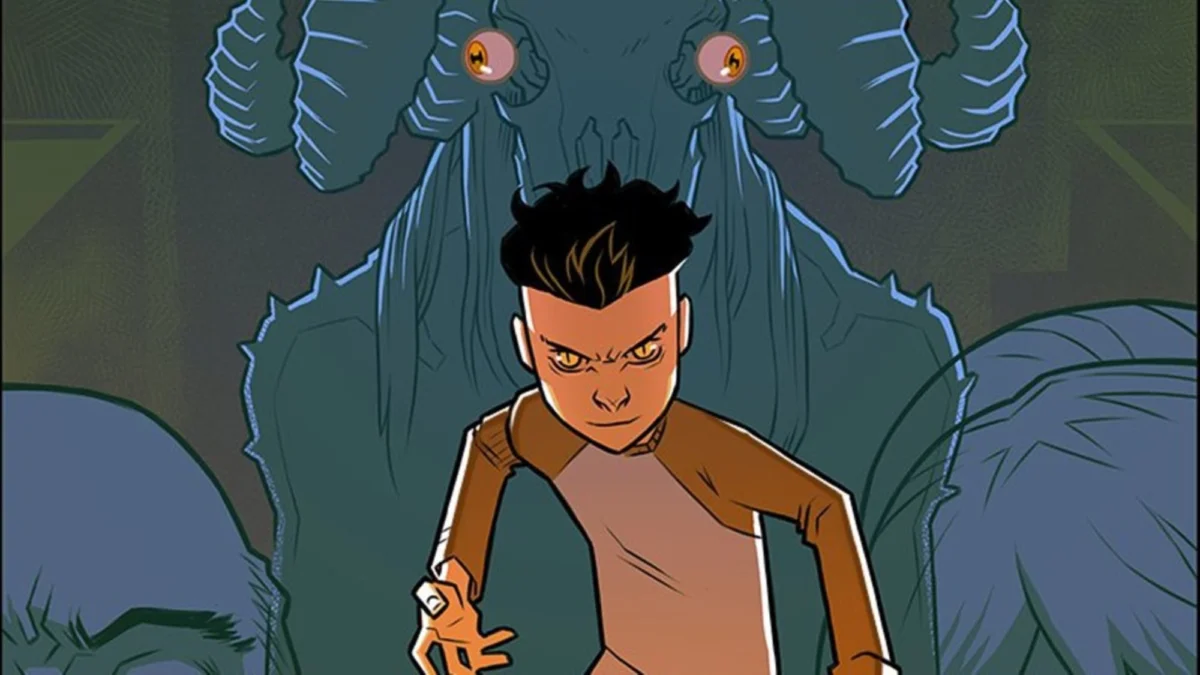
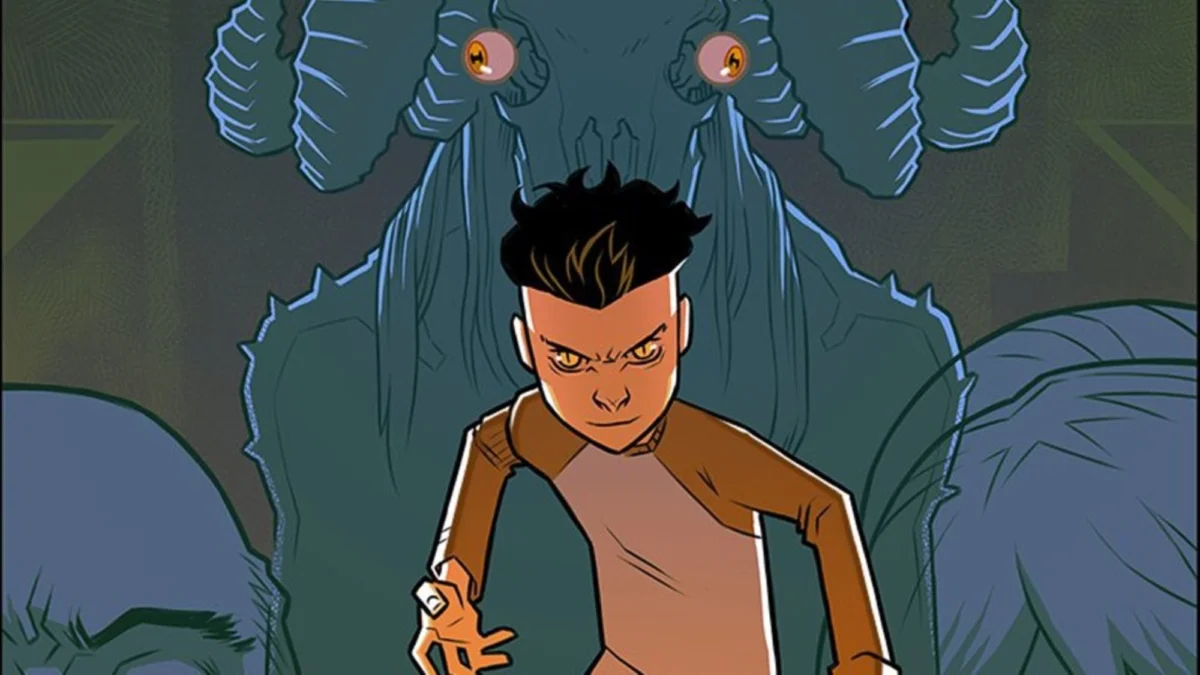
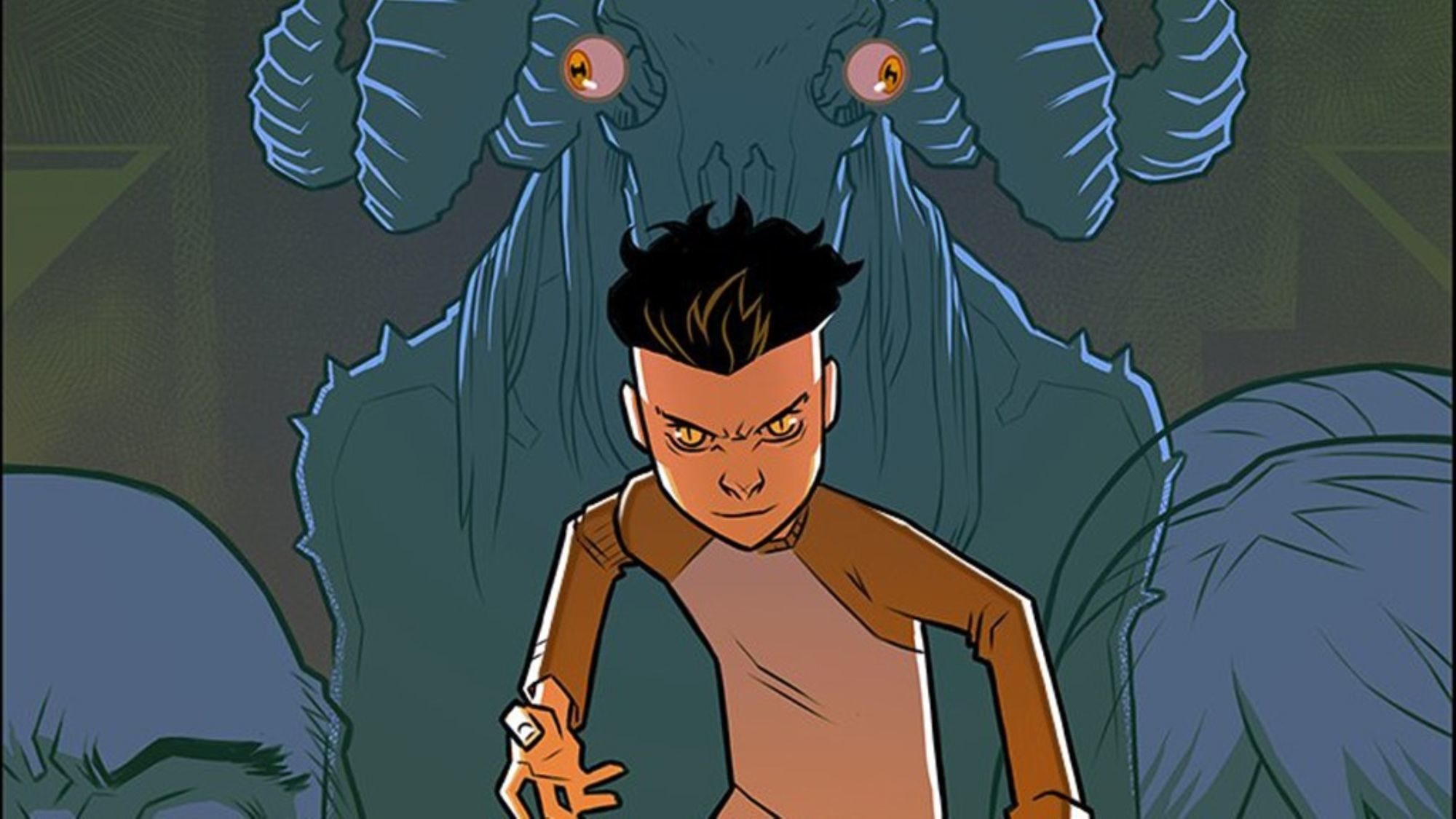
Urban Animal launched on Webtoon with a clear, high-concept premise: Joe Gomez, a typical high school student balancing grades and a band, discovers he is a Chimera—a shape-shifting nature spirit capable of turning into a saber-toothed tiger. The series follows his journey as he grapples with his new identity and the responsibility of protecting the human race.
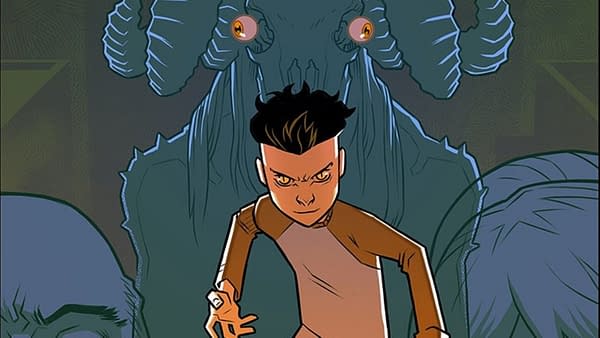
Since its inception, the series has undergone a rapid trajectory of growth. As of late 2020, Urban Animal had surpassed 465,000 subscribers on the platform. To put that in perspective, the series—while successful—sits firmly in the middle of the pack on a platform where top-tier titles like Let’s Play boast over 3.7 million subscribers.
Weekly engagement for Urban Animal has remained consistent, averaging between 80,000 and 100,000 readers per week. While the content is free to access, this volume of readership places the series in direct competition with the top ten selling print comics in the industry. For a creator whose resume includes some of the most respected names in superhero and horror comics, this digital migration represents a shift in how success is defined.
Supporting Data: Monetization and the "Fast Pass" Model
The most frequently asked question regarding the webtoon format is: "How do you make the whole thing pay?"

Unlike the traditional model, where revenue is generated through individual cover price sales, Webtoon utilizes a hybrid approach. The core of the platform is free, but the "Fast Pass" program allows readers to pay approximately 50 cents per episode to read content early. This provides a direct, albeit variable, income stream for creators.
Jordan emphasizes that the math is surprisingly competitive. "The minimum number of paying people, based on what we do make from Fast Pass and our split with Webtoon, is 4,000 people a week," he explains. When factoring in license fees per episode and a share of ad revenue, Jordan’s take-home pay for Urban Animal is comparable—and in some cases, superior—to his compensation for writing work-for-hire scripts at major publishers like DC Comics.
Furthermore, the structure of the deal is fundamentally different from the "work-for-hire" model. In the direct market, a creator often cedes partial or full ownership of a property to the publisher in exchange for an upfront page rate. In the Webtoon model, Jordan retains more control, treating the agreement as a licensing deal rather than a sale of rights. This allows him to pursue secondary revenue streams, such as merchandise, which has been a staple of Urban Animal from the start.

Official Perspectives: The Pivot to Print
Despite the digital success, the transition to physical media remains a vital component of a modern creator’s strategy. As Urban Animal reached the end of its third season, the cumulative volume of content amounted to roughly 30 standard-sized direct market issues.
To bridge the gap between digital and print, Jordan has partnered with Rocketship Entertainment. Rocketship has established a reputation for successfully migrating digital hits into the print market, including titles like Let’s Play.
"Reformatting it for print is something I am not technically capable enough to do," says Jordan, citing the unique vertical-scroll format of webtoons, which requires extensive work to adapt into traditional page layouts. The print edition, launched via Kickstarter, serves a dual purpose: it monetizes the back catalog for fans who prefer physical copies and introduces the story to the bookstore and direct markets, which remain powerful engines for long-tail sales.

Implications for the Future of Comics
The success of Urban Animal highlights a broader shift in the comic book industry. The rise of crowdfunding and web-based platforms is effectively democratizing the barrier to entry. Creators like Scott Snyder and even high-profile figures like Keanu Reeves have leaned into the crowdfunding model, signaling that the industry is moving away from the gatekeeper-centric distribution of the 20th century.
For independent creators, the implication is clear: the audience is no longer confined to the local comic shop. By leveraging the hyper-serialized, community-driven nature of Webtoons, creators can build an audience that numbers in the hundreds of thousands, a feat that would be nearly impossible for a new creator in the direct market today.
However, the "apples to oranges" comparison remains a hurdle. Direct market sales are predicated on a transactional purchase, whereas webtoon engagement is based on a recurring, free-to-view subscription model. The long-term sustainability of this model depends on the creator’s ability to maintain high-quality, consistent output over a long period. Jordan notes that the time horizon for digital success is significantly longer than the traditional "make or break" period for a new print series.

Conclusion: A New Blueprint for Creators
Justin Jordan’s experience with Urban Animal serves as a blueprint for the modern comic creator. It illustrates that success is no longer a monolith defined by Diamond Comic Distributors’ monthly charts. Instead, it is a mosaic of digital readership, licensing fees, strategic partnerships, and community-funded physical releases.
As the industry continues to grapple with shifting consumer habits, the success of Urban Animal acts as a beacon. It proves that the demand for compelling, serialized stories remains as strong as ever—provided the industry is willing to evolve its business model to match the digital habits of its audience. Whether through a screen or a printed page, the future of comics lies in the ability to find, engage, and retain an audience, and on that front, Jordan and his team have written a compelling new chapter.