In an era where the boundary between organic public discourse and orchestrated digital manipulation has become increasingly porous, the platform formerly known as Twitter—now X—has sounded a significant alarm. The company’s Global Government Affairs team recently disclosed the discovery of a sophisticated, 200,000-strong bot network. While the sheer scale of the operation is concerning, the specificity of its mission is what has caught the attention of national security experts and energy policy analysts: the network appears to be actively working to inflame tensions surrounding the expansion of artificial intelligence data centers in the United States.
The Anatomy of the Operation: A Multi-Layered Deception
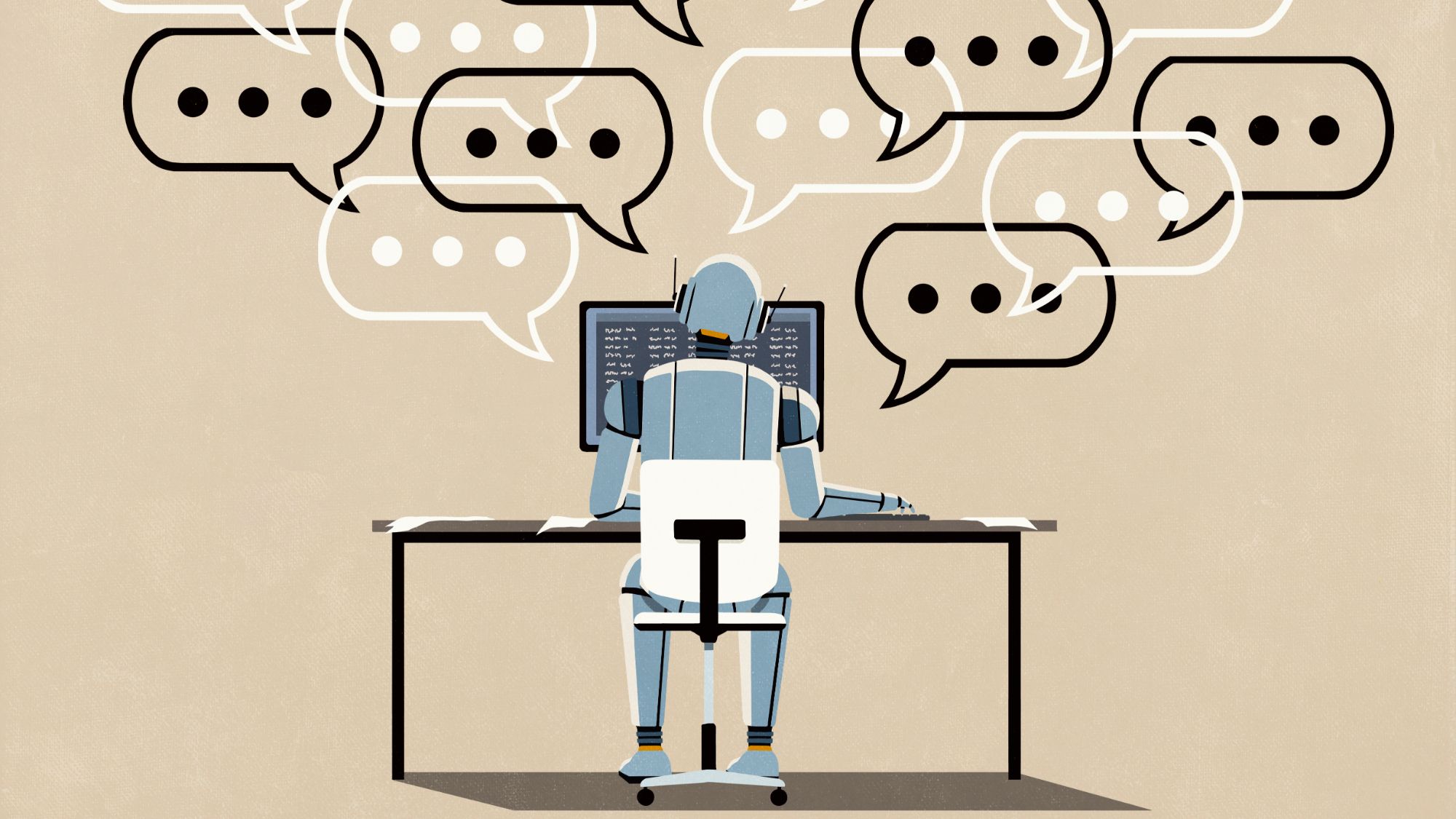
The investigation, detailed in a post by X’s official safety channels, suggests that the bot farm is linked to operators based in China. While the total network comprises roughly 200,000 accounts, the tactical core of the operation involves a subset of at least 200 accounts specifically engineered to influence public sentiment.
These accounts are not merely automated spam; they are meticulously crafted to pass as authentic, concerned American citizens. Utilizing names that sound distinctly domestic—such as "Thomas Jackson," "Patricia Robinson," and "Kenneth Flores"—these profiles cultivate an aura of local legitimacy. By interspersing legitimate news stories from regional outlets like The Southern Maryland Chronicle with inflammatory commentary and AI-generated imagery, the network attempts to hijack the narrative surrounding the energy crisis triggered by the AI boom.
The core of their messaging is consistent and emotionally charged: they argue that the proliferation of AI data centers is a parasitic endeavor, one that forces ordinary households to shoulder the burden of soaring electricity prices while "Big Tech" corporations reap the profits.
Chronology of Discovery and Escalation
The discovery did not happen in a vacuum. For months, residents in various U.S. states have voiced legitimate grievances regarding the environmental and economic impacts of massive data centers being constructed in their backyards.
- Early 2026: Reports begin to circulate regarding unprecedented spikes in electricity costs. Notably, the PJM Interconnection—the regional transmission organization that coordinates the movement of wholesale electricity in all or parts of 13 states and the District of Columbia—noted a massive 76% price hike. Analysts quickly linked this to the surging energy demands of new, power-hungry AI facilities.
- Mid-2026: As local protests intensify across the American landscape, social media platforms become a primary battleground for the debate. Anti-data-center sentiment begins to move from local town hall meetings to national digital forums.
- Late August 2026: X’s safety and intelligence teams, observing a surge in high-velocity, coordinated posts that echo specific, highly polarized rhetoric, launch a forensic investigation.
- August 28, 2026: X publicly confirms the existence of the 200,000-account bot farm, officially identifying the operation as a foreign-led effort to manipulate the American debate on energy policy and AI infrastructure.
Supporting Data: The Convergence of Fact and Fabricated Sentiment
To understand the efficacy of this operation, one must examine the intersection of real-world energy issues and the synthetic amplification provided by the bot farm.
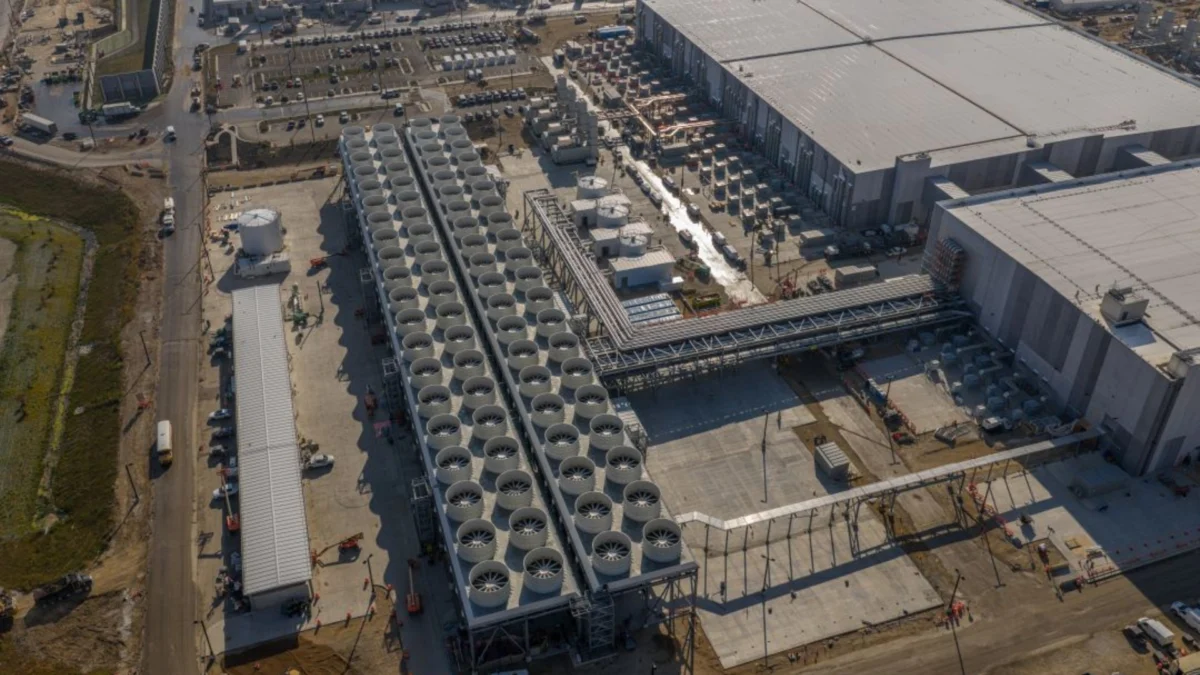
The energy crisis is not a fabrication. The shift toward high-density computing required for Large Language Models (LLMs) has placed an unprecedented strain on the U.S. power grid. Federal regulators and utility watchdogs have increasingly demanded that tech giants provide their own power solutions, such as microgrids or on-site renewable generation, rather than drawing exclusively from the public grid.
The bot farm capitalizes on these objective realities. By citing reports of the 76% price hike in the PJM region, the bots ground their deception in a verifiable truth. However, they pivot from that truth into the realm of "inauthentic influence" by:
- Weaponizing Visuals: Deploying AI-generated cartoons that depict greedy corporate executives literally taking money from the pockets of struggling families.
- Echo-Chamber Creation: Using the sheer volume of 200,000 accounts to ensure that posts gain algorithmic traction, making the anti-data-center sentiment appear to be a groundswell of grassroots public opinion.
- Cross-Platform Seeding: Sharing links to real, legitimate news stories to build a "reputation" for the fake accounts, which are then used to inject divisive rhetoric into the comment sections of these articles.
Official Responses and Perspectives
The disclosure has sparked a heated debate regarding the limits of free speech versus the necessity of national security in the digital age.
"We identified a bot farm of approximately 200,000 accounts," X’s Global Government Affairs team stated in their report. "Within this farm, we found 200 accounts posting in a manner that could manipulate a legitimate debate about American AI and energy policy."
The reaction from the tech and policy sector has been mixed. Some, like investor Kevin O’Leary, have previously suggested that the anti-data-center movement is largely a product of foreign interference. However, empirical data suggests a more nuanced reality. Recent polling data indicates that the primary drivers of local resistance to data centers are "object-level" concerns: noise pollution, environmental degradation, and the fear of localized economic decline.
Analysts warn that attributing all dissent to "foreign propaganda" is a dangerous oversimplification. "While the Chinese-linked bot farm is clearly attempting to weaponize public anger, the anger itself is not manufactured," says one industry policy expert. "There is a real tension between the rapid advancement of AI and the physical limits of our existing infrastructure. Foreign actors are simply pouring gasoline on a pre-existing fire."
Broader Implications: The Future of Digital Sovereignty
The existence of this bot farm highlights a growing trend in geopolitical warfare: the use of artificial intelligence to influence the domestic political outcomes of adversarial nations.
The Erosion of Public Trust
When citizens cannot discern whether their neighbors are expressing genuine concern or if they are reading the output of a foreign-controlled script, the democratic process suffers. The primary danger of this operation is not necessarily the swaying of a single energy policy, but the systemic erosion of trust in the information environment.
The Challenge for Tech Platforms
Platforms like X are now facing an existential crisis. They must balance their stated commitment to "free speech" with the reality that their infrastructure is being used as a staging ground for foreign information operations. The move to expose this bot farm is an attempt by X to demonstrate that they are actively policing their platform, yet the sheer scale of the 200,000-account farm suggests that for every one exposed, many more may remain hidden.
The Policy Outlook
For policymakers in Washington, the incident serves as a wake-up call. If critical domestic infrastructure—such as the power grid—can be targeted by foreign influence campaigns, then the conversation regarding AI development must expand to include cybersecurity and information warfare protections.
As we look toward the future, it is clear that the integration of AI into the energy sector will remain a point of contention. The challenge for the public is to remain vigilant—to recognize that while the concerns about electricity prices and infrastructure are valid, the digital voices amplifying them may not always be who they claim to be.
In this new digital landscape, the most potent defense against foreign intervention is not just platform-level moderation, but a more discerning and informed public. As nation-states continue to leverage the speed and scale of AI to advance their interests, the responsibility to verify, question, and analyze the origin of our digital discourse has never been more critical.