
The 1980s are often reduced to a cultural shorthand: neon lights, synthesizer-heavy pop, and a specific brand of blockbuster excess. Yet, beneath the veneer of iconic franchises and quintessential Brat Pack dramas lies a rich, often overlooked stratum of cinema. As we drift further from that decade—now four decades behind us—many films that once defined the era’s artistic diversity have slipped through the cracks of collective memory. While some titles have been swallowed by the shadows of their stars’ later successes, others have been victims of poor distribution or shifting genre tastes. It is time to re-evaluate the hidden gems of the 1980s, a period that offered far more than just high-concept spectacles.
1. Hopscotch (1980): The Charismatic Spy’s Last Laugh
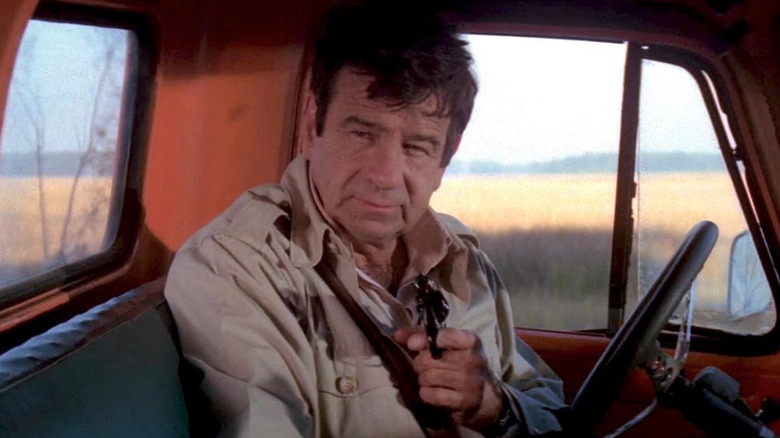
Walter Matthau was a pillar of American cinema, best known for his curmudgeonly charm in The Odd Couple and his late-career resurgence in Grumpy Old Men. Nestled between these two eras is Hopscotch, a delightful, globe-trotting espionage romp that has been unfairly sidelined. Matthau plays Miles Kendig, a veteran CIA agent who, upon being demoted to a desk job, decides to go rogue by writing a tell-all memoir.

The film is a masterclass in tone, oscillating seamlessly between high-stakes spy tension and lighthearted romantic comedy. It serves as a reminder that movie stars of the era didn’t need to fit a traditional aesthetic mold to command the screen; Matthau’s charisma was his greatest asset. Based on a novel by Brian Garfield—the mind behind Death Wish—Hopscotch remains an endlessly rewatchable, witty, and sophisticated adventure that deserves a place in any classic spy canon.
2. Body Heat (1981): A Neo-Noir Masterpiece
When Lawrence Kasdan directed Body Heat, he wasn’t just making a thriller; he was crafting a scorching love letter to the noir genre. The story of a morally bankrupt lawyer (William Hurt) and a wealthy, alluring married woman (Kathleen Turner) is a masterclass in atmospheric storytelling.

In an era where the necessity of onscreen intimacy is frequently debated on social media, Body Heat stands as a rebuttal: here, the physical chemistry is not merely gratuitous; it is the engine of the narrative. Kasdan’s debut feature is sharp, twisty, and visually evocative, drawing clear inspiration from classics like Double Indemnity while modernizing the genre with a raw, sweaty intensity. It is a film that demands to be shown to new generations, serving as a blueprint for how to balance eroticism with genuine suspense.
3. Strange Brew (1983): Absurdist Comedy at Its Finest
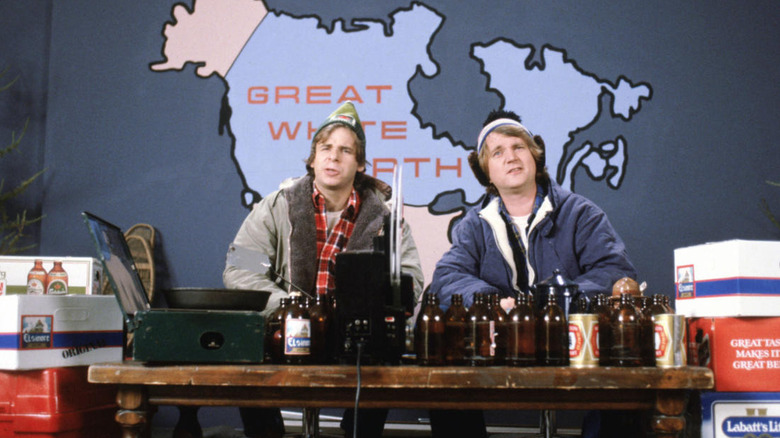
To the uninitiated, Strange Brew—a film about two beer-obsessed Canadian brothers—might seem like a fever dream. Starring Rick Moranis and Dave Thomas, the film is loosely (and quite bizarrely) based on Shakespeare’s Hamlet.
While the plot involving a mad brewmeister’s plot for world domination is undeniably ridiculous, the film’s strength lies in its commitment to pure, unfiltered comedy. The dialogue is snappy, the visual gags are persistent, and Moranis’ performance remains a testament to his unique comedic genius. It is a film that requires an open mind and, perhaps, a few beers, but for those willing to embrace the madness, it is a hilarious descent into 80s absurdity that has been grossly neglected.
4. Mike’s Murder (1984): A Rare Female-Led Noir
James Bridges’ Mike’s Murder offers a departure from the male-dominated neo-noir landscape of the 80s. Debra Winger delivers a mesmerizing performance as a woman determined to uncover the truth behind a mysterious man’s disappearance.
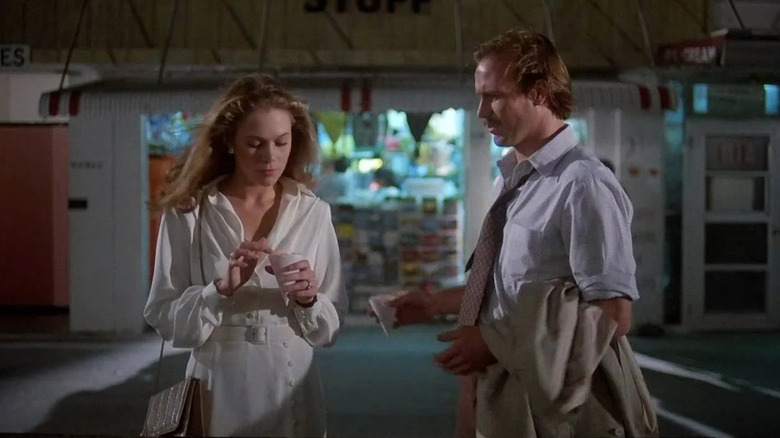
The film acts as a profound meditation on loneliness and the disillusionment of Los Angeles life. It is not a traditional thriller; the "mystery" is secondary to the psychological journey of its protagonist. Winger’s performance anchors the film, making it a poignant exploration of regret. Despite its critical merit, the film has struggled to find its audience, which is a tragedy for fans of character-driven drama.
5. Lost in America (1985): The Neurotic Pursuit of Freedom
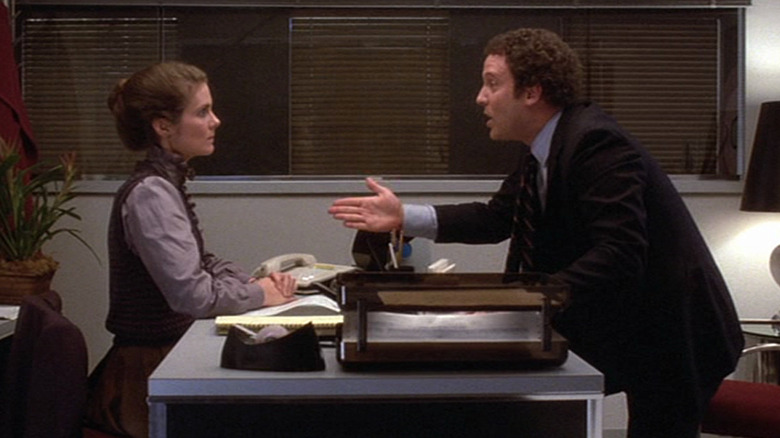
Albert Brooks is the undisputed king of cinematic neurosis, and Lost in America stands as one of his finest works. When a corporate couple (Brooks and Julie Hagerty) decides to "drop out" of society and hit the open road in an RV, their plan predictably disintegrates in Las Vegas.
The film is a brilliant, stinging satire on the American dream and the futility of chasing counter-culture ideals in an age of late-stage capitalism. Brooks and Hagerty share a comedic rhythm that is both hilarious and deeply human. It captures the essence of 80s yuppie anxiety and remains as relevant today as it was nearly forty years ago.
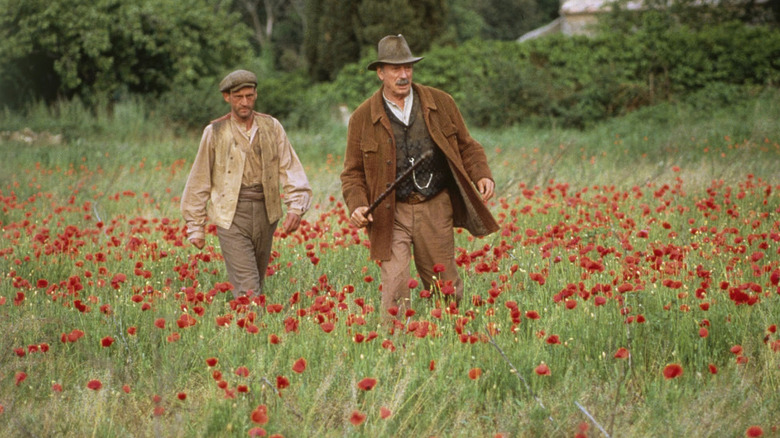
6. Jean de Florette (1986): A Tragedy in Provence
Claude Berri’s Jean de Florette was a rare non-English, non-genre film to achieve recognition in the U.S. in the late 80s. Set in rural France, it tells the story of a hunchbacked city dweller (Gerard Depardieu) who inherits a farm, only to be systematically sabotaged by greedy neighbors.

The film is a stunning visual and narrative achievement, exploring the themes of human greed and the cruelty of nature. It is not an "easy" watch, but it is deeply compelling, bolstered by powerhouse performances from Depardieu, Yves Montand, and Daniel Auteuil. Its sequel, Manon of the Spring, provides a satisfying conclusion, making the pair an essential four-hour viewing experience.
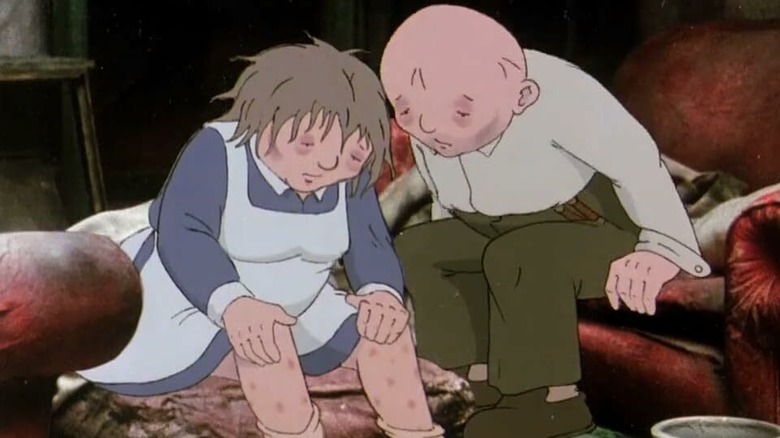
7. When the Wind Blows (1986): The Animation of Despair
While the 80s were filled with vibrant, family-friendly animation, When the Wind Blows took a radically different path. Jimmy T. Murakami’s animated feature about an elderly British couple dealing with the aftermath of a nuclear attack is profoundly devastating.
The film captures the specific, pervasive fear of nuclear war that defined the 80s. By using a deceptively gentle art style to tell a story of absolute hopelessness, the film creates a jarring, unforgettable emotional impact. It serves as a stark critique of political indifference and a reminder of the fragility of life.
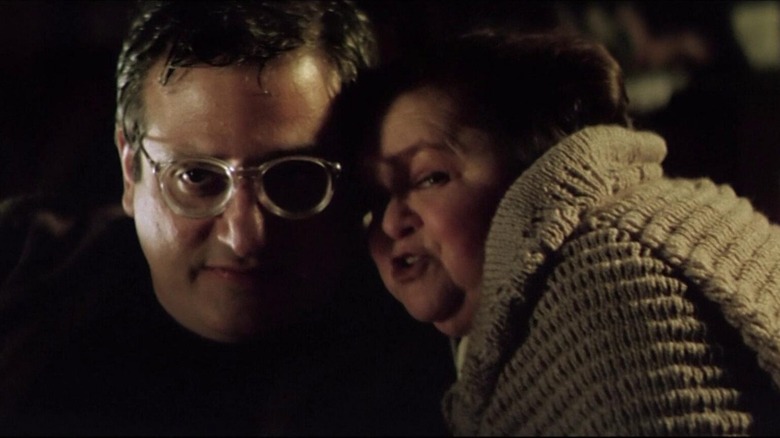
8. Anguish (1987): A Horror Fan’s Meta-Nightmare
Bigas Luna’s Anguish is a sophisticated, meta-fictional horror film that deserves more attention. The plot—a madman killing people to harvest their eyeballs—is a movie-within-a-movie, and the horror eventually bleeds into the theater audience itself.
The film is a love letter to the communal experience of horror cinema. It is visually unsettling and psychologically daring, utilizing the theater setting to manipulate the viewer’s sense of reality. For horror aficionados, it remains a "holy grail" of 80s genre filmmaking, largely due to its unfortunate lack of wide availability on home media.
9. Casualties of War (1989): The Ugly Reality of Conflict
Brian De Palma’s Casualties of War is a harrowing, unflinching look at the moral decay of soldiers during the Vietnam War. Starring Michael J. Fox and Sean Penn, the film avoids the heroics of typical war movies to focus on a real-life incident of atrocity.
The power of the film lies in the friction between the two leads: Fox’s descent from innocence to moral outrage, and Penn’s terrifying portrayal of callousness. It is an intense, grim masterpiece that forces the audience to confront the ugliest chapters of history.
10. Dead Bang (1989): A Gritty Police Procedural
John Frankenheimer’s Dead Bang is a high-octane police procedural starring Don Johnson as a disheveled, alcoholic detective investigating a white supremacist ring. Johnson’s commitment to the role—down to his perm and lack of Hollywood vanity—is refreshing.
The film features top-tier action sequences and a taut, suspenseful script. While it hasn’t received the legacy status of other 80s thrillers, it stands as a gritty, honest example of the genre, showcasing Frankenheimer’s masterful hand at building tension.
Conclusion: The Need for Rediscovery
The films listed above represent a mere fraction of the artistic depth present in the 1980s. From the meta-horror of Anguish to the satirical brilliance of Lost in America, these movies prove that the decade was far more than just its stereotypes. As streaming platforms and boutique physical media labels continue to dig into the archives, there is hope that these "forgotten favorites" will find the audiences they have been denied for decades. Whether you are a lifelong cinephile or a newcomer to the era, these films offer an invitation to explore the shadows of the neon decade.