In an increasingly connected world, mobile gaming has transcended solitary entertainment, evolving into a vibrant platform for communal experiences. While many titles cater to individual enjoyment or intense competitive skirmishes with distant strangers, a distinct and thriving category of Android games is specifically designed to bring people together, fostering laughter, strategic thinking, and sometimes, good-natured chaos. These "party games" leverage the ubiquitous smartphone to transform any gathering into an interactive arena of fun, where the lines between cooperation and playful sabotage blur.
This comprehensive guide delves into the dynamic landscape of Android party games, offering a curated selection of titles that promise to ignite social interaction. Beyond merely listing games, we explore the underlying trends, the evolving mechanics, and the broader implications of mobile technology in shaping modern social gatherings. From intense psychological thrillers demanding keen deduction to uproarious creative challenges, these games are more than just apps – they are catalysts for connection, camaraderie, and memorable moments. Whether your aim is to unite your friends in a common goal or playfully undermine them for ultimate bragging rights, the Android ecosystem offers a diverse toolkit for digital revelry.
The Evolution of Social Play: Mobile Gaming’s Ascendance in Group Entertainment
The concept of party games is not new; board games and card games have long served as cornerstones of social gatherings. However, the advent of smartphones and robust mobile operating systems like Android has revolutionized this tradition. No longer constrained by physical components or dedicated gaming consoles, mobile party games offer unparalleled accessibility. Most individuals possess a capable Android device, making it simple to initiate a game spontaneously, whether at a casual get-together, a family reunion, or even a virtual hangout.
The appeal lies in their ability to bridge the digital and physical realms. Players interact with their phones, but the core experience is intrinsically human – direct communication, reading body language, shared laughter, and collective problem-solving. This fusion has led to a boom in innovative game design, pushing the boundaries of what constitutes a "party game." From cooperative endeavors that demand synchronized effort to cunning deception games that test trust and observation, these titles are redefining how we play together.
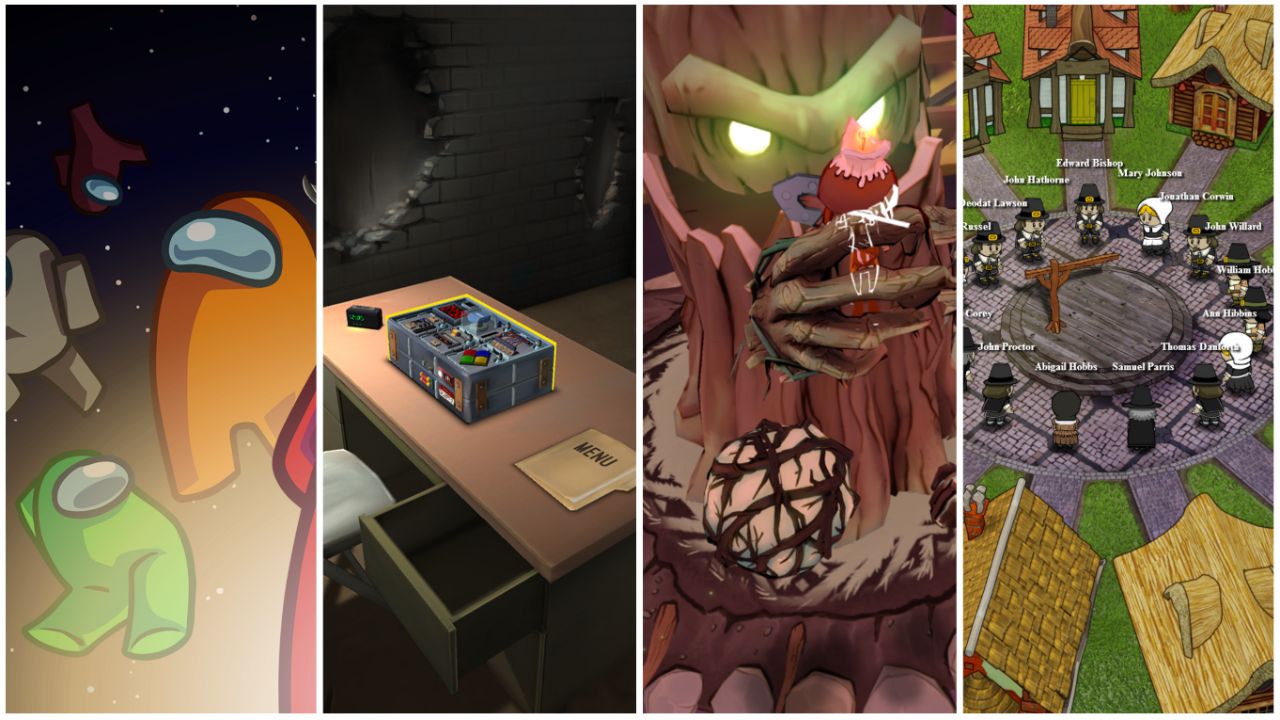
Featured Android Party Games: Our Definitive Lineup
Let’s dive into the standout titles that promise to get your party started, providing detailed insights into their mechanics, social dynamics, and unique appeal.
Among Us: The Ultimate Test of Trust and Deception
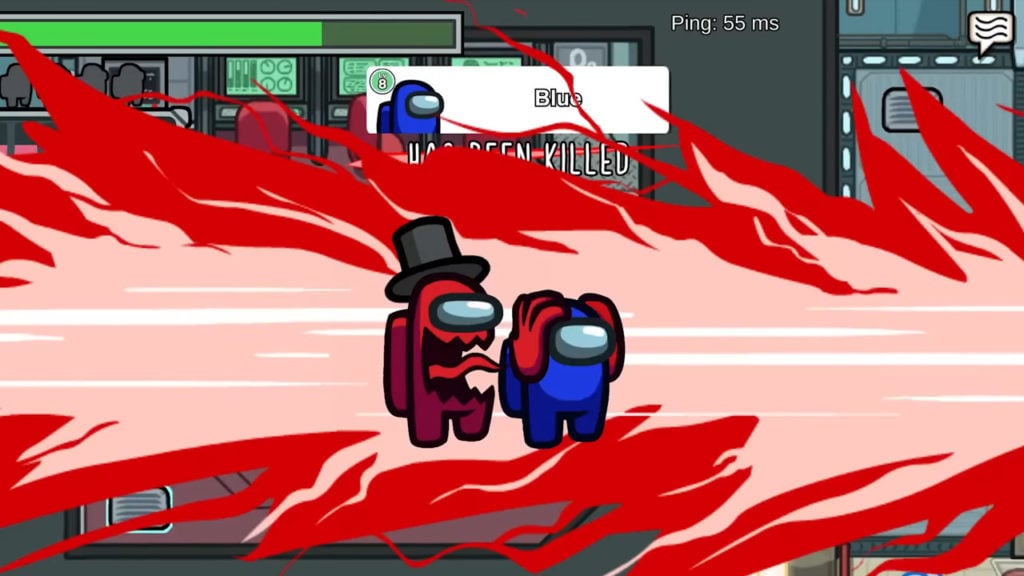
Overview: If the past few years have left you unfamiliar with Among Us, then a hearty welcome back to civilization is in order. This phenomenon, developed by Innersloth, catapulted the social deduction genre into mainstream consciousness. Set aboard a spaceship, players assume the roles of colorful, cartoonish crewmates tasked with maintaining their vessel. However, lurking among them are one or more Impostors – shapeshifting aliens whose sole mission is to covertly sabotage and eliminate the crew without being discovered.
Gameplay Dynamics: Crewmates engage in various mini-game tasks spread across the ship, from wiring electrical circuits to emptying garbage. The Impostors, meanwhile, have unique abilities: they can sabotage critical ship systems (like oxygen or reactor), traverse vents for quick escapes, and, most crucially, murder crewmates. The core of the game unfolds during "emergency meetings," triggered by reporting a dead body or calling a meeting button. Here, players engage in heated discussions, present alibis, accuse suspects, and ultimately vote to eject who they believe is the Impostor.
Social Impact: Among Us is a masterclass in psychological warfare. It thrives on paranoia, bluffing, and keen observation. Friendships are tested as players try to discern truth from lies, leading to uproarious arguments, unexpected alliances, and the sweet satisfaction of either successfully deceiving or correctly identifying the culprit. Its accessibility, vibrant art style, and intense social dynamics make it a perennial favorite for groups of 4 to 15 players.
Keep Talking And Nobody Explodes: High-Stakes Communication Under Pressure
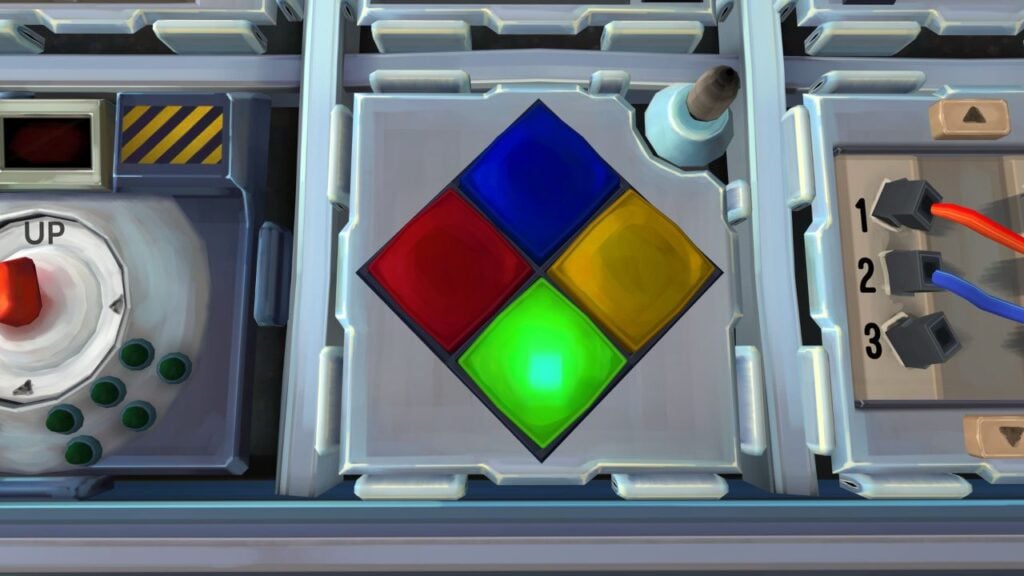
Overview: For those seeking the adrenaline rush of a bomb disposal unit without the actual existential threat, Keep Talking And Nobody Explodes offers a uniquely intense cooperative experience. This game places one player in a virtual reality headset (or simply viewing a screen, though VR enhances immersion) with a complex, ticking bomb. The catch? Only the player with the bomb can see it, and they have no idea how to defuse it.
Gameplay Dynamics: The solution lies with the other players, who possess the bomb disposal manual but cannot see the bomb itself. Communication becomes paramount. The bomb defuser must accurately describe the bomb’s modules (e.g., "It has four wires: red, blue, yellow, red") while the "Experts" frantically search the manual for corresponding instructions ("Cut the second red wire!"). Each module presents a different puzzle, from cutting wires to decoding symbols, all under a rapidly dwindling timer.
Social Impact: This game is a magnificent exercise in clear communication, active listening, and stress management. It’s as captivating to watch as it is to play, often devolving into hilarious shouting matches as the timer ticks down. The pressure is immense, but the sense of shared accomplishment (or catastrophic failure) is profoundly rewarding. It’s a true party pleaser that highlights the importance of teamwork and quick thinking.
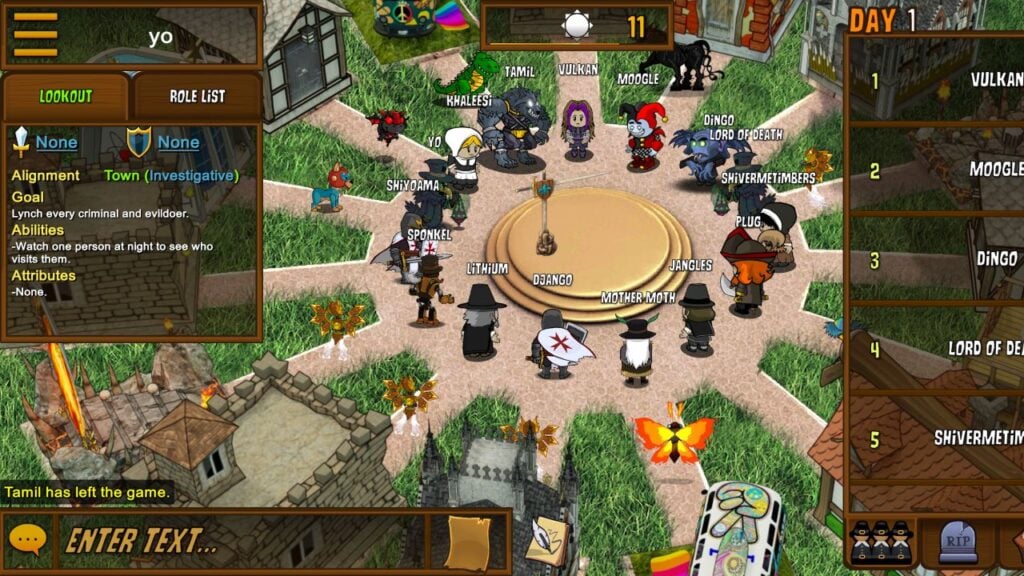
Town Of Salem: The Coven: Mafia and Werewolf Amplified
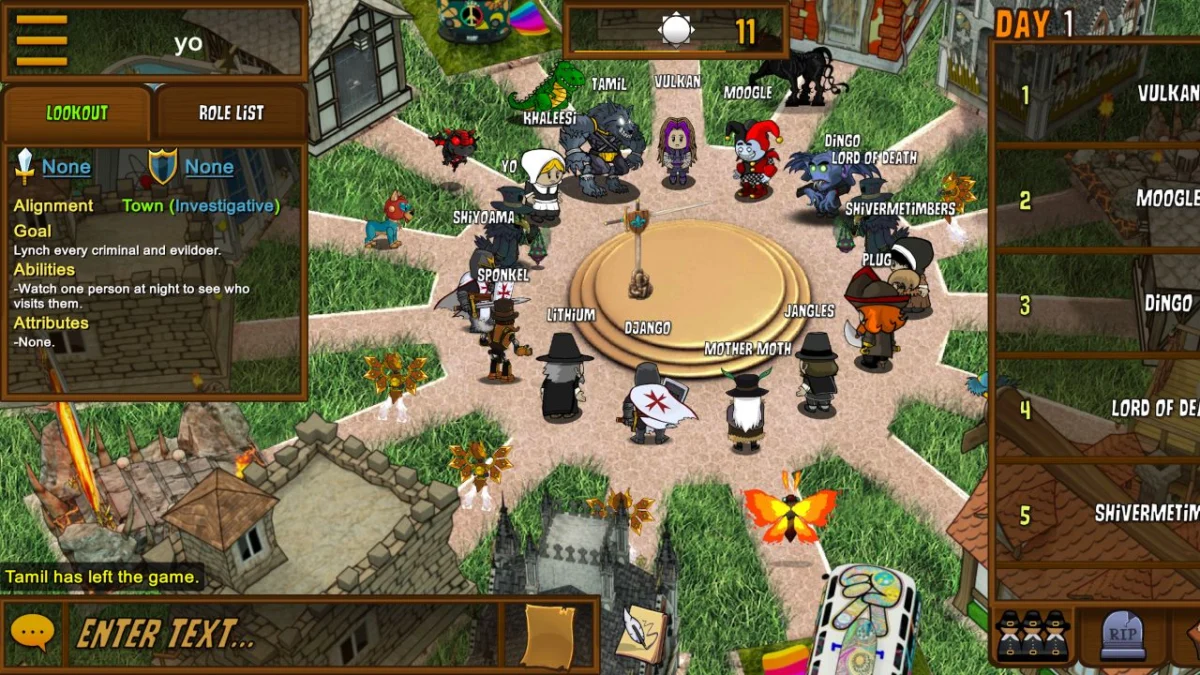
Overview: For fans of classic social deduction games like Mafia or Werewolf, Town Of Salem: The Coven takes the genre to an unprecedented level of complexity and replayability. Players inhabit the roles of citizens in a seemingly peaceful yet perilous town, each with a secret identity and unique abilities.
Gameplay Dynamics: The game features a vast array of roles, categorized into Townies (who aim to root out evil), Mafia (who secretly murder citizens), Neutrals (with their own win conditions), and Coven (a powerful, antagonistic faction introduced in the Coven expansion). Townie roles might include Sheriffs (who can interrogate suspects), Doctors (who can heal), or Jailers (who can detain and execute). The nocturnal phase sees evil roles committing their deeds, while the day phase involves discussions, accusations, and voting to lynch suspected wrongdoers.
Social Impact: Town Of Salem thrives on elaborate lies, calculated deductions, and the strategic use of role abilities. With so many potential roles and interactions, every game unfolds uniquely, ensuring high replayability. It’s perfect for larger groups who enjoy deep strategic play and the thrill of uncovering complex conspiracies. The Coven expansion further enriches the experience with new roles and mechanics, making the deception even more intricate.
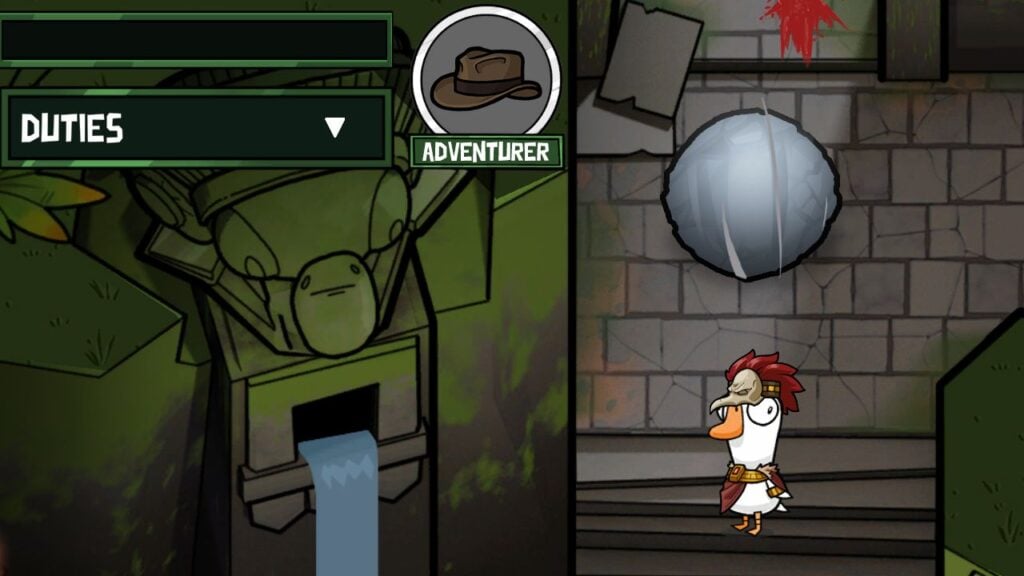
Goose Goose Duck: The Fowl Play of Deception
Overview: Imagine a blend of Among Us‘ accessible core mechanics with Town Of Salem‘s diverse role system, and you get Goose Goose Duck. This charming yet cutthroat social deduction game pits geese against ducks in a struggle for survival and dominance, all while completing tasks.
Gameplay Dynamics: Players are primarily Geese, working together to complete tasks and identify the Ducks, who are secretly trying to eliminate them. What sets Goose Goose Duck apart is its extensive roster of unique roles within both the Goose and Duck factions, as well as several Neutral roles. A Goose might be a "Bodyguard" protecting others, while a Duck could be a "Cannibal" able to eat bodies to hide evidence, or a "Morphling" capable of shapeshifting. Neutral roles, like the "Dodo Bird" (who wins by being voted out), add further layers of unpredictability.
Social Impact: The sheer variety of roles ensures that each round feels fresh and exciting. Players must quickly adapt their strategies based on their assigned role, leading to dynamic discussions, unexpected twists, and plenty of "Aha!" moments. The game’s vibrant aesthetics and playful theme belie its deep strategic potential, making it a fantastic choice for groups looking for a familiar yet enriched social deduction experience.
Codenames: The Espionage of Wordplay
Overview: Codenames translates the critically acclaimed board game into a digital format, challenging players to become master spies in a battle of wits and word association. Two teams compete to identify their secret agents from a grid of word cards, guided only by cryptic one-word clues from their Spymasters.
Gameplay Dynamics: A grid of 25 word cards is laid out. Some words belong to the Red Team, some to the Blue Team, some are neutral bystanders, and one is the dreaded Assassin. Each team has a Spymaster who knows which words belong to their team. Spymasters give a one-word clue and a number (e.g., "Animal, 3") to their teammates, who must then select the correct word cards that relate to that clue, avoiding the opponent’s cards and, most importantly, the Assassin.
Social Impact: Codenames is a brilliant exercise in lateral thinking, vocabulary, and understanding your teammates’ thought processes. The tension builds as teams try to interpret vague clues, risking accidental selections that could benefit the enemy or, worse, lead to immediate defeat by picking the Assassin. The digital version allows for asynchronous play, extending the fun across hours or even days, or can be played real-time in a group setting for immediate engagement.
Evil Apples: Funny As _____: Unfiltered Humor and Card-Based Chaos
Overview: For those with a penchant for irreverent, dark, and often offensive humor, Evil Apples: Funny As _____ is the digital equivalent of Cards Against Humanity. It’s a card game designed to elicit gasps, groans, and uncontrollable laughter through its outrageous and often politically incorrect prompts and answers.
Gameplay Dynamics: One player, the "Card Czar," draws a black card with a fill-in-the-blank statement or a question. The other players then choose the funniest white card from their hand to complete the statement or answer the question. The Card Czar then selects their favorite answer, awarding a point to the player who submitted it. The game continues until a set score is reached or players decide to stop.
Social Impact: Evil Apples is not for the faint of heart, but it excels at breaking the ice and unleashing creative, often shocking, humor within a group. It’s a celebration of wit and absurdity, perfect for adult gatherings where laughter is prioritized over decorum. The ability to play with friends, either remotely or in the same room, makes it an accessible option for those who enjoy pushing comedic boundaries.
The Jackbox Party Pack (Multiple Titles): A Cornucopia of Interactive Fun
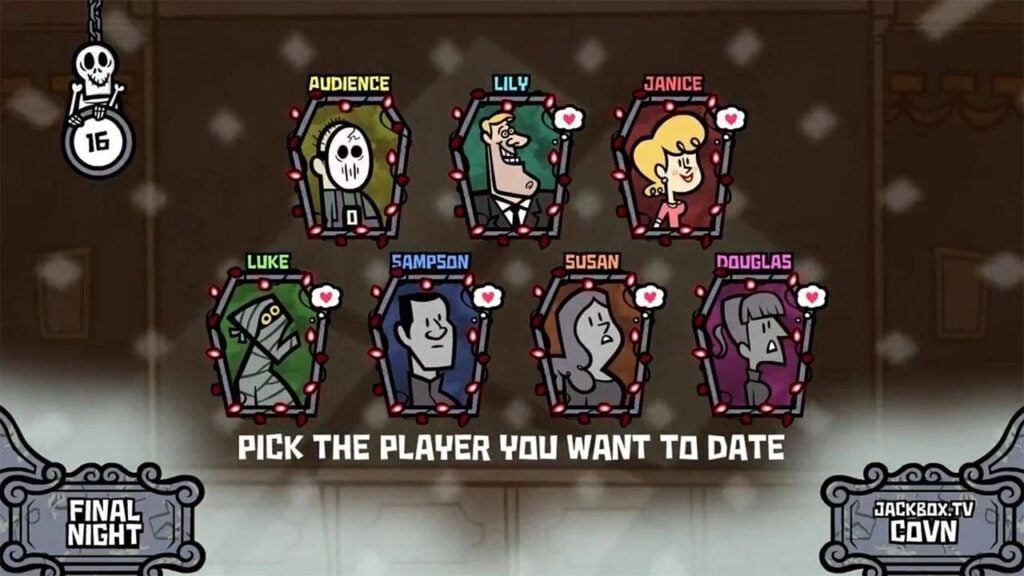
Overview: Jackbox Games has become synonymous with digital party entertainment, offering a series of "Party Packs," each containing a diverse collection of unique, phone-controlled games. Rather than a single title, Jackbox provides an entire ecosystem of interactive experiences, ensuring there’s something for every taste and group dynamic.

Gameplay Dynamics: Each Party Pack typically includes five distinct games, ranging from trivia quizzes (e.g., You Don’t Know Jack) and drawing contests (Drawful) to creative writing challenges (Quiplash), bizarre dating simulations (Monster Seeking Monster), and even monster-making battles (Tee K.O.). Players use their smartphones or tablets as controllers, connecting to a central screen (TV, computer, or even shared screen during video calls) via a web browser.
Social Impact: The genius of Jackbox lies in its variety and its "audience play" feature, allowing many non-players to participate by voting on answers or submitting their own. This makes it incredibly inclusive for large gatherings. The games are designed to be silly, witty, and highly interactive, often relying on player creativity and humor for maximum enjoyment. Each pack offers a fresh set of experiences, guaranteeing hours of entertainment and plenty of memorable moments.
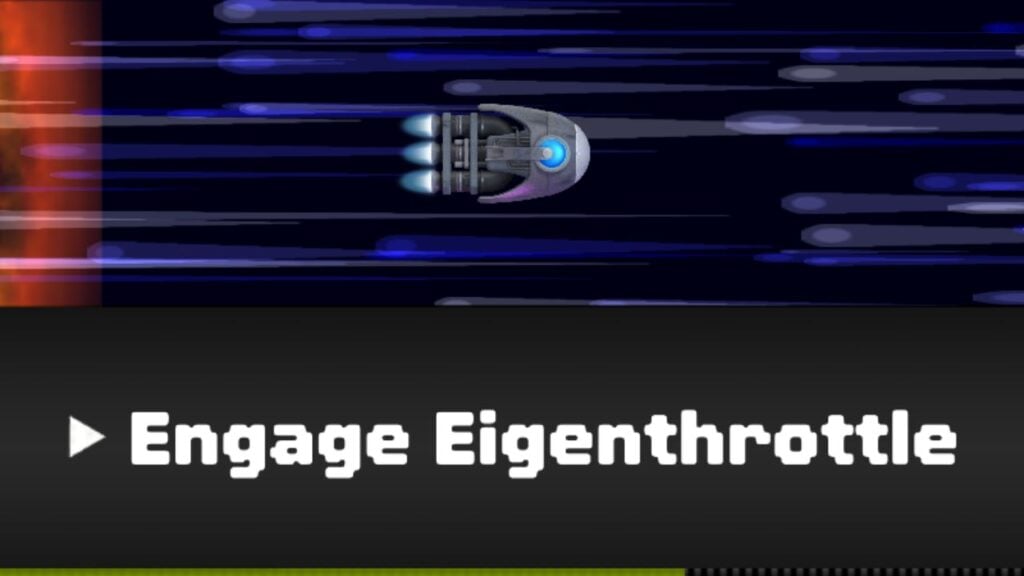
Spaceteam: Shouting Orders in the Void
Overview: Prepare for utter pandemonium and relentless laughter with Spaceteam, a cooperative game where players become the bridge crew of a rapidly disintegrating spaceship. The goal: prevent your vessel from falling apart by frantically following and relaying instructions.
Gameplay Dynamics: Each player is assigned a control panel on their Android device, filled with bizarre buttons, levers, and dials with equally strange labels (e.g., "Toggle Gloop," "Set Hydro-vane to 3"). The ship is constantly encountering anomalies, and players receive instructions like "Activate the Hydro-vane!" or "Flip the Nano-modulator!" The catch is that the control panel you need might be on someone else’s screen. Players must shout instructions to each other, identify the relevant controls on their own screens, and activate them before the timer runs out and the ship explodes.

Social Impact: Spaceteam is a brilliant test of communication under extreme pressure. It’s loud, chaotic, and incredibly fun. The rapid-fire instructions, the nonsensical jargon, and the frantic search for controls create an environment of controlled madness that guarantees bursts of laughter and a shared sense of accomplishment (or glorious failure). It’s an excellent icebreaker and a fantastic way to energize any group.
Escape Team: Your Portable Escape Room Adventure
Overview: For those who crave the thrill of an escape room but prefer the comfort of home, Escape Team offers a unique blend of digital guidance and physical puzzle-solving. This app transforms your living space into an immersive challenge, complete with printable puzzles.
Gameplay Dynamics: Escape Team provides a series of missions that players can download and print out. These printables include various puzzles, codes, and components that need to be physically manipulated and solved. The Android app acts as the mission control, providing narrative context, timers, clues, and a platform for inputting solutions. Players work together to decipher clues, combine elements, and solve riddles, all against a ticking clock, much like a traditional escape room.
Social Impact: This game perfectly blends the digital and tangible, encouraging hands-on collaboration. It demands teamwork, logical reasoning, and creative problem-solving. The ability to host an escape room experience with minimal setup, using readily available materials, makes it an incredibly accessible and engaging party activity. It’s a fantastic way to challenge your friends’ intellect and communication skills.
Exploding Kittens: A Feline Fatality Card Game
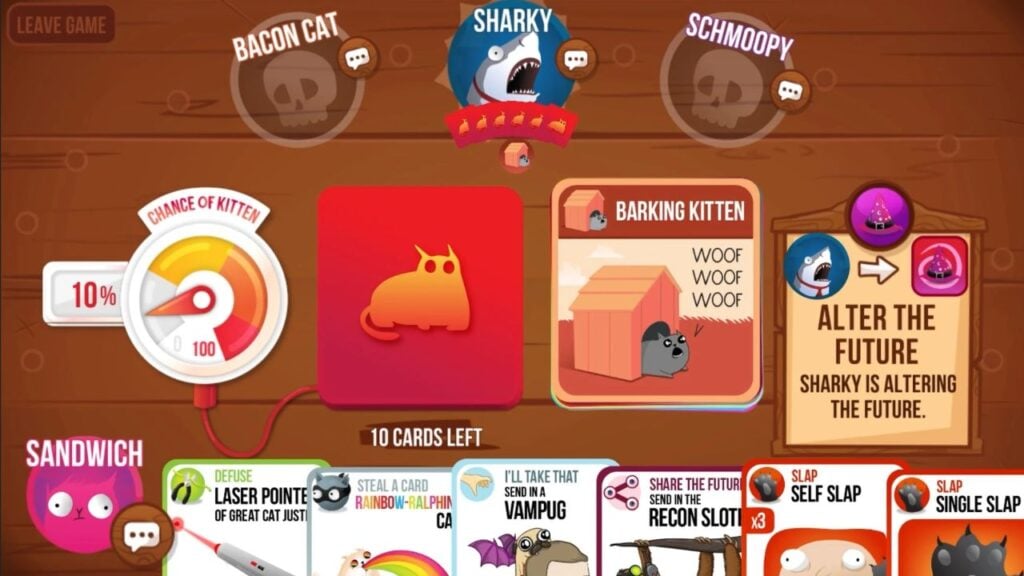
Overview: From the creative mind behind the popular webcomic The Oatmeal, Exploding Kittens is a wildly successful card game that translates perfectly to the digital realm. It’s a game of strategic risk, luck, and adorable feline-themed chaos.
Gameplay Dynamics: The core objective is simple: avoid drawing an Exploding Kitten card. Players take turns drawing cards until someone draws an Exploding Kitten, at which point they are eliminated from the game – unless they have a "Defuse" card. Defuse cards, along with other action cards like "Nope" (to cancel an action), "Attack" (to force the next player to draw multiple cards), "Skip" (to end your turn without drawing), and "See the Future" (to peek at upcoming cards), add layers of strategy and interaction.
Social Impact: Exploding Kittens is quick to learn, making it accessible to a wide audience. Its quirky art style and humorous card effects contribute to its lighthearted yet competitive nature. The game generates moments of tension, relief, and triumphant sabotage, making it a fantastic icebreaker and a source of consistent laughter for groups of 2-5 players.
Acron: Attack Of The Squirrels: Asymmetrical VR Fun
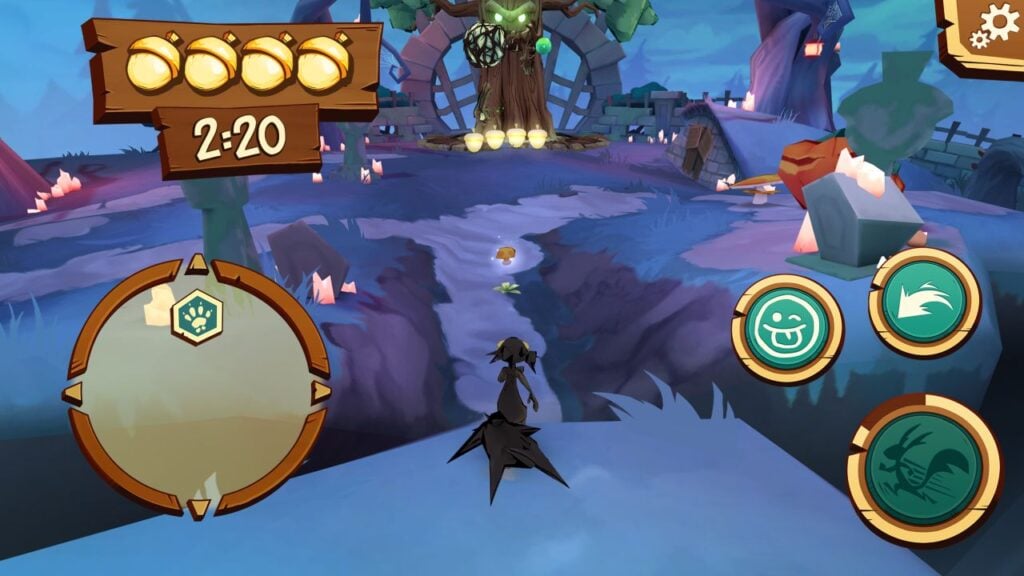
Overview: Dispelling the myth that VR is a solitary experience, Acron: Attack Of The Squirrels offers an ingenious asymmetrical multiplayer setup. One player dons a VR headset to become a giant, angry tree, while up to eight other players join on their Android devices as mischievous squirrels attempting to steal its precious golden acorns.
Gameplay Dynamics: The VR player, embodying the ancient tree, must protect its acorns by throwing projectiles, smashing the ground, and using various tree-based abilities. The mobile players, as nimble squirrels, navigate the environment, utilizing unique class abilities (e.g., a speedy squirrel, a digging squirrel, a shield-wielding squirrel) to dodge the tree’s attacks and gather the acorns.
Social Impact: This game is a fantastic demonstration of how VR can enhance, rather than limit, social interaction. The dynamic between the powerful VR boss and the cooperative mobile players creates a thrilling and often hilarious "boss fight" scenario. It’s an energetic, visually engaging game that leverages the strengths of both VR and mobile platforms to deliver a truly unique party experience. Requires one VR headset (e.g., Meta Quest) and at least two Android devices.
Wolvesville Classic: Streamlined Werewolf/Mafia
Overview: For fans of the classic deduction game Werewolf or Mafia, Wolvesville Classic (and its Premium version) offers a streamlined, app-guided experience that simplifies the administrative burden, allowing players to focus entirely on the intrigue and deception.
Gameplay Dynamics: The app takes on the role of the moderator, guiding players through the various phases of the game (night actions, day discussions, voting). Players select from a wide array of roles, including villagers, werewolves, seers, doctors, and many more complex variations. During the night, players with special roles secretly perform their actions (e.g., werewolves kill, doctors heal, seers investigate). During the day, discussions ensue, accusations fly, and players vote to lynch a suspect. The goal for villagers is to eliminate all werewolves, while werewolves aim to outnumber the villagers.

Social Impact: Wolvesville Classic makes the complex game of Werewolf highly accessible. By automating the moderation, it removes common stumbling blocks and allows even newcomers to jump in quickly. It’s excellent for larger groups who enjoy deep social deduction and character roles without needing a dedicated human moderator, fostering intense debate, cunning bluffs, and satisfying revelations.
Pretend You’re Xyzzy: Customizable Cards Against Humanity
Overview: Essentially a fan-made, highly customizable digital rendition of Cards Against Humanity, Pretend You’re Xyzzy offers players the freedom to tailor their humor and create truly unique gaming experiences. It’s free to play and allows for extensive personalization.
Gameplay Dynamics: Mirroring Cards Against Humanity, one player acts as the "Card Czar," drawing a black prompt card. Other players submit white answer cards from their hand that they believe are the funniest or most fitting. The Card Czar then picks the winning combination. The key feature here is the ability to create and import custom card decks.
Social Impact: The customization aspect is where Pretend You’re Xyzzy truly shines. Players can craft decks filled with inside jokes, references to shared experiences, or topics specific to their friend group, making the humor deeply personal and exponentially funnier. While being a fan-made port might mean occasional technical quirks, its free nature and unparalleled customization potential make it a go-to for groups who want to take their irreverent card game humor to the next level.
The Broader Impact: More Than Just Games
The rise of Android party games signifies a shift in how we approach social entertainment. These applications are not just digital diversions; they are facilitators of human connection, providing structured frameworks for interaction that often lead to spontaneous moments of joy and bonding.
Chronology of Mobile Party Gaming Trends
The journey of mobile party gaming has seen several key phases:
- Early Days (Pre-2010s): Simple pass-and-play games, often mimicking traditional board games or trivia, with limited social depth.
- The Rise of Social Deduction (Early-Mid 2010s): Games like Mafia and Werewolf gained traction, inspiring digital adaptations and introducing mechanics of bluffing and deduction.
- Jackbox Games’ Innovation (Mid-Late 2010s): Jackbox revolutionized the "one screen, many phones" model, proving the viability of diverse, controller-less party game collections.
- The Pandemic Boom (2020-2021): Among Us became a global phenomenon, demonstrating the power of social deduction for remote and in-person play, solidifying the genre’s appeal.
- Genre Expansion & VR Integration (Late 2021-Present): Developers are now pushing boundaries with asymmetrical multiplayer (like Acron), hybrid physical/digital experiences (Escape Team), and increasingly complex role-based systems (Goose Goose Duck, Town Of Salem), showing a continuous evolution in design and technology integration.
Supporting Data: The Growing Market for Social Mobile Gaming
The mobile gaming market is a colossal industry, projected to exceed $100 billion in annual revenue. A significant portion of this growth is fueled by social and casual games. Reports from market intelligence firms like Newzoo consistently highlight the increasing engagement in multiplayer mobile titles. The casual gaming segment, which includes many party games, sees high retention rates due to the social bonds formed within these games. Furthermore, the accessibility of smartphones means that the barrier to entry for social gaming is incredibly low, making it a powerful tool for connecting friends and family across various demographics. The average smartphone user spends several hours a day on their device, and a considerable fraction of this time is dedicated to gaming, with social titles often leading to longer, more engaging sessions.
Official Responses & Developer Philosophies
Developers of these party games often emphasize the social fabric they aim to weave. Innersloth, the creators of Among Us, have spoken extensively about designing a game that encourages communication and interaction, even if it’s through arguments and accusations. Jackbox Games’ core philosophy revolves around creating experiences that are easy to pick up, humorous, and fundamentally social, allowing players of all skill levels to participate and contribute to the fun. Many developers are moving towards cross-platform compatibility, further breaking down barriers and ensuring that friends can play together regardless of their device. The trend indicates a focus on intuitive interfaces, engaging mechanics, and, crucially, fostering real-world laughter and interaction through digital means.
Implications for Social Gatherings and Future Trends
The implications of these sophisticated Android party games are profound. They have democratized group entertainment, making elaborate gaming experiences accessible without the need for expensive consoles or extensive physical setups. They offer:
- Enhanced Social Interaction: These games actively encourage verbal communication, non-verbal cues, and shared emotional experiences, deepening bonds.
- Versatility: They are perfect for various settings – from quiet nights in to lively parties, and even remote gatherings via video calls and screen sharing.
- Inclusivity: Many titles are designed to be easy to learn, ensuring that even non-gamers can quickly jump in and have fun.
- Economic Accessibility: Many party games are free-to-play or offered at a low one-time cost, making them a budget-friendly entertainment option.
- Future Innovation: Expect continued innovation in hybrid physical-digital experiences, more sophisticated AI integration to enhance solo or smaller group play, and deeper customization options. The integration with emerging technologies like augmented reality (AR) could also open up new dimensions for interactive party games, blending digital elements with the physical environment even further.
Conclusion: Your Pocket-Sized Party Starter
The Android platform has firmly established itself as a powerhouse for social entertainment. The curated list above represents just a fraction of the incredibly diverse and engaging party games available, each offering a unique flavor of fun, challenge, and camaraderie. From the high-stakes deception of Among Us and Town Of Salem to the frantic communication of Spaceteam and the witty wordplay of Codenames, there’s a game to suit every group dynamic and mood.
These titles do more than just fill time; they create shared memories, spark laughter, and often reveal surprising facets of our friends’ personalities. They are a testament to the power of mobile technology to foster connection in an increasingly digital world. So, the next time you gather with friends, skip the passive entertainment and let your Android device be the catalyst for an unforgettable interactive experience. Dive in, get competitive, get cooperative, and most importantly, get ready to make some noise.