Sagoh
Sagoh
By Editorial Staff
Published June 26, 2026
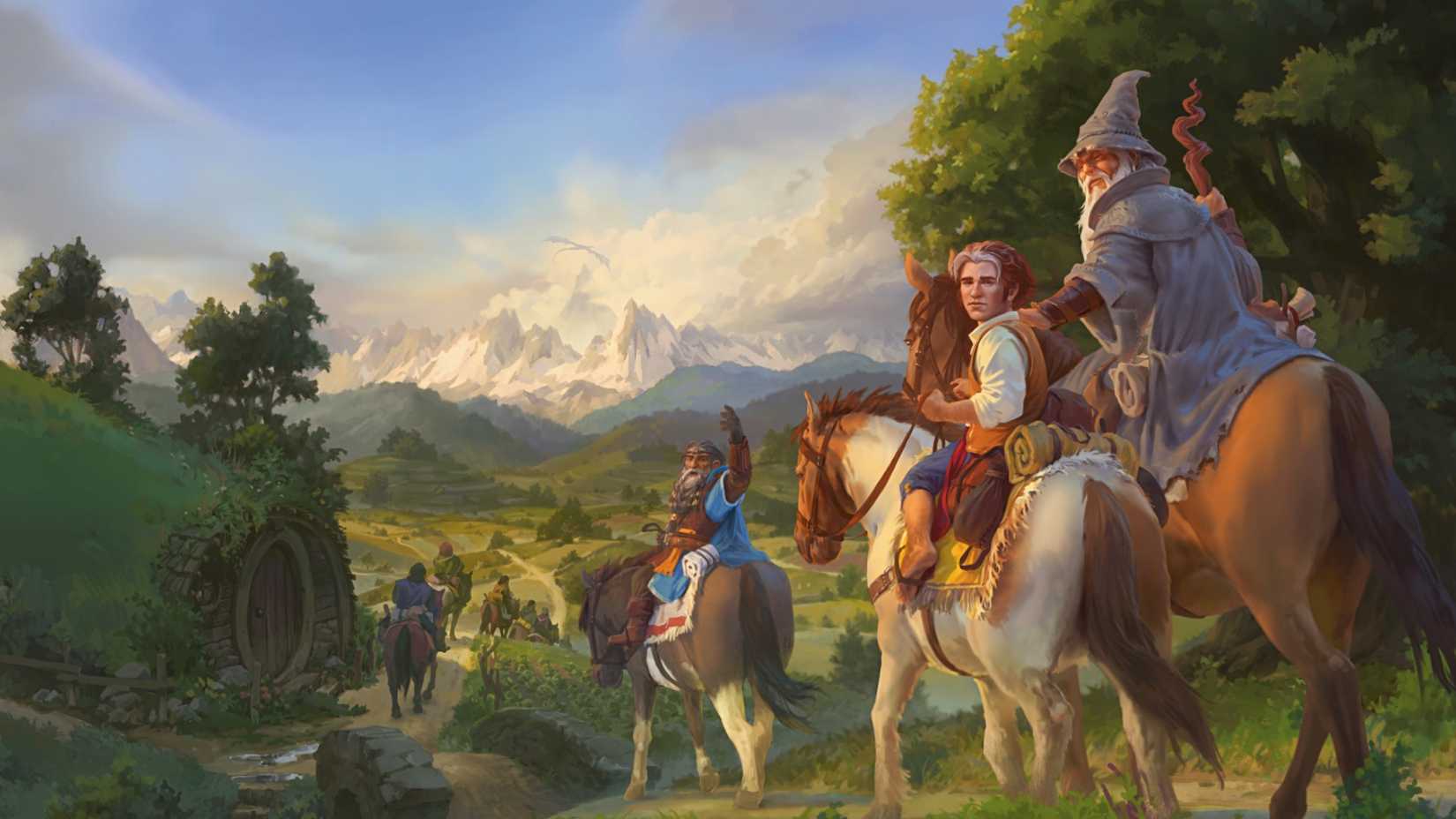
The enduring legacy of J.R.R. Tolkien’s Middle-earth continues to cast a long shadow over modern pop culture. With a steady stream of cinematic, literary, and interactive media keeping the franchise at the forefront of the zeitgeist, fans are finding themselves in a golden age of adaptation. Following the massive commercial and critical success of the Tales of Middle-earth expansion, Wizards of the Coast has officially confirmed that they are returning to the legendary fantasy world. This time, the focus shifts from the epic stakes of the War of the Ring to the whimsical, perilous journey of Bilbo Baggins in The Hobbit.
Scheduled for a global release in August 2026, the upcoming set promises to be a comprehensive love letter to Tolkien’s original 1937 masterpiece. For both veteran Magic: The Gathering (MTG) players and newcomers drawn in by the allure of Middle-earth, this release marks a pivotal moment in the Universes Beyond initiative, further cementing the symbiotic relationship between tabletop gaming and high fantasy literature.
The Evolution of the Middle-earth Partnership
The Universes Beyond line, which allows Magic: The Gathering to cross over with established intellectual properties like Fallout, Doctor Who, and Warhammer 40,000, has seen its share of debate. However, the 2023 Lord of the Rings collaboration set a high watermark for quality, mechanical integration, and artistic fidelity.
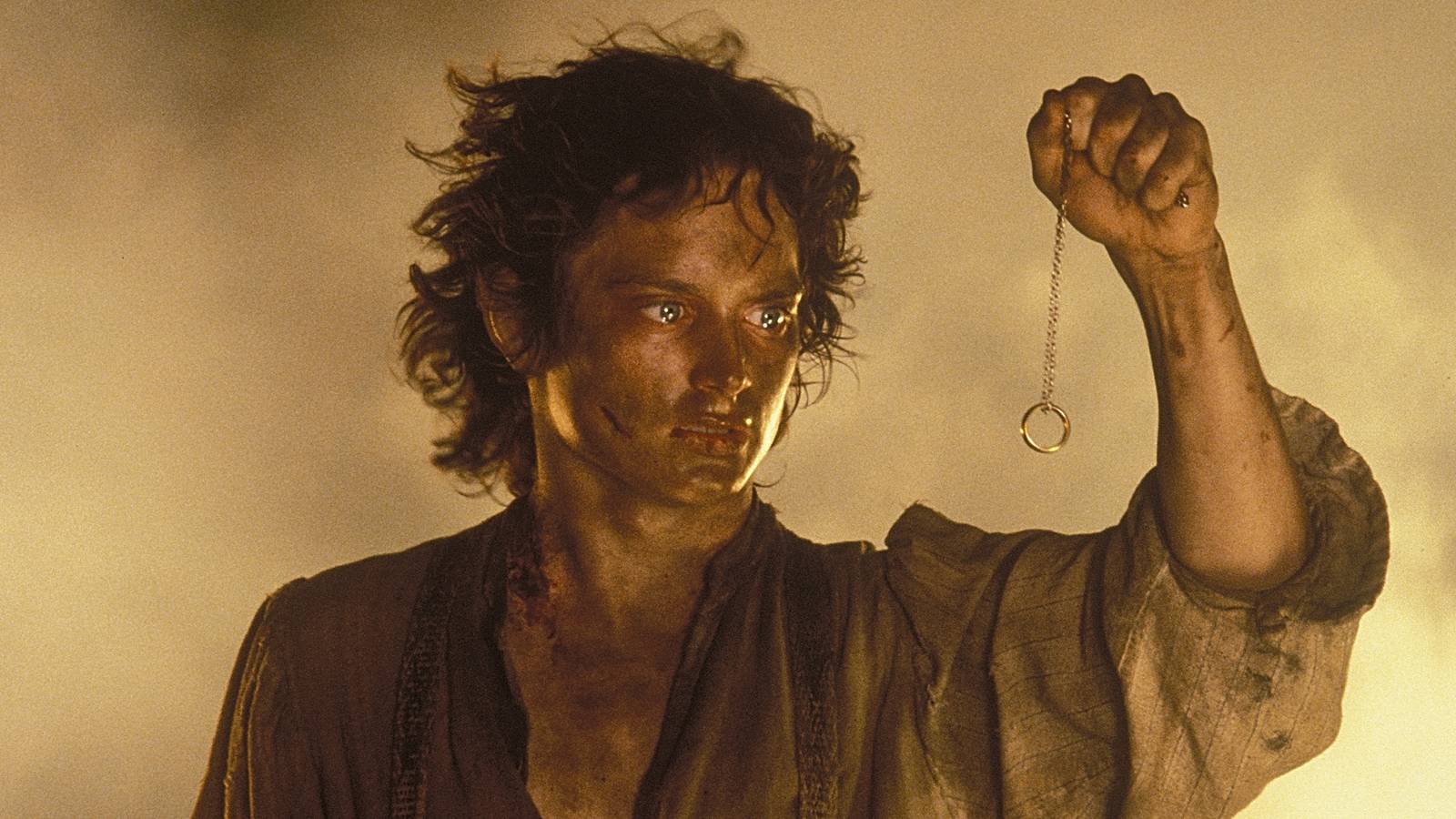
The success of that set proved that players were not only willing to accept outside franchises within the Magic ecosystem but were actively eager for them. By adapting the iconic events of The Hobbit, Wizards of the Coast is leaning into a different tonal palette. Where the previous set focused on the grim, high-stakes battle against Sauron, The Hobbit set invites players into a narrative characterized by riddle games, dragon hoards, and the humble beginnings of the greatest adventure in literary history.
Chronology of the Project
Development for the upcoming expansion has been shrouded in a level of secrecy typical of major Wizards of the Coast releases. However, industry insiders suggest that planning for a follow-up to the Lord of the Rings set began almost immediately following the initial project’s positive market reception.
- Q4 2025: Initial concept art and design frameworks for The Hobbit expansion were finalized, focusing on the distinct art style that would differentiate it from the previous set.
- Q1 2026: Key mechanical designs, including unique "Riddle" mechanics and "Dragon Hoard" artifacts, entered the playtesting phase.
- June 2026: Official announcement of the set, including the reveal of high-profile character cards such as Smaug, Bilbo, and the three trolls.
- August 2026: Expected global release date, with local game stores worldwide hosting official Prerelease events.
A Deep Dive into the Set Mechanics and Roster
Though it is categorized as a "small set"—avoiding the complex, multi-product bloat seen in larger releases—The Hobbit expansion is anything but sparse. It features 248 unique cards, all meticulously crafted to reflect the source material.
The roster of confirmed characters includes the central figures of the quest:

- Bilbo Baggins: Early reveals suggest a card design focused on exploration and "burgling" mechanics, likely involving treasure tokens or library manipulation.
- Smaug: Represented as a powerhouse threat, the Smaug card appears to incorporate mechanics that threaten the board state, reflecting the dragon’s greed and destructive power.
- Thorin Oakenshield: Designed as a tribal leader, his card likely focuses on synergies with other Dwarf creatures.
- Tom, Bert, and William: The three trolls are being implemented as low-to-mid-tier cards that showcase the humor and danger of the trolls’ campfire scene.
- Tom Bombadil: Continuing from the previous set’s success, his inclusion provides continuity and adds a layer of mystery to the deck-building potential.
The set will be available through traditional Play Boosters, Prerelease packs, and Bundles. By eschewing more complex supplemental products, Wizards of the Coast aims to lower the barrier to entry for fans who are primarily interested in the Lord of the Rings universe rather than the deeper, more complex meta-game of Magic.
Official Perspectives and Industry Implications
The decision to revisit Middle-earth is a strategic move for Wizards of the Coast. By maintaining a presence in the Lord of the Rings space, they capitalize on the ongoing excitement generated by other media projects, such as the highly anticipated open-world Lord of the Rings video game currently in development.
"The goal is not just to sell cards, but to provide a tactile experience of the stories we love," says a spokesperson for the design team. "Adapting The Hobbit allows us to explore a different set of emotions. It is more intimate, more grounded in the journey of a single character, and we believe the players will feel that shift in tone when they hold these cards."
Industry analysts note that this strategy is a masterclass in cross-pollination. By integrating Universes Beyond content into the broader Magic library, the game effectively acts as a gateway for fantasy readers who may have never touched a trading card game before. The "Prerelease" structure is specifically designed to accommodate these newcomers, offering a simplified play experience that emphasizes the narrative of the cards over competitive optimization.
The Future of Middle-earth Gaming
As we look toward the horizon, the intersection of tabletop gaming and the Tolkien legendarium seems secure. While fans await larger, more expansive video game adaptations, the Magic: The Gathering expansion serves as a vital bridge. It provides a visual and mechanical interpretation of the lore that is both respectful of the source material and engaging as a game system.
The inclusion of rare, stylized "Smaug border" variants indicates that Wizards of the Coast is also targeting the high-end collector market. These cards, featuring intricate, gold-leaf-style framing, are expected to become immediate chase items for collectors of Tolkien memorabilia.
Conclusion
Whether you are a seasoned planeswalker or a casual reader of Tolkien’s works, the upcoming Hobbit expansion for Magic: The Gathering represents a unique opportunity. It is a synthesis of art, literature, and strategy. By stripping away the overwhelming complexity of larger sets and focusing on the core narrative beats of the book, Wizards of the Coast has created a product that honors the source material while inviting a new generation of players to the table.
As August 2026 approaches, the hype surrounding the return to Middle-earth is palpable. It is a reminder that, much like the ring itself, the allure of Middle-earth is timeless, and its ability to inspire new forms of creative expression remains as potent as ever. For now, we wait to see which cards will dominate the meta, and more importantly, which ones will find a permanent home in the collections of fans who simply want to hold a piece of the Shire in their hands.


 Suro Senen
 Nana
Nana