

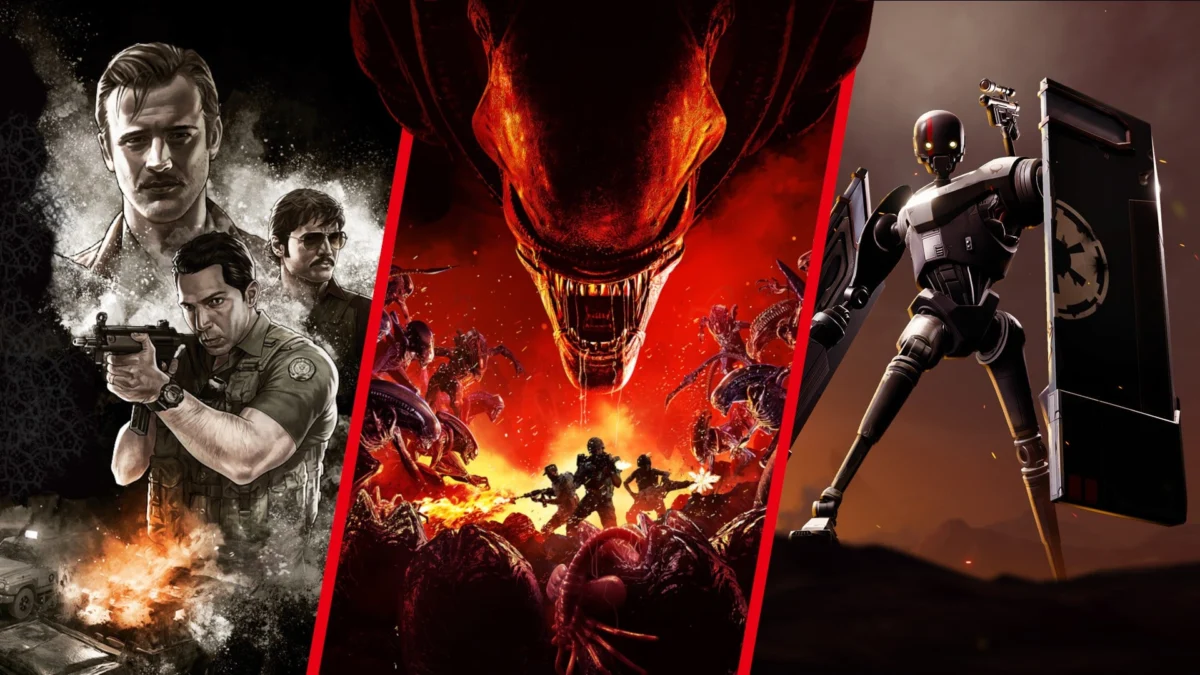
In the ephemeral landscape of digital distribution, a disquieting trend has emerged on the Nintendo Switch eShop: games vanishing without a trace, leaving digital shelves barren and players bewildered. While the convenience of instant digital access is undeniable, it comes with a stark caveat – the inherent fragility of digital ownership. Unlike their physical counterparts, digital titles are susceptible to sudden disappearance due to a myriad of factors, from expiring licenses to the financial woes of publishers. This phenomenon, often referred to as "delisting," has transformed a significant number of Nintendo Switch games into digital ghosts, no longer available for purchase and leaving many to wonder about the longevity of their digital libraries.
This comprehensive report aims to shed light on the growing concern of delisted games on the Nintendo Switch. We will explore the reasons behind these disappearances, examine the scope of the issue with a detailed chronology, and discuss the broader implications for consumers, developers, and the very concept of digital preservation in the gaming world.
The Silent Disappearance: Understanding the Scope of Delisted Switch Titles
The Nintendo Switch eShop, launched in March 2017, has become a vibrant marketplace for a vast array of gaming experiences. However, a closer examination reveals a disconcerting number of titles that have been removed from digital storefronts since its inception. The scope of this issue extends beyond niche indie titles, encompassing even substantial releases that were once reviewed, enjoyed, and purchased by a significant player base. Compiling a definitive list of these delisted games has proven to be a sobering exercise, highlighting the transient nature of digital game availability.
While this article strives to be a comprehensive reference, the dynamic nature of delistings means that the situation is constantly evolving. We encourage readers to engage in the comments section to highlight any omissions, ensuring this list remains as accurate and up-to-date as possible.
A significant resource in tracking these disappearances is DelistedGames.com. This invaluable platform serves as a crucial point of reference, not only for corroborating delisted Switch games but also for providing vital details regarding developer and publisher sources, as well as the precise reasons behind their removal. For those seeking to understand the specific circumstances that led to a particular game’s unavailability, a visit to DelistedGames.com is highly recommended.
It is important to note that the vast majority of games discussed herein are no longer listed on Switch eShops in any region. However, as detailed in the "Notes and Exceptions" section below, there are instances where games remain accessible in specific territories or as part of other digital packages.
Chronology of Vanishing Acts: A Timeline of Delisted Switch Games
The trend of games being delisted from the Nintendo Switch eShop has been a gradual but persistent one, accelerating in recent years. While pinpointing exact dates for every delisting can be challenging due to varied regional rollout and announcement practices, a general chronological understanding can be pieced together.
Early Years (2017-2019): Nascent Digital Market, Early Removals
In the initial years of the Switch’s lifecycle, delistings were less common, often attributable to specific, isolated incidents. These might have included the discontinuation of a service the game relied upon or a publisher ceasing operations. For instance, early removals might have been tied to games that had a very limited run or were part of a temporary promotion.
Mid-Lifecycle (2020-2021): Growing Concerns, Expiry of Licenses Become Prominent
As the Switch’s install base grew and more games were released, the natural lifecycle of licenses began to exert its influence. Games developed with third-party licenses, such as those for music, characters, or specific technologies, started to face expiration. This period saw a noticeable uptick in delistings where expiring licenses were cited as the primary reason. Developers and publishers had to make critical decisions about renewing these often costly licenses, and in many cases, the economic viability of continued sale was deemed insufficient.
Recent Years (2022-Present): Accelerated Delistings, Service Closures and Strategic Decisions
The past few years have witnessed an acceleration in delistings. The closure of Amazon’s GameSparks service in 2022, a backend infrastructure provider for online gameplay and associated functionalities, directly impacted a number of Switch titles that relied on its services. This forced developers to either find alternative solutions or delist their games. Furthermore, publishers increasingly began delisting older titles to streamline their digital offerings and direct players towards newer, actively supported games, especially in series with annual releases. This strategic decision-making, while understandable from a business perspective, further contributes to the growing digital graveyard.
The following sections will detail specific instances and broader categories of delisted games, providing context and illustrating the diverse reasons behind their disappearance.
Notable Delisted Titles and Their Circumstances
While a comprehensive, exhaustive list would be prohibitively long and constantly in flux, several notable delisted titles serve as poignant examples of this digital phenomenon. These games, often well-received and remembered fondly by players, now exist only for those who purchased them prior to their removal.
Examples of Delisted Games (Illustrative, not exhaustive):

- Licensed Content Games: Titles that heavily feature licensed intellectual property, such as movie tie-ins or games using popular music, are particularly vulnerable. As licensing agreements expire, these games often become unavailable.
- Games Relying on Online Services: As highlighted by the GameSparks closure, games with integrated online multiplayer, leaderboards, or other server-dependent features face delisting when those services are shut down and no viable alternatives are implemented.
- Developer/Publisher Issues: The financial difficulties or eventual closure of a development studio or publishing company can lead to their entire catalog being delisted, as there may be no entity to manage the digital storefront presence or renew necessary licenses.
- Technical Obsolescence: While less common for direct delistings, games that become incompatible with newer system updates or rely on outdated technology can, in extreme cases, be removed if updates are not feasible.
Notes and Exceptions: A Glimmer of Availability
Before delving deeper, it’s crucial to acknowledge certain nuances and exceptions regarding delisted titles:
- Regional Availability: Some games may have been delisted in specific regions (e.g., North America) but remain available in others (e.g., Europe or Japan). This often stems from regional licensing differences or distribution agreements.
- Cosmic Fantasy 3: While no longer available separately on North American eShops, it can still be purchased outside of North America and is included in the Cosmic Fantasy Collection 2.
- SEGA AGES Shinobi, Zorya: The Celestial Sisters, Survive on Raft: These titles have been delisted in North America but are still accessible in other eShop regions.
- Radirgy Swag: This game remains available on the Japanese eShop.
- Successor Versions or Bundles: In some cases, delisted games have been replaced by updated versions or bundled with other titles.
- Nerve Software’s original Unity ports of Doom and Doom II were delisted, but they were subsequently replaced by Nightdive’s KEX engine versions, which offer a more robust experience.
- Owners of the original Wunderling can often receive Wunderling DX for free, effectively providing access to an updated version.
These exceptions highlight the complex web of distribution rights and regional considerations that influence game availability.
The "Why": Unpacking the Reasons Behind Delistings
The disappearance of games from digital storefronts is rarely a capricious decision. Instead, it is typically driven by a confluence of economic, legal, and technical factors. Understanding these underlying causes is essential for appreciating the challenges faced by both publishers and consumers in the digital age.
1. Expiring Licenses: The Clock is Ticking
This is arguably the most prevalent reason for delistings. Many games, particularly those that incorporate licensed music, characters, or technology from third-party providers, operate under time-limited agreements.
- The Economics of Renewal: When a licensing period concludes, publishers must decide whether to renew the agreement. This decision is heavily influenced by the game’s sales performance. If sales have plateaued or declined significantly, the cost of renewing the license may outweigh the potential revenue. In many instances, the peak sales period for a game occurs well before its license expires, making continued availability economically unviable.
- Third-Party Dependencies: Games that rely on specific middleware or SDKs (Software Development Kits) can also face delisting if the provider of that technology discontinues support or changes their licensing terms unfavorably.
2. Publisher Financial Health and Strategic Decisions
The financial stability and strategic direction of a publisher play a crucial role in game availability.
- Publisher Closures: If a development studio or publishing company goes out of business, their game catalog often becomes orphaned. Without a responsible entity to manage the storefront presence, these games inevitably disappear.
- Portfolio Management: Larger publishers may choose to delist older titles to streamline their digital offerings, focusing resources and marketing efforts on newer, actively supported games. This is particularly common for publishers with an annual release cycle for a particular franchise, where they aim to direct players towards the latest iteration.
- Rebranding and Relaunch: Sometimes, a game might be delisted with the intention of being re-released later under a new name, with updated features, or as part of a remastered collection. However, this is not always the case, and many delisted games remain permanently unavailable.
3. Technical Infrastructure and Service Closures
The reliance on online services has introduced another significant factor contributing to delistings.
- Server Shutdowns: Games that incorporate online multiplayer, leaderboards, cloud saves, or other server-dependent functionalities are at risk when the hosting service is discontinued. The closure of platforms like Amazon’s GameSparks in 2022 is a prime example of how the shutdown of backend services can lead to widespread delistings across multiple titles.
- Development Resource Allocation: Maintaining servers and online infrastructure incurs ongoing costs. Publishers may opt to shut down these services for older games to reallocate those resources to newer projects.
4. Legal and Content Issues
While less frequent, certain legal disputes or content-related issues can also lead to a game’s removal.
- Copyright Infringement Claims: If a game is found to infringe on existing copyrights, it can be legally compelled to be removed from sale.
- Content Changes: In rare instances, a game might be delisted due to the discovery of problematic content that the publisher deems inappropriate for continued distribution.
Implications for the Gaming Ecosystem
The proliferation of delisted games on the Nintendo Switch has far-reaching implications for various stakeholders within the gaming industry and for consumers at large.
For Consumers: The Erosion of Digital Ownership
The most immediate and impactful consequence of delistings is the erosion of the concept of digital ownership. When a game is purchased digitally, consumers often assume they have perpetual access to it. However, delistings demonstrate that this is not always the case.
- Loss of Access: Players who did not purchase a delisted game can no longer acquire it through official channels. This is particularly frustrating for those who discover a game after it has been removed.
- The "Use It or Lose It" Mentality: The threat of delisting fosters a sense of urgency, encouraging players to purchase games they are interested in immediately, lest they disappear. This can lead to impulse purchases and a feeling of being pressured to buy rather than thoughtfully curated acquisition.
- Impact on Collectors: While digital collection is a newer concept, the permanence of physical media has always been a draw for collectors. The ephemerality of digital titles challenges this notion.
- Updates and Patches: Even for games already owned, there’s a theoretical risk that future system updates might render them unplayable if the publisher is no longer available to provide compatibility patches.
For Developers: The Challenge of Long-Term Support
Delistings present significant challenges for developers, particularly for independent studios.
- Reduced Revenue Streams: The inability to sell a game indefinitely limits the potential for long-term revenue generation, which is crucial for smaller studios to sustain their operations and fund future projects.
- Reputational Damage: While often outside of their direct control, a game’s delisting can indirectly impact a developer’s reputation if players perceive them as unable to maintain their catalog.
- The Burden of Preservation: Developers are increasingly tasked with the responsibility of ensuring their games remain accessible, which can be a costly and complex undertaking, especially when dealing with external licenses and evolving technical landscapes.
For the Gaming Landscape: The Digital Preservation Debate
The issue of delisted games reignites the ongoing debate surrounding digital preservation.
- The Archival Challenge: Unlike physical media, which can be stored and accessed by libraries and archives, digital games are intrinsically tied to active storefronts and servers. The loss of access to these platforms means the potential loss of entire game titles for future generations.
- The Role of Emulation and Homebrew: In the absence of official channels, unofficial methods like emulation and homebrew software often become the only means for players to access delisted games. While these methods can preserve access, they operate outside of legal frameworks and can raise copyright concerns.
- Industry-Wide Solutions: There is a growing call for the gaming industry to adopt more robust strategies for digital preservation, potentially through collaborations between publishers, platform holders, and archival organizations.
Conclusion: Navigating the Shifting Sands of Digital Gaming
The growing number of delisted games on the Nintendo Switch serves as a stark reminder of the inherent volatility of the digital marketplace. While the convenience and accessibility of digital downloads are undeniable benefits, they come with a significant caveat: the potential for games to vanish without warning. Expiring licenses, publisher decisions, and the closure of online services are all contributing factors to this growing digital graveyard.
For consumers, this reality underscores the importance of thoughtful purchasing decisions and the value of physical media for titles they wish to guarantee long-term access to. For developers, it highlights the complex challenges of navigating licensing, managing online infrastructure, and the ever-present need to consider the long-term accessibility of their creations.
As the gaming industry continues to evolve, the debate surrounding digital preservation will only intensify. The Nintendo Switch’s experience with delisted games offers a valuable case study, urging stakeholders to consider proactive solutions that ensure the longevity of our digital gaming heritage. Until then, players are left to navigate the shifting sands of digital availability, cherishing the games they own while remaining acutely aware of their potential ephemerality. The Nintendo Life team remains committed to tracking these developments, and we urge our community to contribute their knowledge to ensure this important conversation continues.











No comments yet. Be the first to join the conversation!