

In an era where narrative control has shifted from corporate boardrooms to decentralized network algorithms, the modern brand exists at the mercy of instantaneous social feedback loops. Today, social conversations evolve on their own unpredictable timelines, often moving faster than internal communications teams can react. This reality has transformed brand monitoring from a “nice-to-have” marketing task into a critical, mission-critical pillar of enterprise risk management and strategic growth.
![What is brand monitoring and why is it important? [+ tools]](https://media.sproutsocial.com/uploads/2026/06/NewsWhip-product-tour-1024x564.png)
For organizations relying on passive, lagging, or historical data, a dangerous “perception gap” is widening. This gap—the time between an emerging audience reaction and a brand’s response—is where reputations are either salvaged or irreparably damaged. To bridge this divide, market leaders are pivoting toward real-time, AI-driven monitoring ecosystems that treat the entire digital landscape as a live laboratory of consumer sentiment.
The Evolution of Brand Monitoring: Beyond Social Media
Traditional social media monitoring often scratches the surface by merely tracking mentions on major platforms like X (formerly Twitter) or LinkedIn. However, modern brand monitoring software represents a paradigm shift. It captures conversations across the entire online ecosystem—including news outlets, niche forums, podcasts, and emerging social networks—to provide a holistic view of brand health.
![What is brand monitoring and why is it important? [+ tools]](https://brandfolder.sproutsocial.com/VXTUTVL1/at/hww8qgzc7c994hp6h5frjt/pup-q2-2026_ui_ai_trellis-expansion_simplified.png)
By integrating predictive intelligence, these tools allow organizations to act on issues before they escalate, identify subtle shifts in sentiment, and uncover actionable insights regarding how audiences truly perceive a product or service.
![What is brand monitoring and why is it important? [+ tools]](https://media.sproutsocial.com/uploads/2025/04/mention-dashboard-1-1024x637-1.jpg)
Core Elements of a Proactive Strategy
A robust brand monitoring program is built on three pillars: reactivity, proactivity, and predictive intelligence.
![What is brand monitoring and why is it important? [+ tools]](https://media.sproutsocial.com/uploads/2025/04/webmention@2x-UWGADG6D.png)
1. The Reactive Pillar (Crisis Mitigation)
The internet moves at a breakneck speed. A single negative review or a viral customer complaint can snowball into a full-scale PR crisis within hours. Monitoring allows teams to catch negative sentiment in its infancy, enabling them to respond constructively and steer the narrative before the damage spreads.
![What is brand monitoring and why is it important? [+ tools]](https://media.sproutsocial.com/uploads/2025/04/productdashboard-20150313072154718.png)
2. The Proactive Pillar (Market Intelligence)
True competitive advantage is found in identifying trends before they manifest. By analyzing the full scope of social insights, brands can forecast shifting consumer needs and identify market gaps. This allows companies to align their product roadmaps and messaging with what the audience is asking for—often before competitors even realize a trend is emerging.
![What is brand monitoring and why is it important? [+ tools]](https://media.sproutsocial.com/uploads/2025/04/set-up-google-alert.png)
3. The Predictive Pillar (Anticipating Momentum)
Advanced platforms, such as those utilizing AI-powered “velocity modeling,” can now predict the trajectory of a story. By analyzing how quickly a conversation is spreading, these tools can signal whether a minor spark will morph into a blaze or fizzle out, allowing communications teams to decide exactly when to intervene.
![What is brand monitoring and why is it important? [+ tools]](https://media.sproutsocial.com/uploads/2026/06/Brand-24-dashboard-1024x733.png)
Why Brand Monitoring is Non-Negotiable
The collective sum of what customers, competitors, and the media say about a brand defines its market position. Investing in a comprehensive monitoring strategy provides several specific, high-value outcomes:
![What is brand monitoring and why is it important? [+ tools]](https://cdn.airops.com/rails/active_storage/blobs/proxy/eyJfcmFpbHMiOnsiZGF0YSI6OTIyMzEzLCJwdXIiOiJibG9iX2lkIn19--cfab3c202300c3a905f939804c32438188ccb4e4/https---www.hootsuite.com-%3Fsrsltid=AfmBOoouV0zAsBPI_n_8sfp9jiW_hz7uGVz-naM-yMnlm8g2xTfKcnOR_1755199063.png)
- Crisis Management: Acts as an early warning system. Sudden spikes in mention volume or sharp drops in sentiment trigger automated alerts, allowing teams to deploy crisis protocols immediately.
- Competitive Intelligence: By monitoring competitors’ mentions, brands can identify their rival’s weaknesses. If users are complaining about a specific feature in a competitor’s product, your R&D team can prioritize that feature in your next release.
- Unvarnished Customer Feedback: Many users discuss products without tagging the brand. Monitoring captures these “untagged” conversations on forums and obscure threads, providing raw data that isn’t filtered through the lens of a customer support ticket.
- Brand Advocacy: Monitoring helps identify “super-fans” who are already praising the brand. These advocates are prime candidates for user-generated content (UGC) partnerships, which can amplify authentic messaging.
- SEO and Authority Building: Brands are often mentioned in articles without a hyperlink. These are high-value SEO opportunities. Monitoring flags these text mentions, allowing SEO teams to reach out and convert them into authoritative backlinks.
The Technological Ecosystem: Top-Tier Tools
The market for brand monitoring is vast, but the tools vary significantly in scope and capability.
![What is brand monitoring and why is it important? [+ tools]](https://media.sproutsocial.com/uploads/2026/06/Sprinkr-dashboard-1024x643.png)
Enterprise-Grade Solutions
- Sprout Social: Stands out for its AI-powered Social Intelligence. Its integration of “NewsWhip” for predictive media intelligence and the “Trellis Monitoring Agent” makes it a powerhouse for brands that need to know what’s coming next, not just what happened yesterday.
- Sprinklr: Designed for large-scale enterprises, Sprinklr offers a Unified-CXM platform that tracks across 30+ digital channels, acting as a single source of truth for global organizations.
- Meltwater: A giant in the media intelligence space, it provides a comprehensive view of traditional media (print, TV, radio) alongside social and digital channels.
Targeted and Agile Solutions
- Brand24 & Mentionlytics: Excellent for businesses needing AI-driven sentiment analysis at a granular level. They excel at cutting through the noise to highlight urgent conversations.
- YouScan: A specialist in visual listening. In a world of memes and screenshots, YouScan’s ability to detect logos in images—even when no text is present—is an essential layer of modern monitoring.
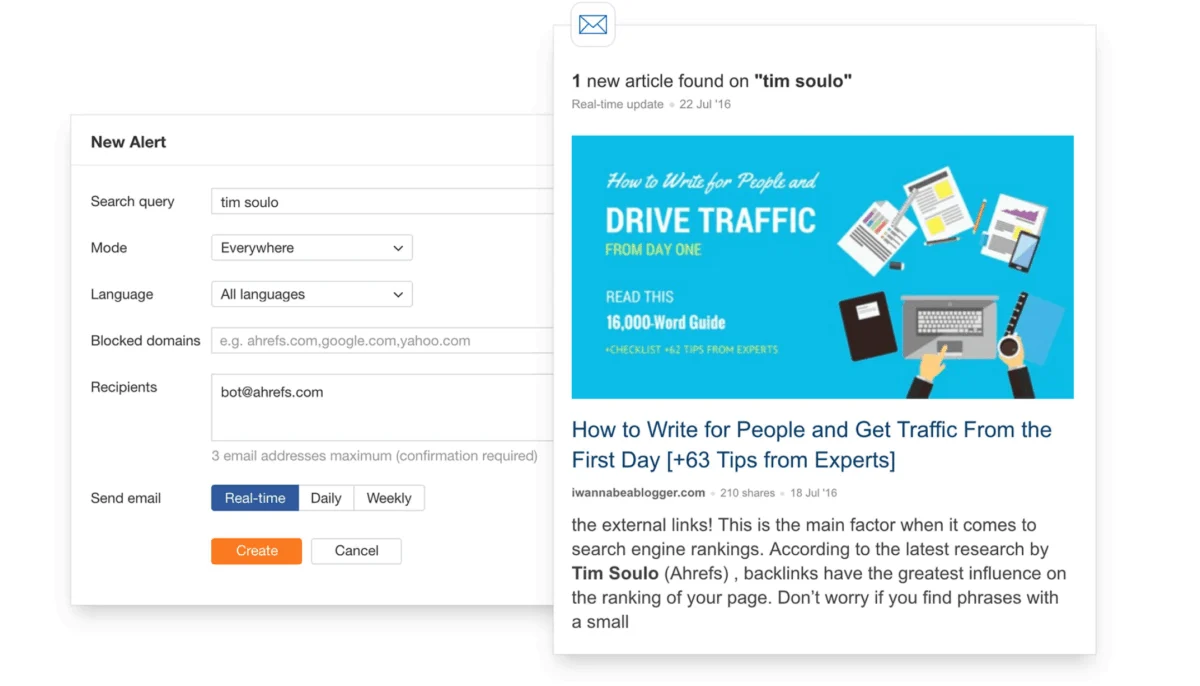
- Ahrefs & Google Alerts: Best for basic, cost-effective tracking of backlinks and specific keyword mentions, though they lack the deep listening capabilities required for full-scale reputation management.
Setting Up Your Monitoring Architecture: A Step-by-Step Approach
For teams looking to operationalize these tools, the setup must be intentional.
![What is brand monitoring and why is it important? [+ tools]](https://cdn.airops.com/rails/active_storage/blobs/proxy/eyJfcmFpbHMiOnsiZGF0YSI6OTIyMzE2LCJwdXIiOiJibG9iX2lkIn19--8b77fc6415d7f1eb4015130506f42a6ca3b5a457/https---www.cision.com-_1755199373.png)
Phase 1: Define the Digital Footprint
Start by creating a master list of keywords. This should include:
![What is brand monitoring and why is it important? [+ tools]](https://cdn.airops.com/rails/active_storage/blobs/proxy/eyJfcmFpbHMiOnsiZGF0YSI6OTIyMzE3LCJwdXIiOiJibG9iX2lkIn19--ed26f7c6853c0d2e3d57c3c5f614efd86755b95c/https---awario.com-_1755199400.png)
- Official brand name and product names.
- Common misspellings, abbreviations, and nicknames.
- Executive names (for high-profile leadership).
- Industry-specific buzzwords and competitor hashtags.
Phase 2: Create Contextual Filters
To avoid “noise,” use Boolean logic. For example, if your company name is a common noun, filter your queries to exclude unrelated industries. In platforms like Sprout Social, you can refine your search by adding terms like “software,” “management,” or “service” to ensure the data you receive is relevant.
![What is brand monitoring and why is it important? [+ tools]](https://media.sproutsocial.com/uploads/2026/06/YouScan-1024x591.png)
Phase 3: Crisis Thresholds
Don’t wait for a crisis to define what a crisis is. Set up “Crisis Monitoring” templates that trigger alerts when negative sentiment spikes alongside words like “failure,” “outage,” or “broken.” These should be routed to a dedicated Slack or email channel for immediate review.
![What is brand monitoring and why is it important? [+ tools]](https://media.sproutsocial.com/uploads/2024/08/Sprout-Social-query-builder.png)
Phase 4: Predict, Don’t Just React
Utilize the predictive tools within your platform. For instance, in a tool like NewsWhip, set up alerts for “Highest Velocity” stories. This identifies content that is gaining traction faster than typical baseline activity, allowing your team to jump into the conversation while it is still trending upward.
Implications for the Future of Brand Management
The shift toward proactive, AI-integrated brand monitoring marks the end of the “reactive PR” era. Organizations that continue to rely on manual monitoring will inevitably find themselves perpetually one step behind the market.
By leveraging predictive analytics, companies can move from a state of constant defense to a state of strategic influence. When you know exactly how your audience feels, what they are saying about your competition, and which news stories are about to go viral, you are no longer just monitoring your brand—you are actively shaping its future.
The ultimate competitive advantage in the digital age isn’t just about having the loudest voice; it’s about having the best ears. Those who invest in the right intelligence today will be the ones defining the market narrative tomorrow.











