Lina Hope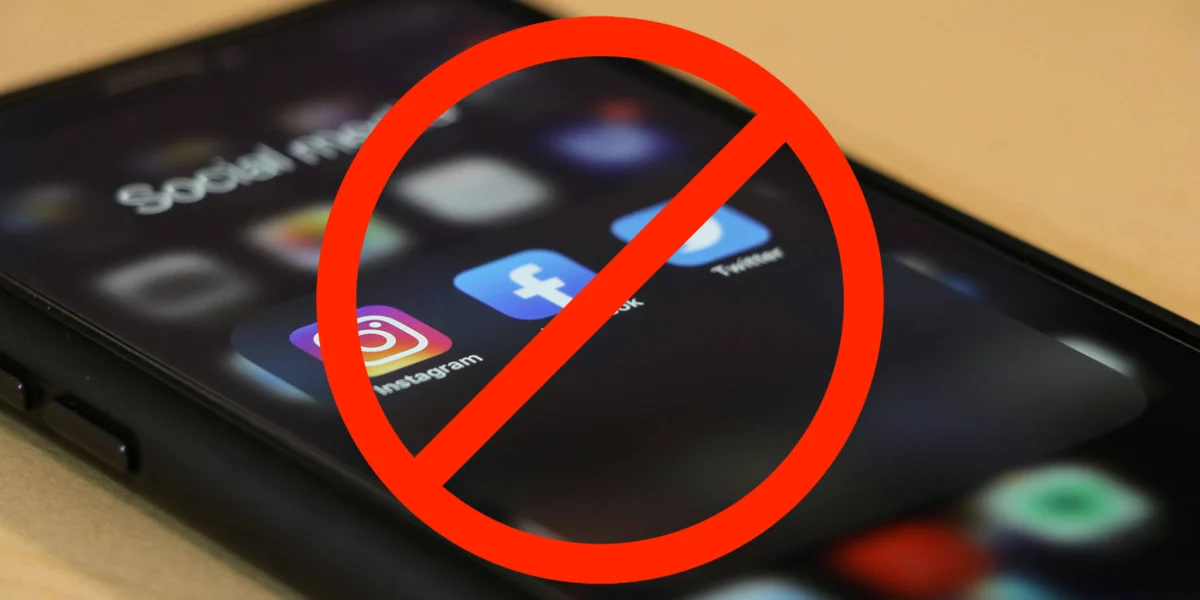
The global landscape of digital regulation is undergoing a seismic shift. As the correlation between pervasive social media consumption and the deterioration of adolescent mental health moves from academic theory to undeniable consensus, governments worldwide are moving beyond mere warnings. They are shifting toward prohibition. The United Kingdom has become the latest nation to announce a comprehensive plan to restrict social media access for children under 16, marking a significant escalation in the battle to protect the next generation from the unintended consequences of the digital age.
The Main Facts: Defining the UK’s New Framework
Following in the footsteps of pioneers like Australia, the British government has formally announced that a ban on social media use for those under 16 will be introduced early next year. This is not a vague policy recommendation; it is a targeted legislative effort designed to curb the influence of addictive algorithms and unchecked digital interaction.
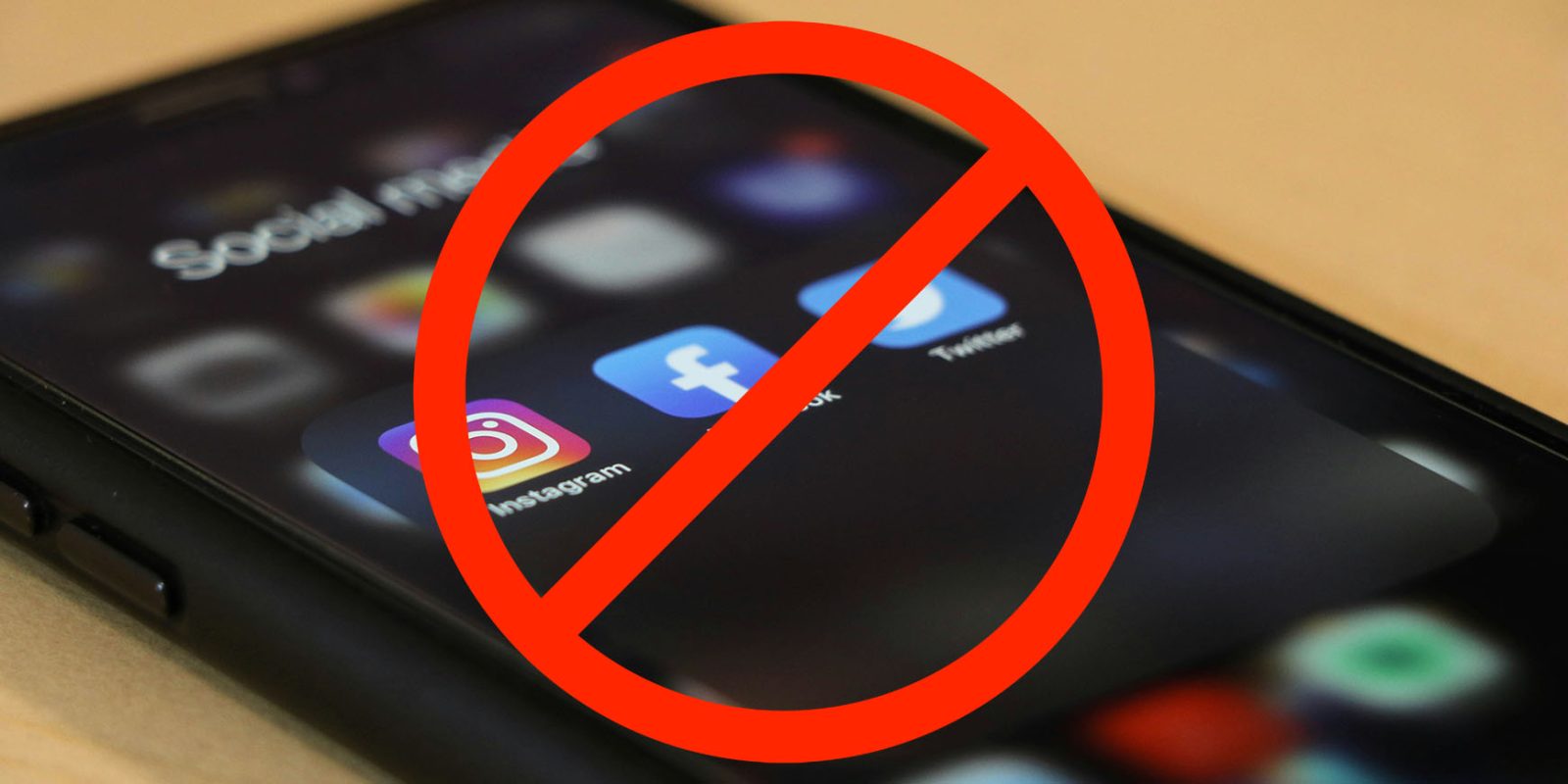
The scope of the ban is broad, targeting platforms whose primary function is social interaction and the dissemination of user-generated content. According to government briefings, the ban will encompass major pillars of the digital economy, including TikTok, Snapchat, Instagram, Facebook, YouTube, and X (formerly Twitter).
However, regulators have drawn a pragmatic line. The legislation is not intended to cripple digital communication entirely; services primarily focused on direct, private messaging—such as WhatsApp and Signal—will remain exempt. The core intent is to limit exposure to the "infinite scroll" and the algorithmic feedback loops that have been identified as primary drivers of adolescent anxiety, depression, and body dysmorphia. Beyond the baseline ban, the UK government is exploring additional guardrails, including the implementation of overnight digital curfews and the forced disruption of the "infinite scroll" feature for all users under 18.

A Chronology of Global Action
The push for legislative intervention did not emerge in a vacuum. It is the culmination of years of mounting public pressure and emerging scientific evidence.
- Pre-2024 (The Research Phase): For years, longitudinal studies struggled to establish a direct causal link between social media and mental health. However, as data from the post-pandemic era began to solidify, the academic community shifted its stance. By 2024, a major meta-analysis declared that the debate was effectively settled: social media was no longer seen as a "tiny correlate," but as a substantial, causal driver of mental health crises in youth.
- Late 2024 (The Australian Precedent): Australia became the first nation to take decisive action, passing landmark legislation to ban under-16s from social media platforms. This served as a catalyst for other democratic nations to revisit their own digital safety policies.
- 2025 (The European Momentum): France began advocating for an EU-wide ban, arguing that digital safety is a cross-border issue that individual nations cannot solve in isolation.
- 2026 (The UK Pivot): The British government officially confirmed its intent to codify similar restrictions, signaling that the "wild west" era of unregulated social media access for minors is coming to an end.
The Scientific Consensus: Supporting Data
The urgency behind these bans is rooted in the overwhelming weight of academic evidence. Experts have noted a "surprising convergence" among researchers who were once on opposite sides of the debate.
The mechanism of harm is multifaceted. Researchers point to the dopamine-driven design of these platforms, which utilizes variable reward schedules—much like slot machines—to keep users engaged for as long as possible. For the developing adolescent brain, which is already prone to impulse control challenges and social comparison, this design is catastrophic.
The 2024 meta-analysis highlighted that the evidence for harm is now "substantial." The data points to a direct correlation between excessive screen time and a rise in self-harm behaviors, suicidal ideation, and clinical anxiety. By removing the catalyst—the social media platform—policymakers believe they can create the necessary space for teenagers to engage with the real world, foster genuine human connection, and mitigate the pressure to maintain a curated online identity.
Official Responses and Stakeholder Perspectives
The reception to these bans has been mixed, reflecting a complex tension between personal liberty and the state’s duty of care.
Government Stance: The UK government has emphasized that this is a "protectionist measure." By targeting features such as livestreaming and the ability for strangers to contact children, the government aims to create a "safe-by-design" environment. They argue that if tech giants cannot or will not self-regulate, the state has a moral obligation to step in.
The Tech Industry: Predictably, the response from Silicon Valley and associated platforms has been one of caution. Tech advocates argue that such bans are technologically difficult to enforce and may drive teenagers toward "darker" corners of the web that are even less regulated and less safe. They advocate for better parental control tools rather than blanket bans.
Public Sentiment: Public opinion, however, tells a different story. In the United States, where similar legislation has been proposed but stalled, public support remains high. A reader survey conducted by 9to5Mac found that a staggering 70% of respondents believed children under 16 should "absolutely" be banned from social media, with an additional 17% supporting the move with slight reservations. This indicates that the general public is far more receptive to aggressive regulation than the tech lobby might suggest.

The Broader Implications: What Happens Next?
The implementation of these bans carries profound implications for the future of the internet.
1. The Fragmentation of the Web
As more countries enact localized bans, we are moving toward a fragmented "splinternet." Companies will be forced to develop region-specific versions of their apps, incorporating age-verification technologies that were previously considered intrusive. This will lead to a significant increase in the cost of doing business for tech companies, which may, in turn, be passed on to users.
2. The Rise of Age Verification
The practical implementation of these bans will necessitate robust age verification systems. This raises significant privacy concerns. How can platforms verify a user’s age without collecting vast amounts of sensitive, personally identifiable information? The tension between "protecting children" and "protecting user privacy" will be the next major battleground for civil liberties groups and legislators.
3. A Cultural Reset
Perhaps the most significant impact will be on youth culture. For a decade, social media has been the primary vehicle for social interaction among teens. A ban will force a return to physical, local, and direct communication. Whether this leads to a "mental health renaissance" or simply creates a clandestine digital underground remains to be seen.

4. The Global Domino Effect
The UK’s decision to move forward acts as a massive signal to other nations. When G7 nations adopt similar policies, it becomes increasingly difficult for the global tech industry to lobby against such regulations. We are likely to see a cascade of similar laws across Europe, Asia, and South America over the next 24 months.
Conclusion
The decision to restrict social media for minors is not a rejection of technology, but a recognition that technology has outpaced our ability to manage its impact on human development. The UK’s upcoming ban is a significant, if contentious, step in a larger societal reckoning.
As governments move to define the boundaries of the digital space, the focus must remain on the long-term well-being of the youth. While technical challenges regarding age verification and enforcement remain, the shift in narrative is clear: the era of unchecked access is ending, and the era of active, state-mandated digital protection is beginning. Whether these measures will succeed in curbing the mental health crisis remains the defining question for the next decade of public policy. However, one thing is certain—the global community is no longer willing to leave the digital health of the next generation entirely in the hands of the tech giants.

 Jia Lissa
 Asro
Asro