The Mighty Morphin Power Rangers franchise has long been defined by its high-energy action, colorful spandex, and the eternal struggle between good and evil. However, the latest creative run by writer Marguerite Bennett and artist Andrew Lee Griffith has shifted the narrative lens, trading in the carefree spirit of teen heroics for the complex, often messy reality of middle age. In the second issue of their current Mighty Morphin Power Rangers series, the creative team leans heavily into the "peaks and valleys of adulthood," offering a sophisticated look at a group of heroes who are just as likely to be struggling with personal identity as they are with intergalactic threats.
Main Facts: The New Status Quo
The debut issue established a premise that fundamentally altered the legacy of the Rangers: these are no longer teenagers with attitude. They are adults with responsibilities, careers, and the physical and mental rust that comes with years of being away from the fray.
The primary antagonist, Rita Rabiosa, serves as a dark reflection of this maturation. Claiming that the Rangers are responsible for the loss of her child, Rabiosa has launched a campaign of calculated vengeance designed to dismantle everything the Rangers hold dear. Unlike the more whimsical villains of the past, Rabiosa operates with a cold, systemic intent to "take everything" from the heroes, raising the stakes from city-wide destruction to the personal annihilation of the protagonists’ lives.
Chronology of the Conflict
The narrative trajectory of this second issue picks up immediately from the tension established in the premiere.

- The Reconstitution: The Rangers attempt to regroup, but the process is far from seamless. The issue highlights the discord among the team, specifically noting the absence of Tommy and the fact that Billy remains the only member who has maintained a consistent level of readiness for Ranger duties.
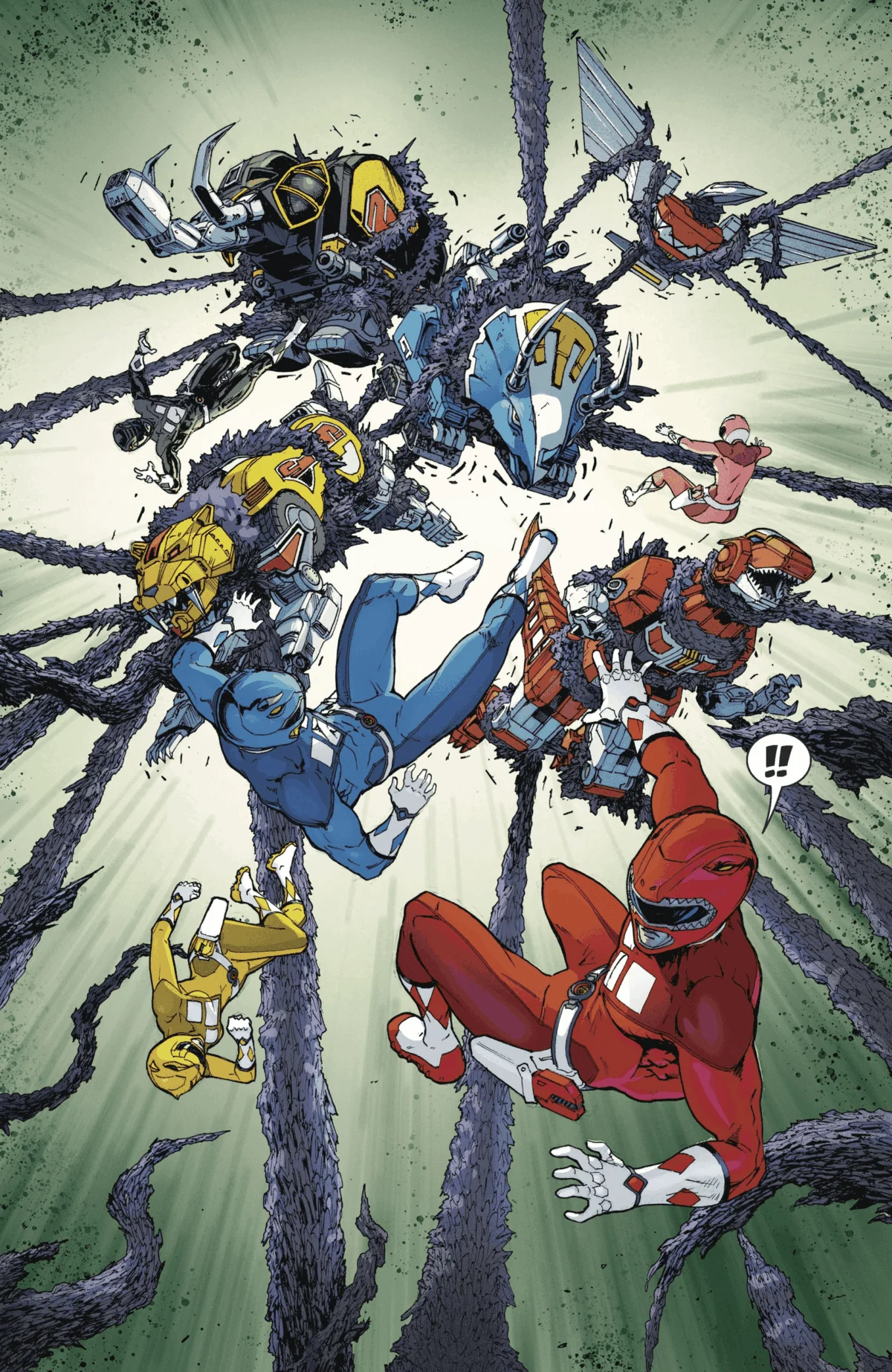
- The Confrontation: The central conflict escalates as Rabiosa unleashes techno-organic tendrils, forcing the team to call upon the Megazord. This sequence serves as a pivotal moment where the team must reconcile their tactical rust with the immediate necessity of defense.
- The Personal Fallout: Parallel to the kinetic battles is the quiet, internal crisis of the team. Conversations between Kimberly, Jason, and others reveal the underlying rot in their interpersonal dynamics. The team is not just fighting an external monster; they are fighting the fear that the passage of time has severed the bonds that once made them invincible.
- The Trini Arc: The issue culminates in a focused look at Trini, who is currently balancing the dangerous demands of political life, the pressures of parenthood, and the inherent danger of her Ranger legacy.
Supporting Data: Artistic and Narrative Craft
The success of this issue relies on the synergy between Bennett’s script and Griffith’s visual storytelling.
The Power of Character-Driven Conflict
Bennett’s writing shines in the quiet, character-focused beats. The most poignant line of the issue—delivered by Kimberly—serves as the thematic anchor of the story: "We haven’t been very good Rangers… because we’re afraid we’ve forgotten how to be friends." This admission transcends the genre tropes of Power Rangers, tapping into the universal anxieties of aging, where life paths diverge and the "glory days" feel increasingly unreachable.
Furthermore, the creative team has successfully integrated the characters’ professional lives into their heroics. Zack’s background in law and Billy’s technical proficiency are not just flavor text; they are active tools used in the fight against Rabiosa. This grounded approach makes the team feel more like a cohesive unit of specialists than mere avatars of color-coded heroism.
Visual Language and Design
Andrew Lee Griffith’s work on this issue is a masterclass in balance. He transitions effortlessly from the macro-scale destruction of Megazord combat to the micro-scale expressions of grief, anger, and nostalgia on the faces of the cast.
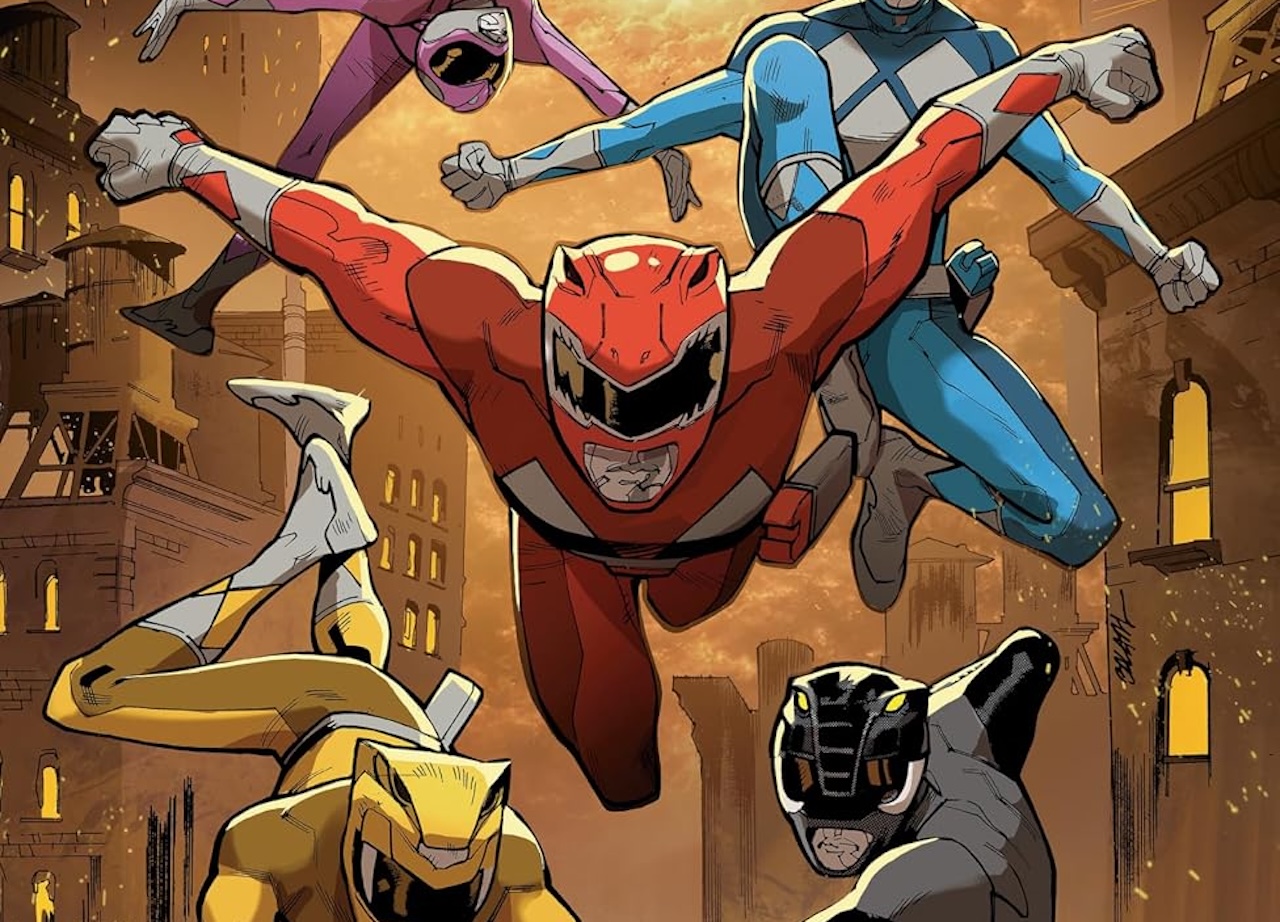
The color palette, curated by Joshua Jensen, is integral to the storytelling. The Rangers are identified through their iconic hues, while Rabiosa is defined by an oppressive, alien purple that signals her techno-organic corruption. Ed Dukeshire’s lettering further enhances this; by giving the Rangers’ dialogue a distinct color within the Zords and imbuing Rabiosa with a sinister, inhuman font, the reader is constantly reminded of the stark difference between the human heroes and the alien threat.
Official Perspectives and Thematic Intent
While official press statements from BOOM! Studios have been sparse, the thematic direction of the series speaks for itself. By choosing to age the characters, the editorial team is clearly signaling a shift toward a more "legacy-focused" narrative. This allows the franchise to retain its core audience—those who grew up with the 90s series—while providing a narrative that matures alongside them.
The decision to focus on Trini’s role as a mother and a politician is particularly noteworthy. It addresses a significant gap in the superhero genre: the realistic portrayal of parenting. By showing her struggle to protect her daughter, Minh, while also navigating the complexities of public office, Bennett is expanding the definition of what it means to be a "hero" in the Power Rangers universe.
Implications for the Franchise
The implications of this series are significant. By stripping away the "teenager" aspect of the original title, the creative team has opened up a new sandbox of storytelling possibilities.

A New Era of Character Development
The current arc suggests that the Mighty Morphin Power Rangers can survive as a long-form drama rather than just an action serial. If this series continues, it could set a template for how legacy properties should handle their aging casts. Rather than trying to force the characters into a permanent state of youth, the story embraces the scars, the regrets, and the shifting loyalties that come with adult life.
The "Rangerhood" Dilemma
The central question—can they remain friends after all this time?—is one that will likely drive the remainder of the series. If the team fails to reconcile, the structural integrity of the Rangers will be permanently compromised, regardless of how well they pilot their Zords. The narrative is essentially asking whether the "Power" comes from the morphers or from the collective soul of the team.
Critical Reception and Future Outlook
The response to the first two issues has been overwhelmingly positive, with many critics citing the emotional maturity of the writing as a breath of fresh air. The ability to handle the "peaks and valleys of adulthood" with such care makes this one of the most compelling chapters in the franchise’s history.
As we look toward future issues, the tension between the heroes’ past and their present will likely remain the primary engine of the story. Will Trini be able to protect her family from the fallout of her past? Can Jason and Tommy bridge the gap that has formed between them? And, perhaps most importantly, will the team rediscover the friendship that originally brought them together?

In conclusion, Mighty Morphin Power Rangers #2 is not merely a comic book about robots and monsters; it is a profound exploration of human connection. It reminds readers that while we may grow older and our lives may become more complicated, the connections we forge in our youth have a way of lingering, for better or for worse. It is a bold, ambitious direction for a franchise that could have easily rested on its laurels, and for fans both old and new, it is a testament to the enduring power of the Power Rangers.