

The intricate dance of power in Westeros has always been defined by bloodlines, succession, and the brutal consequences of political missteps. However, for the creators of HBO’s House of the Dragon, the most dangerous threats haven’t been the dragons of the Greens or the Blacks, but the vocal dissatisfaction of the series’ architect, George R.R. Martin. As the show navigates its third season, a subtle, potentially game-changing detail in the latest episode suggests that showrunner Ryan Condal may finally be attempting to rectify the most significant narrative omission of the series thus far: the absence of Maelor Targaryen.
The Genesis of the Conflict: The Blood and Cheese Controversy
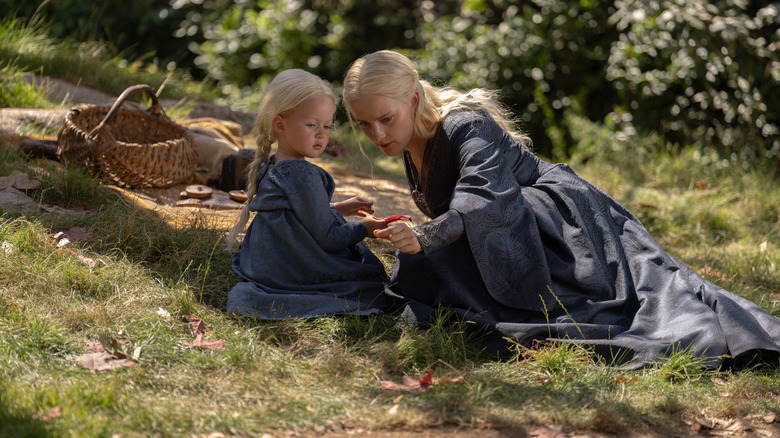
To understand the weight of this potential pivot, one must revisit the critical flashpoint that fractured the relationship between the novelist and the show’s production team. During the second season, the infamous "Blood and Cheese" sequence—a pivotal moment in the source material Fire & Blood—was adapted for television. In the book, the assassins infiltrate the Red Keep and confront Queen Helaena Targaryen, forcing her to choose which of her sons will die. The sequence is defined by its absolute cruelty, as Helaena is forced to watch as her son Maelor is not only present but becomes a target for the assassins.
In the television adaptation, the sequence was significantly streamlined. Maelor was entirely excised from the narrative, leaving Helaena with only one son, Jaehaerys, to lose. At the time, the creative team cited the need to "simplify" the narrative for a television audience. George R.R. Martin, however, was publicly critical of the decision. In a candid post that sent shockwaves through the fandom, Martin argued that the omission of Maelor was not merely a matter of cutting screen time; it was a structural error that would cause a "butterfly effect," undermining the gravity of the civil war and robbing the tragedy of its necessary weight.
A Subtle Tease: The Potential Arrival of Maelor
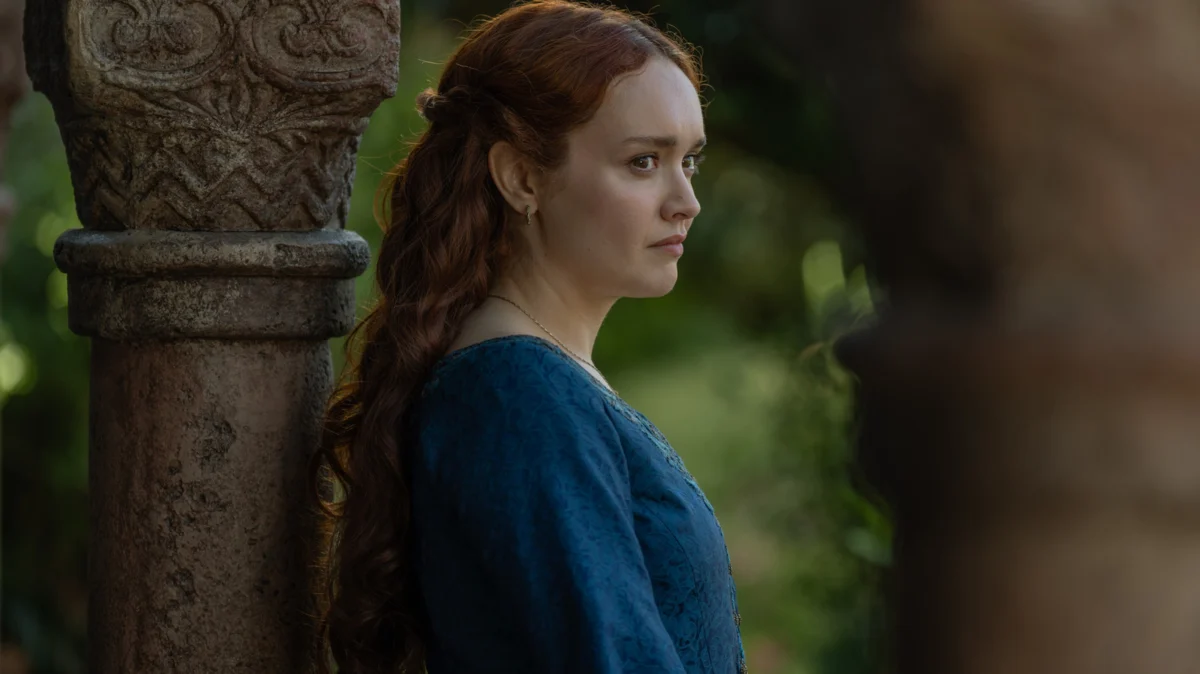
The latest episode of House of the Dragon Season 3, specifically the intimate and uneasy scenes between Alicent Hightower and her daughter Helaena, has provided the first concrete hint that the writers are scrambling to fix this "missing child" problem. Observant viewers noted a distinct physical shift in Helaena, suggesting that she is in the early stages of pregnancy.
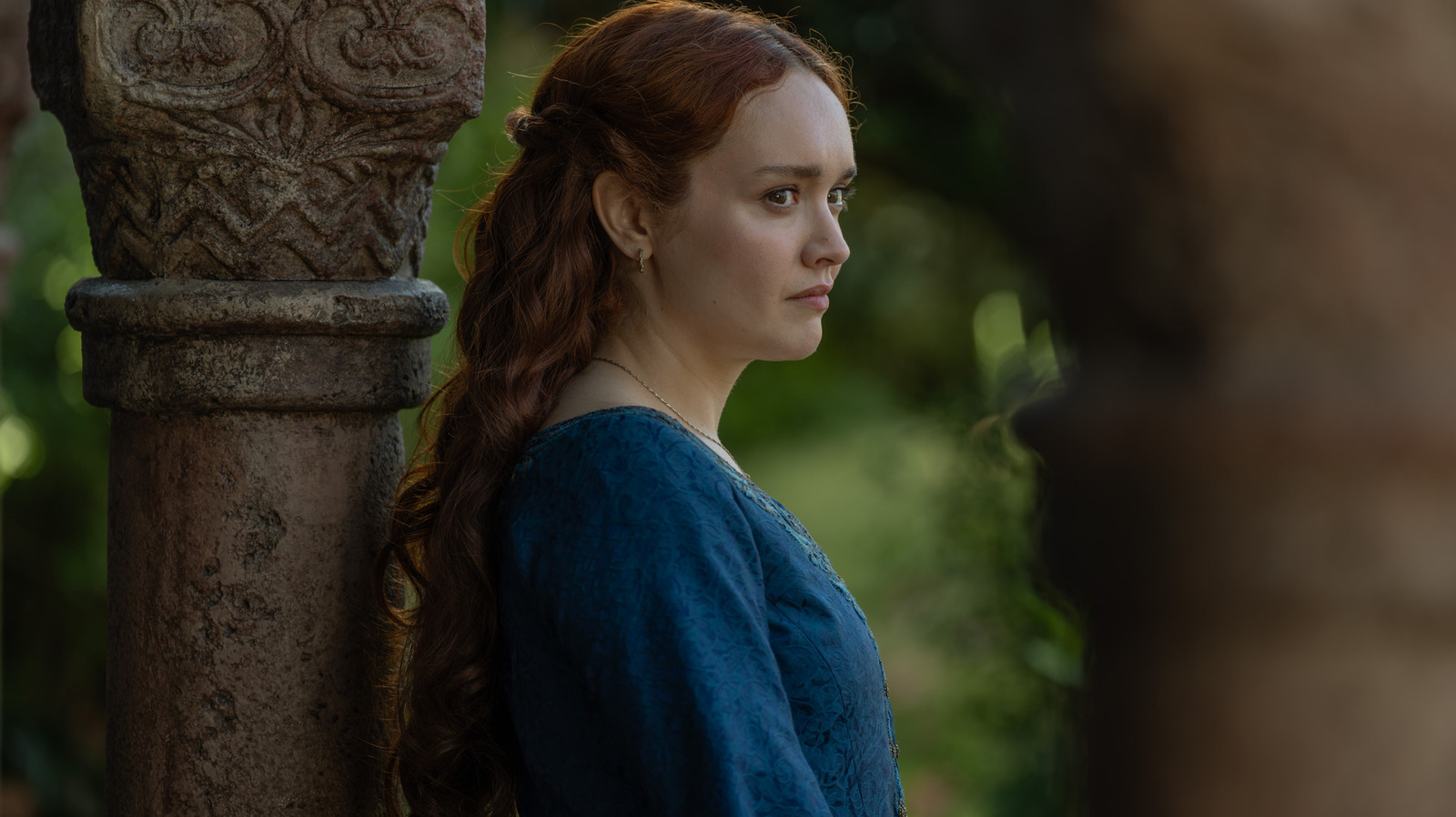
Given the canonical trajectory of the Targaryen family tree, the most logical and narratively resonant conclusion is that Helaena is carrying Maelor. While this timeline deviates from the historical record provided in Fire & Blood, it represents a clear effort by the showrunners to integrate the character back into the fold. The question remains: is this a calculated "course correction," or is it a case of "too little, too late"?
Chronology of a Narrative Shift
The timeline of House of the Dragon has always been a point of contention. The series has leaned heavily into time jumps to facilitate the aging of its central cast, yet the omission of Maelor initially seemed permanent.
- The Pre-Season 2 Setup: Early production discussions focused on condensing the Targaryen family, leading to the decision to remove Maelor to avoid the logistical difficulty of managing child actors during the brutal "Blood and Cheese" sequence.
- The Season 2 Backlash: Following the airing of the episode, Martin’s public critique highlighted the danger of losing the "butterfly effect." The fans echoed this sentiment, arguing that the lack of a second son diminished Helaena’s despair and the political stakes of the Greens’ succession.
- The Season 3 Course Correction: By introducing a pregnancy in the fourth episode of Season 3, the show signals a willingness to address the gap. If Helaena gives birth to Maelor, the show effectively acknowledges that the narrative needs a second male heir to raise the stakes for the remaining conflict.
Supporting Data: Why Maelor Matters
Why does one toddler matter so much in a story of fire and blood? In the context of the Dance of the Dragons, Maelor represents more than just a child; he represents the precariousness of the Hightower claim.
According to the historical text Fire & Blood, Maelor’s existence serves as a catalyst for several key moments in the war. His presence turns Helaena from a mother mourning one child into a mother terrified for the safety of her last remaining son. His eventual flight from King’s Landing and his tragic, gruesome fate at the hands of a mob provide a sobering, visceral look at the impact of the war on the innocent. Without Maelor, the show risks turning the "Dance" into a purely political struggle between adults, stripping away the visceral horror that makes George R.R. Martin’s work so distinct.
Official Responses and Creative Tensions
The tension between the showrunners and the author has been an open secret in Hollywood. Ryan Condal has consistently maintained that adapting a historical chronicle like Fire & Blood requires difficult choices. In previous interviews, Condal noted that "the show is a living document," implying that television constraints—such as budget, casting availability, and pacing—must take precedence over the rigid chronology of the books.
Conversely, Martin’s role as an executive producer and co-creator has been characterized by his desire to maintain the "truth" of the lore. His blog posts serve as a rare, unfiltered look at the creative friction that exists behind the scenes of major IP adaptations. While neither HBO nor the production team has released an official statement confirming the pregnancy as a direct response to Martin’s critique, the timing of the narrative choice is too precise to be purely coincidental.
The Implications: Where Do We Go From Here?
If the series does introduce Maelor, it faces a significant hurdle: the timeline. Having a newborn child during a full-scale war is a vastly different logistical and narrative challenge than the presence of a toddler.
The Time Jump Conundrum
If the show follows the book’s path, Maelor needs to be old enough to be a target, but young enough to be vulnerable. This suggests that a further time jump may be on the horizon. If the show opts not to jump forward, it will be forced to either drastically alter the nature of Maelor’s fate or find a way to accelerate his growth, both of which carry risks.
The Tone of the Finale
The inclusion of Maelor suggests that the show is leaning into the "darkest season" promise. If the writers are re-introducing a child who is destined for a brutal end, they are signaling a commitment to the tragic, nihilistic tone that defines Martin’s writing. It suggests that despite the logistical concerns of the earlier seasons, the creative team is willing to lean into the discomfort of the source material.
Conclusion: A Delicate Balance
The addition of a new heir to the Targaryen line is a bold, if belated, attempt to reconcile the show’s vision with the author’s legacy. Whether or not this "fix" satisfies George R.R. Martin or the disgruntled fanbase remains to be seen. What is certain, however, is that House of the Dragon is currently engaged in a high-stakes balancing act. It is trying to satisfy the demands of a massive, modern television audience while simultaneously respecting the dense, often uncompromising foundation laid by its creator.
As the smoke clears on the latest episode, the fans are left waiting. If Maelor does arrive, he will be a symbol of the show’s potential for redemption—a reminder that in the game of thrones, it is often the smallest pieces on the board that cause the most significant shifts in the balance of power. For now, we wait to see if this new life brings the salvation the Greens so desperately need, or if it simply adds another tragic chapter to the long, bloody history of the Targaryen dynasty.










