

For many, life is divided into two distinct eras: the time before they introduced a bidet into their home, and the time since. This is not merely a matter of convenience; for millions of people, the transition from traditional toilet paper usage to the precision and hygiene of a bidet represents an existential shift in daily comfort. Once you experience the efficacy of a bidet toilet seat, the absence of one—during business trips, hotel stays, or visits to family—becomes a source of genuine frustration. When you reach the point of installing a high-end bidet in your in-laws’ guest bathroom, you know you have officially crossed the threshold into a new standard of living.
While bidets have been a cornerstone of European hygiene since the 18th century and a ubiquitous standard in Japanese homes for decades, the fixture remains a relatively new, albeit rapidly growing, phenomenon in the United States. As more Americans move past the "gross" reality of simply smearing with wadded paper, the bidet has evolved from a niche plumbing oddity to a sophisticated, tech-forward bathroom essential.

A Brief Chronology of the Bidet
The word "bidet" is derived from the Old French word for a small horse, referring to the way one straddled the original basin-style fixtures that appeared in 18th-century France. While those early iterations required filling a basin and physically moving from the toilet to the bidet, the 20th century revolutionized the concept.
In 1980, the Japanese company Toto launched the "Washlet," a breakthrough that integrated the bidet function directly into the toilet seat. This invention effectively eliminated the need for a separate fixture, saving space and making the technology accessible to the masses. By the early 2000s, Japan had reached a saturation point where these electronic seats were standard in almost every home.

In the United States, the trajectory was slower, hindered by plumbing standards and a lack of electrical outlets near toilets. However, the 2020 global pandemic served as an unexpected catalyst. The "Great Toilet Paper Shortage" forced millions of Americans to reconsider their dependency on paper products, leading to a massive surge in sales for bidet attachments and electric seats. Today, we are in the "Buttmaxxing" era, where advanced features like heated seats, precision oscillation, and electrolyzed water sterilization are standardizing the high-end market.
Supporting Data and Market Analysis
The modern bidet market is no longer just about basic water spray. Current consumer data shows a distinct preference for "smart" features.

The Top-Tier Contenders
- Best Overall: Brondell Swash 1400
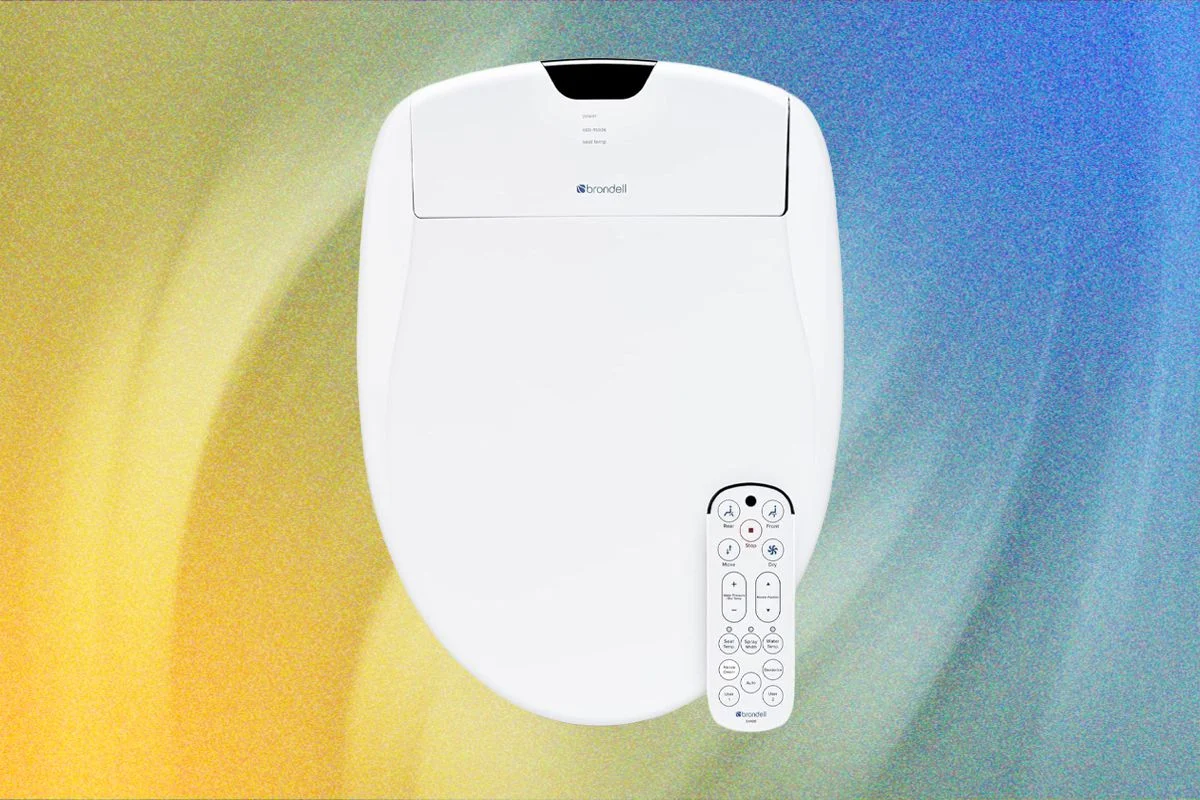
For the average user, the Brondell Swash 1400 stands as the gold standard. It balances price, durability, and a suite of essential features—heated seat, adjustable nozzles, and an effective deodorizer. Its remote is intuitive, and it offers memory settings for two users, making it the most practical choice for most households. - The High-End Luxury: Toto S7A
As the successor to the legendary S550e, the Toto S7A is the flagship of the industry. Its standout feature is the Ewater+ system, which uses electrolyzed water to sanitize the bowl, significantly reducing the need for manual scrubbing. While the drying fan is slightly less powerful than its predecessor, its sleek design and reliability make it a premium investment. - For the Pressure Enthusiast: Bio Bidet BB-2000
For those who prioritize raw power, the Bio Bidet BB-2000 is the clear winner. Utilizing a "vortex wash" technology, it provides a powerful, helical stream of water. It is a favorite among those seeking a deeper clean and has been noted by some users for its effectiveness in aiding with constipation. - The Integrated Masterpiece: Toto Aurora Washlet+ S7A
If money is no object, the integrated system—where the toilet and bidet are designed as a single, cohesive unit—is the pinnacle of bathroom technology. The Aurora, featuring the new "Integravity" system, uses dual-phase cleaning to keep the bowl sparkling while using only one gallon of water per flush, well below the EPA standard.
Technical Implications: Installation and Infrastructure
The primary barrier to entry for many Americans remains the installation process. Unlike in Japan, where bathrooms are often designed with dedicated outlets near the toilet, many American homes lack the necessary electrical infrastructure.
The Power Requirement
Most electric bidet seats require a GFCI-protected outlet within a few feet of the toilet bowl. For those living in older homes, this often necessitates the help of an electrician. However, for those who are "DIY-inclined," the plumbing side of the project is often simpler than expected. Most modern bidet seats connect via a simple T-valve to the existing water line.

Space Constraints
In older houses, where toilets may be positioned just inches from the wall, the "rough-in" distance becomes a critical factor. For those installing an elongated seat in a space designed for a round one, the tank may end up flush against the wall. In these instances, specialized parts—such as the THU9090R extension hose—are not just recommended; they are essential to prevent leaks and ensure a proper fit.
Expert Evaluations and "Avoid" List
Not every bidet on the market lives up to the marketing hype.

- The Underwhelmed: The Duravit SensoWash was found to be lacking in thermal management, with a noticeable lag in producing warm water, leading to an initial cold-water shock. Furthermore, the air-dryer design proved to be counterproductive, wafting odors upward rather than away.
- The Budget Pitfalls: While the Brondell Swash BL97 is an entry-level option, testers reported that the seat is disproportionately small and the water pressure lacks the consistency of higher-tier models. Similarly, the Brondell Thinline T44 suffers from fragile hardware that may not withstand the rigors of long-term daily use.
The Future of Bathroom Hygiene
The implications of the bidet revolution go beyond personal comfort; they represent a significant shift toward sustainability. The average American uses roughly 100 rolls of toilet paper per year. By transitioning to a bidet, a household can reduce its paper consumption by up to 75%, significantly lowering its environmental footprint.
Furthermore, the integration of technology—such as UV light sanitization and auto-open lids—addresses the "phobia" many users have regarding contact with public or shared toilet surfaces. As the technology becomes more affordable and reliable, the bidet is rapidly shedding its status as an "extra" and becoming a fundamental fixture in the modern home.

Final Advice for the Prospective Buyer
- Measure Twice, Buy Once: Always determine if your bowl is round or elongated.
- Verify Electrical Access: Check your bathroom for a GFCI outlet before purchasing an electric model.
- Consider the "Total" Cost: Remember that a higher-end, integrated toilet like the Toto Aurora may require professional plumbing help, but the long-term maintenance benefits—like self-cleaning bowls—often pay for themselves.
- Don’t Fear the DIY: For most standard installations, a simple adjustable wrench and 15 minutes of patience are all you need to change your bathroom experience forever.
The bidet revolution is here to stay. Whether you opt for a simple, non-electric attachment or a high-tech, integrated system, the transition is one that most users find impossible to reverse. Once you have tasted the efficiency of a precision water stream, the traditional roll of paper looks exactly like what it is: an outdated, inefficient relic of the past.











