

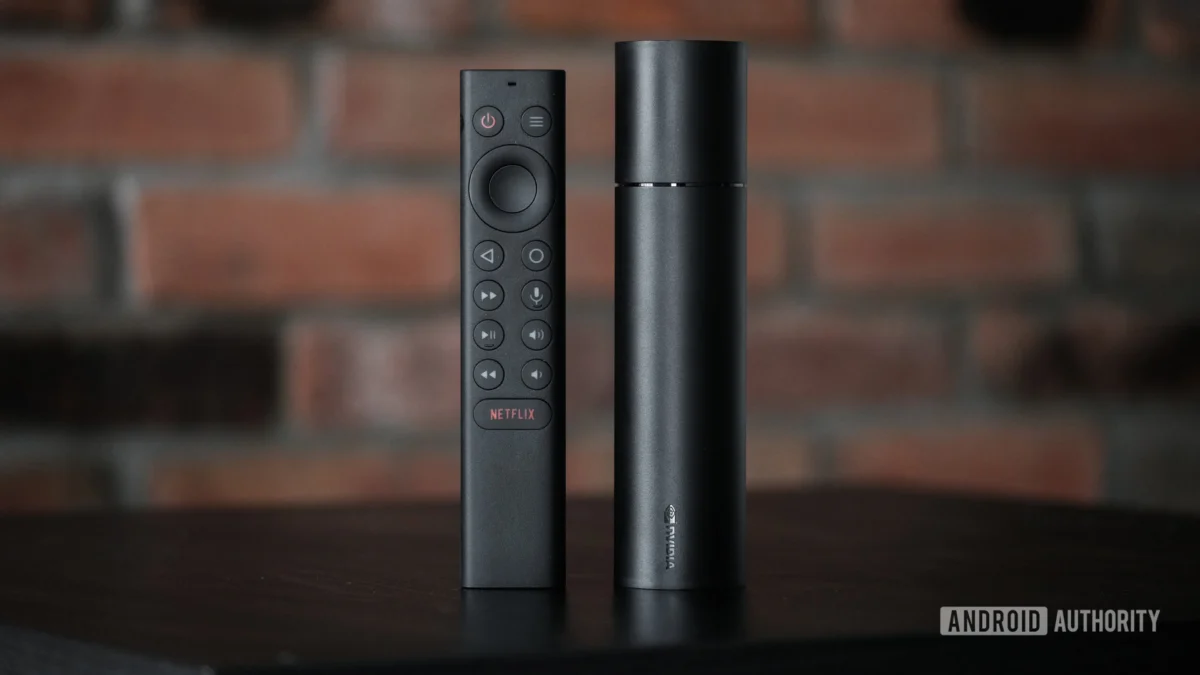
For over a decade, the NVIDIA Shield TV has occupied a unique, almost mythical space in the home entertainment ecosystem. While most Android TV boxes are discarded within two years due to sluggish software updates or lackluster hardware, the Shield TV series—launched in 2015 and refreshed in 2019—has remained the gold standard for enthusiasts. However, recent indicators suggest that the iconic, tube-shaped base model may have reached the end of its long and illustrious road.
As major retailers report prolonged stock shortages and supply chain analysts point to shifting market priorities, the tech community is beginning to accept that the $149 entry-level Shield TV may have been quietly discontinued, marking the beginning of a potential transition for NVIDIA’s consumer hardware division.
The Disappearing Act: Main Facts and Market Reality
The speculation surrounding the discontinuation of the base Shield TV stems from a persistent, months-long void in the retail landscape. Since early April, major electronics retailers—including Amazon, Best Buy, and Newegg—have struggled to keep the device in stock. In many instances, the product pages have transitioned from "out of stock" to entirely unavailable.
The most telling indicator comes from B&H Photo, a major electronics distributor, which has explicitly labeled the device as "discontinued." This industry designation is rarely applied without clear communication from the manufacturer, suggesting that production lines for the cylindrical streaming device have either been halted or permanently decommissioned.
This development leaves the higher-end NVIDIA Shield TV Pro as the sole survivor in the current lineup. While the Pro model has historically been the enthusiast favorite, the base model’s disappearance represents a significant shift for the entry-level segment of NVIDIA’s living room strategy. Further fueling these rumors is the unusual discounting of the official NVIDIA Shield TV Remote. Known for maintaining a steady price point for over six years, the sudden, aggressive price drops seen on Amazon strongly mirror the behavior of companies attempting to clear out remaining peripheral inventory before a product line is officially retired.
A Chronology of Excellence: The Shield Legacy
To understand the weight of this potential discontinuation, one must look at the timeline of the Shield TV’s dominance.
- 2015: NVIDIA disrupts the streaming market with the first-generation Shield TV. Powered by the Tegra X1 processor, it immediately sets a benchmark for performance, offering 4K gaming and streaming capabilities that competitors wouldn’t match for years.
- 2017: NVIDIA releases a refreshed version of the Shield TV, refining the form factor while maintaining the core hardware that made the original a success.
- 2019: The most significant pivot occurs. NVIDIA launches two distinct models: the "Tube" (the base Shield TV) and the "Pro." The Tube was designed for the average consumer, offering a compact, unobtrusive design at a $149 price point, while the Pro catered to power users with extra RAM, USB ports, and a robust media server setup.
- 2020–2023: During this period, the Shield TV cements its reputation for longevity. NVIDIA’s commitment to frequent firmware updates, even for older devices, builds immense brand loyalty, making the Shield the only Android-based streamer that feels as fast in 2023 as it did in 2019.
- 2024–2025: As AI-centric hardware dominates NVIDIA’s focus, support for the Shield remains, but updates become less frequent. The current inventory crisis emerges, signaling that the company’s focus has shifted away from consumer-grade home theater hardware.
Supporting Data: Why Now?
The tech industry is currently navigating a volatile period for semiconductor components. Specifically, the costs of DRAM and NAND flash memory—the essential building blocks for streaming devices—have seen a marked increase. This surge is primarily driven by the insatiable demand for high-end memory in the AI server sector.
NVIDIA, a company now defined by its position at the forefront of the artificial intelligence revolution, is reallocating its resources to meet the massive demand for its H100 and Blackwell GPU architectures. In this context, maintaining a production line for a six-year-old streaming device—which utilizes older, less efficient, and potentially more expensive-to-source components—may no longer be a financial priority.
Furthermore, the "Tube" model’s internal architecture, while innovative at the time, is now dated. In an era where streaming platforms demand more processing power for AV1 codec support and high-bitrate HDR, the base Shield TV has become a legacy device. Keeping it in production would require a hardware refresh, and given NVIDIA’s current roadmap, it appears the company has opted for discontinuation over redesign.
The Voice of the Manufacturer: Official Responses
Despite the mounting evidence, NVIDIA remains characteristically tight-lipped. Earlier this year, Senior VP of Hardware Engineering Andrew Bell provided a statement that offered some comfort to the community, claiming the company had "no plans to stop producing or updating" the Shield TV in the near future.
However, "no plans to stop" can often be interpreted as "no immediate date for sunsetting." The reality of supply chain management is that products are often phased out silently to avoid the market shock associated with an official "end of life" announcement. NVIDIA has yet to release a follow-up statement clarifying whether the current unavailability of the base model is a temporary supply chain snag or a permanent removal from their catalog. Industry analysts suggest that the company is likely waiting until all existing inventory is cleared through third-party retailers before making a definitive public comment.
Implications for the Consumer and the Market
If the base Shield TV is indeed gone, what does this mean for the future of the living room?
1. The Death of the Mid-Range Premium Box
The departure of the base Shield TV leaves a vacuum in the $150–$180 price segment. While there are plenty of cheap streaming sticks available from competitors, there are very few devices that offer the "Shield experience"—a premium, lag-free UI coupled with high-end upscaling and consistent software support. Consumers looking for that experience will now be forced to purchase the more expensive Pro model, effectively raising the cost of entry for the NVIDIA ecosystem.
2. The Rise of the "Pro" Enthusiast
The Shield TV Pro has always been the favorite among power users for a reason: it offers 3GB of RAM compared to the base model’s 2GB, includes two USB 3.0 ports for external storage or peripherals, and supports a 64-bit Android environment. By streamlining the product line to only the Pro, NVIDIA may be positioning the Shield not as a mass-market streamer, but as a specialized tool for home theater enthusiasts and media server power-users (such as Plex users).
3. A Shift in Strategic Focus
Perhaps the most important implication is the shift in NVIDIA’s identity. Ten years ago, NVIDIA was a consumer hardware company looking to build a presence in the living room. Today, it is an AI infrastructure giant. The potential retirement of the base Shield TV is a symbolic reminder that the company’s priorities have shifted from "living room entertainment" to "datacenter intelligence."
Conclusion: Is it Time to Upgrade?
If you currently own a base Shield TV, there is no immediate reason to panic. The device remains functional, and its software support, while slowing down, is still superior to most of the modern competition. However, if you were planning to purchase a new unit, the window of opportunity is closing.
The disappearance of the base Shield TV serves as a poignant reminder that even the most well-supported tech products eventually reach their limit. Whether this is due to the rising costs of memory, the strategic pivot of the manufacturer, or simply the natural evolution of hardware, the legacy of the Shield TV remains intact. For now, the Pro model stands as the lone sentinel of the Shield line, continuing a tradition of excellence that has defined the brand for the better part of a decade.
We will continue to monitor the situation and reach out to NVIDIA for further clarification. Until then, the silence from the manufacturer suggests that if you want a piece of home theater history, you should act fast—before the remaining stock vanishes entirely.











