

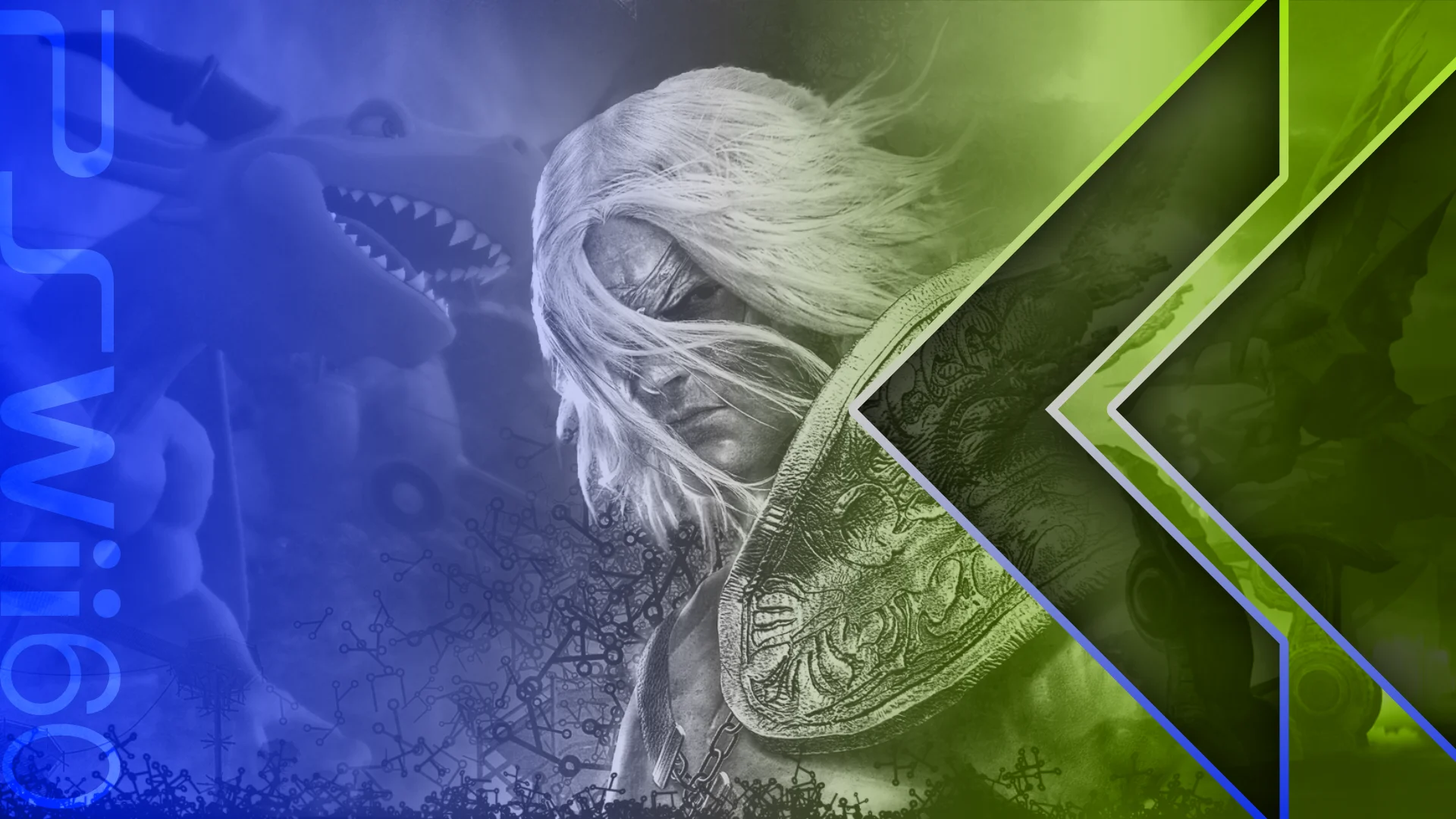
The seventh generation of home consoles—comprising the PlayStation 3, Xbox 360, and Nintendo Wii—stands as one of the most transformative eras in the history of interactive entertainment. It was a period defined by the rapid transition to high-definition graphical fidelity, the normalization of robust online multiplayer ecosystems, and a technological leap that allowed developers to realize sprawling, cinematic worlds that were previously impossible to render.
To explore the enduring legacy of this pivotal era, the latest episode of Retro Encounter (Episode 487) gathers a panel of experts to dissect the RPG landscape of the mid-2000s to early 2010s. By compiling a curated list of ten definitive titles, the panel offers a critical retrospective on how these systems shaped the genre, challenging listeners to reconsider titles that defined a decade of gaming.
Main Facts: The Console Wars and the RPG Renaissance
The seventh generation was characterized by a distinct "three-way" struggle for market dominance, each offering a unique value proposition for RPG enthusiasts. Microsoft’s Xbox 360 pioneered the digital landscape with its early adoption of high-definition gaming and the refinement of Xbox Live. Sony’s PlayStation 3, despite a rocky initial launch, eventually became a powerhouse for narrative-driven exclusives. Meanwhile, the Nintendo Wii subverted expectations by prioritizing motion-controlled innovation and a family-friendly aesthetic, eventually housing some of the most ambitious JRPGs of the era.
In the latest Retro Encounter episode, panelists Michael Sollosi, Aleks Franiczek, Ben Love, and Matt Wardell take a deep dive into this era. Their objective was not merely to list the best-selling games, but to identify the titles that best represent the experimental spirit of the time. The conversation touches upon divisive entries like Final Fantasy XIII, the niche appeal of cult classics like Folklore, and the heavy influence of Western RPG juggernauts such as BioWare’s Mass Effect and Dragon Age series.
Chronology: The Evolution of Seventh-Gen RPGs
To understand the impact of these games, one must look at the timeline of the seventh generation. The period began in earnest with the launch of the Xbox 360 in 2005, followed by the PlayStation 3 and Wii in 2006.
The Early Adopters (2005–2007)
The early years were defined by the struggle to adapt to HD development. Early titles often struggled with performance, yet this was also a time of great experimentation. Titles like Blue Dragon (Xbox 360) attempted to bridge the gap between traditional Japanese design sensibilities and Western hardware capabilities.
The Peak of Cinematic Narrative (2008–2010)
As developers mastered the hardware, the genre saw a shift toward "cinematic" RPGs. BioWare emerged as the undisputed king of this era, delivering branching narratives and high-fidelity dialogue systems. This was the era where choice-based gameplay became the gold standard for Western RPGs.
The Twilight and Innovation (2011–2013)
By the end of the generation, developers were pushing the limits of the hardware. The Wii, long criticized for its lack of graphical power, saw the release of Xenoblade Chronicles, a technical marvel that proved the console could host massive, open-world experiences that rivaled its competitors in terms of scope and depth.
Supporting Data: Why These Titles Matter
The panel’s selection of ten games serves as a microcosm of the industry’s shift toward modern design. Several key titles stand out for their contributions:
- Final Fantasy XIII: Perhaps the most debated title of the era. Retro Encounter dives into the design choices of the game, examining whether its linear structure was a necessary evolution for the series or a departure from the open-world exploration fans craved.
- Folklore: An often-overlooked gem, Folklore highlights the PS3’s early attempts to utilize the Sixaxis motion controller. Its unique art style and creature-collection mechanics remain a point of discussion for those looking at the "hidden gems" of the era.
- BioWare’s Contributions: The impact of Mass Effect and Dragon Age cannot be overstated. These games defined the "choice-and-consequence" narrative structure that dominates modern RPG design, from The Witcher to Cyberpunk 2077.
- Xenoblade Chronicles: A masterclass in world-building. The game’s scale served as a "swan song" for the Wii, demonstrating that artistic direction and scale could transcend raw polygon counts.
Official Perspectives and Panel Commentary
The Retro Encounter panel is comprised of veteran voices who approach these titles with both nostalgia and a modern critical lens. The conversation highlights the friction between the industry’s desire to modernize and the audience’s attachment to traditional JRPG tropes.
One of the most compelling aspects of the discussion is the exploration of how "the weak point" of the era—often cited as the growing pains of HD development—actually led to some of the most memorable game design. The panel argues that the technical limitations forced developers to be more creative with their artistic direction, resulting in titles that have aged far better than many "photorealistic" games released later in the cycle.
Furthermore, the podcast explores the "console tribalism" of the time. While today’s gamers are more platform-agnostic, the seventh generation was defined by distinct silos. The panel reflects on how this fragmentation influenced the RPGs themselves, as developers often tailored their experiences specifically to the strengths of the console (e.g., the Wii’s motion controls vs. the 360’s achievement system).
Implications: The Legacy of the 360/PS3/Wii Era
What does this era mean for the current gaming landscape? The implications are profound. The seventh generation laid the groundwork for the "Games as a Service" model, the rise of digital storefronts, and the integration of social features into RPGs.
The Standardization of Design
The RPGs of this era established the "quest log" culture, the focus on cinematic cutscenes, and the shift toward action-oriented combat. While some of these changes were controversial at the time, they are now the foundational pillars of the genre.
The Preservation Crisis
The Retro Encounter podcast also touches upon a vital issue: the preservation of these titles. With digital stores constantly evolving and hardware aging, the conversation serves as a reminder of the importance of backward compatibility and remasters. The panelists emphasize that many of these titles are still worth playing today, provided players have access to the hardware or the increasingly common modern ports.
The Human Element
Ultimately, the episode serves as a testament to the fact that RPGs are more than just mechanics and pixels; they are about the emotional connection players forge with these worlds. Whether it was the epic scale of Xenoblade or the intimate, character-driven moments in Mass Effect, these games helped cement the RPG as the premier genre for deep, immersive storytelling.
Conclusion
As the gaming industry continues to evolve toward higher resolutions and faster frame rates, it is essential to look back at the generation that moved the goalposts. The Xbox 360, PlayStation 3, and Wii may no longer be the center of the gaming world, but their influence is baked into the DNA of every major RPG released today.
For those interested in a deep dive into these classics, the full discussion is available via Retro Encounter on all major podcast platforms, including Overcast, Pocket Casts, and Spotify. By revisiting these ten pivotal titles, listeners can gain a better understanding of how we arrived at the modern RPG landscape and why the seventh generation remains a high-water mark for the industry.
To participate in the ongoing conversation, listeners are encouraged to reach out to the RPGFan team via email at [email protected], where they can share their own memories and personal top-ten lists from this legendary era of gaming.











No comments yet. Be the first to join the conversation!