For nearly a decade, Stranger Things was not merely a television show; it was the crown jewel of the streaming era. From its nostalgic 1980s aesthetic to its breakout cast of child stars, the Duffer Brothers’ creation defined the cultural zeitgeist, consistently landing on Netflix’s “Top 10 Shows of All Time” list. However, as the series concluded with its highly anticipated fifth season, the magic that once seemed inexhaustible appears to have evaporated.
In a stunning turn of events, the final season of Stranger Things has been effectively iced out of the major Emmy categories. For the first time since the show’s debut in 2016, the series failed to secure a nomination for Best Drama. This exclusion is not just a statistical anomaly—it is a stinging indictment of the show’s final chapter, mirroring a growing sentiment among a fan base that feels increasingly alienated by the direction of the franchise.
A Cultural Phenomenon: The Rise and Plateau
When Stranger Things first arrived on Netflix, it was a lightning-in-a-bottle success. It combined the mystery of Twin Peaks, the heart of Amblin-era cinema, and the terror of Stephen King into a cohesive, binge-able package. Seasons 1 through 4 were critical darlings, consistently garnering accolades and securing the show’s place as a pillar of prestige television.
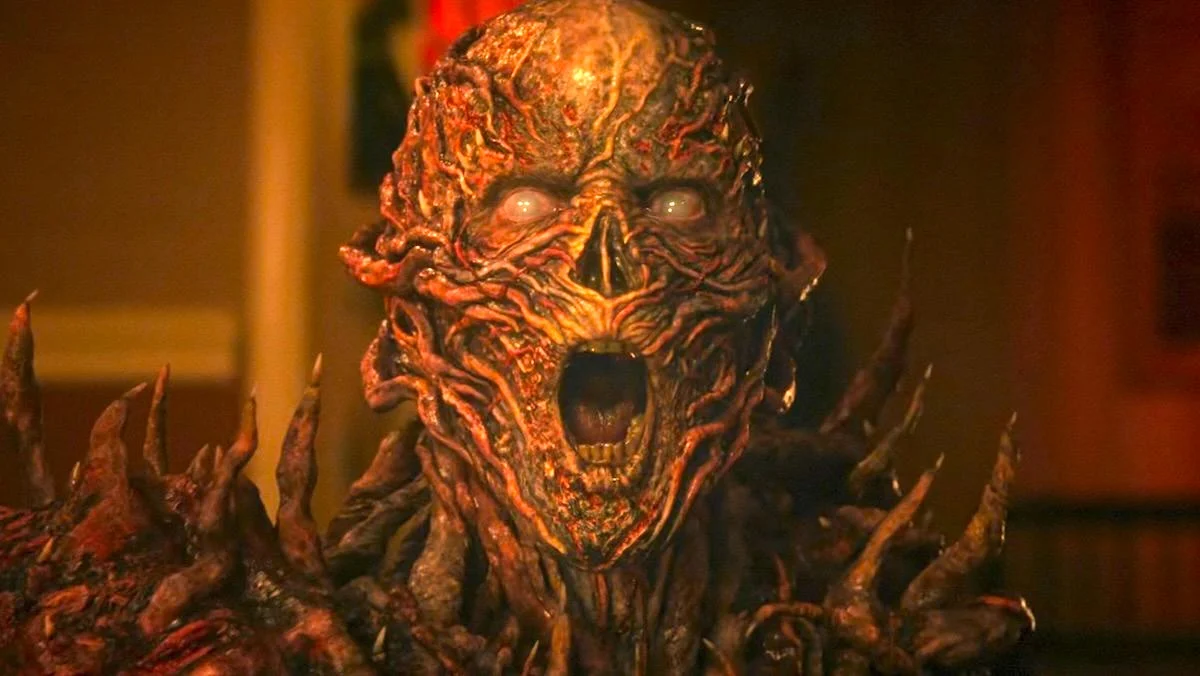
However, as the narrative scope expanded, so did the friction between the show’s internal logic and its execution. By the time the production reached its fifth and final season, the stakes had been elevated to an existential, world-ending level. The narrative arc followed the familiar ensemble—Eleven, Mike, Dustin, Lucas, Will, and the adult cohort—as they attempted to dismantle the influence of Vecna, the malevolent entity from the Upside Down. While the battle was intended to be a visceral, emotional climax, many viewers found the execution to be lacking.
Chronology of a Downward Trend
The decline in critical favor did not happen overnight. It was a gradual erosion of goodwill that culminated in the winter of 2025.
- Mid-2024: Production updates and teaser trailers maintain a high level of hype, but online discourse begins to shift toward concerns regarding the "bloated" nature of the episodes.
- December 31, 2025: The series finale is released, with a unique promotional push that saw the final episodes screened in select theaters. This high-profile event was intended to be a victory lap, but instead, it became a lightning rod for scrutiny.
- Early 2026: Social media platforms, particularly Reddit and X (formerly Twitter), erupt with detailed critiques. Fans began dissecting the "plot armor" surrounding the main cast, arguing that characters who should have perished were kept alive to satisfy fan service rather than narrative necessity.
- Early 2026 (Awards Season): The announcement of the Emmy nominations confirms the public’s worst suspicions. The show is absent from the Best Drama category, marking a historic low for the franchise.
Supporting Data: Why the Fans Turned
The reception of Season 5 on platforms like Rotten Tomatoes has been notably cooler than its predecessors. The "Popcornmeter"—the audience-facing metric for viewer satisfaction—is currently flooded with negative sentiment. The core of the criticism is three-fold:
1. The Problem of "Unkillable" Characters
One of the most persistent complaints is the lack of stakes. In a show centered on a supernatural apocalypse, the audience expected the ultimate sacrifice. Instead, the final season was criticized for maintaining a "safe" status quo where central characters survived situations that should have been lethal. This perceived immunity stripped the final battle of its gravity.
2. The CGI and Visual Narrative
While Stranger Things has always been known for its ambitious visual effects, Season 5 faced a barrage of criticism regarding the quality of its CGI. Some viewers pointed to "uncanny valley" moments and a reliance on digital spectacle that, in their view, lacked the tactile, practical-effects charm of earlier seasons.
3. Cliched Writing and Nostalgia Fatigue
The reliance on callbacks and parallels to previous seasons, once considered a hallmark of the show’s charm, became a point of contention. Critics and fans alike argued that the show spent too much time "referencing itself" rather than advancing the plot in a meaningful way. What once felt like a loving tribute to the 80s began to feel like a tired trope-fest, with dialogue that many found to be increasingly formulaic.
The Emmy Snub: A Reflective Industry
The television industry, through the lens of the Television Academy, often mirrors the cultural zeitgeist. When a show falls out of favor with its core audience, the industry eventually follows suit.
The exclusion of Stranger Things from the Best Drama category is not a mistake; it is a signal. Emmy voters rarely ignore a phenomenon of this magnitude unless they believe the quality has significantly declined. By relegating the show to technical categories—specifically "Outstanding Stunt Coordination for Drama" and "Outstanding Special Visual Effects in a Season or a Movie"—the Academy is essentially acknowledging the show’s technical craft while dismissing its narrative merit.
In total, the series secured seven nominations. While this might seem respectable for a mid-tier production, for a show of Stranger Things‘ caliber, it is a significant step down from its previous double-digit nomination counts.
Official Responses and Behind the Scenes
To date, the Duffer Brothers and Netflix have remained largely quiet regarding the critical backlash. Netflix, for its part, continues to tout the viewing hours of the series, emphasizing the "cultural impact" of the finale. However, industry insiders suggest that the streaming giant is acutely aware of the shift in public sentiment.
There is a tension between the platform’s metrics—which measure consumption—and the artistic legacy of the show. While Stranger Things remains a "Top 10" performer, the conversation has moved away from "How great is this show?" to "Why did it fall apart?" This shift in discourse is arguably more damaging to the brand than a low view count.
The Implications for Future Streaming Franchises
The "Stranger Things" saga provides a cautionary tale for other high-budget streaming projects. As audiences become more sophisticated and critical, the reliance on nostalgia and big-budget spectacle is no longer enough to guarantee success.
The implications are clear:
- The End of "Too Big to Fail": Even the most successful streaming shows are subject to the law of diminishing returns if they lose their narrative focus.
- Fan Service vs. Narrative Integrity: The backlash suggests that modern audiences value coherent, high-stakes storytelling over the protection of "fan-favorite" characters.
- The Importance of Closing the Loop: The final season of a long-running series is its most important legacy. By failing to stick the landing, Stranger Things has altered its place in television history, transforming from a "must-watch" classic into a cautionary example of narrative bloat.
Conclusion: A Legacy Re-evaluated
As the dust settles on the final season of Stranger Things, the conversation surrounding the show has shifted from celebration to a more sober analysis. The series will undoubtedly be remembered for its role in making Netflix the titan of streaming that it is today. However, its final chapter will serve as a reminder that popularity and quality are not always synonymous.
While the show earned seven nominations, the glaring absence from the Best Drama category will likely be the detail that defines its final year. It is a quiet end for a loud, bombastic show—a conclusion that, much like the final season itself, left many viewers feeling that something essential had been lost along the way. Whether this is truly the end of the Stranger Things universe remains to be seen, but one thing is certain: the bar for future installments has been set, and it is higher than the creators anticipated.