
 Suro Senen
In the landscape of contemporary Hollywood, few actors possess the transformative range of Colin Farrell. An Academy Award nominee with a filmography that spans gritty crime dramas, surrealist indie hits, and blockbuster superhero epics, Farrell has cemented his reputation as a performer who thrives in extremes. However, even the most seasoned actors find that balancing roles of profound depravity with those of deep empathy can take an emotional toll.
In a recent, wide-ranging interview with The Hollywood Reporter, Farrell opened up about the stark psychological contrast between his role as the extraterrestrial investigator in Apple TV+’s Sugar and his visceral, prosthetic-heavy turn as the ruthless mobster Oz Cobb—known to the world as The Penguin—in the DC Universe. For Farrell, stepping into the shoes of John Sugar is more than just a creative pivot; it is a vital “sanity check.”
The Dual Identity of a Modern Character Actor
To understand why Farrell describes the transition between these two roles as a "moral palate cleanser," one must first examine the sheer weight of his recent work. Since 2022, Farrell has been tethered to the dark, rain-soaked underworld of Gotham City. Following his supporting turn in Matt Reeves’ The Batman, Farrell underwent a legendary transformation to headline the HBO series The Penguin.
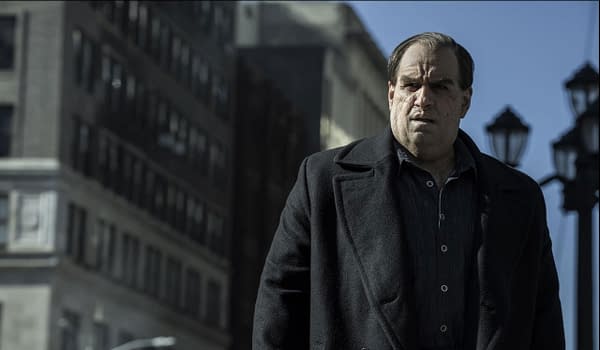
The character of Oz Cobb is a portrait of unmitigated ambition, trauma, and calculated cruelty. To inhabit such a figure requires not only hours of daily application of prosthetic makeup—designed by the visionary Mike Marino—but also a deep dive into a psyche fueled by “poison,” as Farrell aptly puts it.
Conversely, John Sugar, the titular lead of the Apple TV+ series created by Mark Protosevich, represents the antithesis of the Gotham crime lord. Sugar is gentle, optimistic, and fundamentally decent. As the series reveals, his goodness is not merely a personality trait but a core aspect of his extraterrestrial nature. For an actor who has spent significant time buried under layers of silicone to play a man driven by greed and violence, returning to the open, inquisitive, and compassionate nature of Sugar offers a necessary psychological reprieve.

Chronology of a Career Pivot
Farrell’s journey from the shadows of Gotham to the sun-drenched, noir-inspired mystery of Sugar reflects a deliberate navigation of his career trajectory.
2022: The Arrival of the Penguin
The process began with The Batman, where Farrell’s portrayal of Oz Cobb established him as a key player in Matt Reeves’ burgeoning DC Universe. The critical reception was immediate and overwhelming, with audiences and critics alike marveling at the unrecognizable performance. This set the stage for the HBO limited series The Penguin, which explored the power vacuum left by the death of Carmine Falcone.
2024–2025: The Rise and Fall of Empires
The Penguin series served as a brutal masterclass in character study. The narrative saw Oz navigating the treacherous waters of Gotham’s criminal underworld, clashing with the likes of Sofia Falcone (now Gigante) and maneuvering through a gang war that reshaped the city’s power structure. As the series progressed, the intensity of the character—and the demands of the performance—reached a fever pitch, culminating in a season finale that left the character’s future in flux before his eventual return in The Batman: Part II.
2026: The Shift to ‘Sugar’
As Sugar entered its second season, the contrast between the two worlds became more pronounced. In the series, John Sugar continues his search for meaning and truth in a world that often lacks both. With the initial mystery of his sister Djen’s disappearance having reached a conclusion, the second season finds Sugar tackling new challenges, yet retaining that essential, quiet humanity that Farrell finds so refreshing.
Supporting Data: The Craft of Transformation
The physical and emotional commitment required for these roles highlights the "versatility" that critics often cite when discussing Farrell’s career.

- The Prosthetic Barrier: The makeup for The Penguin is notoriously grueling. It is a process that requires patience, stillness, and a high threshold for physical discomfort. Farrell has noted that while the artistry of Mike Marino is "brilliant," the process creates a physical barrier that, while helpful for character work, can be exhausting over long periods.
- The Emotional Weight: Farrell’s remarks regarding the "poison" within Oz Cobb underscore the actor’s method. He is not merely "playing" a villain; he is internalizing the character’s worldview. When an actor spends months viewing the world through the eyes of someone like Oz, the return to "normalcy" becomes a conscious effort.
- The Philosophical Contrast: John Sugar offers a different kind of challenge. Rather than building a character out of darkness and repressed trauma, the challenge lies in maintaining a consistent, authentic level of decency in a narrative that is increasingly complex.
Official Responses and Creative Reflection
Farrell’s reflection on his roles has been met with interest by industry observers and fans alike. In his interview with The Hollywood Reporter, he was candid about the "dream" of playing the Penguin. Having grown up watching Burgess Meredith in the 1966 Batman series and having a long-standing friendship with Danny DeVito—who famously played the Penguin in Tim Burton’s Batman Returns—Farrell feels a deep, historical connection to the role.
However, he remains equally passionate about the creative freedom provided by Sugar. By playing a character who is fundamentally an outsider—an alien observer of human nature—Farrell has found a way to re-examine the human condition from a position of curiosity rather than malice.
"Sugar, on the other hand, is so gentle, optimistic, and so fundamentally decent. It’s a lovely moral palate cleanser," Farrell stated. This comment has resonated with audiences, as it provides insight into the "sanity check" required to prevent artistic burnout.
Implications for the Future of the DCU and Beyond
As production gears up for The Batman: Part II, the industry is watching closely to see how Farrell’s experiences with Sugar will inform his return to the Penguin.
The Smaller Supporting Role
Reports confirm that while Farrell will be reprising his role in the upcoming Reeves sequel, his presence will be more akin to his supporting role in the first film rather than the lead in the spin-off series. This allows for a more focused, perhaps more intense, use of the character, preventing the "darkness" of the role from becoming an all-consuming commitment for the actor.
A Pattern of Range
Farrell’s career path suggests a blueprint for longevity in Hollywood. By alternating between high-stakes, physically transformative villainy and character-driven, grounded heroism, he manages to keep his work fresh. He avoids the "typecasting trap" by actively seeking out roles that demand opposing emotional palettes.
The Evolution of the Anti-Hero
The industry’s embrace of complex characters like Oz Cobb and John Sugar indicates a shift in audience preference. Modern viewers are no longer satisfied with two-dimensional heroes or villains. They demand characters like Farrell’s, who inhabit the grey areas of morality. The success of these projects suggests that Farrell will continue to be a go-to lead for directors looking for actors who can convey deep, unspoken narratives through a glance or a subtle shift in posture.
Conclusion
Colin Farrell’s ability to pivot between the toxic, calculated villainy of Oz Cobb and the gentle, inquisitive spirit of John Sugar is a testament to his evolution as a performer. His work serves as a reminder that acting is not just about the final product on screen, but about the mental and emotional journey of the person behind the mask.
As he prepares to return to the gloom of Gotham, fans can take comfort in knowing that the "sanity check" provided by his work in Sugar ensures that when we see him next, he will bring the same level of depth, nuance, and brilliance that has defined his career for over two decades. Whether he is a man driven by the shadows or an alien seeking the light, Colin Farrell remains one of the most compelling figures in modern cinema.

 Sagoh
Sagoh
 Ammar Sabilarrohman





