Pevita Pearce
The landscape of home entertainment is shifting once again. For years, the "Netflix household" was a simple, monolithic entity: one login, one password, and a handful of profiles customized for parents, teenagers, and younger children. That era of frictionless access is drawing to a close. In its latest move to tighten control over account usage and security, Netflix has begun a global rollout requiring every individual profile on an account to be tethered to a unique email address.
While the streaming giant frames this as a necessary evolution for security and personalized user experiences, the change has sparked widespread frustration among subscribers who feel that the once-casual experience of sharing a television is becoming increasingly administrative.
The Core Change: A Profile-Specific Identity
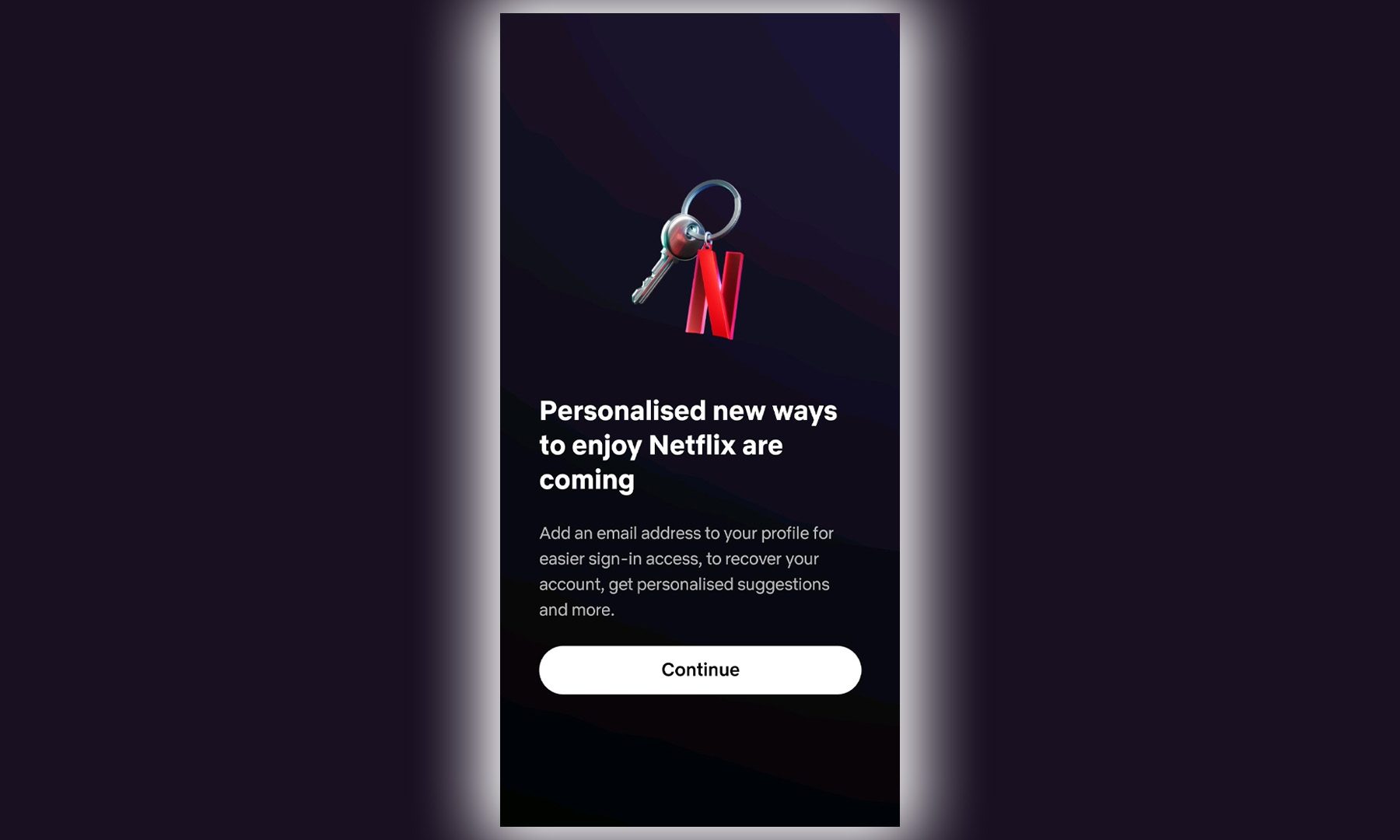
The mandate is straightforward: when navigating to a profile—or creating a new one—users are now being prompted to associate that specific profile with a unique email address. Previously, profiles were merely virtual "folders" existing under the umbrella of a single primary account holder’s credentials. Now, that relationship is being decoupled.
According to reports from CordCuttersNews and community discussions on platforms like Reddit, the rollout is occurring in phases. Users are encountering these prompts when switching profiles on smart TVs, streaming sticks, and web browsers. For new accounts, the email requirement is mandatory from the moment of setup. For existing users, the transition is being enforced through persistent on-screen reminders that eventually gate access to the profile itself.
Chronology of a Crackdown
To understand why this change is happening, one must view it through the lens of Netflix’s broader strategy over the last three years. The journey began with the high-profile, and highly controversial, "password-sharing crackdown" of 2023. At that time, Netflix introduced "Netflix Households," a system that used IP addresses and device IDs to define a physical location.
- 2023: Netflix officially ends the era of password sharing, introducing paid sharing options and home-based verification.
- Early 2024: Netflix begins testing "Identity Verification" features, prompting users to confirm their location via email or text codes when accessing accounts from unrecognized devices.
- Mid-2026 (Current Phase): The company initiates the "Unique Profile ID" program. By requiring a unique email for every profile, Netflix creates a granular database of who is actually using each profile, effectively ending the ability to hide behind the primary account holder’s anonymity.
This evolution indicates that Netflix is moving from "device-based" verification to "user-based" verification. By knowing the specific email address associated with a profile, the company can enforce more stringent security protocols and, more importantly, collect more precise data on individual viewer demographics.
The Justification: Security vs. Surveillance
Netflix’s official stance on the update is rooted in the language of user experience and safety. In various support communications, the company has cited three primary reasons for the mandate:
- Account Recovery: If a user loses access to a profile, a unique email allows for independent password resets and recovery without involving the primary account owner.
- Personalized Communication: By having an individual email, Netflix can send tailored notifications, such as "Continue Watching" reminders, personalized recommendations, and alerts about new seasons of a user’s favorite shows.
- Future-Proofing Transfers: The "Profile Transfer" feature, which allows a user to move their history and recommendations to a new account, is significantly easier when the profile already has its own identity and login credentials.
However, industry analysts suggest that these "user benefits" are secondary to the primary corporate objective: the prevention of account sharing. By requiring a unique email for every profile, Netflix makes it exponentially harder for a household to share an account with a friend or extended family member living in a different location. If each profile requires its own email, and that email must be verified, the "primary account holder" can no longer manage a collective of users without their direct, verified participation.
The Friction of Adoption
The user reaction has been swift and largely negative. For households with multiple members, the requirement to manage four or five separate email addresses—some of which may belong to children or elderly relatives—adds a layer of friction that many find unnecessary.

On Reddit, users have expressed concerns regarding privacy and the sheer administrative burden. "I have an account for my kids, my partner, and my parents," one user noted. "Why do I need to create five different email accounts just so we can watch a movie on a Sunday night?"
There have been reports of workarounds, such as using "plus-addressing" (e.g., [email protected]), which allows multiple profiles to be associated with the same inbox. However, tech-savvy users are reporting that Netflix’s systems are increasingly capable of flagging these aliases, pushing users toward distinct, non-alias email providers. Some have even discovered ways to disable "Feature Testing" in the account settings to bypass the prompt, though these methods are often patched within days.
Implications: A More Fragmented Streaming Future
The implications of this move go far beyond the annoyance of a pop-up window. This policy change signals a permanent shift in how streaming platforms view the "family" unit.
1. Data Collection and Advertising
By linking every profile to an individual email, Netflix is building a more robust profile for its ad-supported tier. If Netflix knows exactly which user is watching, they can serve more targeted advertisements. Instead of guessing that a household likes sports, they can know with certainty that the user on "Profile A" has a high affinity for football, while the user on "Profile B" prefers true crime documentaries.
2. The End of "Guest" Watching
The era of the casual guest profile is effectively over. If every profile requires a unique, verified email, the days of quickly spinning up a "Guest" profile for a visitor or a friend are gone. This forces users to either give away their own credentials or convince their guests to create a new, verified account, which is a significant barrier to casual consumption.
3. Subscription Conversion
Netflix’s ultimate goal is to convert every "freeloader" into a paying subscriber. By making the shared account experience more cumbersome—and by making it easier to "transfer" a profile to a new subscription—Netflix is nudging people toward the exit. The company is essentially saying: If this is too much work for you, just pay for your own account.

The Broader Industry Context
Netflix is not operating in a vacuum. Other platforms are watching this experiment with interest. Disney+, Max, and Amazon Prime Video have all faced similar struggles with password sharing. If Netflix succeeds in driving up subscription numbers by forcing individual profile identity, it is highly probable that the rest of the industry will follow suit within the next 18 to 24 months.
We are witnessing the "corporatization" of the living room. What started as a revolutionary way to watch content—a single, simple subscription for the whole home—is becoming a complex, highly managed network of individual, tracked, and verified users.
Conclusion: Is the Convenience Worth the Cost?
For the average consumer, the shift toward email-verified profiles is a reminder that the "streaming wars" are effectively over, and the era of aggressive monetization has begun. While Netflix promises a more "secure" and "personalized" experience, the reality is that the subscriber is paying more, in both dollars and personal data, for a service that is becoming progressively more restrictive.

As the rollout continues, the choice for users will be simple: comply with the new, increasingly bureaucratic requirements, or seek entertainment alternatives that do not demand an identity for every member of the household. For now, Netflix remains the market leader, and it is betting that most subscribers will choose the former, accepting the friction as the "new normal" of modern television. The question remains, however, at what point does the friction become enough to drive even the most loyal subscribers to click "Cancel Subscription" for the very last time?

 Ali Ikhwan
 Lina Hope