Siti Muinah
While the gaming world remains locked in a state of feverish anticipation for the upcoming release of Grand Theft Auto VI, a quiet revolution is taking place in the retro-gaming scene. Twenty-seven years after its initial release, the cult classic Grand Theft Auto 2 (GTA 2) has received a dramatic visual overhaul, thanks to the ingenuity of a modder known as "gebdag." By leveraging Nvidia’s powerful RTX Remix platform, this project has breathed new life into Anywhere City, introducing modern rendering techniques like full path tracing and 60 FPS frame generation to a title that was once defined by its 2D sprite-based top-down perspective.
The Resurrection of a Classic: Main Facts
The GTA 2 RTX Remix mod represents a significant milestone in the preservation and modernization of legacy software. For the uninitiated, Grand Theft Auto 2 was released in 1999, utilizing a 2D engine that relied on flat sprites and pre-rendered backgrounds. It was a game of its time—vibrant, chaotic, and incredibly fun, but visually limited by the hardware constraints of the late 90s.
The new mod fundamentally alters the engine’s behavior. By wrapping the game’s legacy Direct3D 9 output through the RTX Remix middleware, gebdag has been able to inject modern light-transport simulations. The most striking addition is "full path tracing," a technique that simulates the physical behavior of light as it bounces off surfaces in real-time. This transforms the city from a static, flat experience into a living, breathing urban environment where neon signs cast actual glows onto wet asphalt, and headlights create dynamic, moving shadows that react to the player’s vehicle.
Furthermore, the integration of frame generation—a feature typically reserved for modern AAA titles running on the latest generation of graphics cards—ensures that the game runs at a fluid 60 frames per second (FPS), eliminating the jittery feel that often accompanies older, unoptimized PC ports.
A Chronology of the Modding Effort
The journey of GTA 2 from its original 1999 launch to this modern RTX-powered state is a testament to the longevity of the Grand Theft Auto franchise.
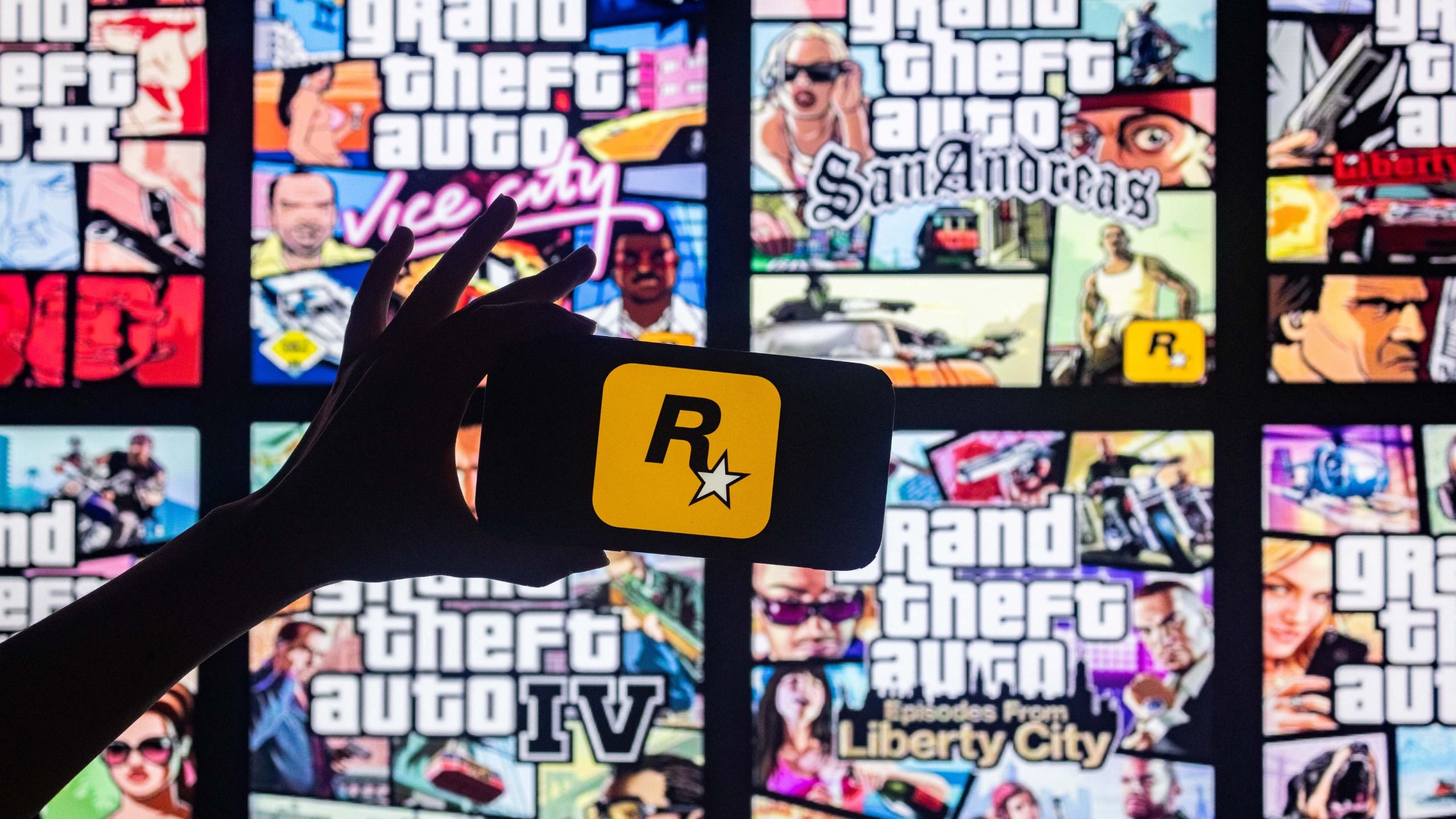
- October 1999: Rockstar Games (then DMA Design) releases Grand Theft Auto 2 for PC and PlayStation. It introduces the iconic "Wanted" meter and multiple factions, setting the stage for the series’ future success.
- The Mid-2000s: As the series transitioned to 3D with GTA III, GTA 2 slowly faded into the background, relegated to "abandonware" status by many, though maintained by a dedicated community of retro enthusiasts.
- January 2023: Nvidia officially unveils RTX Remix at CES, a platform designed to let modders easily add ray tracing, DLSS, and AI-enhanced textures to classic DirectX 8 and 9 games.
- 2024: Modder gebdag begins the arduous process of mapping the original GTA 2 assets into the RTX Remix environment. Because the original game did not support modern light sources, every lamp, billboard, and explosion had to be manually "re-lit" to function within the new path-traced engine.
- Present Day: The release of the GTA 2 RTX Remix mod marks the culmination of these efforts, proving that even the most "primitive" engines can be transformed into modern visual experiences.
Technical Foundations: The Power of RTX Remix
The heavy lifting behind this mod is handled by Nvidia’s RTX Remix. To understand why this is a technical marvel, one must look at how legacy games render images. In 1999, GTA 2 used "baked" lighting—shadows and highlights were essentially painted onto the textures. If a car moved under a streetlamp, the shadow didn’t change; the game simply swapped sprites to simulate the effect.
RTX Remix intercepts the Direct3D 9 draw calls that the game sends to the graphics card. Instead of allowing the game to draw the image the old-fashioned way, the mod replaces those calls with high-fidelity ray-traced instructions.
Key Technical Enhancements:
- Dynamic Time-of-Day: The mod introduces a system that allows for fluctuating lighting conditions, moving away from the static brightness of the original.
- Path Tracing: This is the "gold standard" of real-time rendering. It calculates the color of pixels by tracing the path that light would take if it were moving from the eye through the virtual scene. In GTA 2, this means that the explosions of cars, the flicker of neon signs, and the reflection of streetlights in the rain are physically accurate.
- Frame Generation: By utilizing motion vectors and AI-driven interpolation, the mod can "invent" intermediate frames, pushing the animation smoothness to a consistent 60 FPS, a massive leap over the game’s original frame-rate limitations.
The Community and Developer Response
While Rockstar Games has not issued a formal statement regarding this specific mod, the company has historically maintained a complex relationship with its modding community. Unlike many developers who issue "Cease and Desist" orders, Rockstar has frequently embraced the creativity of their fans, provided that the mods remain non-commercial and do not interfere with the company’s online services.
The response from the gaming community, however, has been overwhelmingly positive. On forums and social media, long-time fans have praised the mod for capturing the "soul" of the original game while removing the visual barriers that make it difficult for modern audiences to enjoy. For many, this mod serves as a bridge, allowing them to revisit the game that defined their childhood without the "eye strain" often caused by playing pixelated, low-resolution titles on high-end 4K monitors.
Broader Implications for Gaming Preservation
The success of the GTA 2 RTX Remix mod carries significant implications for the future of video game preservation. For years, the industry has struggled with the "deterioration" of legacy software. As display technology advances, older games become increasingly unplayable, looking blurred or distorted on modern hardware.
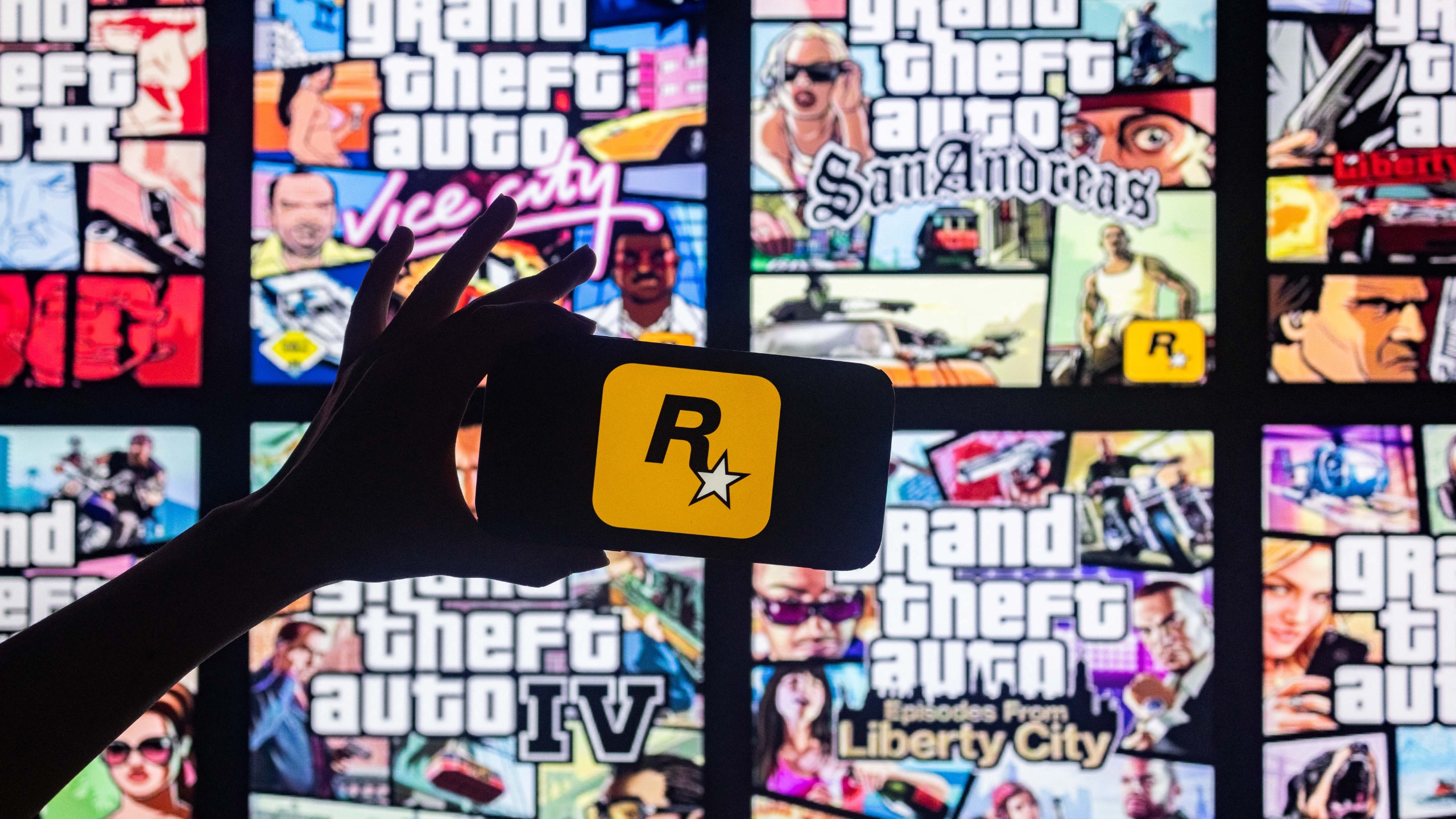
RTX Remix provides a standardized framework for "modernizing" history. By decoupling the game’s logic from its rendering engine, modders can effectively "remaster" titles that the original publishers have long since abandoned. This project proves that we don’t necessarily need a full, expensive remake by a major studio to experience a classic in a new light.
Furthermore, this mod highlights the democratization of game development. A single dedicated modder has achieved a visual fidelity in GTA 2 that would have been physically impossible to render on any computer in 1999. This sets a precedent for other legacy titles—perhaps Max Payne, Need for Speed, or even earlier GTA titles could eventually receive similar treatment.
Final Reflections: Is it Worth the Play?
Whether you are a newcomer curious about the roots of the world’s most famous crime saga or a veteran who spent hours on the streets of Anywhere City in the late 90s, the GTA 2 RTX Remix mod is a must-try. It isn’t just a visual polish; it is a total re-imagining of the game’s atmosphere.
The inclusion of dynamic lighting transforms the gameplay experience. Suddenly, the tactical nature of the game changes—stealth becomes more viable in the shadows, and the chaos of police chases feels more intense as light from emergency sirens washes over the environment.
As we wait for GTA VI, the GTA 2 RTX Remix project serves as a perfect reminder of how far the industry has come, and how—with the right tools—the past never truly has to fade away. The neon glow of Anywhere City is brighter than it has ever been, and for the first time in nearly three decades, the streets feel truly alive.

 Raul Delapena Setiawan
 Ali Ikhwan