Ammar Sabilarrohman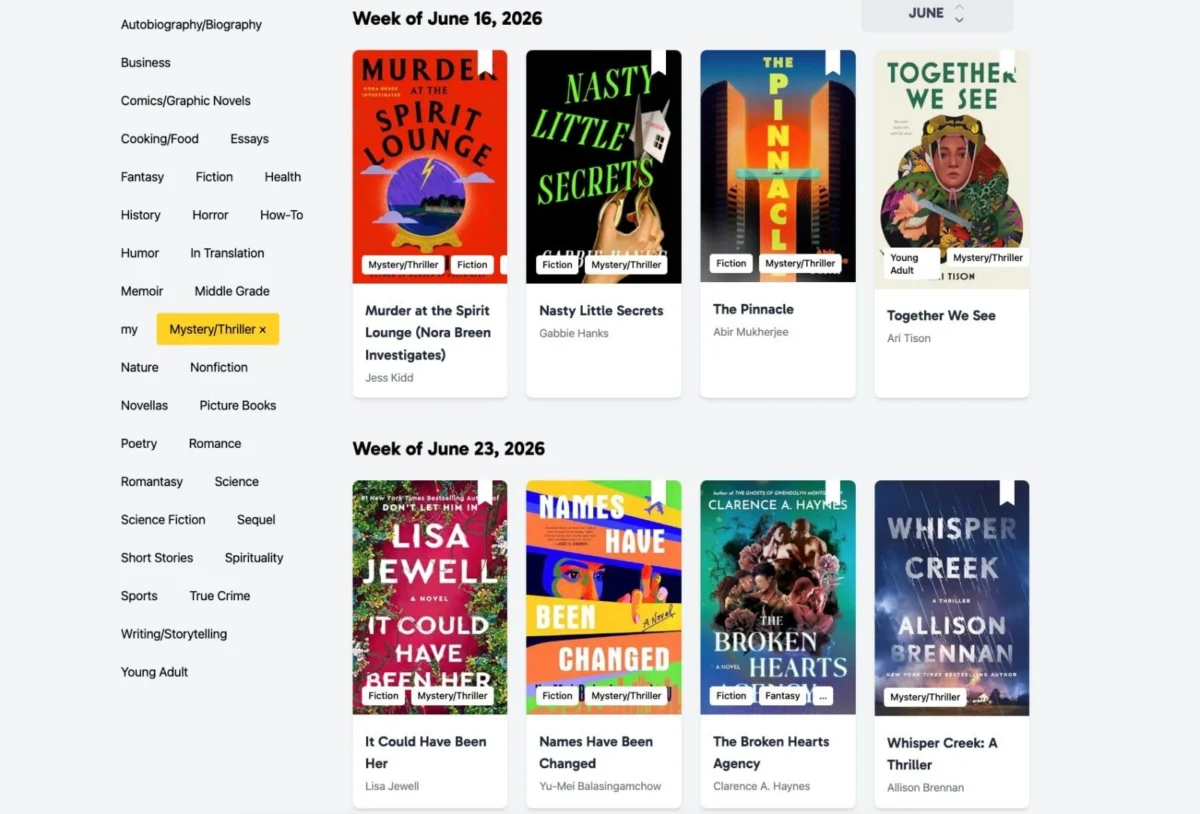
In the contemporary literary landscape, the "To-Be-Read" (TBR) pile has evolved from a modest stack on a bedside table into a daunting, ever-expanding digital monolith. For fans of mystery and thriller novels—a genre defined by its breakneck pacing and constant influx of new talent—the challenge is particularly acute. Every month, thousands of titles hit the market, each vying for a fraction of the reader’s limited attention. In an era where algorithmic marketing often dictates what becomes a bestseller, the most innovative voices frequently struggle to break through the noise.
For the avid reader, this creates a paradox of choice: there is more high-quality fiction available than ever before, yet the process of curation has become exhausting. Many readers find themselves trapped in a cycle of endless scrolling through retailer catalogs, spreadsheets, and social media feeds, inadvertently turning a beloved hobby into a labor-intensive administrative chore.
To solve this, Book Riot has unveiled the New Release Index, a centralized, user-centric database designed to streamline how bibliophiles discover, track, and prioritize their next great read.
The Chronology of a Book-Discovery Crisis
The history of book discovery has undergone a radical transformation over the last two decades. In the early 2000s, readers relied heavily on physical bookstores, library newsletters, and the occasional recommendation from a trusted local bookseller. This "curated discovery" model prioritized human taste and literary merit.
As the industry shifted toward e-commerce, the volume of releases skyrocketed. The rise of self-publishing and the "long tail" effect meant that the sheer number of books published annually surged into the millions. By the mid-2010s, discovery shifted to social media platforms like "BookTok" and "Bookstagram." While these platforms democratized discovery, they also created a "hype machine" effect. Titles with massive marketing budgets or those that fit specific aesthetic trends began to dominate the discourse, often drowning out mid-list authors or unique genre experiments.
By 2026, the frustration reached a breaking point. Readers began reporting "TBR fatigue"—a sense of overwhelm caused by the sheer volume of anticipated titles. The industry realized that while readers wanted more books, they needed better tools to manage the intake of information. The development of the New Release Index began as an internal solution at Book Riot to map out the cluttered calendar of upcoming releases, eventually evolving into the public-facing tool that exists today.
Breaking Down the New Release Index: Features and Mechanics
The New Release Index is not merely a calendar; it is a sophisticated, filterable database designed to replicate the intuitive experience of browsing a physical bookshelf while leveraging the efficiency of modern technology.
How the System Operates
The core philosophy of the Index is simplicity. By organizing titles chronologically, it allows readers to visualize the landscape of the upcoming month at a glance. However, the true utility lies in its granular filtering capabilities. A user can navigate to the "Mystery/Thriller" category, instantly isolating the titles that pique their interest from the broader sea of romance, sci-fi, or non-fiction.
The User Journey
- Visual Browsing: The interface utilizes a high-fidelity gallery of book covers. This "visual-first" approach is intentional, acknowledging that cover art is often the primary hook for potential readers.
- Instant Context: By clicking on a cover, users are presented with a concise, editorial-style synopsis. This bypasses the need to toggle between multiple browser tabs or retail pages.
- The Watchlist Mechanism: The integration of a "Watchlist" feature allows users to curate a personal queue. This acts as a digital filter, stripping away the noise of the global publishing industry and leaving only the titles that meet the user’s specific preferences.
Supporting Data: The Impact of Curation on Consumer Behavior
Data from recent retail trends suggests that while readers are exposed to more titles than ever, their "conversion rate"—the likelihood of actually purchasing or reading a book—is lower when faced with an overwhelming array of choices.

According to retail analytics in the publishing sector, over 70% of book purchases are driven by either specific recommendations or curated lists. Yet, the current ecosystem is heavily biased toward top-tier marketing spends. A study conducted by independent literary organizations in 2025 found that 60% of readers reported "missing out" on books they would have loved simply because they didn’t see them in their social media feeds.
The New Release Index addresses this by leveling the playing field. By centralizing data, the Index provides a platform where a debut thriller author has the same visual real estate as a multi-million-copy bestseller. This creates a more equitable discovery environment, allowing "word-of-mouth" to be driven by actual book content rather than the size of a publisher’s advertising budget.
Official Perspectives and Industry Implications
Industry analysts view tools like the New Release Index as a necessary evolution in the relationship between publisher, retailer, and reader.
"The problem has never been a lack of books," says Sarah Jenkins, an independent publishing consultant. "The problem has always been the friction between intent and action. When a reader spends more time hunting for a book than reading it, the industry has failed. A tool that reduces this friction doesn’t just help the reader; it helps the author who finally gets found."
Book Riot’s initiative signals a shift toward "curated utility." Instead of acting as a megaphone for the loudest voices in the industry, media platforms are increasingly positioning themselves as filters. This shift has several long-term implications:
- Increased Sales for Mid-List Authors: By making discovery easier, the index creates a "long-tail" effect where books that might have been ignored in the first week of release can sustain interest over a longer period.
- Data-Driven Reading: Readers are becoming more intentional. By using a Watchlist, they are essentially creating a personal reading roadmap, which may lead to a higher completion rate of books purchased.
- Platform Loyalty: By providing a valuable utility, organizations like Book Riot build deeper trust with their audience. The Index becomes a "bookmark" in the user’s daily digital life, creating a recurring habit that transcends standard article consumption.
The Future of Literary Discovery
As we look toward the latter half of the decade, the integration of such databases into the wider reading experience seems inevitable. We may eventually see the New Release Index expand to include personalized AI-driven recommendations based on a user’s Watchlist history, or deeper integrations with local library systems to check for availability in real-time.
However, the core of the project remains human-led curation. Even in an age of automation, the taste and expertise of editorial teams remain the bedrock of literary discovery. The New Release Index serves as a reminder that while technology can organize the chaos of the publishing industry, it cannot—and should not—replace the human connection to a story.
For the mystery and thriller enthusiast, the message is clear: the era of the spreadsheet, the missed release date, and the overwhelming, disorganized TBR pile is coming to an end. By leveraging structured, accessible, and clean data, the reader is finally regaining control of their literary journey.
Whether you are a casual reader looking for a beach read or a devoted genre fan hunting for the next breakout debut, the path forward is no longer a maze. It is, quite simply, an index. Through this, the joy of the mystery—the act of uncovering the truth—starts long before the first page is even turned.

 Nila Kartika Wati
 Siti Muinah