Azzam Bilal Chamdy
The landscape of Overwatch has shifted dramatically. With the turn of the 2026 calendar, Blizzard Entertainment made the bold decision to reset the game’s seasonal numbering, signaling a pivot toward a more cohesive, lore-driven experience. As we step into the third installment of this new chapter—dubbed "The Reign of Talon"—the hero shooter is entering its most aggressive expansion phase yet.
Season 3, titled Into the Tiger’s Den, represents a maturation of the game’s live-service model. By moving away from the sparse update schedules of the past, Blizzard has committed to a bi-monthly cadence that ensures the meta remains as fluid as the narrative arc itself. From the debut of the high-damage output hero Shion to the introduction of the cyberpunk-inspired Neon Junction, this season is designed to keep both casual players and competitive veterans on their toes.
The Core Facts: What Defines Season 3?
Into the Tiger’s Den is not merely a content drop; it is a fundamental reconfiguration of the Overwatch ecosystem. Launched on Tuesday, June 16, 2026, the season centers on the rising influence of the Talon organization, weaving a darker, more tactical aesthetic throughout the game’s menus, map pools, and cosmetic offerings.

The season’s primary pillars are as follows:
- The New Hero: Shion, a high-mobility DPS hero, joins the roster with a kit designed to dismantle entrenched defenses.
- New Map: Neon Junction, a Hybrid map set in the rain-slicked, neon-drenched streets of Tokyo, brings verticality and tight corridor combat to the forefront.
- The Mythic Tier: The introduction of the "Ascendant Phoenix" Illari Mythic skin, a multi-form cosmetic that evolves throughout the match.
- UI/UX Overhaul: A complete redesign of the hero selection screen to accommodate an ever-expanding roster, prioritizing readability and speed.
- Community Crafted Updates: A collaborative balancing initiative featuring temporary, experimental changes to fan-favorite heroes like Reinhardt and Sombra.
A Chronology of the Talon Era
The path to Into the Tiger’s Den was paved with calculated anticipation. Blizzard’s marketing strategy for 2026 has focused on "drip-feeding" information to maintain engagement without overwhelming the player base.
The Pre-Launch Phase (Early June 2026):
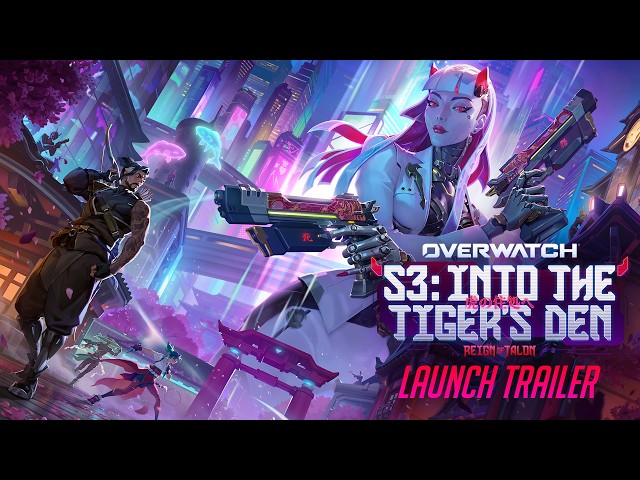
The community’s first glimpse of Shion arrived exactly seven days before the season’s launch. The reveal trailer, which showcased her agile movement and precision-based weaponry, set the tone for a season that favors high-skill expression. Following the initial trailer, Blizzard released a granular gameplay teaser, offering a detailed breakdown of Shion’s abilities. This transparency helped mitigate the "first-time hero" anxiety often associated with ranked play.
Launch Day (June 16, 2026):
Overwatch Season 3 officially went live, accompanied by the debut of the Anima Strike event. This three-week-long challenge acted as the primary vehicle for players to familiarize themselves with the intricacies of Neon Junction.
The Mid-Season Transition (June 30 – July 13, 2026):
Mid-season brings the "Community Crafted" period. In a move that highlights the studio’s commitment to community feedback, Blizzard implemented custom adjustments to the kits of Reinhardt, Baptiste, Ashe, and Sombra. These changes were developed in tandem with prominent content creators, offering a temporary but exhilarating shift in the game’s competitive balance.
Supporting Data: The Mechanics of Change
The transition to the "Reign of Talon" era has been necessitated by the sheer scale of the Overwatch roster. As the number of available heroes climbs, the traditional UI—which was designed for a significantly smaller pool—had become a bottleneck.

The UI/UX Evolution
The newly redesigned hero select screen is more than a coat of paint. It utilizes a grid-based categorization system that separates heroes by role, playstyle, and sub-archetype. This allows for faster identification of counters, which is crucial in a game where hero swapping is a core strategic tenet.
Map Design and the "Neon Junction" Factor
The addition of Neon Junction addresses a long-standing request from the player base for more Hybrid maps. Data from the game’s internal heat maps suggests that players gravitate toward environments that offer multiple engagement angles. Neon Junction features:
- High-Ground Dominance: A central tower structure that necessitates control from both tank and support players.
- Flank Density: Multiple "less-enticing" alleyways, as described by the design team, which offer opportunities for stealth-heavy heroes like Sombra and the new arrival, Shion.
The Rise of "Ultra" Cosmetics
Season 3 introduces the "Ultra" tier of skins, which sits above the Legendary category. Unlike standard skins, Ultra skins feature dynamic, reactive audiovisual effects. The initial launch of the Nyan Café line—starring Kiriko and Sierra—utilizes advanced shader technology to create a visual "kawaii" aesthetic that reacts to ability usage.

Official Responses and Developer Philosophy
Blizzard’s current development philosophy is defined by "alternative gameplay angles." The studio has acknowledged that the game’s competitive longevity depends on the ability to iterate on existing heroes without alienating the player base.
"We aren’t just looking to add new content; we are looking to refine the DNA of Overwatch," stated a lead developer during the pre-season briefing. "By involving the community in the ‘Community Crafted’ balance sessions, we are effectively stress-testing potential meta shifts in a controlled, temporary environment. It’s about learning what makes a hero feel ‘fun’ versus what makes them ‘frustrating’."
Regarding the removal of grouping restrictions in ranked play, the response has been overwhelmingly positive. Blizzard noted that allowing players to group with any of their friends, regardless of rank, has led to a significant increase in daily active users (DAU) and a more social, cohesive atmosphere in competitive matches.

The Strategic Implications: What This Means for the Meta
The release of Into the Tiger’s Den has profound implications for the current Overwatch meta. The influx of new content, coupled with sweeping balance changes to established powerhouses like Doomfist, Hazard, and Sojourn, has created a "wild west" environment.
The Shion Effect
Shion’s inclusion as a DPS hero is intended to challenge the dominance of hitscan characters. Her movement-based kit allows her to bypass front-line tanks, forcing teams to commit resources to their backline. Players should expect a shift toward high-mobility, dive-centric compositions in the coming months.
The Impact of "Ascendant Phoenix"
The Mythic Illari skin, with its multi-form evolution, is a clear indicator that Blizzard is pushing the boundaries of cosmetic monetization. By tying the skin’s visual evolution to player performance and match progression, they are gamifying the cosmetic experience itself. This mirrors the industry trend seen in titles like League of Legends, where "Ultimate" skins provide a sense of progression and personalization that standard purchases lack.

Competitive Longevity
The decision to remove rank-based grouping restrictions is a double-edged sword. While it encourages friend groups to play together, it necessitates a robust matchmaking algorithm that can balance the skill gap between vastly different ranks. If successful, this could solve the age-old problem of "ranked anxiety" that prevents many casual players from engaging with the competitive mode.
A Final Word for the Player
For those returning to the game, the sheer volume of changes can be daunting. To navigate the current landscape of Overwatch, players are encouraged to utilize the new training modes and explore the updated hero settings. Whether you are a fan of the new Street Rebels aesthetic or a tactical purist looking to master Shion’s complex kit, Into the Tiger’s Den offers a refined, modernized version of the game that has defined the hero shooter genre for nearly a decade.
As we progress through the remainder of 2026, the question remains: will the "Reign of Talon" narrative arc provide the depth needed to sustain this momentum? Given the current trajectory, the answer seems to be a resounding yes. The game is faster, smarter, and more visually striking than it has ever been.


 Layla Zulfa
 Nana Muazin