Muslim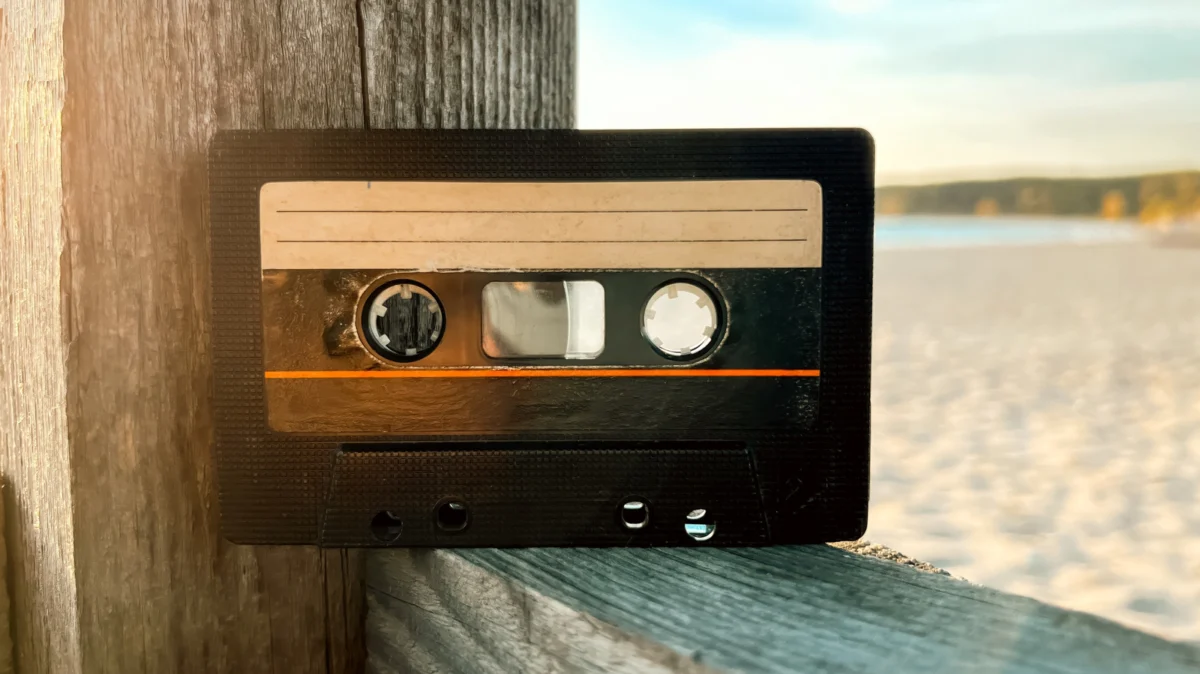
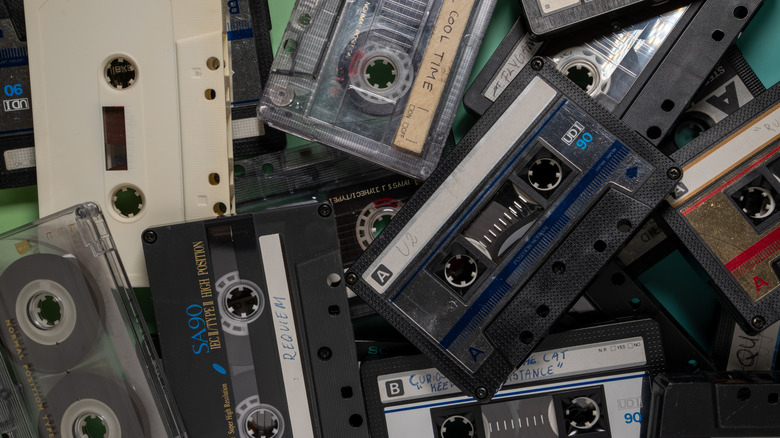
For those who came of age in the 1980s and early 1990s, the cassette tape was more than just a storage medium—it was a cultural touchstone. It represented the dawn of portable music, the freedom of the mixtape, and a tactile intimacy with audio that modern streaming services simply cannot replicate. However, as the digital age continues to dominate, many of us are left with boxes of these magnetic treasures gathering dust in attics, garages, and basements.
While the general consensus suggests a shelf life of roughly 30 years, this figure is a variable, not a rule. As we look toward the future of physical media preservation, understanding the chemistry and mechanics of these analog relics is essential for anyone hoping to keep their personal soundtracks alive for another half-century.
The Science of Sound: How Cassette Tapes Function
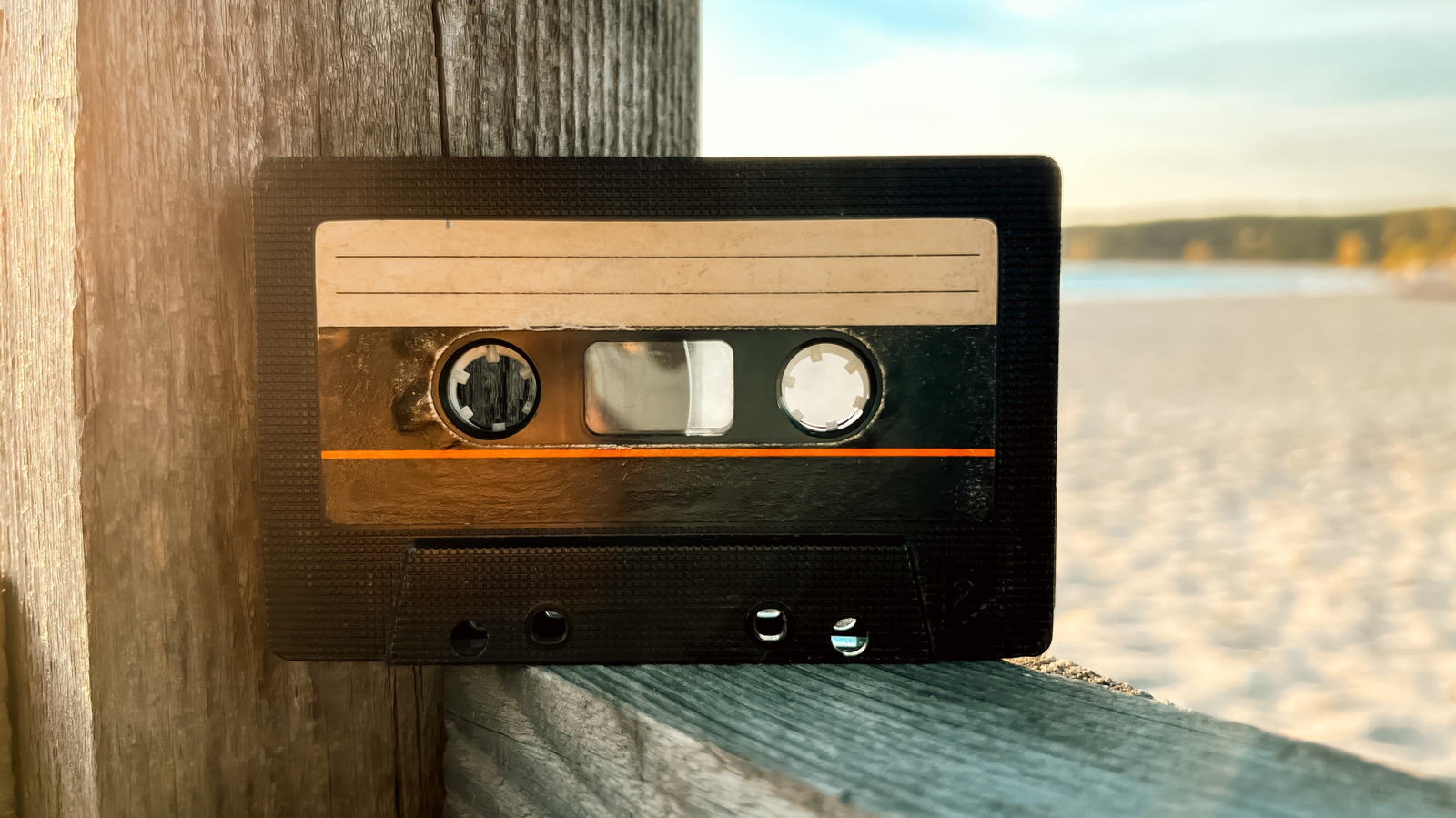
To appreciate the fragility of a cassette tape, one must first understand its internal architecture. At its core, a cassette is a precision-engineered device housing two miniature reels connected by a thin strip of magnetic tape. This ribbon is coated with a mixture of binder and magnetic particles—typically iron oxide, chromium dioxide, or metal—which store audio information as magnetic patterns.
When you engage the "play" button on a deck, the tape is pulled across a magnetic read head. This head converts those stored magnetic patterns into electrical signals, which are then amplified and routed to your speakers. The process is elegant but physically demanding. As the tape moves, friction occurs between the tape and the head, and the internal lubrication of the binder coating begins to break down. Over time, this degradation is inevitable, but the speed at which it occurs is dictated almost entirely by the environment in which the media resides.
A Chronology of the Cassette Era
The trajectory of the cassette tape is a fascinating study in technological evolution:
- 1963: Philips introduces the Compact Cassette at the Berlin Radio Show. Initially designed for dictation, its fidelity was surprisingly adequate for music.
- 1970s: High-fidelity tape formulations (CrO2) and the introduction of Dolby noise reduction turn the cassette into a serious high-fidelity format for audiophiles.
- 1979: Sony launches the Walkman. This is the "Big Bang" of personal audio, transforming the cassette into the primary format for the mobile generation.
- 1980s: The peak of the mixtape culture. Radio recording becomes a standard practice, and the cassette dominates the consumer market.
- 1990s: The rise of the Compact Disc (CD) provides better audio quality and random access, beginning the steady decline of the cassette.
- 2000s–2010s: Digital MP3s and streaming services turn the cassette into a relic of the past, relegated to storage boxes.
- 2020s–Present: A surprising resurgence occurs. Similar to the vinyl revival, younger generations are rediscovering the warmth and tangible nature of analog, leading to a niche market for both vintage decks and new cassette releases.
Environmental Factors and Preservation Data
The "30-year rule" is frequently cited by archivists, but it assumes "ideal conditions"—a phrase that is rarely synonymous with a typical residential attic. Research into magnetic tape longevity indicates that the primary enemy of the cassette is not age, but hydrolysis.
Hydrolysis occurs when the binder—the chemical "glue" that holds the magnetic particles to the plastic substrate—absorbs moisture from the air. This causes the tape to become sticky, a phenomenon often referred to as "sticky-shed syndrome." Once a tape reaches this state, playing it can lead to the coating peeling off, potentially ruining both the tape and the playback head of your deck.
Optimal Storage Parameters:
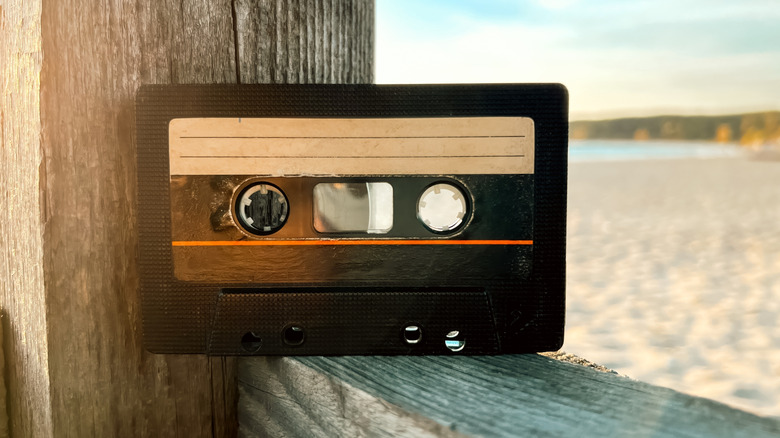
- Temperature: 59°F to 73°F (15°C to 23°C). Consistent temperatures are more important than cold temperatures; rapid fluctuations cause the tape to expand and contract, leading to warping.
- Humidity: 25% to 55%. High humidity is the leading cause of binder degradation.
- Magnetic Interference: Keep tapes away from speakers, power supplies, and CRT monitors, which can partially erase or scramble the magnetic data.
- Sunlight: UV radiation breaks down the plastic shell and can warp the internal tape mechanism.
The Imperative of Digitization
Given the organic nature of tape degradation, archivists and audio engineers are near-unanimous: if you have irreplaceable recordings—such as voice memos from deceased loved ones, rare radio broadcasts, or childhood mixtapes—you should digitize them immediately.
The process has become significantly more accessible. By utilizing a high-quality cassette deck connected to an analog-to-digital converter (or a specialized USB cassette interface), users can capture their audio into software like Audacity. Once digitized, these files can be cleaned of hiss and normalized, preserving the content long after the physical tape has reached the end of its functional life.
Implications: The Future of Analog Nostalgia
The potential for cassettes to last up to 100 years exists, but only if they are treated as archival materials rather than disposable junk. This shift in perspective is already happening. As Gen Z drives the resurgence of iPods and vinyl, the cassette is finding a new lease on life as a "collectible" medium.
However, the hardware remains the primary hurdle. As manufacturers stopped producing high-quality decks in the early 2000s, the world has been left with a dwindling supply of reliable playback equipment. While "retro" players are flooding the market, many lack the precision mechanics of a 1980s-era Nakamichi or Sony deck. Maintaining your own deck—specifically cleaning the heads with isopropyl alcohol and demagnetizing the tape path—is as crucial as storing the tapes themselves.
Conclusion: A Living History
Whether you are a collector or someone simply trying to save family memories, the cassette tape remains a vital link to the past. They represent a time when music required patience: you couldn’t skip a track without manually fast-forwarding, and you couldn’t listen to an album without engaging with the physical object.
If you have those shoeboxes in the attic, don’t discard them. With proper care—moving them to a climate-controlled room, keeping them in their cases, and periodically playing them to prevent the binder from seizing—you can ensure that your personal history remains audible. The "be kind, rewind" era may have passed, but for those willing to put in the effort, the music doesn’t have to stop. Your tapes are not just plastic and iron oxide; they are the soundtrack of a life, and they deserve the chance to play on.


 Laily UPN
 Nana Muazin