Reynand Wu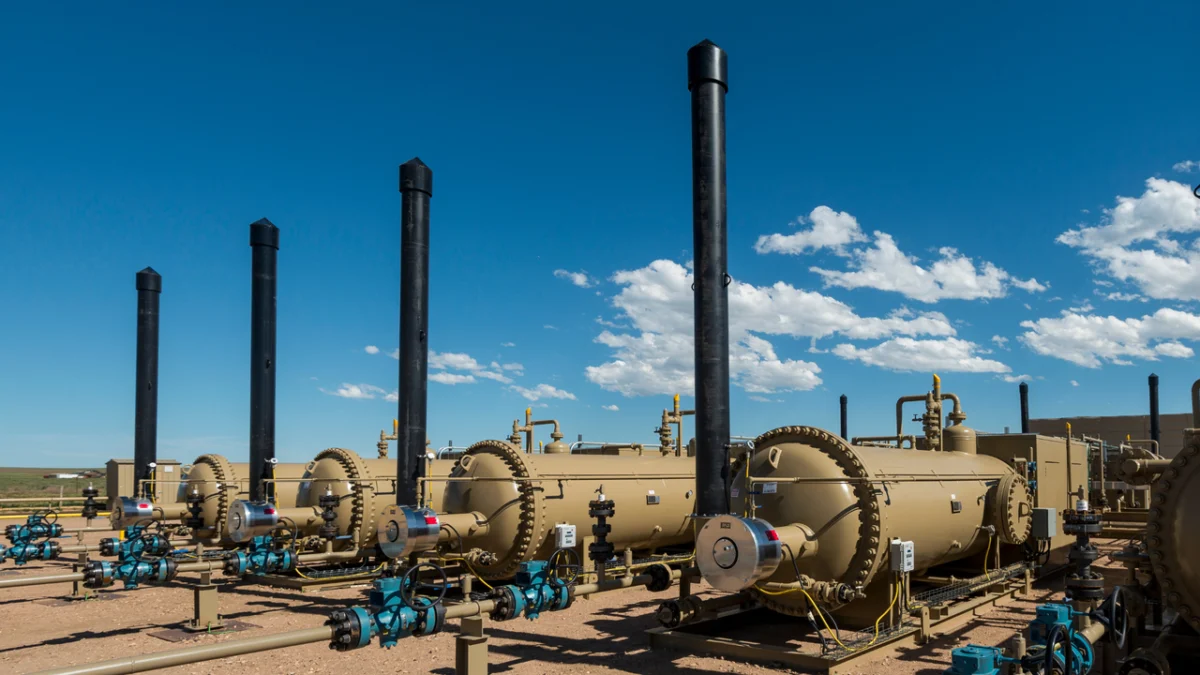
The digital architecture that underpins the modern global economy—the vast, humming networks of servers powering artificial intelligence, cloud computing, and automated industry—is facing an unexpected reckoning. While the tech industry has spent the last decade positioning itself as a leader in renewable energy transitions, a stark new reality is emerging: the massive energy demands of the AI revolution are forcing data centers to turn back to fossil fuels.
New projections indicate that the natural gas consumption of U.S. data centers is poised for a meteoric rise. According to recent analysis by Bloomberg, these facilities are now expected to consume up to 15 billion cubic feet of natural gas per day by 2035. This figure represents a staggering 117% increase over previous forecasts, which had estimated consumption at a significantly more modest 6.9 billion cubic feet. As the race for computational supremacy intensifies, the infrastructure required to sustain it is becoming one of the largest consumers of energy in the United States.
The Magnitude of the Power Surge
To understand the scale of this shift, one must look at the total power requirements projected for the sector. Industry analysts, including those from BloombergNEF (BNEF), have nearly doubled their forecasts for U.S. data center power demand, pushing the target to 194 gigawatts (GW) by 2035. To put this in perspective, this single industry is expected to account for approximately 20% of the entire United States’ electricity consumption within the next decade.
The pivot toward natural gas is not a matter of preference, but of necessity. The existing electrical grid, aging and burdened by decades of deferred maintenance, is struggling to keep pace with the hyper-growth of data centers. When utility providers cannot guarantee the rapid connection or the sheer volume of power required to support massive high-density computing clusters, data center operators are increasingly turning to "behind-the-meter" solutions, specifically the installation of onsite natural gas turbine generators.
Chronology of a Power Crisis
The trajectory of this energy surge can be traced back to the post-pandemic digitalization boom, followed by the "Generative AI explosion" of 2023.
- 2020–2021 (The Pandemic Acceleration): The shift to remote work and the massive migration of enterprise services to the cloud put initial strain on data center capacity. During this period, the industry focused on scaling, with a heavy emphasis on solar and wind power purchase agreements (PPAs).
- 2022 (The Grid Bottleneck): As demand for data center space in major hubs like Northern Virginia and Silicon Valley skyrocketed, utility companies began signaling that the grid could not support the requested load additions. Interconnection queues began to stretch into multi-year wait times.
- 2023 (The AI Pivot): The release of large language models (LLMs) changed the energy calculus. Training these models requires sustained, high-power performance that renewable sources—which are intermittent—struggle to provide without massive battery storage.
- 2024–2025 (The Onsite Solution): Facing the threat of stalled projects, major operators began prioritizing direct natural gas integration. The focus shifted from "greening" the supply to ensuring "uptime" and "availability," leading to the rapid deployment of natural gas turbines.
- 2026 and Beyond (The Forecast Revision): The most recent data reflects a fundamental decoupling of the tech industry’s previous sustainability goals from its immediate operational requirements, resulting in the massive upward revision of gas consumption forecasts.
Supporting Data: Why Gas?
The reliance on natural gas is driven by three primary factors: reliability, density, and geography.
1. The Intermittency Gap
While solar and wind are cheaper than ever, they are not "always-on" power sources. Data centers require "baseload" power—energy that is available 24/7 without fail. Natural gas turbines provide a reliable, high-capacity baseload that can be ramped up or down quickly to meet the fluctuating demands of AI training workloads.
2. Grid Interconnection Delays
The process of connecting a new, massive data center to the regional transmission grid is notoriously slow. In many states, the permitting and construction of high-voltage transmission lines can take nearly a decade. By building natural gas power plants on or near their own premises, data center developers effectively bypass the queue, allowing them to bring facilities online in months rather than years.
3. Energy Density
AI workloads, particularly those involving GPU clusters (like those built on NVIDIA H100s or B200s), generate immense heat and require massive electricity density. Natural gas power plants can be scaled locally to meet this density in ways that current renewable infrastructure cannot yet match in a cost-effective manner.
Official Responses and Industry Sentiment
The shift has prompted a complex response from both the public and private sectors.
Utility providers, while acknowledging the demand, are in a difficult position. "We are seeing load growth at levels we haven’t witnessed since the dawn of the electrification age," says one industry consultant working with major utility providers in the PJM Interconnection region. "The challenge is that data centers need 500 megawatts today, but the grid takes seven years to upgrade. Natural gas is the only realistic bridge for these developers."
Conversely, environmental groups have voiced alarm. The Sierra Club and other advocacy organizations have pointed out that the increase in natural gas burning directly contradicts the "Net Zero" pledges made by companies like Microsoft, Google, and Amazon. "You cannot claim to be a carbon-neutral tech giant while simultaneously building a fleet of new natural gas power plants to keep your servers running," says a spokesperson for a leading environmental policy institute.
Industry leaders, however, argue that this is a temporary phase in a larger transition. They maintain that they are investing in the research and development of Small Modular Reactors (SMRs) and advanced battery storage to eventually replace the gas plants. However, as the 2035 date approaches, the "temporary" nature of this reliance on gas looks increasingly like a long-term structural shift.
Broader Implications: A Tectonic Shift in Energy Policy
The implications of this trend extend far beyond the tech sector.
Implications for Energy Prices
With data centers competing for natural gas, there is a significant risk of price volatility for residential and commercial heating. As the demand for natural gas in the power sector hits historic highs, the supply-demand balance could lead to increased costs for consumers across the country.
Implications for Grid Stability
The decentralization of power generation—where data centers generate their own electricity—poses a unique challenge to grid operators. While it reduces the burden on the transmission system, it also means that the grid loses a significant portion of its reliable, controllable, and predictable "anchor" customers, which could impact the overall stability of the regional electricity markets.
Implications for Climate Goals
The United States has set ambitious climate targets, aiming for a significant reduction in greenhouse gas emissions. The massive increase in natural gas usage by data centers threatens to derail these efforts. If 20% of U.S. power is being used by an industry that is increasingly reliant on fossil fuels, the national carbon budget becomes significantly harder to manage.
The Road Ahead
The next decade will be defined by the tension between the insatiable demand for computational intelligence and the physical limits of our energy infrastructure. The tech industry is currently at a crossroads. It can continue to lean into natural gas to solve its immediate power needs—a strategy that offers short-term security but risks long-term regulatory and reputational blowback—or it can pivot toward an aggressive investment in next-generation nuclear, long-duration energy storage, and grid-scale renewables.
As the 2035 deadline approaches, the figures provided by Bloomberg serve as a warning. The digital age is moving faster than the physical infrastructure that powers it, and the resulting reliance on natural gas is not merely a technical adjustment—it is a fundamental restructuring of the energy economy. Whether this will lead to a new era of energy innovation or a regression in sustainability efforts remains the central question of the decade.
For now, the servers continue to spin, the AI models continue to learn, and the turbines continue to burn, fueling the most significant industrial expansion of the 21st century.


 Lina Hope
 Lina Irawan