Iffa Jayyana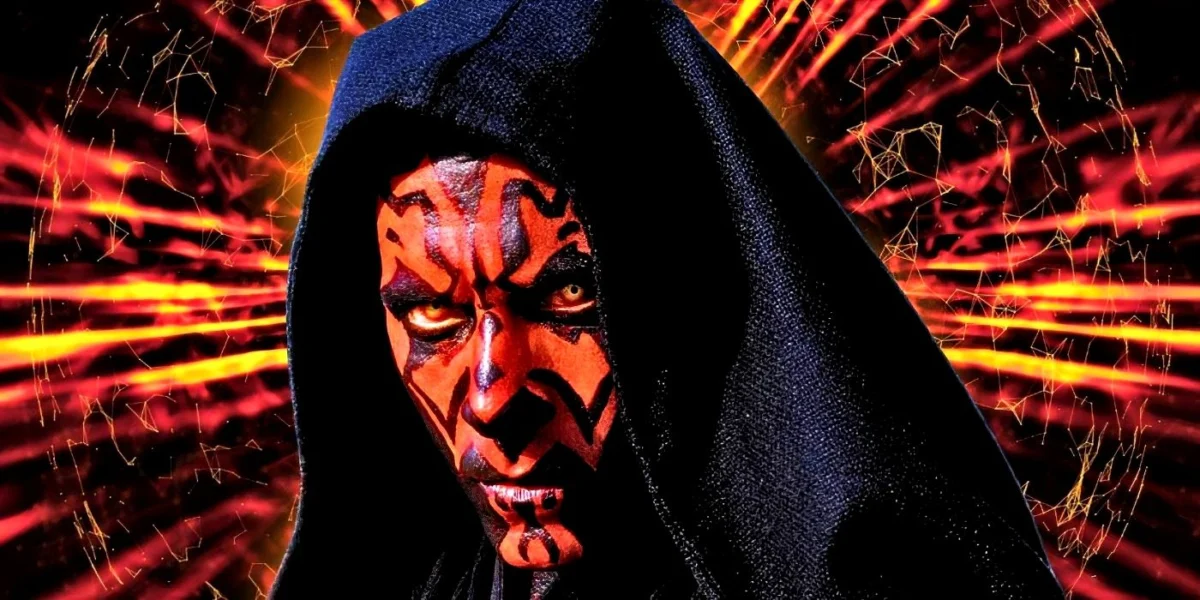
For millennia, the history of the galaxy has been defined by the eternal struggle between the light and the dark. While the Jedi Order has long stood as the public face of peace and justice, lurking in the periphery—and often directly beneath their noses—has been the Sith. This ancient sect, defined by its lust for power, mastery of the Force’s destructive potential, and a doctrine of absolute ambition, has shaped the political and social landscape of the galaxy in ways that remain under scrutiny by historians and Force scholars alike.
The Doctrine of Shadows: The Rule of Two
At the core of Sith history lies a fundamental pivot point: the transition from an expansive, warring empire to a clandestine, shadow-dwelling hierarchy. Centuries before the rise of the Galactic Empire, the Sith were a chaotic collective prone to internal betrayal and self-destruction.
This changed under the vision of Darth Bane. Recognizing that the Sith’s greatest enemy was not the Jedi, but their own insatiable greed, Bane established the Rule of Two. This principle mandates that there can only be two Sith at any given time: a master to embody the power and an apprentice to crave it. By forcing the Sith to operate in secrecy, Bane allowed the dark side to fester, unseen, for a millennium. This strategic patience allowed the Sith to infiltrate the highest echelons of the Republic, eventually leading to the total collapse of the Jedi Order and the birth of the Galactic Empire.
Chronology of the Dark Lords: From Ancient Origins to the Fall
To understand the trajectory of the Sith, one must examine the lineage of those who wielded the dark side with the most devastating impact.
1. The Era of Expansion (Darth Bane to the Pre-Republic)
Before the Rule of Two, figures like Darth Revan and Darth Malgus defined the Sith as a military superpower. These early Lords sought conquest and dominion, often leading massive armadas against the Jedi. However, as the infighting grew, the order risked extinction. Darth Bane’s intervention effectively saved the Sith from annihilation by forcing them to trade brute force for political manipulation.
2. The Era of Infiltration (Darth Plagueis and Darth Sidious)
The most successful period of the Sith began with Darth Plagueis the Wise, a master of midichlorian manipulation who sought the ultimate prize: immortality. Plagueis’s research into the mysteries of life and death served as the foundational knowledge for his apprentice, Sheev Palpatine, known to the galaxy as Darth Sidious. Palpatine, operating under the guise of a benevolent Naboo senator, spent decades orchestrating the Clone Wars. By manipulating both the Separatist movement—led by his pawn Count Dooku (Darth Tyranus)—and the Republic, he positioned himself to dismantle democracy from within.
3. The Era of Enforcement (Darth Vader)
Following the execution of Order 66, the Sith reached their zenith. Darth Vader, the fallen "Chosen One," served as the iron fist of the Emperor. Vader’s transition from Jedi Knight Anakin Skywalker to a Sith enforcer represents the most tragic character arc in galactic history. His existence solidified the Sith’s control, as he acted as the primary agent of fear across the galaxy until his eventual redemption and the death of the Emperor.
4. The Era of Resurrection (Kylo Ren and the Shadow of the Past)
Even after the fall of the Empire, the legacy of the Sith persisted. Kylo Ren, born Ben Solo, became a lightning rod for the dark side in the sequel era. Although he operated under the influence of the First Order and the puppet-master Snoke, his path echoed the internal conflict and tragic potential of his grandfather, Darth Vader.
Supporting Data: The Anatomy of Sith Power
The power of the Sith is not merely political; it is visceral. Historians and researchers who study the dark side have identified four primary pillars of Sith influence:
- Force Lightning: A manifestation of pure, unbridled malice, this ability allows the user to project energy through the Force, causing immense pain and devastation. It remains the signature technique of the most powerful Sith masters.
- Holocrons: These ancient devices serve as repositories of Sith lore. They are designed to preserve the teachings of past masters, ensuring that the dark side’s wisdom is never lost to time.
- Lightsaber Combat: The Sith utilized specialized forms of combat, often favoring aggression and precision. Darth Tyranus’s use of the curved-hilt lightsaber, combined with his mastery of Form II, remains a gold standard for dueling efficiency.
- Manipulative Doctrine: Unlike the Jedi, who sought to serve, the Sith sought to control. Their ability to influence political events—such as the orchestration of the Clone Wars—demonstrates a sophistication that the Jedi, hampered by their own rigid dogmas, failed to counter until it was too late.
Official Responses and Jedi Perspective
The Jedi Council historically categorized the Sith as an existential threat. For centuries, the official stance of the Order was that the Sith were extinct. This hubris, however, was their greatest undoing. As Yoda once observed, the Rule of Two was a masterstroke of deception.
"Always two there are," Yoda noted during the early stages of the Clone Wars. "No more, no less." This realization came far too late for many. The Jedi’s inability to sense the encroaching darkness—which was being shielded by the Sith’s mastery of the Force—remains a subject of intense study in military and monastic academies. The tragedy of the Jedi was their belief that the light would naturally prevail, failing to account for the strategic genius of masters like Sidious, who turned the Jedi’s own moral framework against them.
Implications: The Legacy of the Dark Side
The legacy of the Sith continues to reverberate throughout the galaxy. Their influence is visible not only in the wreckage of the Republic but in the cautionary tales that inform modern galactic policy. The "Tragedy of Darth Plagueis the Wise," while initially used as a tool of seduction, has become a metaphor for the dangers of obsession.
The primary implication of the Sith’s history is that the balance of the Force is precarious. The dark side thrives on emotion, ambition, and the pursuit of power, while the light requires sacrifice, detachment, and service. The existence of the Sith proves that the galaxy is rarely in a state of true peace; rather, it exists in a state of suppressed tension.
As we look back at the rise and fall of these Dark Lords, one lesson remains clear: power, when unchecked by conscience, creates a void that can swallow entire civilizations. Whether through the calculated machinations of Palpatine, the raw rage of Maul, or the internal struggle of Vader, the Sith have proven that the history of the galaxy is written in the shadows. The challenge for the future is not just to defeat the dark side when it manifests, but to ensure that the conditions allowing it to flourish—fear, political division, and inequality—are never allowed to take root again.
In the words of those who have studied the dark arts: the Sith may be gone, but the potential for their return is a shadow that never fully leaves the light.


 Sagoh
Sagoh
 Nana Wu