

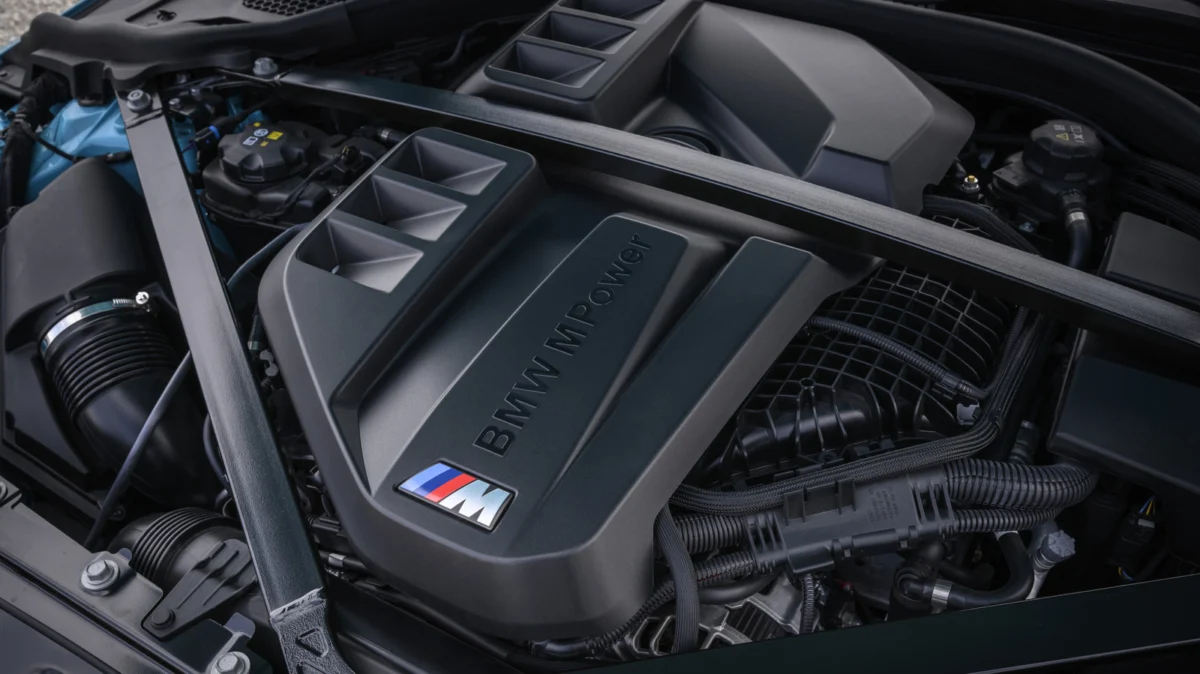
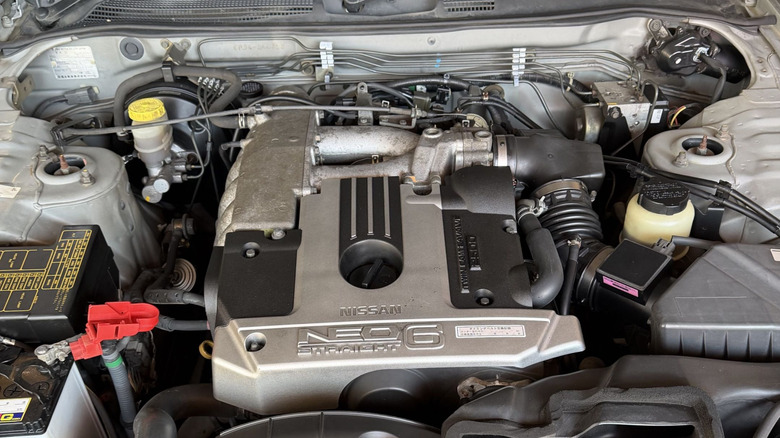
In the pantheon of automotive powerplants, few configurations command as much respect among enthusiasts and engineers as the inline-six (or "straight-six") engine. Celebrated for its mechanical symmetry and silken power delivery, the straight-six has occupied engine bays ranging from rugged off-roaders like the Jeep Cherokee to high-performance icons like the Nissan Skyline and the sophisticated luxury sedans of BMW. Yet, as with any mechanical design, the straight-six is not immune to the laws of physics or the realities of poor maintenance.
While some iterations—such as the Toyota 2JZ or the venerable AMC/Jeep 4.0L—are whispered about in reverent tones for their "bulletproof" nature, others have earned a reputation for catastrophic failure. To understand whether the straight-six is truly a superior configuration or merely a victim of its own architectural complexity, one must examine the intersection of mechanical design, historical context, and the fundamental necessity of diligent upkeep.
The Mechanical Foundation: Why Balance Matters
The primary appeal of the straight-six engine lies in its inherent primary and secondary balance. In the world of internal combustion, an engine is essentially a collection of oscillating masses. In a V6 or a four-cylinder engine, these forces create vibrations that often necessitate counterweights, balance shafts, or complex dampening systems to mitigate.
The straight-six, by contrast, operates with near-perfect mechanical equilibrium. Because the engine is essentially two inline-three cylinders acting in concert, the firing order and the movement of the pistons are synchronized such that the forces generated by one set of pistons are offset by the other. This results in a "net-zero" vertical and lateral force on the engine block. Consequently, these engines run with a smoothness that V-configurations struggle to replicate without additional, power-robbing hardware. This lack of vibration doesn’t just improve passenger comfort; it reduces the wear and tear on engine mounts, accessories, and internal components over hundreds of thousands of miles.
A Chronological Perspective: From Workhorses to High-Tech Turbos
The evolution of the straight-six reflects the changing priorities of the automotive industry over the last century.
The Era of Simplicity (1950s–1990s)
During this period, the straight-six was the default choice for reliability. Manufacturers prioritized long-stroke, low-revving designs that favored torque over high-RPM horsepower. Engines like the Jaguar XK6 or the AMC-derived Jeep 4.0L were marvels of simplicity. They featured cast-iron blocks, overhead valve (OHV) or simple single-overhead-cam (SOHC) valvetrains, and limited electronic intervention. These engines were designed to be "serviced, not replaced."
The Performance Renaissance (1990s–2010s)
As the sport-compact movement gained traction, the straight-six became the darling of the tuning world. The Nissan RB series and the Toyota JZ series proved that the straight-six could handle massive forced induction. Because the long, rigid crankshaft was well-supported, these engines could produce double or triple their factory horsepower figures without requiring internal modifications, cementing their status as legends.
The Modern Efficiency Era (2010s–Present)
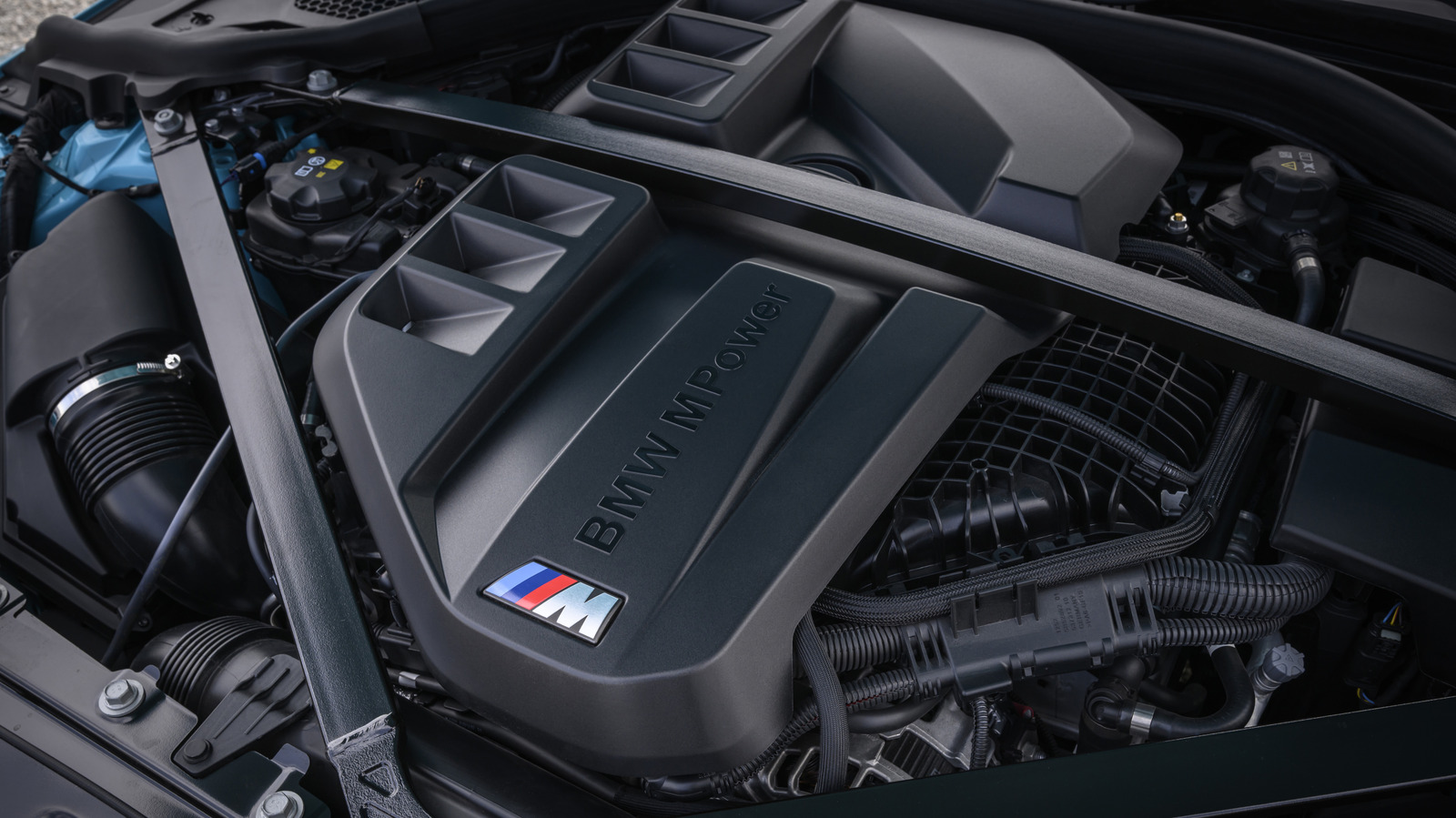
Today, the straight-six is experiencing a resurgence, particularly among European luxury manufacturers like BMW. These modern engines are marvels of engineering—often featuring twin-scroll turbochargers, direct injection, and complex variable valve timing. While they retain the traditional smoothness of their ancestors, they are significantly more complex. The reliance on advanced electronics and thermal management systems means that while they are powerful and efficient, they lack the "fix-it-in-the-driveway" simplicity of a 1996 Jeep Cherokee.
Supporting Data: The Case for Longevity
Is the straight-six inherently more reliable than its V-configured counterparts? The data, both anecdotal and mechanical, suggests that it is not the shape of the engine that determines its lifespan, but the application and maintenance of that engine.
Mechanical technicians frequently cite two primary killers of the straight-six: thermal stress and lubrication failure. Because the engine block is long, heat dissipation can be uneven. In poorly designed cooling systems, the rear cylinders—furthest from the water pump—can run hotter than the front, leading to warped cylinder heads or blown head gaskets.
However, when properly cooled and lubricated, the straight-six is arguably one of the most durable configurations in existence. Evidence of this is found in the commercial sector: the vast majority of heavy-duty diesel engines in semi-trucks are straight-sixes. These engines are designed to operate for upwards of 1,000,000 miles before needing a major overhaul. They succeed not because of magic, but because they are governed by strict maintenance intervals and are rarely "lugged" or pushed beyond their intended design parameters.
Official Industry Perspectives: The Trade-Offs
Manufacturers are acutely aware of the "Straight-Six Dilemma." The design offers undeniable performance and smoothness, but it presents a packaging nightmare.
- Packaging Constraints: Because the engine is long, it is difficult to fit into modern, compact engine bays. This is why BMW famously tilts their engines at an angle (canted) to lower the center of gravity and fit the long block into shorter chassis.
- Maintenance Accessibility: As noted by automotive technicians, the length of the engine can be a double-edged sword. While the sides of the engine are often clear of accessories, the front and rear can be buried against the radiator or the firewall. Removing a timing belt on a longitudinal inline-six often requires the removal of the entire cooling stack, a labor-intensive process that discourages amateur DIYers.
Despite these hurdles, the industry remains committed to the format because it remains the benchmark for "refined power." A V6 will always feel like two engines fighting each other; a straight-six feels like a single, cohesive unit.
Implications: How to Ensure Your Engine Lasts
If you are a prospective buyer or an owner of a vehicle powered by an inline-six, the path to 500,000 miles is clear, though it requires discipline.
1. The Gospel of Preventative Maintenance
The most critical factor is strict adherence to manufacturer service intervals. For high-mileage engines, this means changing the oil, coolant, and transmission fluid before they degrade. Using OEM (Original Equipment Manufacturer) parts is non-negotiable. While a $100 knock-off water pump might seem like a bargain, the cost of the engine failure it causes when it seizes will be catastrophic.
2. Sympathetic Driving Habits
Straight-six engines—particularly those with long blocks—are sensitive to temperature changes.
- Warm-up: Never subject a cold engine to high RPMs. Oil takes time to circulate and reach optimal viscosity.
- Avoid "Lugging": Driving in a gear that is too high for the current speed causes excessive stress on the crankshaft.
- Idle Management: Avoid prolonged idling in cold weather, which can lead to oil dilution and carbon buildup.
3. Respecting the Design Limits
Many enthusiasts fall into the trap of believing that the straight-six is "indestructible." While the block may be strong, the cooling system, sensors, and gaskets are not. If you modify your engine to increase power, you must simultaneously upgrade your cooling and oiling systems to compensate.
Conclusion: The Final Verdict
The straight-six engine is not a panacea for reliability, nor is it a complex liability. It is a mechanical compromise. It trades the compact footprint of a V6 for the unparalleled balance and smoothness of an inline design. Whether your specific engine lasts 50,000 miles or 500,000 miles depends less on the number of cylinders and more on the hand that holds the wrench.
As with any machine, the straight-six responds to respect. If you choose to ignore the warning signs, skip an oil change, or push a cold engine to its redline, the design will fail just like any other. But if you treat it with the care it deserves, the inline-six will reward you with a driving experience that remains, to this day, the gold standard for smooth, reliable power.











