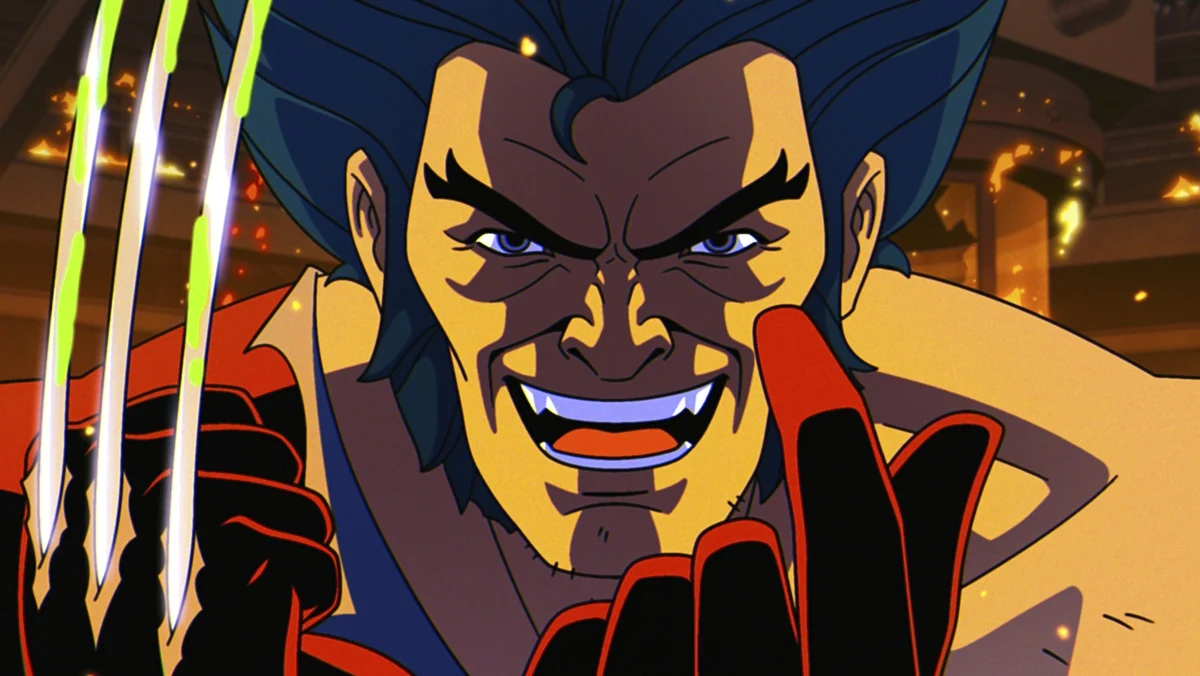
The debut of X-Men ’97 Season 2 on Disney+ has been met with both critical acclaim for its narrative ambition and a shadow of industry controversy that refuses to dissipate. At the heart of this storm is Beau DeMayo, the show’s original creator and showrunner, whose abrupt departure from Marvel Studios two years ago has spiraled into a public legal battle and a series of explosive allegations regarding workplace culture at the House of Mouse.
As the series continues to unfold, the disconnect between the show’s creative triumph and the behind-the-scenes turmoil has never been more apparent. With new revelations surfacing in a candid Vanity Fair report, the industry is once again forced to confront the volatile intersection of corporate ethics, personal privacy, and the evolving nature of creative control within the Marvel Cinematic Universe (MCU).
A Chronology of Controversy: From Visionary to Outsider
The timeline of DeMayo’s tenure at Marvel and his subsequent termination remains a subject of intense debate. Initially hired to spearhead the revival of the beloved 1990s X-Men: The Animated Series, DeMayo was widely credited with the show’s massive success. His deep understanding of the source material helped X-Men ’97 capture the hearts of both nostalgic fans and new audiences.
However, in early 2024, the professional relationship fractured. Marvel Studios parted ways with DeMayo just days before the show’s premiere events. At the time, the company maintained a stony silence, citing internal policy, while DeMayo took to social media to express his shock.
The narrative took a darker turn when it was revealed that Disney/Marvel had conducted a sexual misconduct investigation. DeMayo has vehemently contested the company’s characterization of these events, leading to a lawsuit against the studio. The conflict has moved from private HR disputes into the public square, with DeMayo utilizing social media and long-form journalism to present his side of the story, framing his dismissal not as a result of policy violations, but as a retaliatory action driven by personal prejudice.
The OnlyFans Nexus: Privacy vs. Corporate Policy
A pivotal point in DeMayo’s defense centers on his use of OnlyFans. In his recent statements, DeMayo asserts that his presence on the platform was a known entity to his superiors and that he had received initial assurances regarding his personal autonomy.
"It was cleared," DeMayo stated in his Vanity Fair interview. "It was like, ‘It is your personal life. As long as you’re not advertising the show on your OnlyFans, as long as you’re keeping it very separate from the content of the show, it’s outside of their purview."
DeMayo describes the reversal of this stance as deeply "traumatic," noting that he believed he was operating within a "safe space" provided by the studio. The subsequent termination, he alleges, weaponized his personal life against him, effectively using his private activities as a pretext to terminate a contract that was becoming increasingly contentious. His comments—"My therapist is well employed"—reflect the psychological toll this high-profile fallout has exacted on his professional and personal life.
Allegations of Systemic Bias and the "DEI Hire" Narrative
Perhaps the most damaging of DeMayo’s allegations involves the culture he claims to have encountered while navigating the halls of Marvel Studios. Moving beyond the immediate reasons for his firing, DeMayo has pointed to a pattern of disparaging remarks that he believes were rooted in racism and homophobia.
DeMayo claims he was frequently subjected to comments that undermined his authority, with colleagues questioning his fitness for the role based on appearance rather than merit. "Oh, you don’t look like a showrunner, you don’t look like a writer," he recounts. He describes a pervasive atmosphere where he was treated as a "DEI hire"—a token inclusion intended to satisfy corporate optics rather than a creative professional hired for his vision.

These claims gain weight when contrasted with his previous experiences at the studio. DeMayo, who had previously worked on the long-gestating Blade reboot, suggests that the atmosphere during his time on X-Men ’97 represented an escalation of existing prejudices. "Some of those racist, sexist, homophobic vibes that I was getting before Blade became much more explicit," he asserted. These accusations place Marvel in a precarious position, forcing a reckoning with how its internal culture aligns with the progressive themes of diversity and inclusion present in its flagship X-Men intellectual property.
The "Fingerprints" of a Creator: Impact on Season 2
Despite his absence from the production team during the finalization of the second season, DeMayo’s influence is undeniable. He is credited as a writer for episode three, "The Rise of Apocalypse: Part I," and retains an executive producer credit for the season. For viewers, the transition in creative leadership is a subtle one, as the narrative threads established under his guidance continue to bear fruit.
However, the industry is watching closely to see how the show evolves in Season 3. With Matthew Chauncey stepping in to fill the void, the creative direction of the franchise is at a crossroads. DeMayo’s total lack of involvement in the upcoming third season represents a complete severing of ties, a milestone that will serve as a litmus test for whether the series can maintain its critical momentum without its primary architect.
Implications for Marvel and the Studio System
The DeMayo saga is symptomatic of a broader tension in Hollywood: the friction between the personal lives of "gig economy" creative talent and the massive, risk-averse corporate structures of media conglomerates.
Legal and Reputational Consequences
The lawsuit filed by DeMayo against Disney/Marvel creates a complex legal landscape. Should the case proceed to discovery, internal communications regarding hiring practices, workplace conduct, and the specific nature of the investigation into DeMayo could become public. This creates significant reputational risk for Marvel, a studio that prides itself on family-friendly branding and aspirational heroism.
The Evolution of Talent Management
The case also underscores the need for clearer boundaries between private conduct and professional obligation. In an era where digital presence is nearly ubiquitous, the "OnlyFans" issue highlights a lack of standardized policy across major studios. When creative professionals are treated as independent contractors or high-level employees, the ambiguity surrounding what constitutes "corporate brand risk" often leads to inconsistent—and potentially discriminatory—enforcement.
Cultural Authenticity and the DEI Conversation
DeMayo’s claims regarding his status as a "DEI hire" touch on a sensitive nerve in the entertainment industry. While studios are under immense pressure to increase diversity, the accusation that these hires are not treated with the same institutional respect as their counterparts is a damning indictment of "performative" diversity. If the studio is seen to be fostering an environment where minority creators are marginalized while their work is used to boost the studio’s image, the backlash from both talent and audiences could be severe.
Conclusion: A Mutated Future
As X-Men ’97 continues its run on Disney+, it stands as a testament to both the genius of Beau DeMayo and the fragility of the creative process within a corporate machine. The audience is left with a show that explores themes of prejudice, survival, and the fight for a better future—themes that now seem to mirror the real-world conflict between its creator and the studio.
The legal proceedings between DeMayo and Marvel are far from reaching a conclusion, and as more details emerge, the story will likely remain a flashpoint for discussions about labor rights, corporate ethics, and the responsibility of studios to the artists who bring their universes to life. For now, the X-Men continue their battle on screen, while the battle for the narrative of their creation continues in the courts and the headlines.