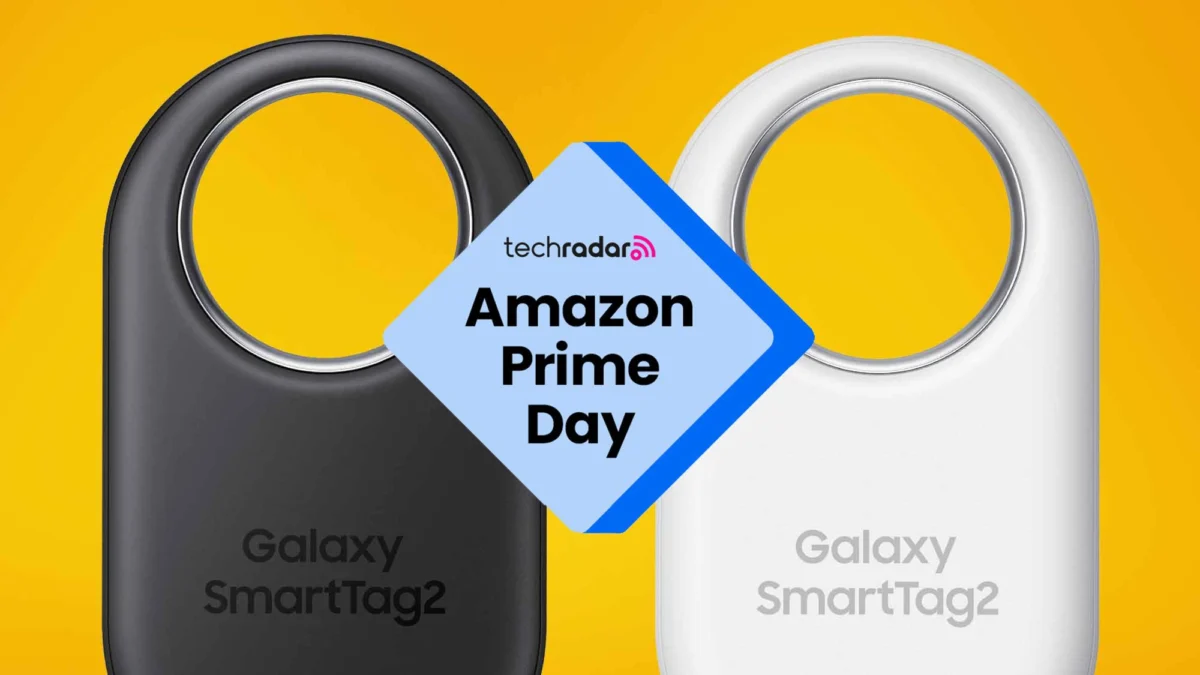
For the chronically forgetful, the modern era offers a sophisticated technological remedy. If you are a Samsung Galaxy user plagued by the recurring anxiety of mislaid keys, a vanished wallet, or a misplaced backpack, the Samsung Galaxy SmartTag 2 is designed to be your digital tether. As Samsung’s direct and formidable answer to the Apple AirTag, this compact device has redefined personal item tracking.
Currently, the market is offering a compelling entry point for those looking to outfit their entire household. For a limited time, Amazon Australia is offering a 4-pack of the Samsung SmartTag 2 for just AU$71.06. At approximately AU$18 per unit, this represents a significant value proposition for users embedded within the Samsung ecosystem.
Main Facts: The Anatomy of the SmartTag 2
The Galaxy SmartTag 2 is a masterclass in minimalist utility. It is designed to be attached to, or concealed within, virtually any object of value. Once tethered to an item, the tag communicates seamlessly with your Samsung smartphone via the SmartThings Find network.
Key Specifications:
- Battery Life: Up to 700 days, significantly outpacing many competitors.
- Durability: IP67-rated, ensuring robust protection against both dust and water submersion.
- Connectivity: Bluetooth Low Energy (BLE) and Ultra-Wideband (UWB) technology for precision finding.
- Compatibility: Exclusively optimized for Samsung Galaxy devices.
The simplicity of the system is its greatest strength. Users merely need to attach the tag, register it through the SmartThings Find app, and they are ready to initiate a search. The "Search Nearby" feature utilizes signal strength and, on supported devices, precision directional guidance to navigate you to your lost item. If the item is hidden from view—perhaps buried under a couch cushion—the device can emit a clear, audible ringtone to guide your ears to its location.
Chronology: The Rise of the Bluetooth Tracker
The evolution of the Bluetooth tracker has been rapid, transforming from niche novelty items to essential consumer electronics.
The Early Days (2013–2019)
The market was pioneered by companies like Tile, which utilized basic Bluetooth connectivity. These devices were revolutionary but limited by "crowd-sourced" finding networks that were relatively sparse. If your tag was out of range of your phone, you relied entirely on other users of the same app passing within Bluetooth distance of your item.
The Ecosystem Wars (2020–2022)
The entry of Apple into the space with the AirTag in 2021 changed the paradigm. By leveraging the hundreds of millions of iPhones active worldwide, Apple turned every iPhone into a node for its "Find My" network. Samsung responded shortly thereafter with the original Galaxy SmartTag, creating a similar "find-my" grid for its massive user base.
The Refinement Era (2023–Present)
The release of the SmartTag 2 marked a shift toward durability and efficiency. Samsung addressed consumer feedback by increasing battery longevity to an industry-leading 700 days and improving the physical design to be more ergonomic and rugged. Today, the focus has shifted from mere connectivity to ecosystem integration, with these trackers becoming deeply embedded into the "Internet of Things" (IoT) experience.
Supporting Data: Why Ecosystem Matters
When selecting a tracker, the hardware is only half the battle. The true utility of a device like the SmartTag 2 or the Apple AirTag is the size of the "finding network."
- The Power of the Network: Because the SmartTag 2 utilizes the SmartThings Find network, every Samsung device globally effectively acts as a potential signal repeater. This creates a massive, invisible mesh network that can pinpoint an item even if it is miles away from the owner.
- Cost-Benefit Analysis: While the SmartTag 2 (AU$71.06 for 4) is currently a bargain, the market also offers alternatives for cross-platform users. For instance, the Life360 Tile 4-pack is available for AU$55.95. Unlike the Samsung or Apple offerings, Tile remains platform-agnostic, making it a superior choice for households that mix Android and iOS devices.
- The Apple Alternative: For those firmly in the Apple camp, the Apple AirTag 4-pack remains the gold standard, currently priced at AU$132.82. While more expensive, the tight integration with the iOS "Find My" app and the precision of the U1 chip provides a seamless user experience that is difficult to replicate.
Official Responses and Security Considerations
With the rise of smart trackers has come a necessary conversation regarding privacy. Both Samsung and Apple have implemented robust security measures to prevent "stalking" via these devices.
Anti-Stalking Protocols
Samsung’s SmartThings Find includes "Unknown Tag Detection," which alerts a user if an unknown SmartTag is following them. This ensures that the technology cannot be weaponized for malicious tracking. Samsung has stated in official press releases that all location data is encrypted and protected by the Samsung Knox security platform, ensuring that even Samsung itself cannot track the location of your items.
Official Stance on Durability
Samsung’s commitment to the IP67 rating is a direct response to consumer demands for "adventure-ready" hardware. By ensuring the device is dust-tight and capable of surviving immersion in up to one meter of water for 30 minutes, Samsung has positioned the SmartTag 2 as an outdoor-focused utility rather than just a key-finder.
Implications: The Future of Item Tracking
The proliferation of these devices has profound implications for consumer behavior and the broader tech landscape.
1. Reducing Consumer Waste
By helping users recover lost items—from wallets and passports to luggage and pet collars—these devices contribute to a reduction in replacement consumption. The longevity of the SmartTag 2 (700-day battery) further minimizes the environmental footprint of the product itself.
2. The Smart Home Integration
The SmartTag 2 is not merely a tracker; it acts as a programmable button. Users can configure the tag to trigger SmartThings automation routines. For example, pressing the button on your tag when you arrive home could automatically turn on your lights, adjust the thermostat, and start a media playlist. This expands the utility of the device from a recovery tool to an active home-automation controller.
3. Market Saturation and Pricing Trends
As seen with the current pricing at Amazon Australia, the market is becoming increasingly competitive. We are seeing a "race to the bottom" regarding the price of entry-level packs. For consumers, this is ideal. However, it also suggests that the hardware is becoming a commodity. The real value for manufacturers like Samsung and Apple is keeping users locked into their specific software ecosystems.
Conclusion: Which Tracker is Right for You?
Choosing a tracker is no longer about which device is "best," but rather which device fits your existing digital life.
- If you own a Samsung Galaxy phone: The SmartTag 2 is the obvious, high-performance choice. Its integration with the SmartThings ecosystem and its current price point of under AU$18 per tag makes it an unbeatable value.
- If you are an Apple user: Stick with the AirTag. The integration is smoother, and the resale value of the ecosystem remains high.
- If you live in a "mixed" household: Look toward the Tile by Life360. While it may lack the proprietary "find-my" mesh network density of the tech giants, its compatibility with both Android and iOS makes it the most pragmatic solution for diverse device environments.
As we look toward major retail events like Prime Day 2026, we anticipate even more aggressive pricing. However, for those who find themselves constantly misplacing their essentials, the current offer on the Samsung SmartTag 2 is a rare opportunity to invest in peace of mind at a fraction of the usual cost. Whether it’s a trip to the gym, a commute to the office, or a weekend getaway, the ability to "ping" your lost items back into existence is a modern luxury that has quickly become a necessity.