Muslim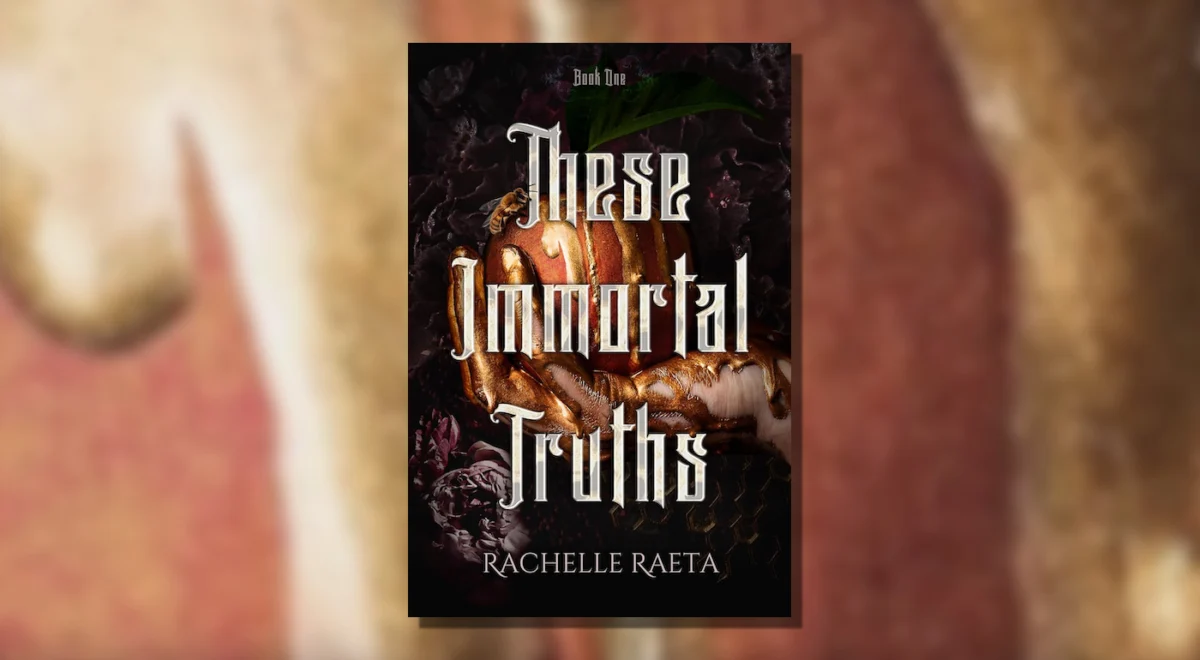
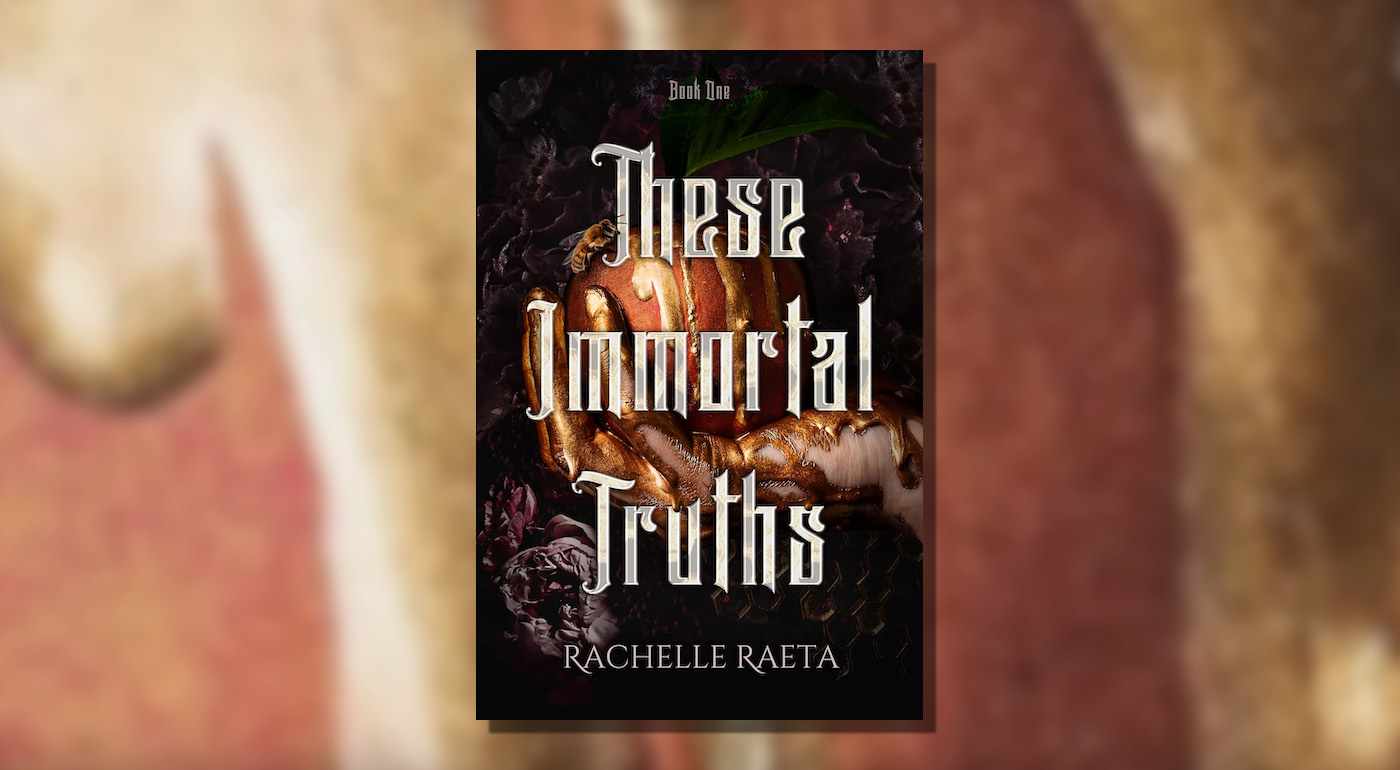
In the crowded landscape of historical fantasy, few novels manage to bridge the gap between gritty period realism and the expansive, often terrifying scope of immortality. This summer, Tor Books aims to capture the literary zeitgeist with These Immortal Truths, the highly anticipated new novel by Rachelle Raeta. Slated for release on June 30th, the book is already generating significant buzz not only for its evocative, genre-bending narrative but for its premium physical presentation, which includes sprayed edges, intricate case stamping, and custom-designed endpapers.
Raeta’s work is a poignant exploration of what it means to be untethered from the natural human lifecycle. By placing a vulnerable, marginalized woman from the 12th century at the center of an epic that spans centuries, Raeta invites readers to consider the "Immortal Truths" of the the beauty of living fully in the face of inevitable, crushing change.
A Chronicle of Exile and Rebirth
The narrative of These Immortal Truths is anchored in 1185 England, a setting defined by superstition, rigid social hierarchies, and the constant threat of starvation. The protagonist, Anna, is a young woman living in the shadows. Marked by mysterious, pale discolorations on her skin—which the fearful, plague-ridden village elders mistake for leprosy—Anna has been cast into a life of solitary exile.
Her existence is one of quiet, desperate survival. She is a woman defined by what she lacks: a home, a language, and the security of a community. Her life is a fragile, repetitive cycle of foraging for hawthorn berries and avoiding the predatory reach of those who would see her destroyed. However, the trajectory of her life shifts permanently when she chooses an act of profound, selfless empathy.
When Anna encounters a mysterious, ethereal stranger fleeing from soldiers, her instinct to protect the innocent overrides her instinct to hide. This singular choice—to harbor the stranger in her meager cabin—acts as the inciting incident that rips Anna from the mortal coil and thrusts her into the domain of the divine. The stranger, who is revealed to be Khiran, a shapeshifting god, bestows upon Anna the gift of immortality. It is a moment of salvation that paradoxically marks the end of her life as she knows it and the beginning of a centuries-long journey defined by the "beauty and danger" of a life without end.
Chronological Trajectory: From the Pyre to the Ages
The excerpt provided by Tor Books highlights the visceral nature of Raeta’s prose, particularly during the sequence on the beach in 1185. The chronology of Anna’s transformation is as brutal as it is transformative:
- 1185 (The Exile): Anna survives the harsh English winters in a state of near-starvation, having been banished by her lord due to unfounded fears of contamination.
- The Encounter: Anna saves a mysterious woman (Khiran) from local soldiers. This act of kindness serves as the catalyst for her transition.
- The Confrontation: The villagers, led by a local priest, accuse Anna of witchcraft. The scene culminates in a trial by fire on a remote beach.
- The Transformation: As the flames consume her pyre, Anna discovers that death no longer has a claim on her. She is reborn from the ashes, marking her entry into a world where time no longer dictates her decline.
- The Centuries Following: The narrative shifts from a linear struggle for survival into a panoramic view of human history, as Anna watches the people she encounters—and the very civilizations that built them—slip away like "grains of sand."
Supporting Data and Thematic Depth
Raeta’s prose serves as a vessel for complex thematic inquiries. Unlike many portrayals of immortality that focus on the accumulation of power or wisdom, These Immortal Truths focuses on the psychological toll of witnessing the ephemeral nature of humanity.
The "Taozi" (or "Persian apple") scene in the excerpt is central to the book’s thematic architecture. When the stranger offers Anna this fruit, it is not merely a meal; it is a symbolic tether to a world beyond her own. The lack of a seed in the fruit represents the "priceless treasures that cannot be replicated," a metaphor for Anna’s own existence—unique, unrepeatable, and ultimately, a gift.
Critics and early readers have noted that the book’s strength lies in its ability to ground high-concept fantasy in the raw, tactile sensations of the human experience—the sting of the wind, the taste of berries, the rough texture of hemp rope, and the suffocating heat of a fire. By contrasting these visceral, grounded moments with the god-like, shapeshifting nature of Khiran, Raeta creates a dynamic tension that sustains the narrative across its massive scope.
Official Responses and Editorial Vision
The editorial team at Tor Books has positioned These Immortal Truths as a flagship title for their summer 2026 season. In official statements accompanying the announcement, the publisher emphasized the "powerful and romantic" nature of the story. The decision to produce a high-end, collector-grade hardcover reflects the publisher’s confidence in the book’s longevity and its appeal to a broad demographic of fantasy readers who prioritize aesthetic quality alongside compelling storytelling.
"We wanted the physical object to mirror the themes of the book," says a spokesperson for the editorial team. "The sprayed edges and the case stamping aren’t just decorative; they reflect the beauty of the life Anna is experiencing. The design, much like the story, is meant to endure."
Implications for the Genre
The publication of These Immortal Truths arrives at a time when the genre of historical fantasy is experiencing a significant resurgence. Readers are increasingly seeking narratives that move beyond traditional tropes, opting instead for character-driven stories that interrogate the ethics of power, the nature of memory, and the philosophy of time.
By choosing a protagonist who begins in a state of absolute powerlessness—a "leper" in a medieval village—and elevating her to a position of infinite potential, Raeta challenges the traditional hero’s journey. Anna’s story is not about gaining a kingdom or defeating a dark lord; it is about the internal labor of maintaining one’s humanity when the world around you is constantly changing.
Furthermore, the relationship between Anna and Khiran—the shapeshifting god who serves as her tether—provides a compelling look at the power dynamics between the mortal and the divine. As Anna traverses the ages, the question of whether she is being blessed or burdened by her immortality remains a central mystery that promises to keep readers engaged until the final page.
As June 30th approaches, the literary community awaits the full release of These Immortal Truths. If the provided excerpt is any indication, Rachelle Raeta has crafted a work that will resonate with those who look to fantasy not just for escapism, but for a deeper understanding of the fragility and persistence of the human spirit. Whether one views Anna’s journey as a divine tragedy or a romantic triumph, one thing is certain: her story is one that will not be easily forgotten.


 Ali Ikhwan
 Azzam Bilal Chamdy